
Have you ever wondered why vintage portraits look so incredibly striking? The secret often lies in the magnificent facial hair. The nineteenth century was a golden era for men’s grooming, bringing forth an incredible array of bold and distinguished looks. From sweeping mustaches to robust beards, the variety was truly astounding. Men used their facial hair to signal their status, masculinity, and personal flair. If you want to explore the rich history of men’s grooming, looking into 25 1800s facial hairstyles offers a fascinating glimpse into the past. These iconic looks continue to inspire modern barbers and vintage enthusiasts today. Let us take a journey back in time to discover the most memorable and defining whiskers of the century.

1. Mutton Chops Whiskers

Picture the bold, sweeping sideburns that seem to defy gravity. Mutton chops whiskers are one of the most recognizable facial hair looks from the era. This style features thick, bushy sideburns that grow down the cheeks and flare out toward the chin. The chin itself remains completely clean-shaven, creating a striking contrast. Men who sported this look often used wax to keep the whiskers perfectly shaped and prominent. It gave them a rugged yet refined appearance that demanded respect. Today, mutton chops whiskers still stand out in a crowd, offering a vintage vibe for those wanting a fearless and dramatic statement. Maintaining this look requires regular shaving of the chin and neck to keep the lines sharp.
2. Burnside Sideburns

Ever heard of the term sideburns? It comes directly from General Ambrose Burnside. He made this spectacular facial hair famous during the Civil War. Burnside sideburns connect across the upper lip via a mustache, while the chin stays totally bare. The whiskers grow thick and full down the sides of the face, creating a seamless band of hair. This unique connection forms a dramatic frame for the lower face. Soldiers and gentlemen alike copied this bold trend. It quickly became a powerful symbol of military prestige and masculine charm. Recreating Burnside sideburns today requires patience, thick growth, and precise trimming to maintain that distinct connection across the lip and the bare chin.
3. Walrus Mustache

Imagine a mustache so grand it effortlessly cascades over the mouth. The walrus mustache is exactly that. This iconic look features thick, bushy whiskers on the upper lip that droop down over the corners of the mouth. It closely resembles the whiskers of its namesake marine mammal. Men in the late nineteenth century favored this style for its sheer volume and commanding presence. It required minimal grooming beyond occasional trimming and a bit of wax to hold the droop in place. The walrus mustache projects an image of authority and rugged individualism. It pairs perfectly with a clean-shaven chin, ensuring all attention remains on that massive, sweeping lip foliage.
4. Handlebar Mustache And Chin Beard

What happens when you combine a twisted lip warmer with a pointed chin puff? You get the handlebar mustache and chin beard. This dashing look pairs a lush mustache with upwardly curled ends alongside a small, shaped beard on the chin. The cheeks remain completely clean-shaven, highlighting the sharp contrast. Men loved this combination because it offered the flair of a mustache with the added weight of a chin beard. Styling the handlebar requires a good quality wax to hold the curls firm throughout the day. This combination feels incredibly theatrical and refined. It remains a fantastic choice for anyone wanting to channel a true Victorian gentleman.
5. Garibaldi Full Beard

Feel the unrestricted freedom of a truly natural face mane. The Garibaldi full beard embodies the rugged spirit of the Italian revolutionary Giuseppe Garibaldi. This style is characterized by a broad, full beard that is allowed to grow naturally, combined with a mustache that gracefully overlaps the upper lip. The key to this look is its deliberate wildness. The cheeks, jawline, and chin are covered in thick, untrimmed hair, though the neck is usually tidied up just slightly. It represents a bold return to nature and a rejection of overly manicured styles. Wearing a Garibaldi full beard today shows supreme confidence and a deep appreciation for historically robust masculinity.
6. Verdi Beard Style

Step into the world of classical composers with this striking aesthetic. The Verdi beard style pays homage to the legendary Italian musician Giuseppe Verdi. It features a short, rounded beard that covers the chin and jawline, paired with a prominent, thick mustache. Unlike the wilder Garibaldi, the Verdi is carefully trimmed and shaped to maintain a neat, rounded silhouette. The cheeks are left clean, providing a clear distinction between the beard and the sideburns. This elegant combination projects sophistication and artistic flair. It is ideal for men who want a polished vintage look without the heavy maintenance of massive, sweeping whiskers. A little beard oil keeps this rounded shape looking fresh.
7. Chin Curtain Beard

Have you ever considered a beard that frames the jawline perfectly? The chin curtain beard does exactly that. This classic style features hair growing along the jawline and chin, completely enclosing the lower face. The mustache area is shaved clean, creating a distinct separation from the beard. It forms a continuous line of hair from one sideburn to the other. Abraham Lincoln made this particular look incredibly famous during his presidency. It offers a distinguished, intellectual appearance that commands immediate respect. Keeping a chin curtain beard looking sharp requires careful edging along the cheeks and upper lip. It remains a top choice for a neat, historical aesthetic today.
8. French Fork Beard
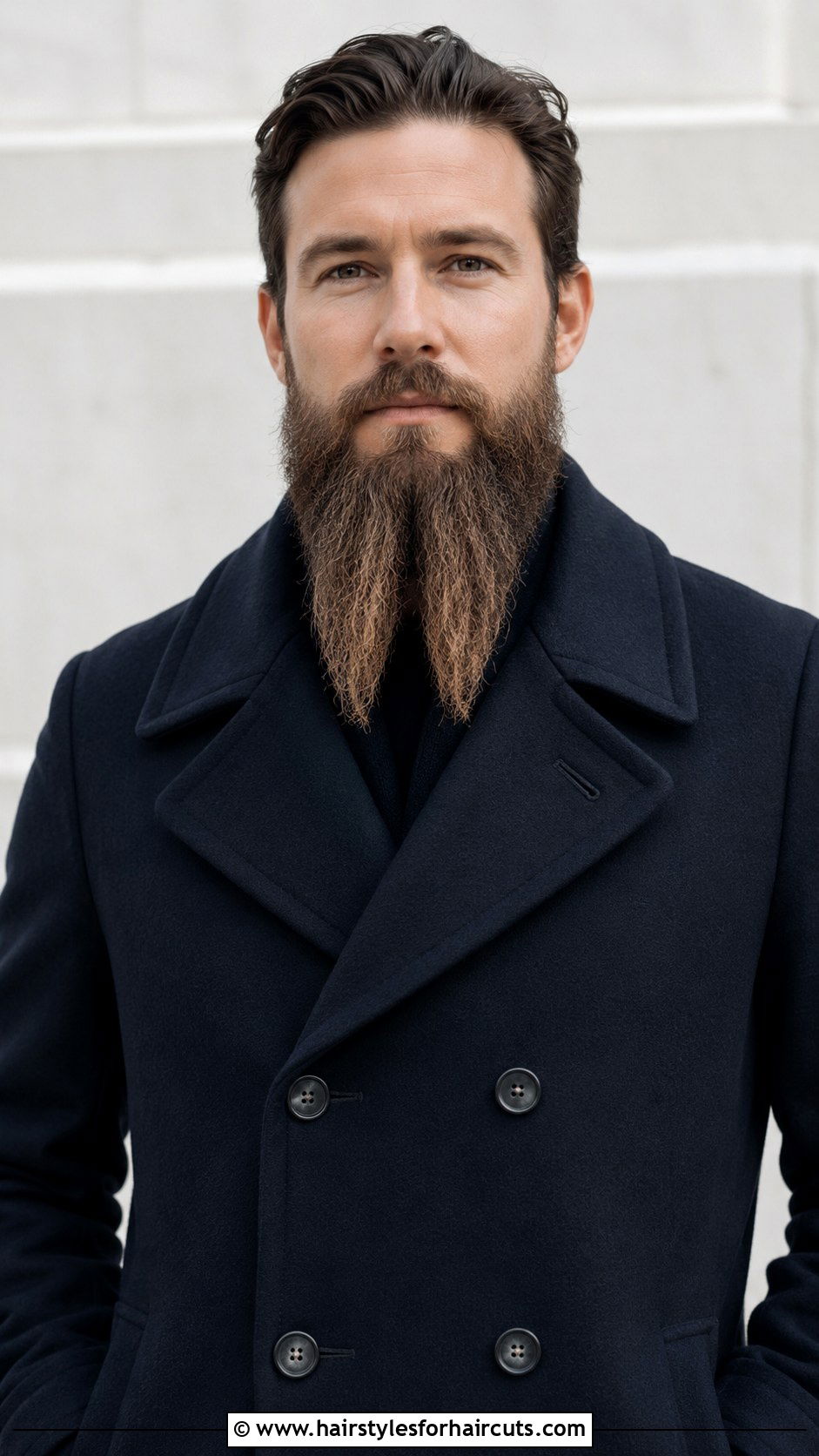
Notice the unique split at the bottom of a grand beard. The French fork beard is a spectacular sight, defined by a full beard that divides into two distinct points at the chin. This creates a striking pronged effect that looks both sophisticated and slightly rebellious. The beard itself is generally thick and full across the cheeks and jaw. Gentlemen in the 1800s often used styling wax to keep the forks sharp and pronounced. It gives the wearer an instantly recognizable silhouette that stands out in any historical crowd. This daring style works wonderfully for men with dense facial hair growth who want an elegant vintage touch.
9. Imperial Mustache

Turn your gaze to the bold curl of royal whiskers. The imperial mustache is a statement of pure grandeur. It features a thick, full mustache with ends that curl sharply upward. Sometimes, small points of hair remain at the sides of the chin to anchor the look. This style was wildly popular among European royalty and military officers during the nineteenth century. Achieving those dramatic upward curls required stiff mustache wax and a small styling comb. It represents the peak of Victorian extravagance and grooming dedication. Sporting an imperial mustache today instantly elevates your vintage style, giving you a regal and authoritative presence that is impossible to ignore.
10. Horseshoe Mustache
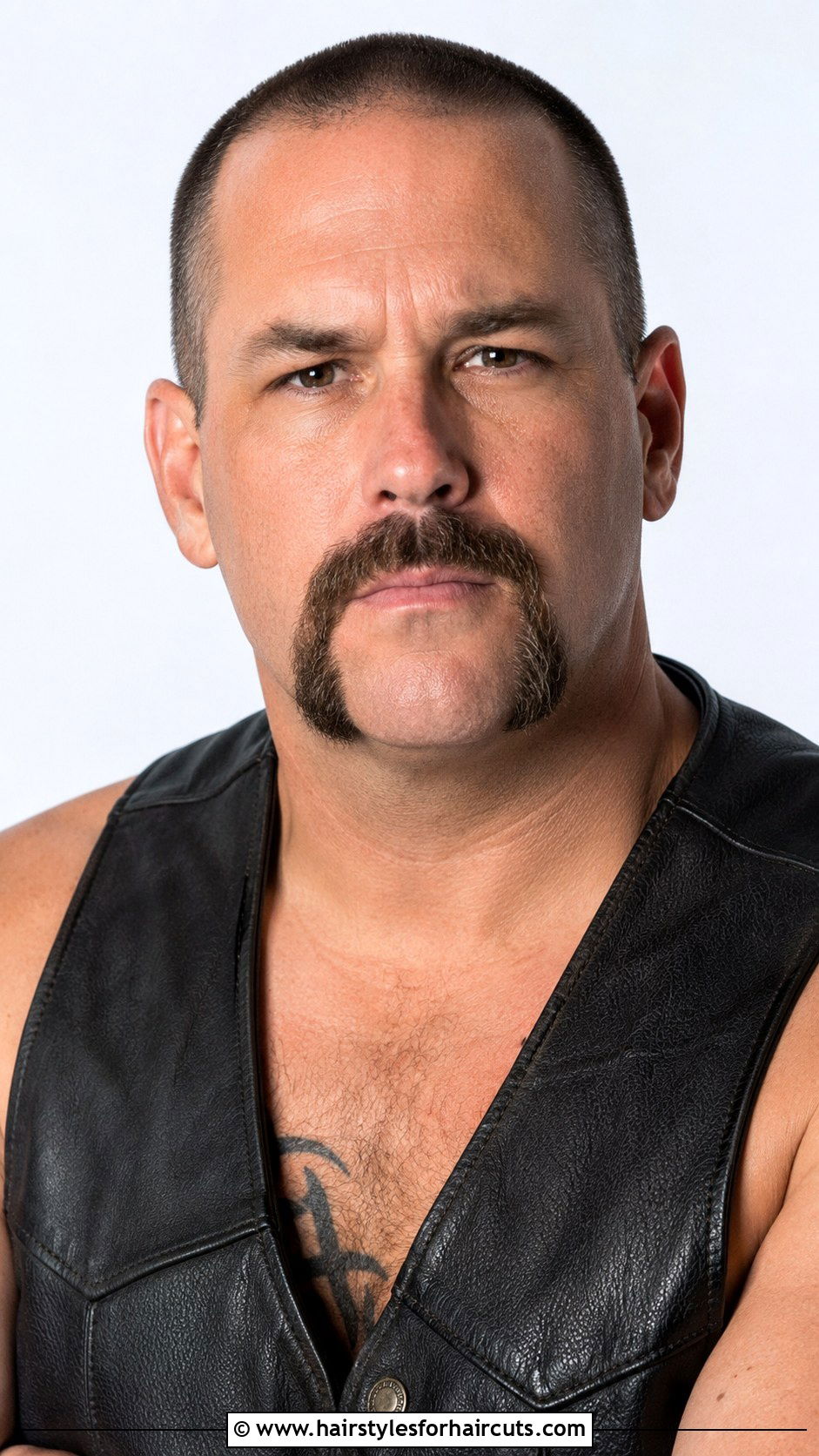
Look at the striking shape that wraps around the mouth. The horseshoe mustache is a bold and unmistakable choice. It consists of a full mustache that extends down the sides of the mouth and along the jawline, resembling an inverted horseshoe. The chin remains clean, but the vertical strips of hair create a powerful frame. This style was often seen on tough figures of the era, projecting an aura of raw strength and resilience. It requires dense growth along the sides of the mouth to pull off effectively. The horseshoe mustache is definitely for the fearless man who wants a distinctly rugged and historically charged facial hair profile.
11. English Mustache

Observe the stiff, narrow points extending outward from the lip. The English mustache is the epitome of refined restraint. Unlike the bushier styles of the era, this look features a narrow strip of hair on the upper lip with the ends styled into extremely straight, slender points. It became a hallmark of the English gentleman, reflecting a sense of strict order, discipline, and a stiff upper lip. Maintaining those sharp, horizontal lines required daily application of firm wax. It perfectly complements tailored suits and formal attire. If you prefer a crisp, architectural approach to historical grooming, the English mustache delivers a sleek and highly dignified vintage aesthetic.
12. Hungarian Mustache

Picture a sweeping lip accessory full of volume and flair. The Hungarian mustache stands out with its incredibly thick growth and dramatic curves. It starts broad at the center of the lip and curls upward into large, lofty points. This style was heavily favored by the elite of the Austro-Hungarian empire. It signified wealth, status, and a vibrant personality. The sheer volume requires robust hair growth and strong wax to hold the high curls in place. Wearing this mustache turns your face into a masterpiece of nineteenth-century fashion. It is the ultimate choice for anyone wanting to capture the opulent and romantic spirit of the European aristocracy.
13. Natural Full Beard
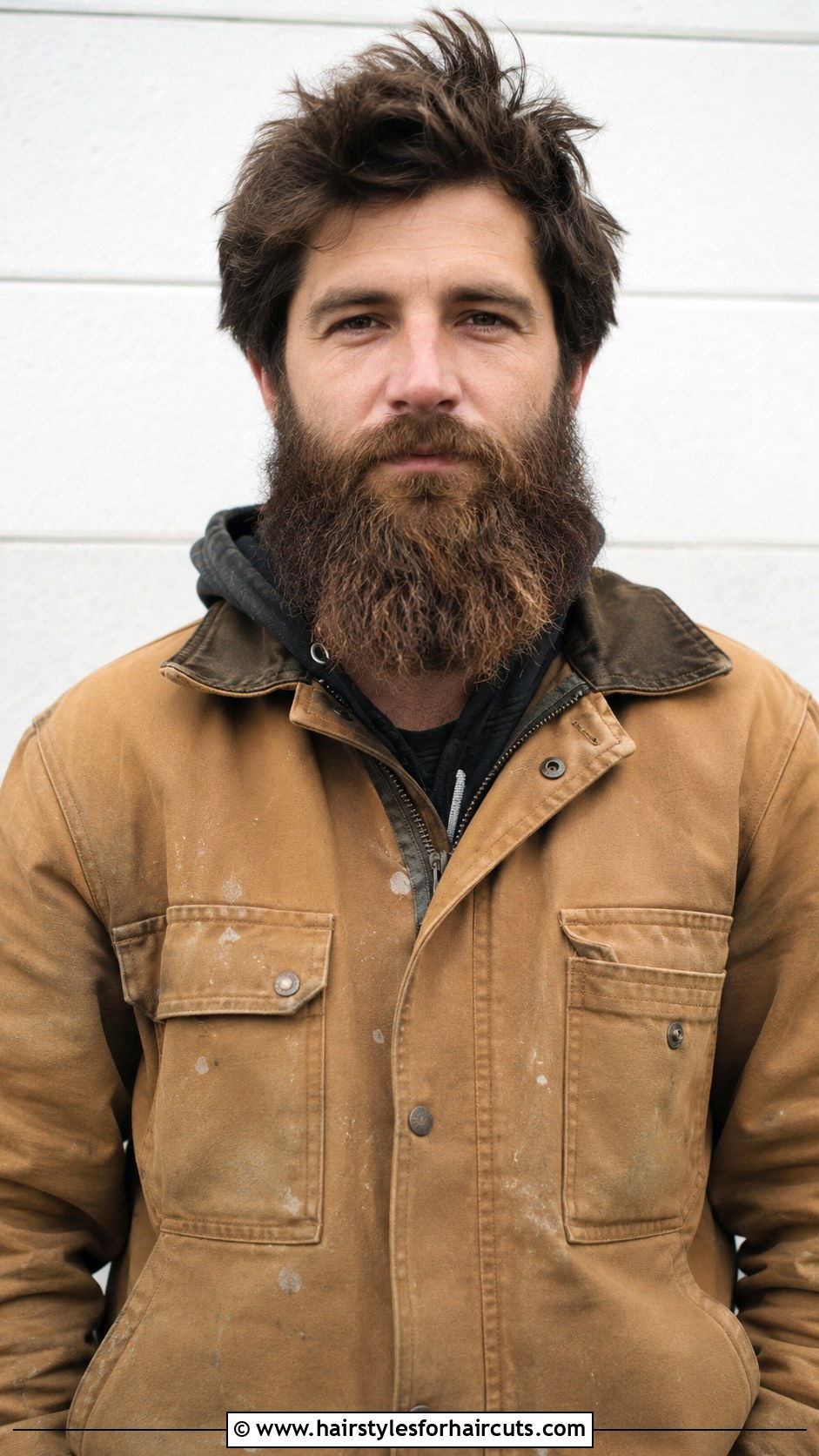
Embrace the raw, unadulterated masculinity of the frontier. The natural full beard was a staple for pioneers, explorers, and everyday men who had no time for elaborate grooming. This look lets the hair grow freely across the cheeks, chin, and upper lip without any artificial shaping or curling. It represents a highly practical and straightforward approach to facial hair. The natural full beard provided vital warmth during harsh winters and protected the skin from the elements. While it requires minimal styling, keeping it clean and brushed was still essential for respectability. It remains a timeless symbol of rugged independence and a great low-maintenance vintage option.
14. Balbo Beard
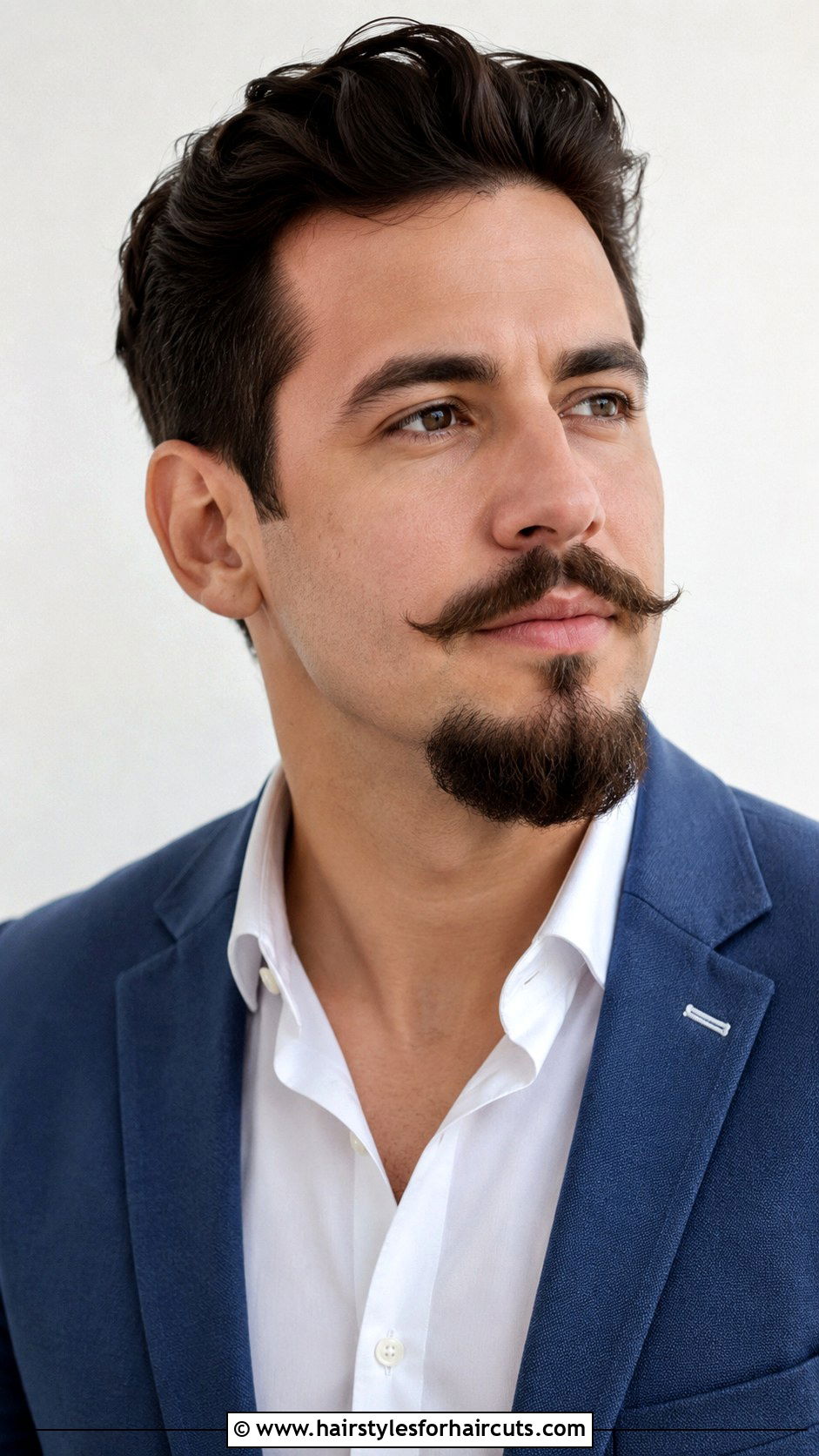
Trace the disconnected lines of this sophisticated facial layout. The Balbo beard is a distinct combination of a detached mustache, a soul patch, and an isolated chin beard. Unlike connected full beards, the cheeks and sideburns remain totally shaved. This creates a sharp, fragmented look that highlights the jawline and chin. Italo Balbo popularized it later, but the disconnected elements were certainly present in late nineteenth-century grooming trends. This style suits men with narrower chins who want to add visual weight to their lower face. Keeping the borders clean is vital for making this disconnected style look intentional and sharp rather than patchy or unkempt.
15. Anchor Beard

Notice the nautical inspiration shaping this striking chin hair. The anchor beard closely resembles the curved flukes of a ship’s anchor. It features a pointed chin beard that extends along the jawline in a narrow strip, paired with a mustache. The cheeks are entirely clean-shaven, emphasizing the distinct shape. This maritime look was incredibly popular among sailors and naval officers of the era. It projects a strong sense of adventure and disciplined grooming. Achieving the sharp point at the chin requires careful trimming and a steady hand. The anchor beard is an excellent choice for men who want a neat, highly stylized nod to nineteenth-century maritime tradition.
16. Van Dyke Beard

Consider the sharp contrast of a defined mustache and chin goatee. The Van Dyke beard features a completely separated mustache and chin beard, with clean-shaven cheeks. Named after the Flemish painter, this style experienced a massive resurgence in the 1800s. It offers a crisp, deliberate look that stands out from the fuller, connected beards of the period. The mustache is often styled with curling or pointed ends, while the chin hair is kept neatly shaped. This combination draws attention directly to the center of the face and the mouth. It works wonderfully for men with patchy cheek growth who still desire a distinguished and artistic facial hair statement.
17. Circle Beard
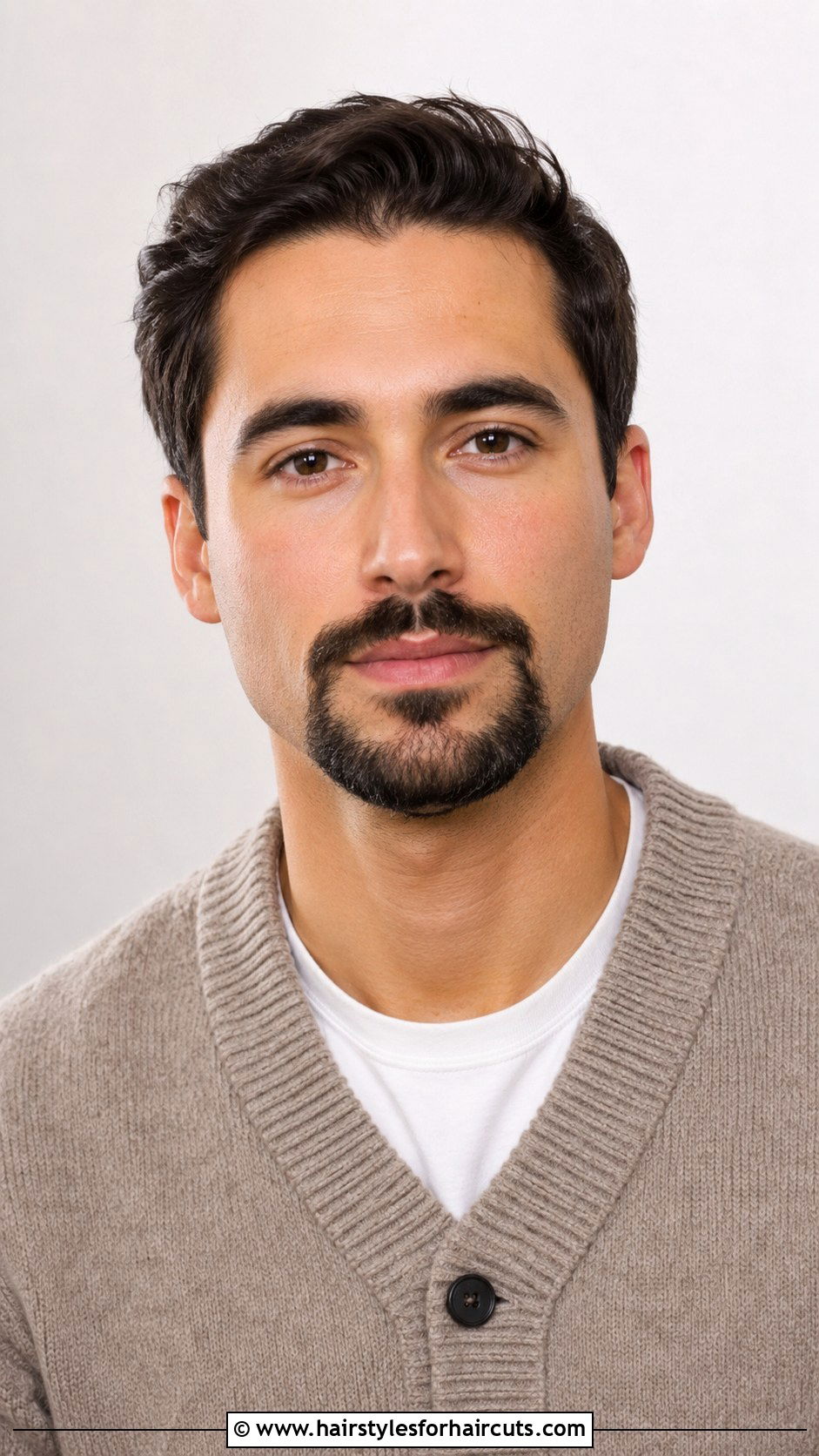
Examine the seamless connection of hair around the mouth. The circle beard is a unified look where the mustache and chin beard connect on both sides, forming a complete circle of hair. The cheeks and jawline outside this circle are shaved clean. This style creates a neat, contained appearance that was highly favored by clerks, shopkeepers, and professionals in the 1800s. It offered a tidy alternative to the wilder, untamed beards of the frontier. Maintaining a circle beard requires regular edging to keep the perimeter sharp and distinct. It is a universally flattering choice that provides a balanced, historical aesthetic without overwhelming the lower half of the face.
18. Chevron Mustache

Look at the thick, sloping lines resting naturally on the lip. The chevron mustache is a robust, no-nonsense style. It features a full mustache that points downward toward the corners of the mouth, creating a natural V shape. There is no curling, no styling, and no twisting. It simply relies on thick, natural growth. This straightforward look was incredibly common among working men and lawmen of the era. It requires very little maintenance beyond occasional trimming to keep it from overlapping the lip too much. The chevron mustache projects an image of firm resolve and practical masculinity. It remains a perfectly timeless option for any modern man.
19. Pencil Mustache
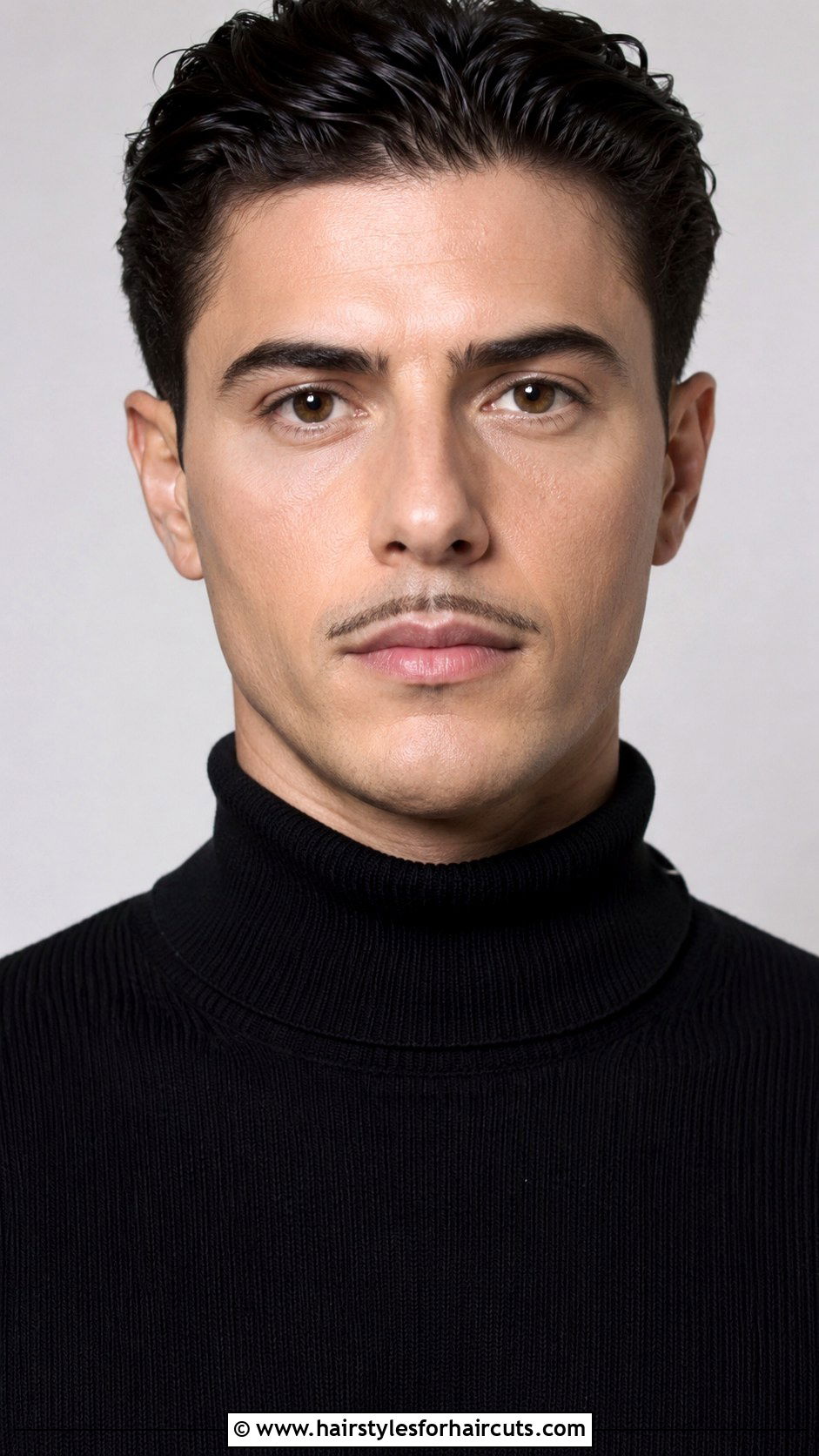
Appreciate the thin, precise line defining the upper lip. The pencil mustache is an exercise in meticulous grooming. It consists of an extremely narrow strip of hair right above the lip, looking as though it were drawn with a cosmetic pencil. This style gained traction among dandies and sophisticated urbanites in the late 1800s. It clearly signals a highly refined, polished, and fashionable personality. Keeping the line extremely thin and perfectly even demands daily precision trimming. The pencil mustache pairs exceptionally well with slicked-back hair and tailored clothing. It is the ultimate vintage detail for the man who values sharp, elegant minimalism over rugged excess.
20. Painter’s Brush Mustache

Visualize the straight, bristled edge of a paintbrush. The painter’s brush mustache is a thicker relative of the pencil mustache. It features a straight, dense strip of hair across the upper lip that does not taper or point at the ends. Instead, the width remains uniform, giving it a bold, blocky appearance. This style was popular among men who wanted a clean look with a bit more substance than a thin line. It requires dense hair growth to achieve that solid, bristly texture. The painter’s brush mustache communicates an artistic yet disciplined sensibility. It works beautifully for anyone wanting a striking, historical mustache without the high maintenance of curled ends.
21. Spade Beard
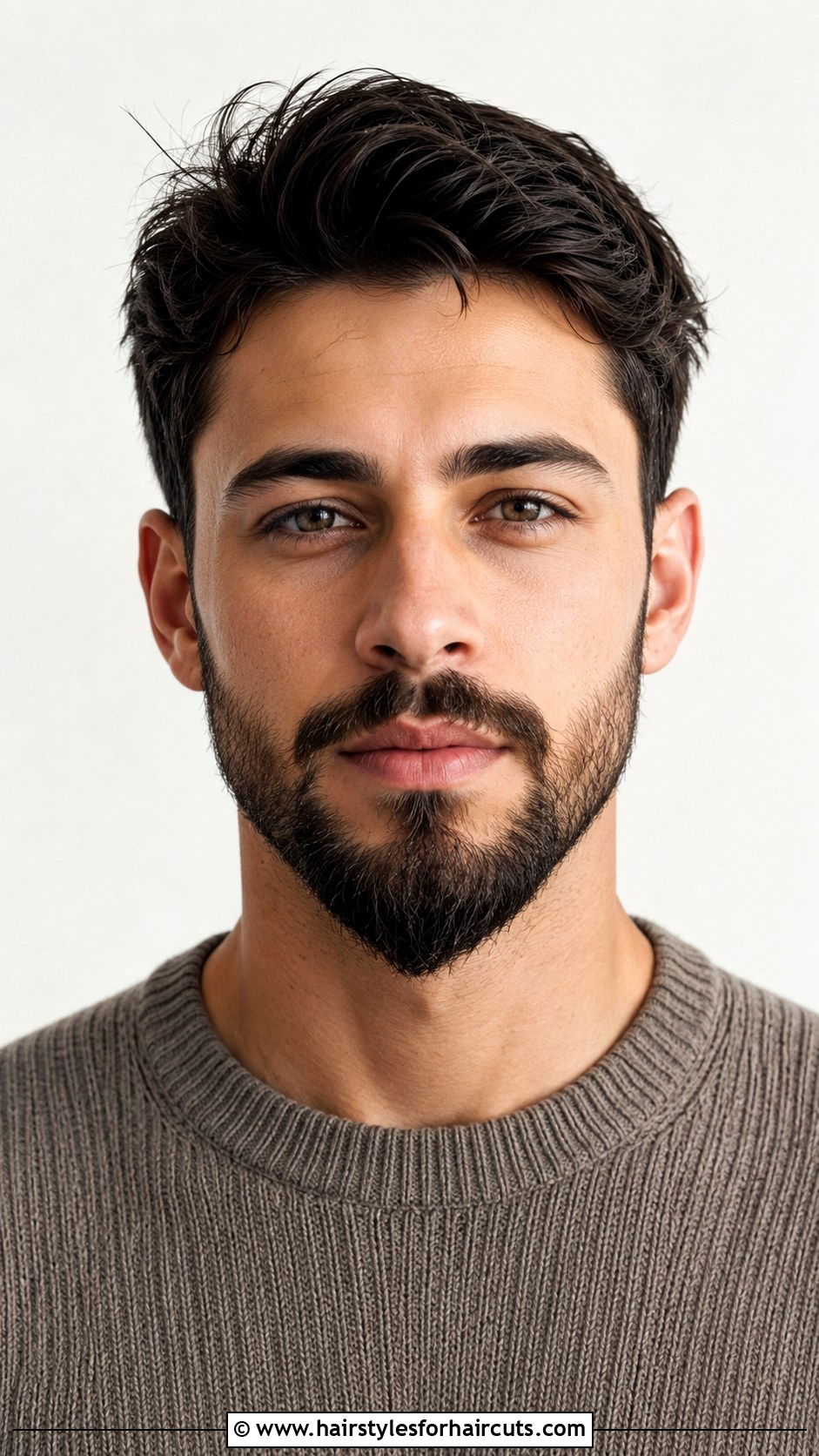
See the distinct shape pointing down from the chin. The spade beard resembles the tool used for digging in the garden. It features a full beard on the chin and jawline that narrows and rounds off at the bottom, mimicking the point of a spade. The cheeks are shaved clean, and a mustache may or may not accompany the look. This style was a highly common sight among craftsmen and tradesmen of the nineteenth century. It provided a neat, manageable way to wear a beard without excessive bulk. Keeping the rounded point sharp requires careful clipping. It is a practical, historically accurate style that frames the jawline perfectly.
22. Royale Beard
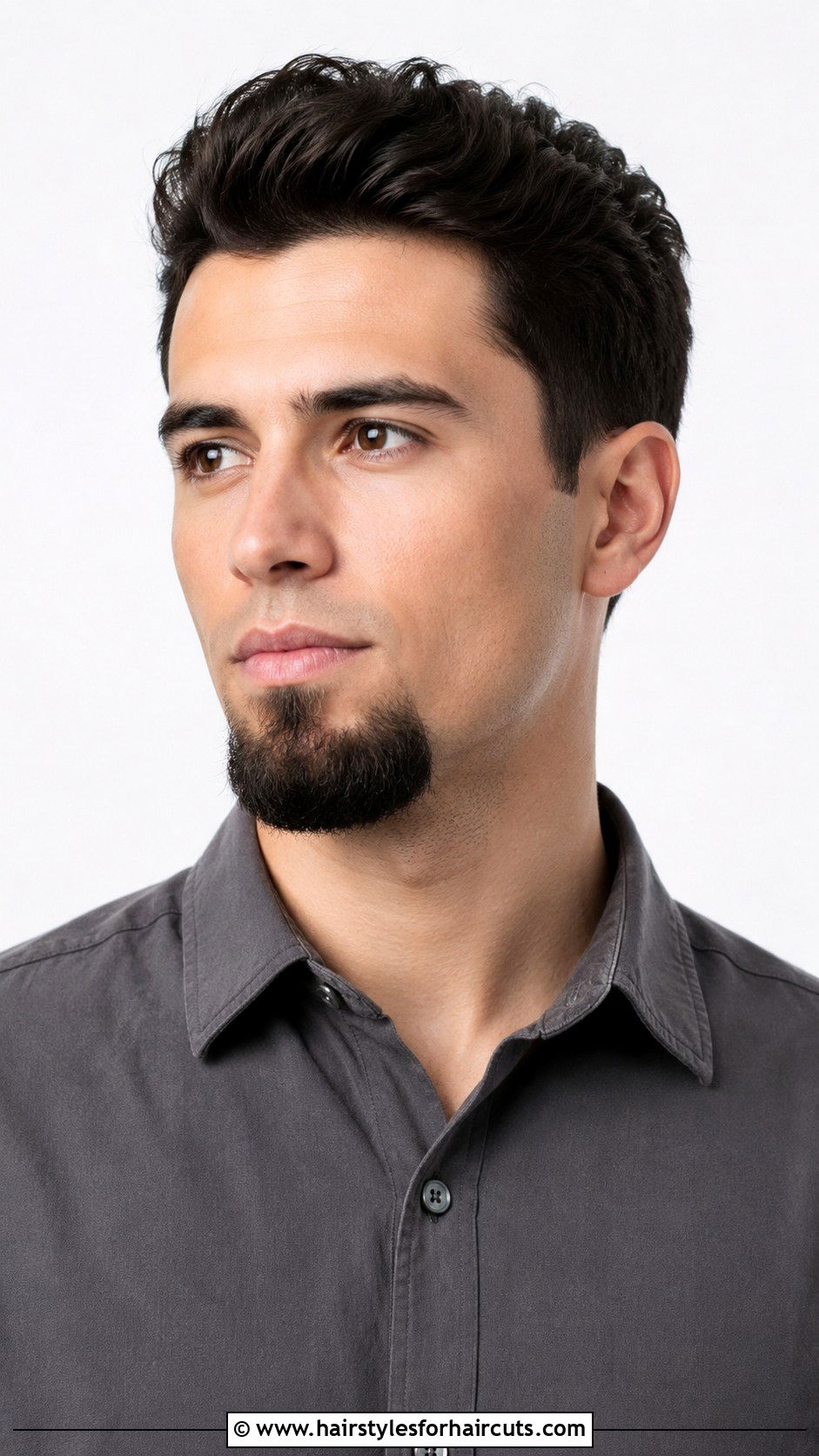
Focus solely on the hair resting on the chin. The royale beard, often called a goatee, focuses exclusively on the hair on the chin. The mustache is completely shaved off, and the cheeks are smooth. This isolated chin puff creates a very specific, deliberate focal point. In the 1800s, it was sometimes seen on younger men or those experimenting with less conventional styles. It carries a slightly rebellious yet refined edge. Maintaining a royale beard means constantly shaving the surrounding areas to keep the chin patch sharply defined. It is a fantastic vintage option for highlighting a strong chin and breaking away from the typical full-beard aesthetic.
23. Dali Mustache
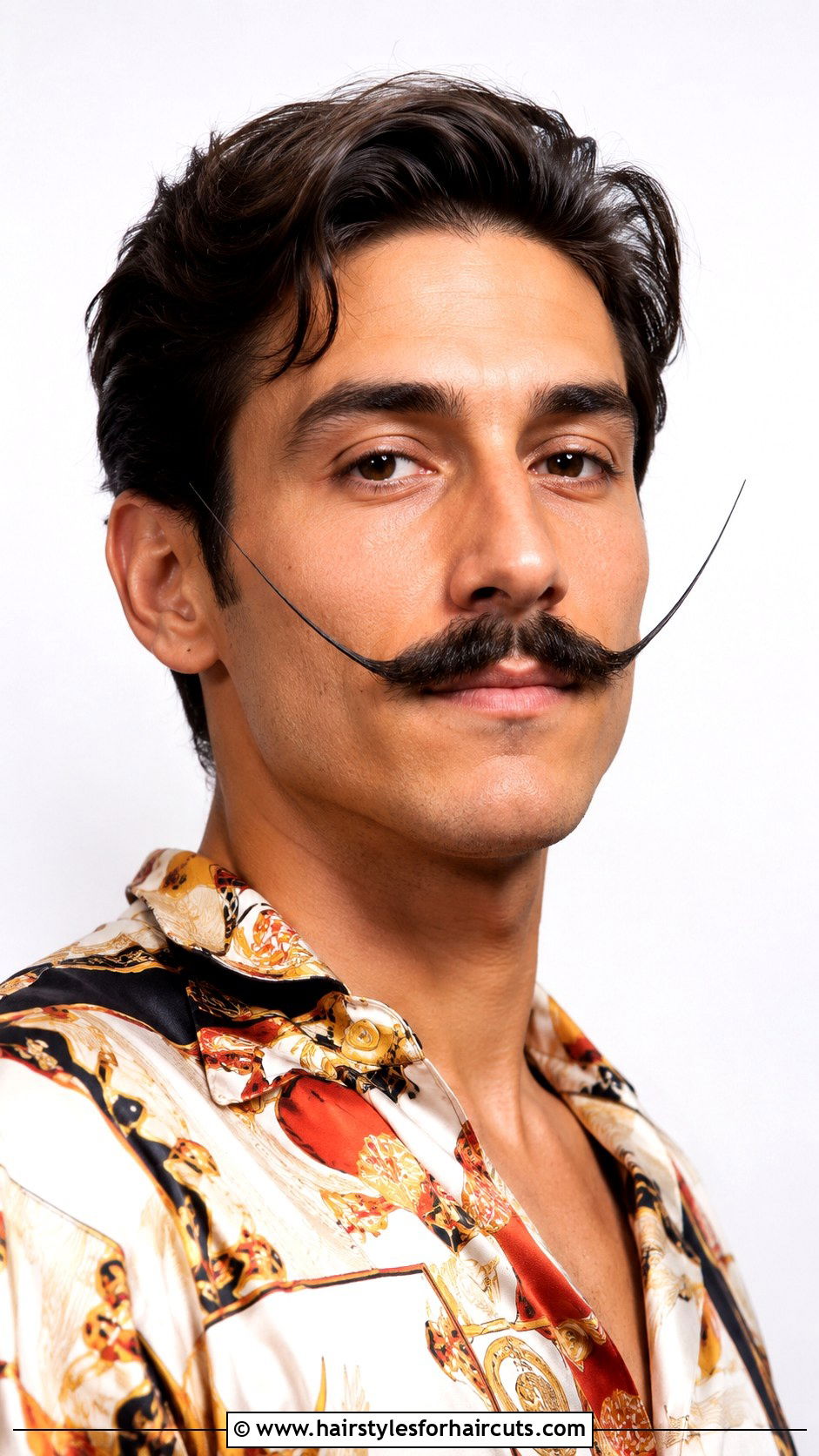
Marvel at the impossibly long, thin points reaching for the sky. The Dali mustache is an eccentric and highly stylized choice. It consists of a very narrow mustache on the upper lip with extremely long, upward-curving ends. While Salvador Dali made it famous in the twentieth century, the roots of this dramatic styling technique trace directly back to the flamboyant men of the 1800s. Keeping those slender points stiff and upright requires a tremendous amount of strong wax. This look is certainly not for the faint of heart. It is perfect for the daring individual who wants a theatrical and unforgettable vintage facial hair statement.
24. Shenandoah Beard

Feel the weight of a truly massive, cascading chin mane. The Shenandoah beard is a variation of the chin curtain, but with much more length and volume. It features long hair growing only along the jawline and chin, completely bypassing the cheeks and upper lip. This creates a heavy, distinctive frame that emphasizes the lower face. It was often worn by older, distinguished gentlemen in the late nineteenth century. The length required serious commitment and regular washing to keep it looking healthy rather than scraggly. The Shenandoah beard remains a powerful nod to the robust, unfiltered masculinity of the American frontier and the Victorian era.
25. Friendly Mutton Chops
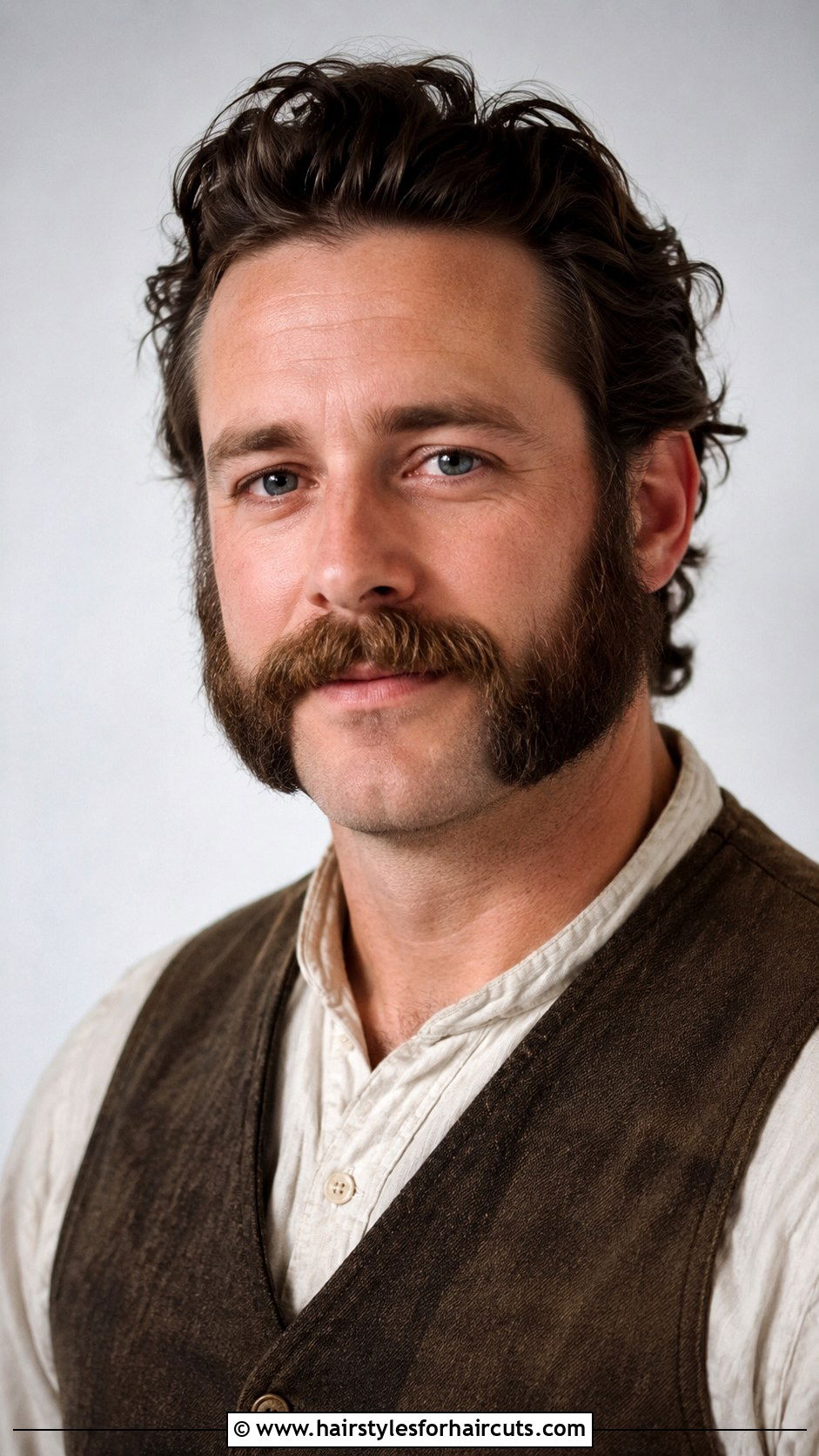
Encounter the joyous connection of sideburns and mustache. Friendly mutton chops take the standard mutton chops whiskers and add a crucial twist. The thick sideburns growing down the cheeks connect directly to a full mustache on the upper lip. However, the chin is left entirely bare. This creates a continuous band of hair that wraps around the lower portion of the face. It was a remarkably popular style in the late 1800s, offering a robust and hearty appearance. The friendly mutton chops project warmth and approachability combined with rugged strength. Keeping the chin clean-shaven is essential to maintain the distinct, welcoming shape of this historic look.
Conclusion:
The nineteenth century was truly an unmatched era for men’s facial hair. From the sweeping elegance of the imperial mustache to the rugged freedom of the Garibaldi full beard, these styles defined a generation. Exploring these 25 1800s facial hairstyles reveals a deep appreciation for craftsmanship and personal expression. Men used their whiskers to convey their status, personality, and values. Today, these iconic looks continue to inspire barbers and style enthusiasts around the world. Whether you want a subtle pencil mustache or bold friendly mutton chops, there is a historical style waiting for you. Embrace the past and let your facial hair make a timeless statement.

Leave a Reply