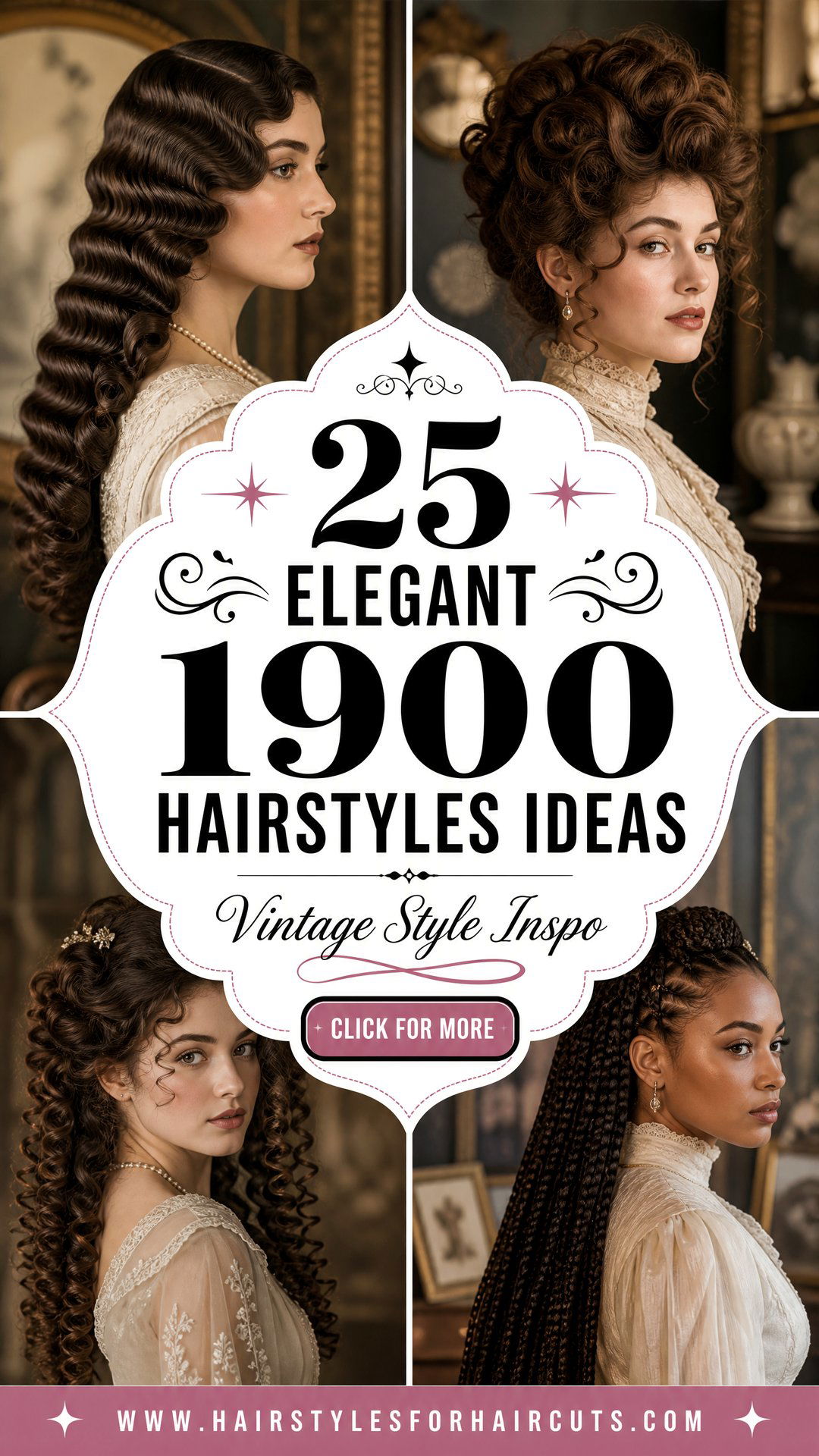
Exploring the evolution of hair over the century is a fascinating journey. When we look at 25 1900 hairstyles, we see how cultural shifts directly influenced what people wore on their heads. From the elegant, towering Gibson Girl updos at the dawn of the century to the sleek flapper bobs of the roaring twenties, hair was a powerful form of self-expression. The mid-century brought glamorous victory rolls and voluminous bouffants, while the later decades exploded with feathered shags, tight perms, and iconic cuts like The Rachel. Whether you are seeking inspiration for a vintage themed event or simply love classic aesthetics, understanding these historical looks provides a deeper appreciation for modern trends. Let us dive into the most iconic looks that defined the twentieth century.
1. Gibson Girl Updo

Have you ever wondered what defined ultimate elegance at the turn of the century? The Gibson Girl updo was the gold standard for women in the early 1900s. Created by illustrator Charles Dana Gibson, this look featured a massive, sweeping pile of hair arranged loosely on top of the head. Women used hair rats or pads to achieve that impressive height and volume. Soft, wispy curls framed the face, offering a romantic and feminine touch. This full hairstyle represented the idealized American woman, projecting both independence and refinement. It required long, thick hair, making it a true symbol of beauty and status during the Edwardian era. You can still see its influence in modern formal updos today.
2. Pompadour Updo
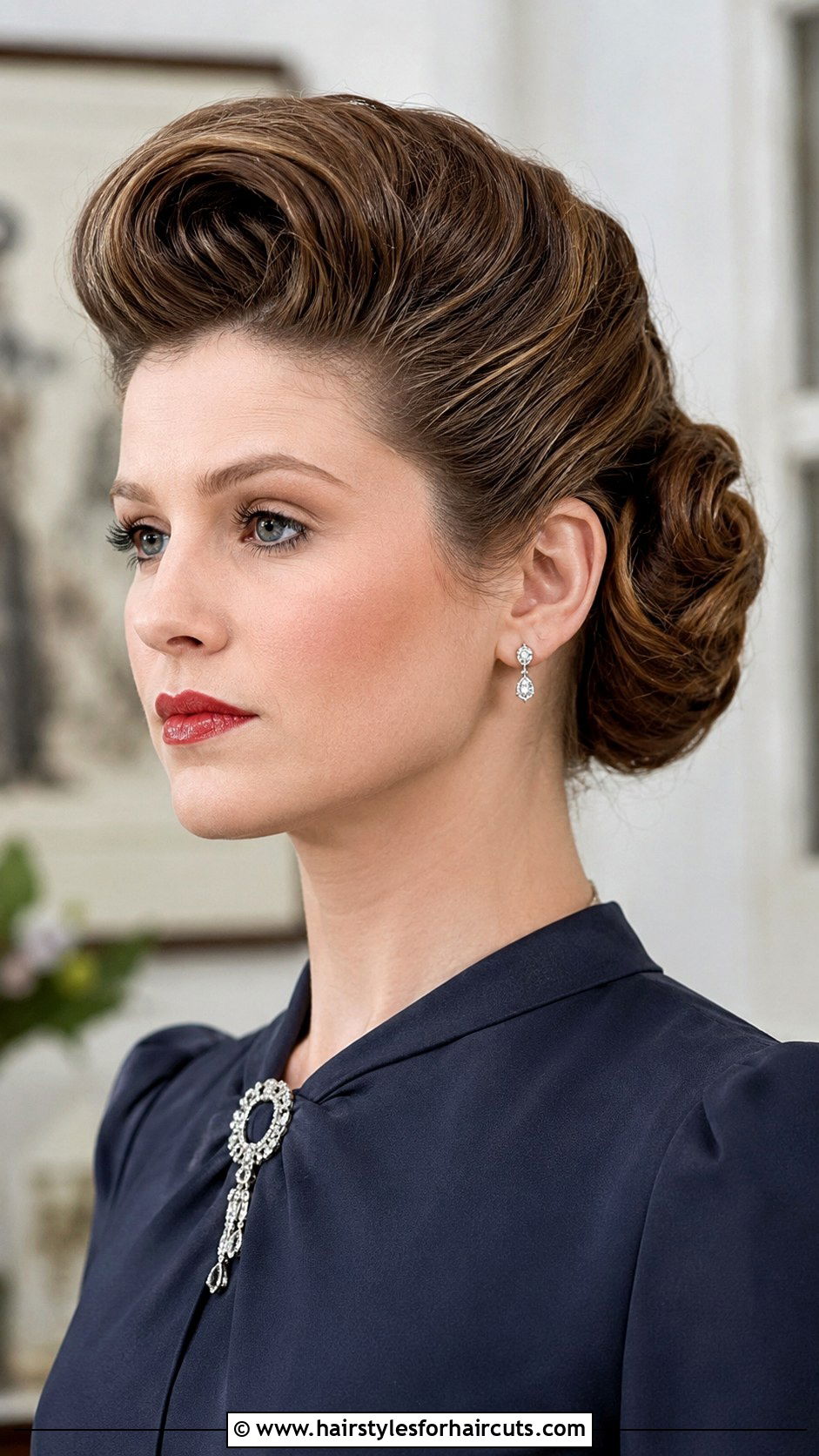
Stepping into the 1910s, volume remained a major focal point for women. The pompadour updo took the concept of height and refined it into a sleeker silhouette. Women would sweep their front hair upward and back over a roll, creating a dramatic wave that sat high on the forehead. The remaining hair was styled into a low bun or chignon at the nape of the neck. This complete look offered a slightly more structured and mature feel compared to the softer Gibson Girl. It was often secured with decorative combs or pins. The pompadour updo exuded confidence and remained popular for evening events, reflecting the shifting fashion of the pre-war era.
3. Flapper Bob
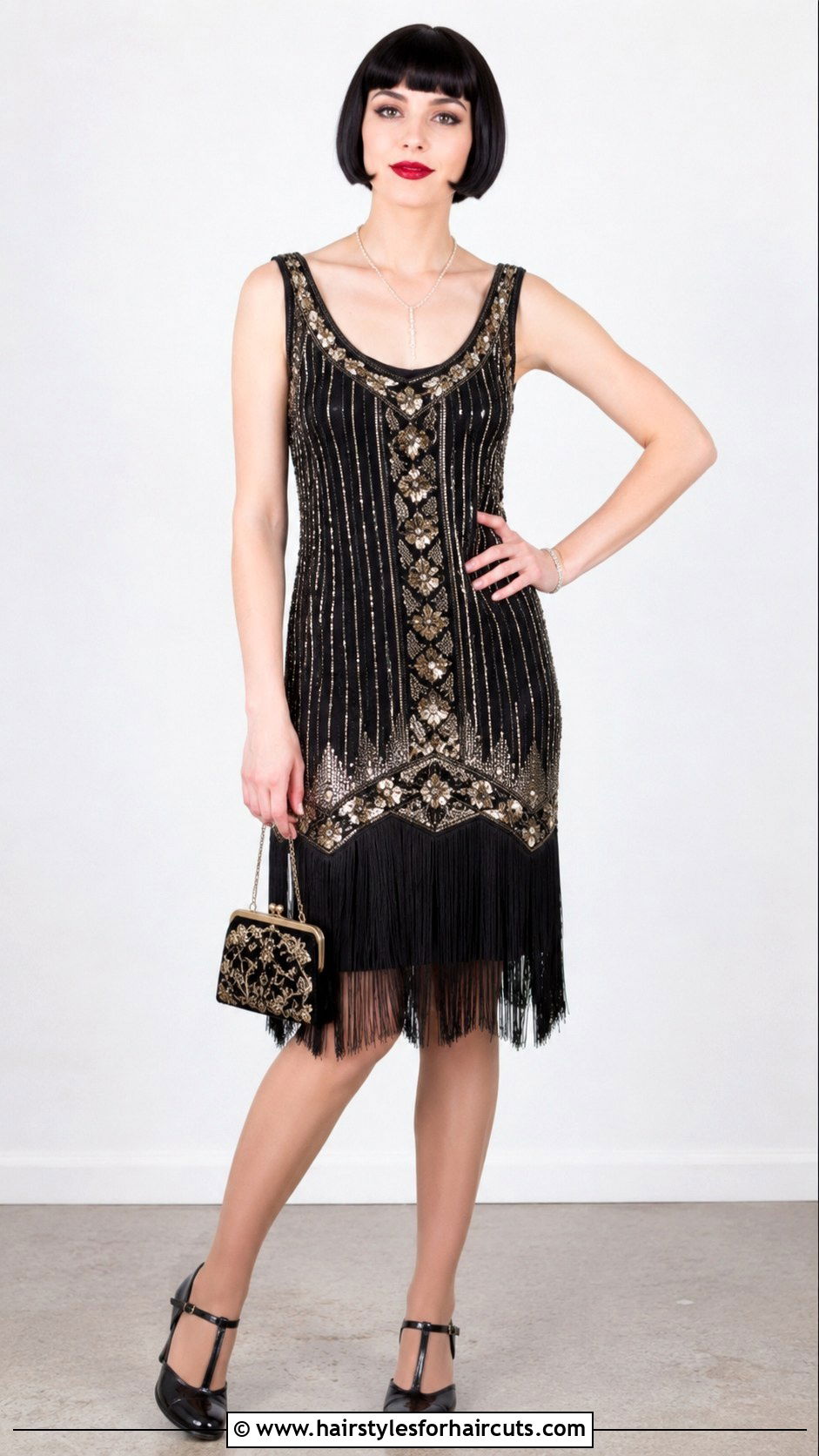
Imagine the shock of walking into a salon in the 1920s and chopping off all your hair. The flapper bob was a revolutionary haircut that defined the roaring twenties. Women abandoned their long locks for this blunt, chin-length cut that symbolized rebellion and newfound freedom. The hair was cut straight around the head, often featuring bangs that fell right at the brow line. This full look was sleek, daring, and incredibly modern for its time. It perfectly complemented the dropped waist dresses and energetic jazz dancing of the era. The flapper bob was not just a haircut; it was a bold cultural statement that forever changed the way society viewed femininity and personal style.
4. Finger Wave Bob

How did women add glamour to their short hair in the 1920s? The finger wave bob was the answer. This iconic style combined the daring length of the flapper bob with sleek, sculpted waves that hugged the scalp. Stylists used their fingers, combs, and setting lotions to mold the hair into a series of flowing, S-shaped curves. The result was a highly polished and shiny finish that sparkled under the lights of a jazz club. Pin curls were often placed at the ends to add a slight flip or softness. This complete look required serious skill to execute, making it a hallmark of high fashion and sophistication throughout the decade.
5. Marcel Wave Long Hair

While short hair dominated the twenties, many women still kept their length and embraced the Marcel wave. This long hair look featured deep, sweeping waves created using a heated curling iron invented by Francois Marcel. Unlike the tight finger waves, the Marcel wave offered a softer, more flowing texture that cascaded down the back and shoulders. Women often pinned one side up to show off the wave pattern while letting the rest fall gracefully. It gave a luxurious and romantic vibe that worked beautifully for evening occasions. The Marcel wave long hair style proved that you did not need to chop your hair off to be part of the modern trend.
6. Platinum Blonde Curly Bob

The 1930s brought a fascination with Hollywood glamour, heavily influenced by stars like Jean Harlow. The platinum blonde curly bob became the ultimate symbol of silver screen allure. This full hairstyle featured a short, chin-length cut that was heavily permed or pin-curled to create tight, bouncy ringlets. The color was bleached to a striking, almost white blonde that caught the camera flash beautifully. The curls framed the face softly, offering a more feminine and approachable vibe than the sleeker twenties bobs. Maintaining this look required rigorous bleaching and careful curling, but women embraced the damage for the sake of high fashion and movie star appeal.
7. Peekaboo Bang Long Hair

Can a simple change in how you part your hair create an iconic look? The peekaboo bang long hair style proved it could. Popularized by actress Veronica Lake in the 1940s, this look featured long, flowing hair parted deeply on one side. A thick, glossy cascade of waves fell over one eye, creating a sultry and mysterious effect. The rest of the hair tumbled down in glamorous, loose waves. This full hairstyle became a massive sensation, inspiring millions of women to copy the sultry drape. However, it was considered so distracting that factory workers were asked to pin their hair back for safety during World War II.
8. Victory Rolls Updo

Nothing captures the spirit of the 1940s quite like the victory rolls updo. This patriotic and glamorous look featured sections of hair rolled up into voluminous tubes and pinned securely on top of the head. The rolls were often styled to frame the face, while the remaining hair was fashioned into a neat bun or tucked under at the back. Women wore this complete style as a tribute to the soldiers fighting overseas, with the shape of the rolls even resembling the letter V. It required plenty of hairspray and pins to keep the height intact all day. The victory rolls updo remains a beloved staple for retro and pin-up enthusiasts today.
9. French Twist Updo

Looking for a sophisticated style that dominated the post-war era? The French twist updo became the gold standard for elegance in the late 1940s and 1950s. This sleek look gathered all the hair to one side and twisted it upward against the back of the head. The ends were tucked inside the twist, creating a seamless and seamless vertical roll. It offered a clean, polished silhouette that was perfect for formal occasions and working women alike. The French twist kept hair out of the face while highlighting the neck and shoulders beautifully. It remains a timeless and classic choice for anyone wanting a refined, graceful appearance without complex braiding or excessive accessories.
10. Poodle Cut
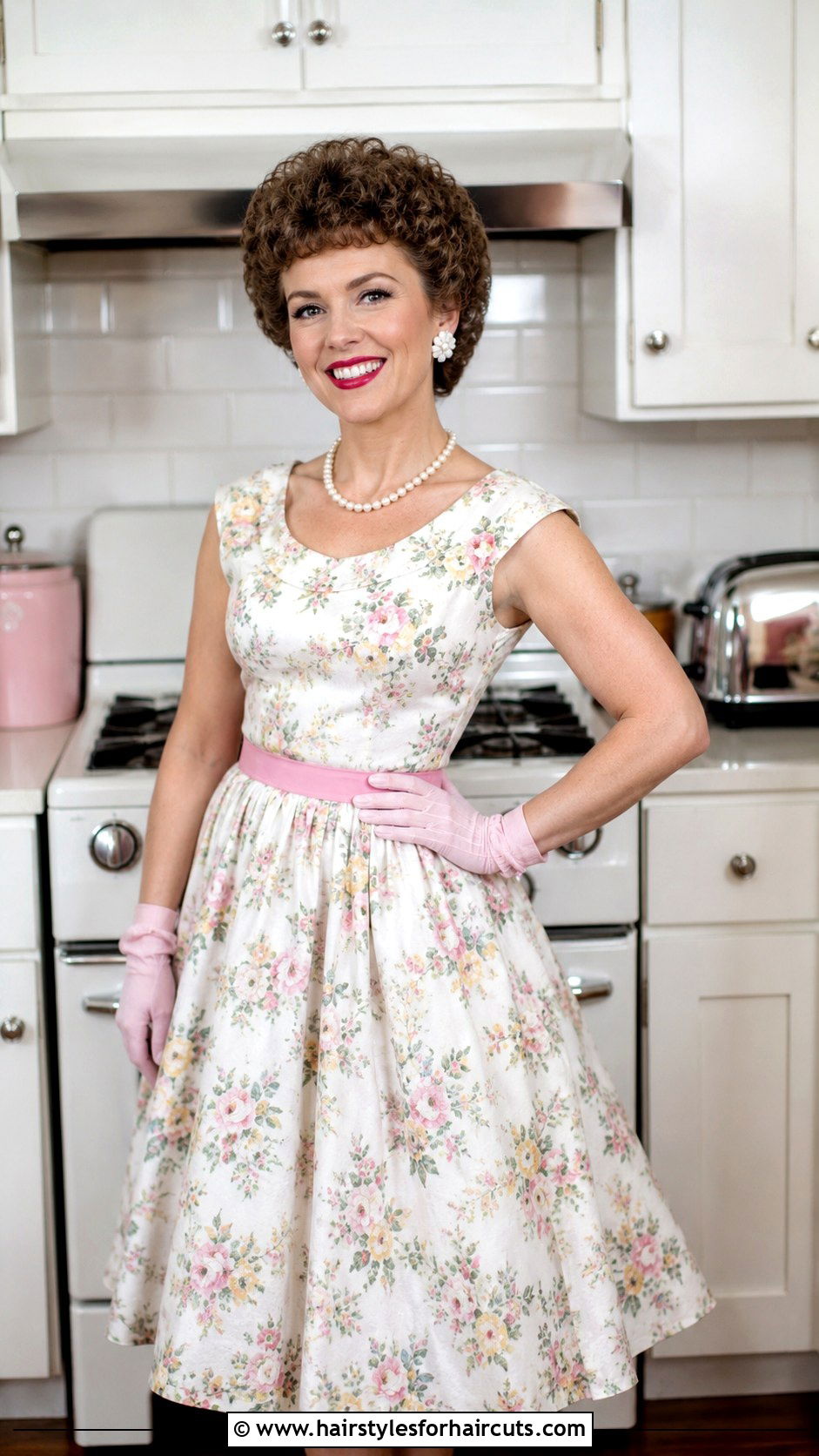
What happens when you want curls that look perfectly manicured? The poodle cut emerged in the 1950s as a tight, all-over curly hairstyle that exuded playful sophistication. Popularized by celebrities like Lucille Ball, this full look featured a short, layered cut with tight, uniform curls covering the entire head. The hair was permed to achieve that signature springy texture, and the top was often left slightly fuller to add height. It framed the face with a soft, bouncy halo of curls that moved effortlessly. The poodle cut was fun, vibrant, and surprisingly easy to maintain with the right perm. It perfectly captured the optimistic and energetic mood of the fifties housewife.
11. Bouffant Updo

Big hair was officially in by the time the 1960s arrived. The bouffant updo was all about volume, height, and making a grand entrance. First Lady Jackie Kennedy made this look famous, sporting a perfectly rounded, elevated dome of hair. Women achieved this impressive height by backcombing the hair at the roots and smoothing the top layer over the teased sections. The ends were usually flipped outward or curled under in a bubble shape. This full hairstyle required an entire can of hairspray to hold its shape against gravity. The bouffant updo signaled a shift towards more dramatic and structured hair that would only get bigger as the decade progressed.
12. Beehive Updo

Just when you thought hair could not get any bigger, the beehive updo arrived. Created in the early 1960s, this towering hairstyle took the concept of backcombing to new, literal heights. The hair was heavily teased and gathered up into a massive cone or dome shape on top of the head, resembling an actual beehive. Long bangs were often swept to the side, and the entire structure was shellacked with hairspray to make it windproof. The beehive updo was a bold, statement-making look that required patience and strong arms to construct. It became a defining symbol of the decade and enjoyed a major revival in later retro movements.
13. Pixie Cut
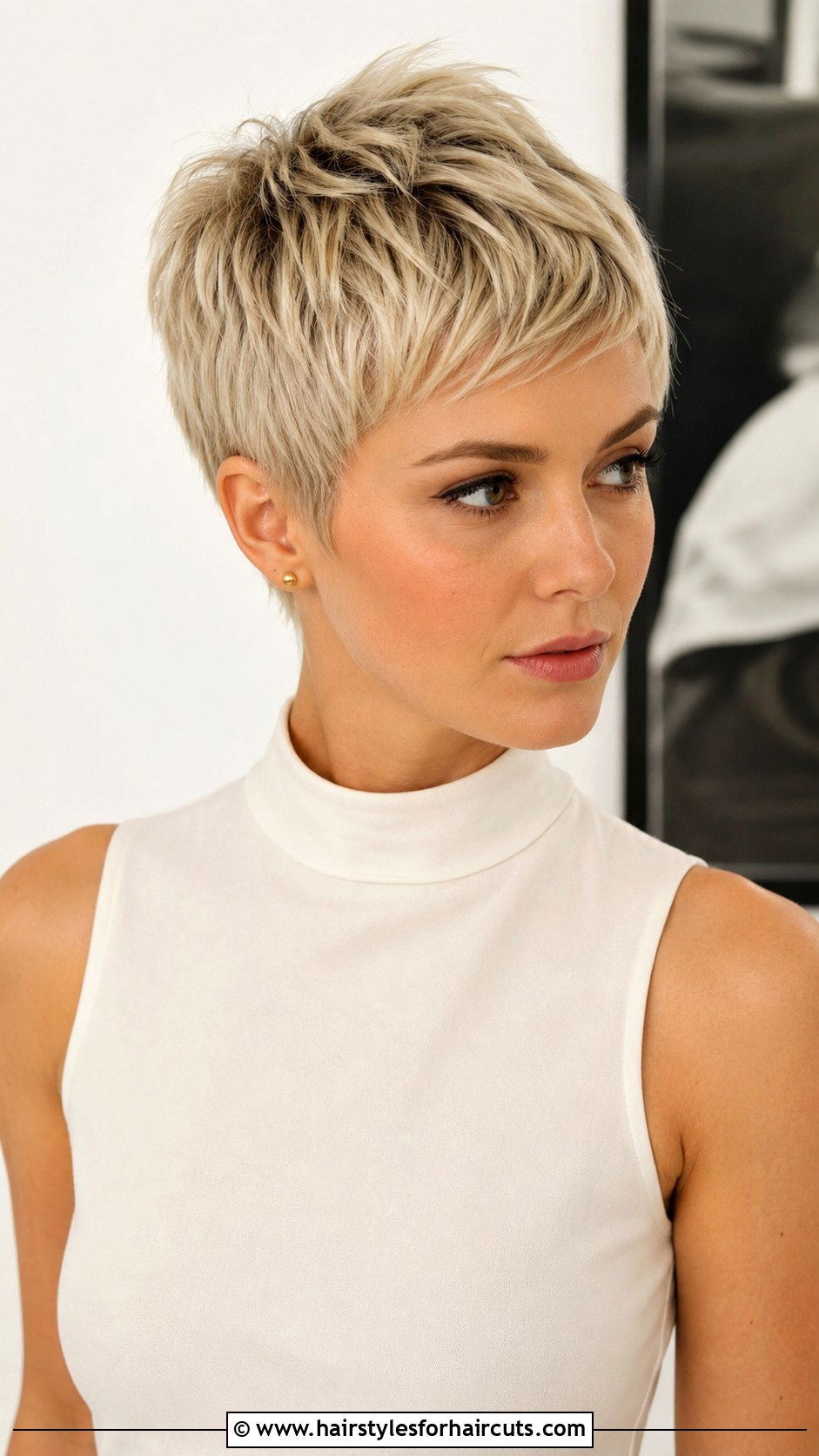
Could a haircut cause a national sensation? The pixie cut did exactly that when actress Audrey Hepburn debuted it in the 1953 film Roman Holiday. However, it was Mia Farrow and Vidal Sassoon who propelled the extreme pixie into the mainstream in the late 1960s. This full haircut featured cropped layers all over the head, with slightly longer pieces on top to create texture. It exposed the neck, cheekbones, and eyes in a way that longer hair never could. The pixie cut was a radical departure from the voluminous styles of the early sixties. It offered a boyish charm that felt incredibly modern, freeing women from hours of curling and teasing.
14. Feathered Shag Haircut
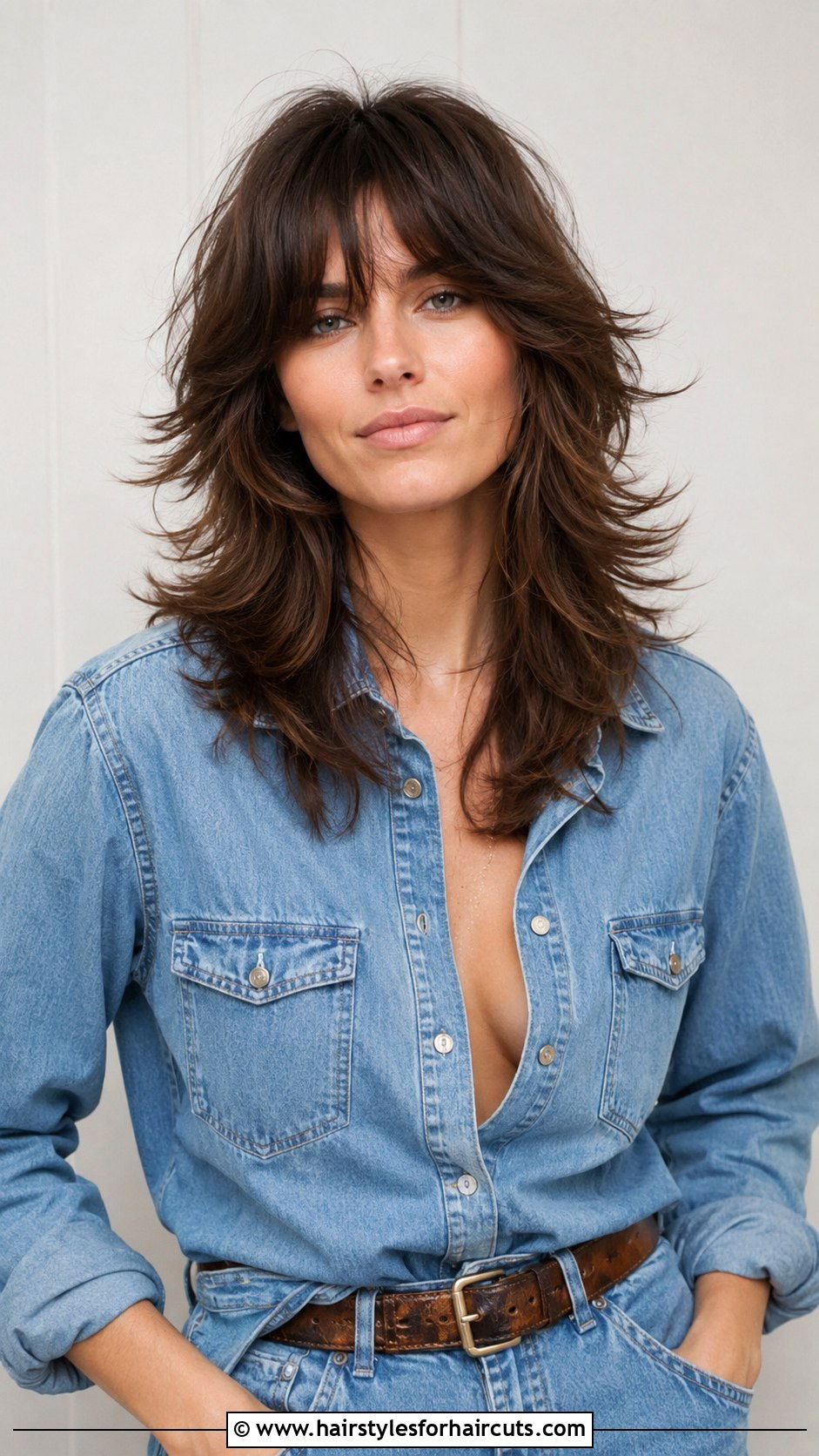
Who could forget the shimmering, bouncing hair of the 1970s? The feathered shag haircut became a global phenomenon thanks to Farrah Fawcett and her iconic red swimsuit poster. This full look featured layers cut heavily around the face and flipped outward using a round brush and blow dryer. The back was cut into a shaggy, textured mullet shape that added incredible movement. The feathered bangs swept beautifully across the forehead, framing the eyes perfectly. This style required a round brush and some serious blow-drying skills to achieve that perfect feathered flip. It remains one of the most recognizable and celebrated hairstyles of the entire twentieth century.
15. Disco Curly Afro

The 1970s embraced natural texture in a powerful way with the disco curly afro. This full, rounded hairstyle celebrated Black beauty and natural hair on an unprecedented scale. Worn by icons like Donna Summer, the afro was shaped into a perfect sphere that surrounded the head. The hair was picked out to maximize volume and symmetry, creating a majestic crown that demanded attention on the dance floor. The disco curly afro was not just a fashion statement; it was a profound cultural symbol of pride, empowerment, and heritage. It allowed people to embrace their natural texture boldly while looking incredibly glamorous under the flashing lights of the disco.
16. Wedge Haircut

Precision cutting reached new heights with the wedge haircut. Ice skater Dorothy Hamill popularized this sleek, geometric style during the 1976 Winter Olympics. This full haircut featured steeply angled layers that curved upward at the nape of the neck, creating a wedge shape. The top and sides were cut shorter and blended seamlessly into the longer back. It offered a clean, athletic look that moved beautifully and never fell into the eyes. The wedge haircut required perfectly straight hair to maintain the sharp lines and sculptural shape. Women loved it because it was easy to wash and wear, needing only a quick blow-dry to fall right back into place.
17. Pageboy Cut

Sleekness and shine were the hallmarks of the pageboy cut, a look that transitioned smoothly from the 1950s into the 1970s. This full hairstyle featured hair that was cut to one length just below the chin, with the ends curled under dramatically. The top was kept perfectly smooth and flat, leading into a heavy, curved fringe that framed the face. Unlike the bouncy layers of the shag, the pageboy was all about polished uniformity and smooth lines. It looked incredibly glossy and healthy, often enhanced by rich brunette dyes. The pageboy cut offered a neat, preppy appearance that worked beautifully for both casual outings and more formal settings.
18. Voluminous Perm Haircut

The 1980s were all about excess, and hair was no exception. The voluminous perm haircut defined the decade with its massive, cascading curls and insane body. Women with naturally straight hair spent hours in salon chairs getting their hair tightly rolled and chemically treated. The result was a full, halo-like cloud of tight curls that expanded outward. The haircut usually featured short to medium layers to maximize the lift at the roots. This style moved away from sleekness entirely, embracing frizz and maximum volume instead. The voluminous perm haircut was the ultimate power look, signaling confidence and a willingness to take up space in a loud, unapologetic world.
19. Mullet Haircut

Business in the front, party in the back. The mullet haircut became a cultural touchstone in the 1980s, worn by everyone from rock stars to everyday folks. This full look featured short, often spiked or feathered hair on the top and sides, contrasting sharply with long hair down the back. The drastic length difference was the defining characteristic, creating a rebellious and unconventional silhouette. While often mocked in later years, the mullet was genuinely beloved during its peak. It was low maintenance and gave the illusion of short hair while still allowing the wearer to keep a ponytail. The mullet haircut embodied the wild, rule-breaking spirit of the era perfectly.
20. Spiral Perm Long Hair

Long hair got the perm treatment too, resulting in the iconic spiral perm long hair look. Unlike the tight, voluminous perms of the early eighties, the spiral perm featured longer, corkscrew curls that cascaded down the back. Stylists rolled the hair vertically instead of horizontally to create these distinct, bouncy ringlets. This full hairstyle gave the illusion of incredibly thick, luxurious hair that bounced with every step. It was heavily popularized by pop stars and teens who wanted that ultimate romantic yet edgy vibe. Maintaining this look required gallons of mousse and scrunching techniques to keep the spirals defined and free from frizz throughout the day.
21. Crimped Half Updo

Have you ever added texture just for the fun of it? The crimped half updo was a staple at school dances and malls in the late 1980s and early 1990s. This look involved using a crimping iron to press tight, zigzag waves into the hair. The top half of the hair was pulled back and secured with a large scrunchie or butterfly clip, while the crimped bottom half flowed freely. Sometimes a few sections were left uncrimped for a contrasting texture. The crimped half updo was playful, youthful, and completely unconventional. It added instant volume and a quirky edge to any outfit, making it a favorite among teenagers experimenting with their look.
22. The Rachel Haircut
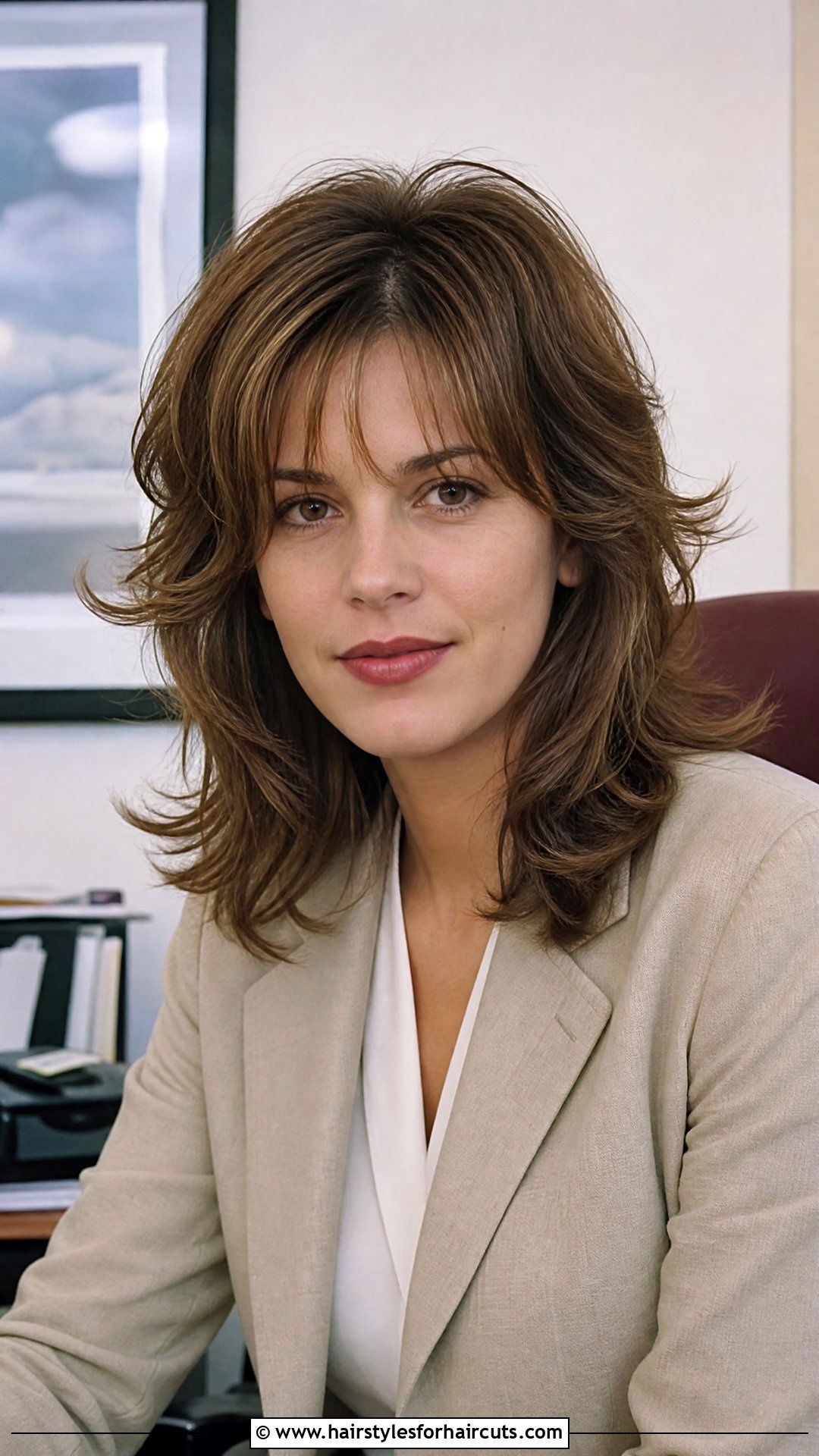
Very few haircuts have caused as much hysteria as The Rachel haircut. When Jennifer Aniston debuted this layered look on the television show Friends in 1994, salons were flooded with requests. This full hairstyle was a modern take on the shag, featuring face-framing layers, choppy ends, and incredible volume at the crown. The hair was flipped out slightly and enhanced with golden highlights for a sunny, California vibe. It was bouncy, textured, and looked effortlessly cool. The Rachel haircut defined the mid-nineties aesthetic and proved that a well-crafted layered cut could become a global phenomenon, even though the actress herself reportedly found the style difficult to manage.
23. Box Braids Long Hair

The 1990s saw a beautiful resurgence and mainstream celebration of protective styling, with box braids long hair taking center stage. Popularized heavily by Janet Jackson in the film Poetic Justice, this look featured medium to thick braids that fell all the way down the back. The braids were created by sectioning the hair into squares and adding synthetic hair for length and thickness. This full hairstyle was not only gorgeous but also highly practical, protecting natural hair from daily manipulation and damage. Box braids long hair could be worn loose, pulled up, or styled into intricate updos, offering incredible versatility. It remains a timeless and culturally significant look that transcends trends.
24. Grunge Medium Haircut

What happens when you stop caring about perfectly styled hair? The grunge medium haircut emerged in the 1990s as the ultimate anti-fashion statement. Inspired by musicians like Kurt Cobain, this look featured a messy, lived-in texture that rejected the excessive styling of the previous decade. The hair was cut to the shoulders or collarbone, often with uneven, choppy layers. Bangs were left shaggy and slightly overgrown, falling into the eyes effortlessly. This full hairstyle embraced natural oils, frizz, and a general lack of maintenance. The grunge medium haircut represented a cultural shift towards authenticity and rebellion, proving that sometimes the best style comes from simply waking up and walking out the door.
25. Spiky Pixie Cut
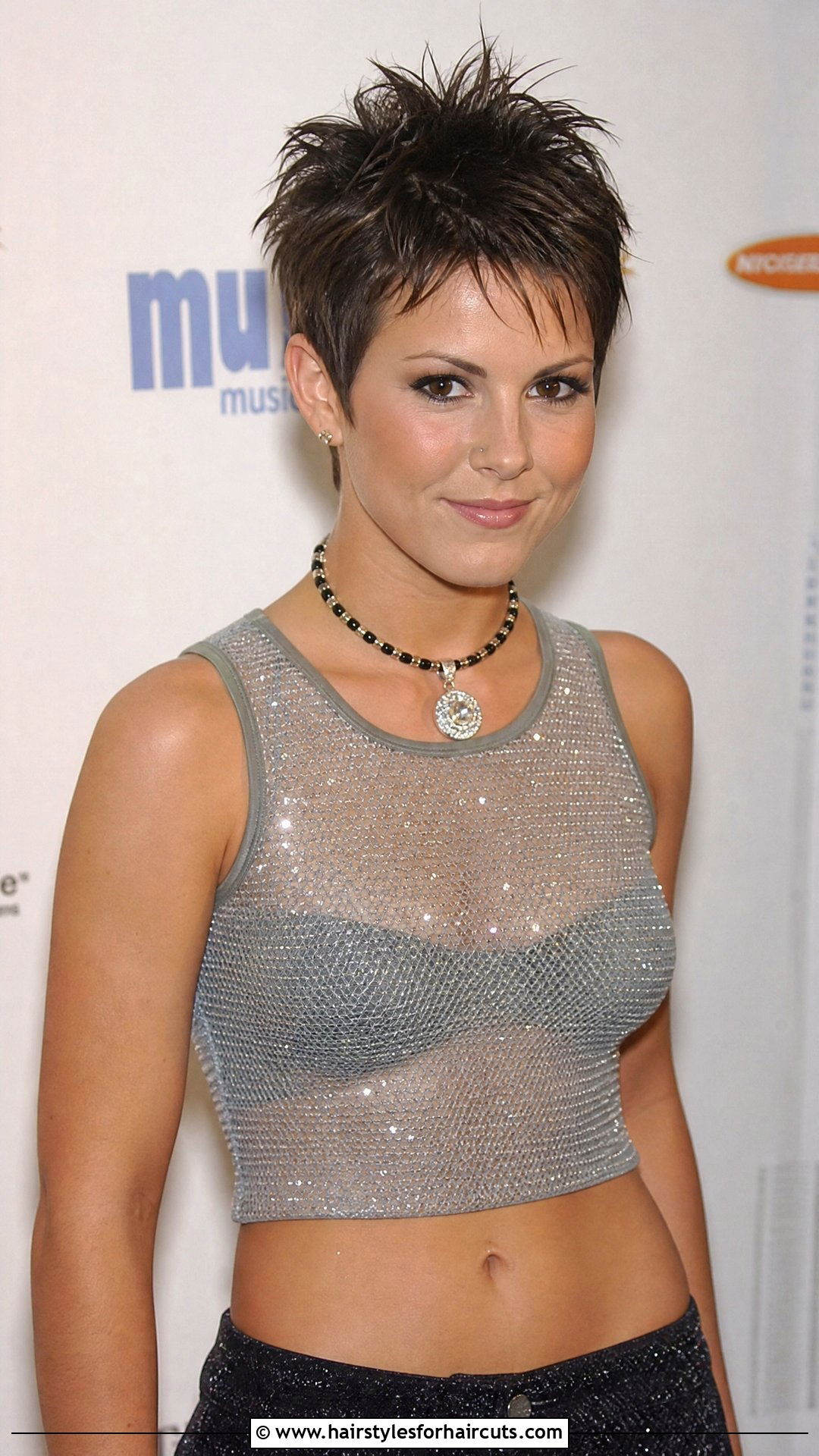
Closing out the century, the spiky pixie cut brought a punch of edgy attitude to the late 1990s. This full hairstyle took the classic pixie and amplified it with heavy texture and height on top. The sides and back were clipper cut short, while the top was left longer and styled upwards using strong gel or pomade. The spikes were often piecey and random, breaking away from the sleek bobs of the early nineties. The spiky pixie cut was favored by pop stars and trendsetters who wanted a low-maintenance but highly striking look. It projected confidence and a fierce, independent spirit that perfectly closed out the twentieth century.
Conclusion:
Reviewing these 25 1900 hairstyles reveals a fascinating timeline of cultural shifts and changing beauty standards. From the elegant Gibson Girl updos of the early century to the rebellious flapper bobs and the voluminous perms of the 1980s, hair has always been a powerful tool for self-expression. Each full hairstyle reflects the social mood of its era, whether it was the patriotic victory rolls of the forties or the carefree grunge cuts of the nineties. By looking back at these iconic looks, we gain a deeper appreciation for the artistry and history behind modern hair trends. The twentieth century truly set the foundation for the diverse and creative styles we enjoy today.

Leave a Reply