The year 1969 was a pivotal moment for fashion and beauty, marking a distinct shift in how women expressed themselves through their hair. From the free-spirited festivals to the high-fashion runways, the era embraced both rebellious natural textures and meticulously sculpted shapes. Exploring 25 1969 hairstyles reveals a fascinating contrast between the sleek, geometric bobs pioneered by Vidal Sassoon and the flowing, untouched waves of the counterculture movement. Women were stepping away from rigid salon sets, opting instead for looks that offered movement and personal freedom. Whether you love the drama of a towering bouffant or the simplicity of a middle part, these iconic vintage looks still inspire modern trends today. Let us take a closer look at the unforgettable cuts, shapes, and textures that defined this unforgettable year in hair history.

1. 1969 Pixie Cut
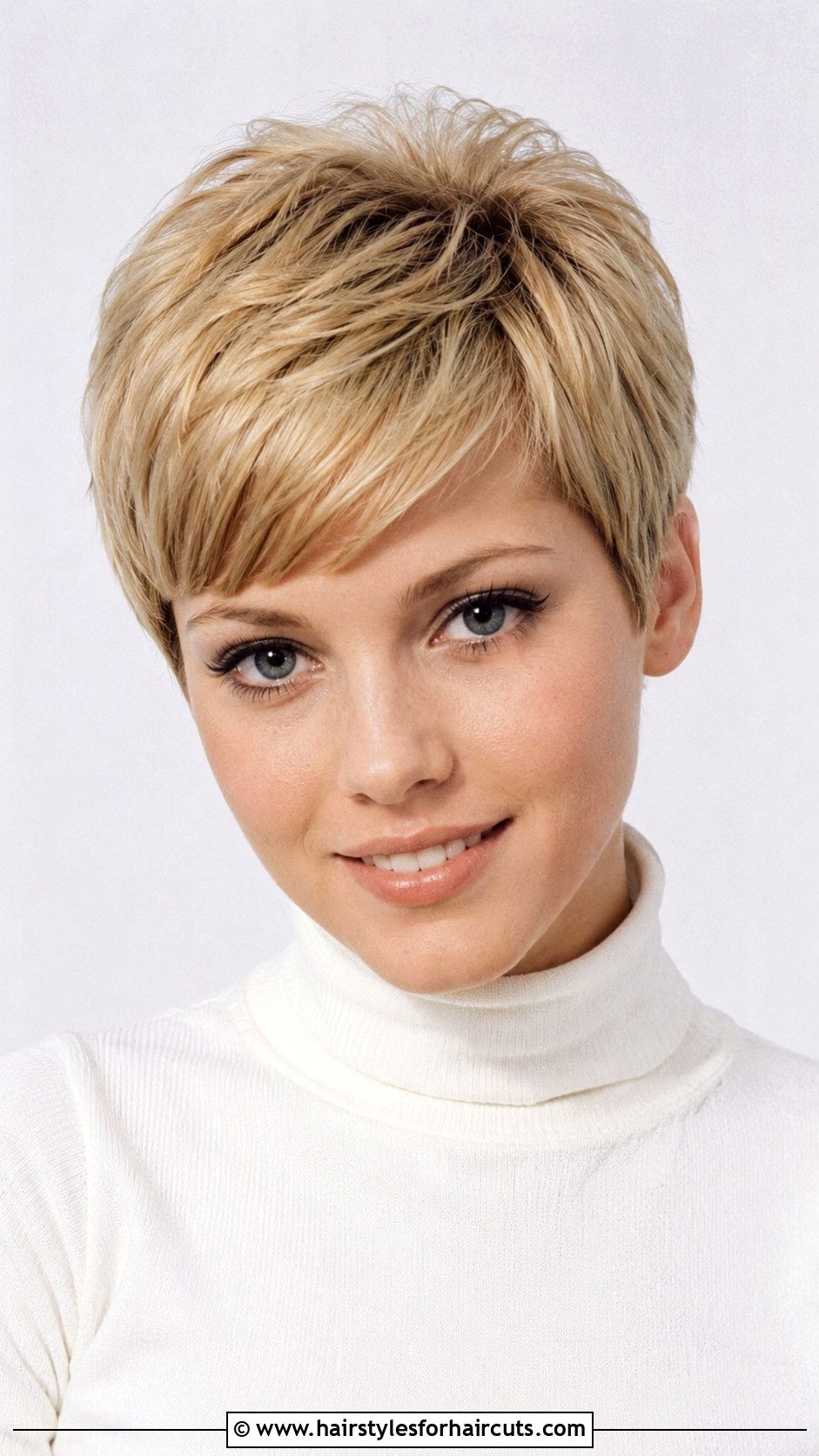
Have you ever wondered how the short hair revolution truly started? The 1969 pixie cut was a massive departure from the big, teased hair of the earlier decade. Popularized by actresses like Mia Farrow and Jean Seberg, this ultra-short look emphasized delicate facial features and offered a youthful, boyish charm. Women loved how low-maintenance it was compared to weekly salon roller sets. The cut typically featured longer layers on top with closely cropped sides and back, often worn with a bit of texture or a side-swept fringe. It was a bold statement of independence and modern thinking. Today, this retro short style remains a timeless choice for anyone wanting a fresh, liberating change that frames the face beautifully.
2. Long Straight Hippie Hair
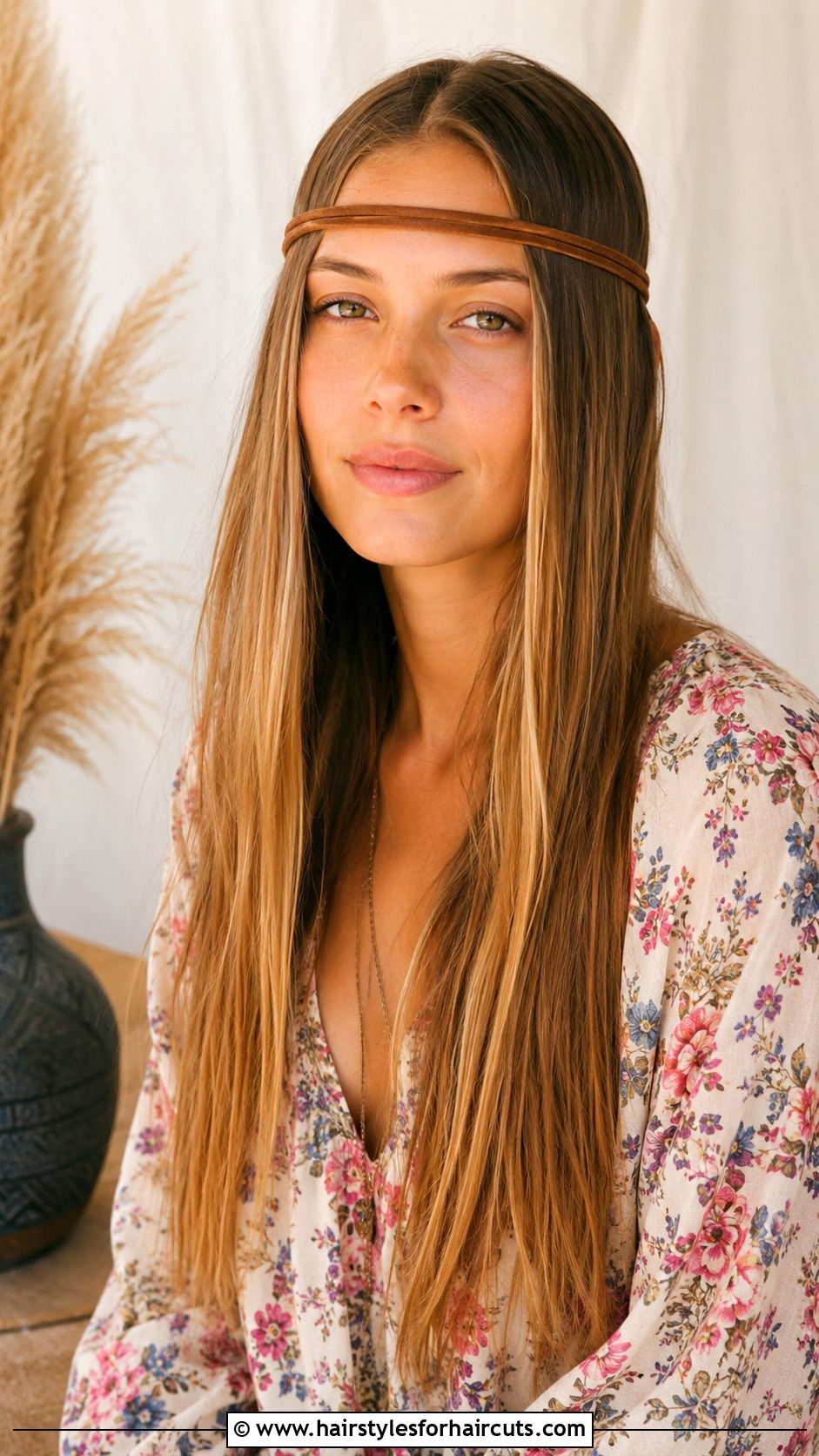
Imagine walking through a sun-drenched field at Woodstock, feeling the breeze in your hair. Long straight hippie hair was the ultimate symbol of the 1969 counterculture. Moving away from chemical treatments and heavy hairspray, women embraced their natural texture, letting their hair grow long and flow freely. A simple middle part was the standard, often accessorized with a thin leather headband or a floral crown. This look was all about peace, love, and rejecting mainstream beauty standards. To get this style today, you can use a flat iron for a sleek finish or let your natural air-dried texture shine. It remains a beautiful, effortless look that captures the true spirit and freedom of the late sixties era perfectly.
3. 1969 Bob Haircut

What makes a haircut remain effortlessly chic across different decades? The 1969 bob haircut was all about clean lines and sharp geometry. Vidal Sassoon revolutionized this look, removing the need for excessive backcombing and instead relying on the precision of the cut to hold its shape. This bob fell right at the jawline, framing the face with a beautiful, glossy curve that turned under perfectly. It was a wash-and-wear dream for busy women who wanted to look polished without spending hours styling. The look felt incredibly modern and architectural, standing out against the softer, messier trends of the time. It remains a fantastic option for a sleek, sophisticated appearance that never goes out of style.
4. Flipped Out Bob
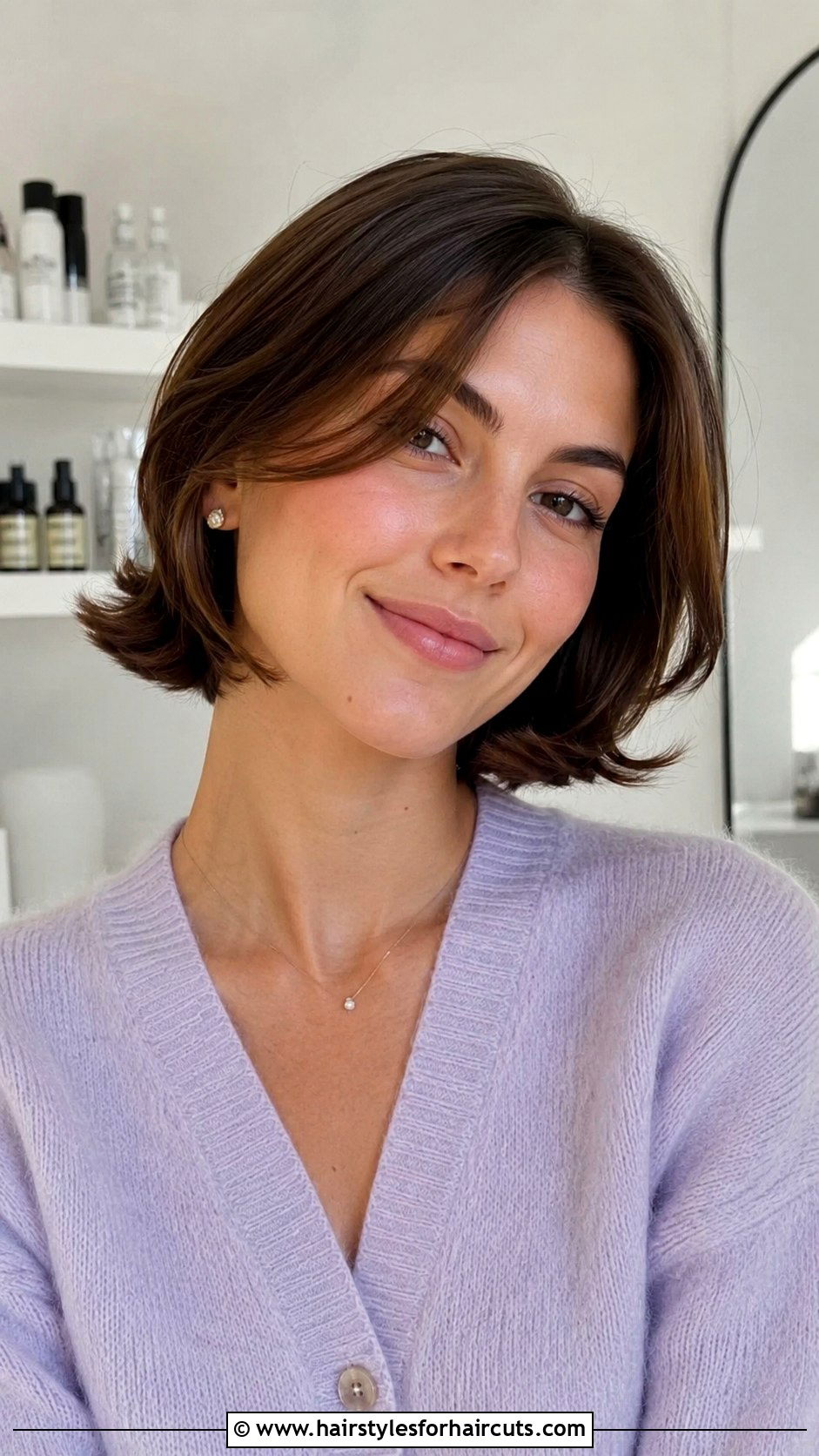
Do you remember the playful bounce of late-sixties television stars? The flipped out bob was a perky, energetic look that defined 1969 suburban style. Falling right around the chin, this cut featured ends that flipped upward and outward, creating a lively, bouncy silhouette. Women achieved this flip using large rollers or a round brush and a blow dryer, giving the hair noticeable movement. It was often paired with a side part and a bit of volume at the crown. This style felt approachable and fun, making it a staple for everyday wear. If you want a vintage look with a cheerful vibe, this flippy bob brings a touch of retro joy to your daily routine.
5. The Pageboy Haircut
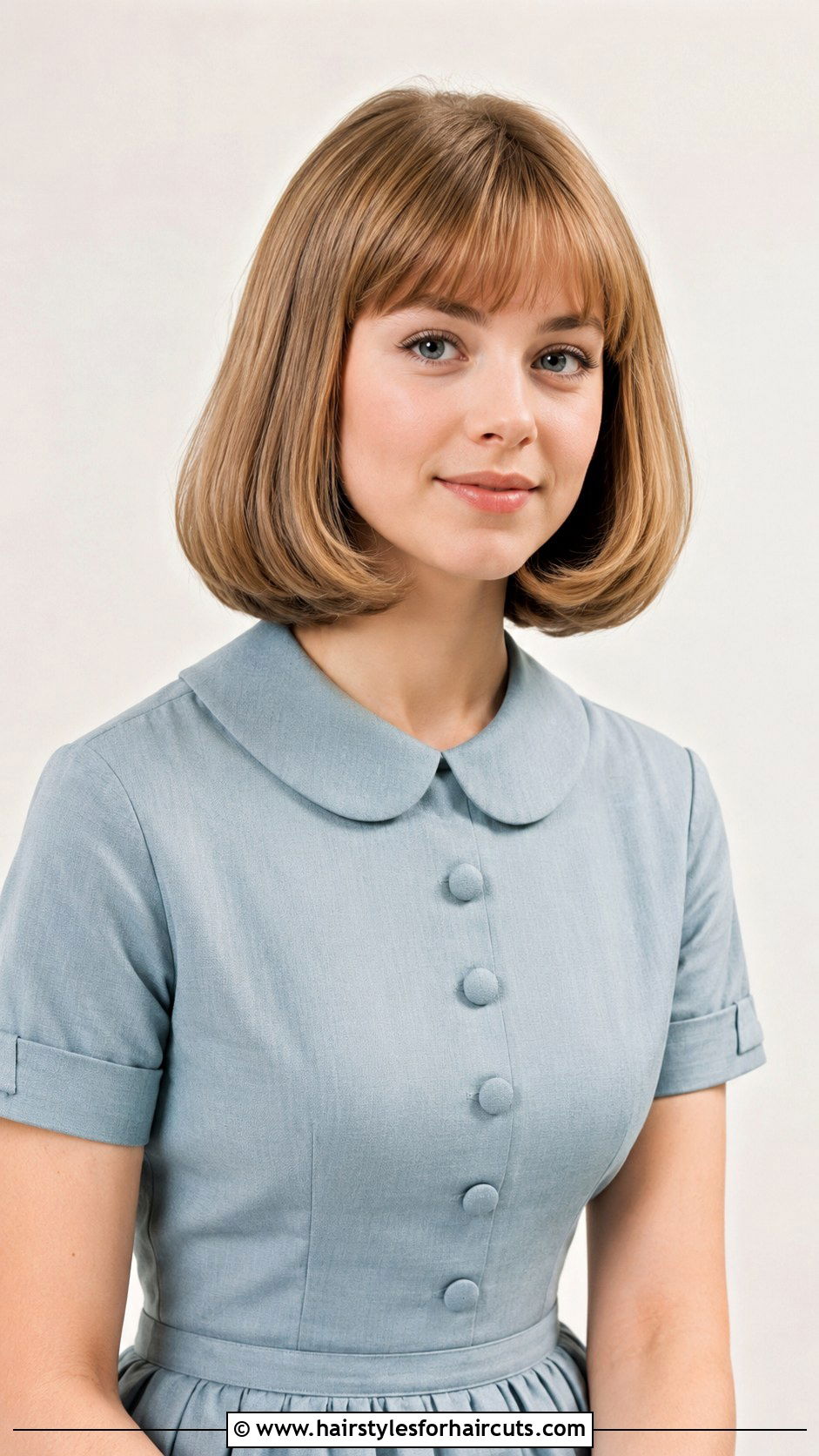
Could there be a more elegant retro style than the pageboy? The pageboy haircut was a sophisticated choice in 1969, characterized by its smooth, rolled ends that curved inward toward the neck. Typically worn at shoulder length, this look required a bit of weight at the bottom to hold its signature shape. Women would use large rollers to ensure the ends curled perfectly under, creating a polished, seamless line. It offered a softer alternative to the sharp geometric bobs of the era while still maintaining a structured, neat appearance. This style worked beautifully for straight hair, providing a glossy, uniform finish. It remains a stunning option for anyone wanting a graceful, vintage-inspired look with timeless feminine appeal.
6. 1969 Bouffant

Why did bigger always seem better in the late sixties? The 1969 bouffant was all about volume, height, and undeniable drama. Women used teasing combs, hairspray, and large rollers to lift their hair high off the scalp, creating a rounded, cloud-like shape. While the hippie movement favored flat hair, the bouffant remained popular for formal events and evening outings. It often featured face-framing sides that swept back into the voluminous crown, giving the wearer a regal, towering presence. Achieving this look required serious commitment and a lot of holding spray to survive a night out. Today, the bouffant offers a glamorous, high-impact option for special occasions when you want to make a bold, vintage statement.
7. Curtain Bangs Long Hair

Have you noticed how some trends always find their way back? Curtain bangs with long hair were incredibly popular in 1969, thanks to icons like Brigitte Bardot and Goldie Hawn. This look featured long, feathery bangs that parted in the middle, framing the face softly on both sides. The rest of the hair was kept long and usually straight or slightly wavy. The bangs blended seamlessly into the rest of the hair, creating a relaxed, effortlessly cool vibe. It was the perfect compromise for women who wanted a change without losing their length. This versatile style remains highly sought after today, offering a beautiful, face-framing effect that suits almost any hair texture or face shape effortlessly.
8. 1969 Beehive Updo

How much hairspray does it take to reach the sky? The 1969 beehive updo was an architectural marvel of the beauty world. This style involved piling all the hair on top of the head and teasing it into a tall, conical shape that resembled an actual beehive. It was a dizzying display of patience and styling prowess. Women often wrapped a ribbon or scarf around the base to add a pop of color. While the natural look was gaining ground, the beehive held strong for weddings, proms, and cocktail parties. It gave women a feeling of glamour and sophistication. Recreating this look today is a fun nod to the past that guarantees you will stand out.
9. Short Curly Haircut

Who says short hair cannot be full of life? The short curly haircut in 1969 was a vibrant, energetic alternative to the sleek pixie. Women with natural curls or perms embraced a cropped, layered cut that allowed their curls to spring outward with maximum bounce. This look was often styled with a bit of mousse or gel to define the ringlets without weighing them down. It felt fresh, playful, and incredibly modern, rejecting the idea that hair needed to be long to be feminine. The tightly wound curls added significant volume and texture, making the hair look thick and healthy. It remains an excellent, low-fuss choice for naturally curly girls wanting a cheerful, vintage-inspired appearance.
10. Asymmetric Bob Haircut

Is asymmetry the secret to a truly unforgettable look? The asymmetric bob haircut pushed boundaries in 1969 by introducing uneven hemlines. One side would cut sharply at the cheekbone, while the other lingered elegantly at the jawline or collarbone. This unexpected imbalance gave the classic bob an edgy, avant-garde feel that turned heads on the street and the runway. It required a highly skilled stylist to execute the precise angles so the hair would fall perfectly every time. Women chose this cut to stand out from the crowd and show off their fashion-forward sensibilities. It is a striking, bold choice that still looks incredibly modern and chic for anyone wanting a unique geometric haircut today.
11. The Shag Haircut

What happens when you mix rock and roll with a pair of scissors? The shag haircut started making waves in 1969, bringing a messy, layered look to the forefront of fashion. Characterized by choppy layers, heavy fringe, and lots of texture, the shag looked like you just rolled out of bed looking fabulous. It worked for both short and long hair, offering a rebellious, lived-in vibe that contrasted with the polished styles of the past. Women loved how easy it was to style; a little scrunching with some product was all it took. The shag became synonymous with cool girls and rock stars. It remains a fantastic, low-maintenance option for adding serious movement to your hair.
12. 1969 Afro Hairstyle

How did hair become a powerful symbol of pride and identity? The 1969 Afro hairstyle was much more than just a fashion statement; it was a profound declaration of cultural pride and self-acceptance. Black men and women embraced their natural coils, letting their hair grow out into a beautiful, rounded shape. The natural hair movement encouraged people to reject straightening chemicals and celebrate their authentic texture. The Afro was often picked out to achieve maximum volume and symmetry, creating a striking, regal silhouette. Wearing an Afro in 1969 was an act of empowerment and defiance. Today, it continues to stand as a gorgeous, bold expression of heritage and a timeless celebration of natural beauty.
13. Braids With Ribbons
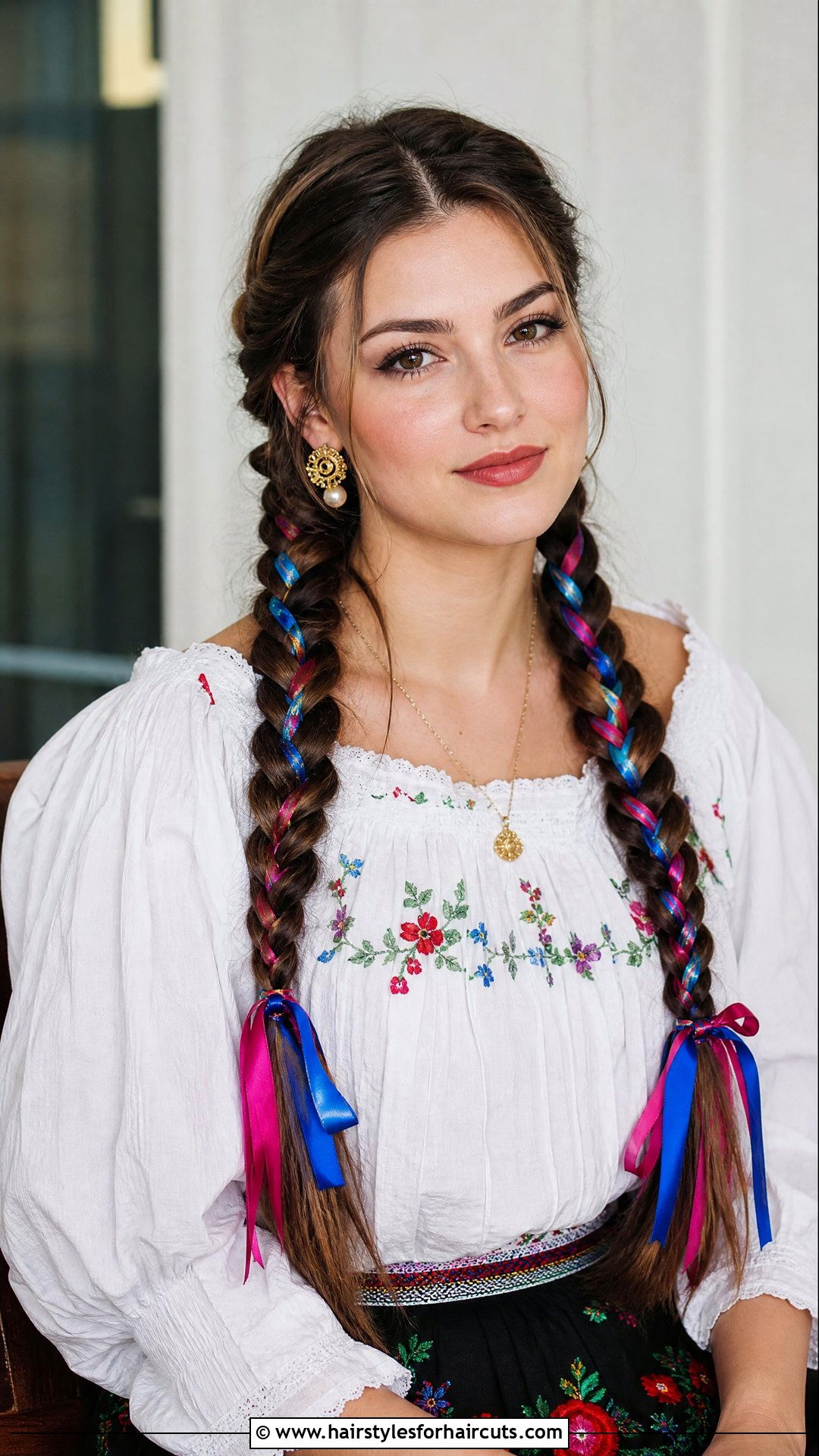
Can a simple accessory completely transform a classic look? Braids with ribbons were a whimsical and romantic staple of 1969 hair fashion. Women would weave colorful silk ribbons directly into their braids, adding a touch of playful charm to their everyday style. Whether worn as two long pigtails or a single thick braid down the back, the ribbons added color and visual interest. This look tied in perfectly with the cottage-core and bohemian aesthetics of the late sixties counterculture. It was an easy, creative way to dress up long hair without using heat or damaging tools. This style remains a delightful, feminine choice for festivals or casual days when you want a touch of vintage magic.
14. The French Twist Updo

Where does casual elegance meet formal sophistication? The French twist updo was the ultimate evening look in 1969. This sleek, vertical roll of hair pinned against the back of the head exuded pure glamour. Women favored it for dinner parties and gala events because it looked incredibly polished while keeping the hair off the neck. The twist could be worn tight and neat or slightly looser for a more relaxed, romantic feel. A few dangling tendrils around the face softened the look, making it feel less severe. It required a handful of bobby pins and strong hold spray to stay in place. The French twist remains a timeless, graceful option for any formal occasion today.
15. Middle Part Long Hair
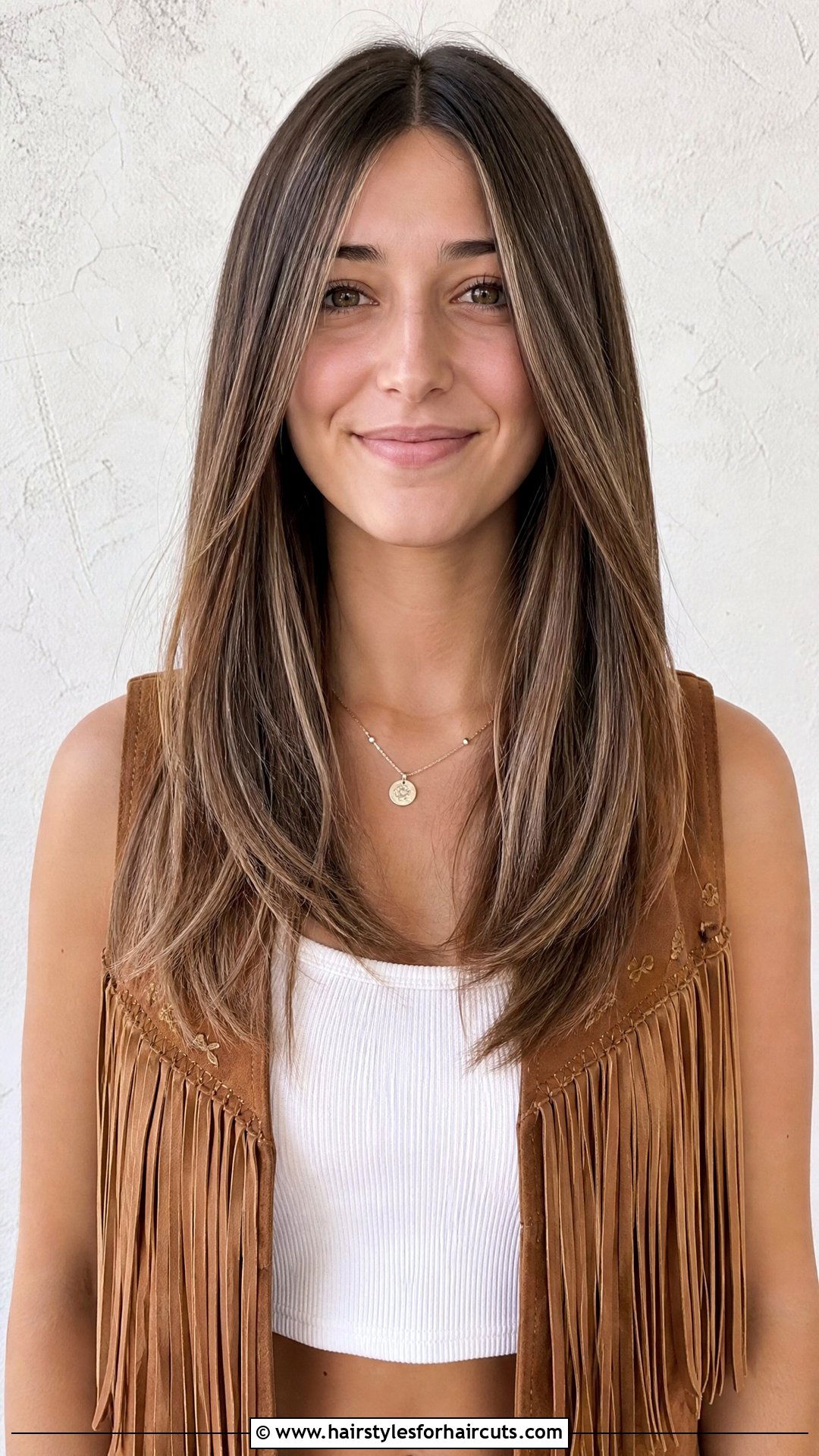
Why did a simple part become a cultural dividing line? The middle part long hair look in 1969 was a direct rejection of the teased, side-parted styles of the older generation. By parting their hair straight down the middle, young women signaled their alignment with the hippie movement and a desire for natural, unpretentious beauty. The hair hung straight down on either side of the face, often covering the ears. It was a stark, dramatic shift that emphasized symmetry and simplicity. Achieving this look required nothing more than a comb and a blow dryer, or just letting it air dry. It remains a classic, universally flattering style that highlights your natural features with zero fuss.
16. 1969 Chignon
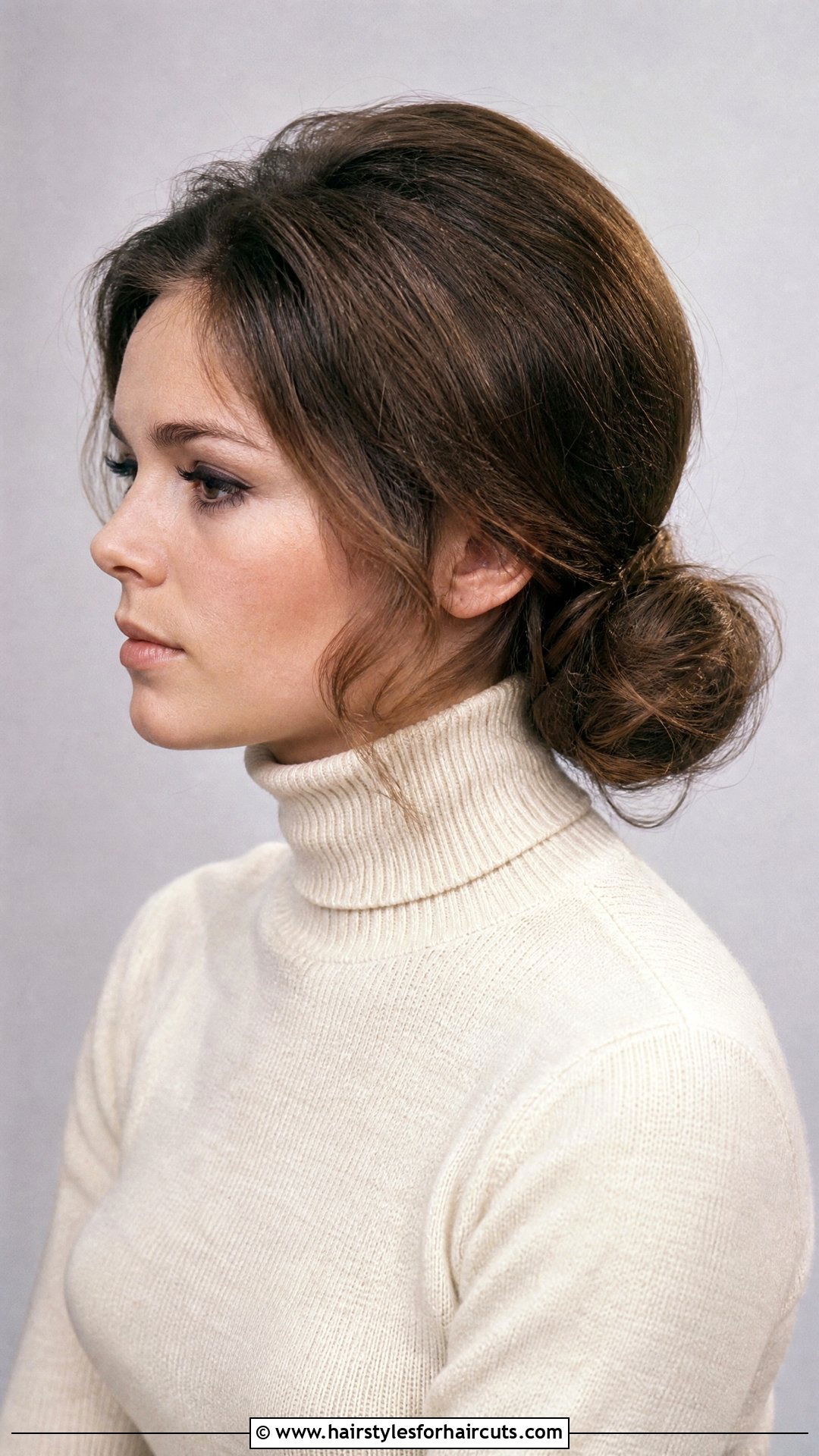
What is the secret to looking effortlessly refined? The 1969 chignon was a low, elegant bun worn at the nape of the neck. It offered a softer, more romantic alternative to the stiff beehive or the tight French twist. Women loved the chignon for its versatility; it could be worn smooth and sleek for a formal event, or loose and slightly messy for a casual afternoon. The word itself means a knot of hair, and the 1969 version often featured a few loose strands framing the face to keep it looking youthful. It was the perfect canvas for pairing with chunky earrings or a turtleneck sweater. The chignon remains a highly sophisticated, timeless updo for any modern woman.
17. Half Up Half Down Hair

Why choose between wearing your hair up or down? The half up half down hair style offered the best of both worlds in 1969. Women would pull the top section of their hair back, securing it with a clip or a ribbon, while letting the rest flow freely down their backs. This style gave the appearance of some volume and structure at the crown while maintaining the soft, romantic length that was so popular. It was a go-to for daytime events and outdoor gatherings, keeping the hair out of the eyes without requiring a full updo. This effortlessly pretty look is still incredibly popular today, offering a balanced, feminine style that works for literally any occasion.
18. The Crown Braid
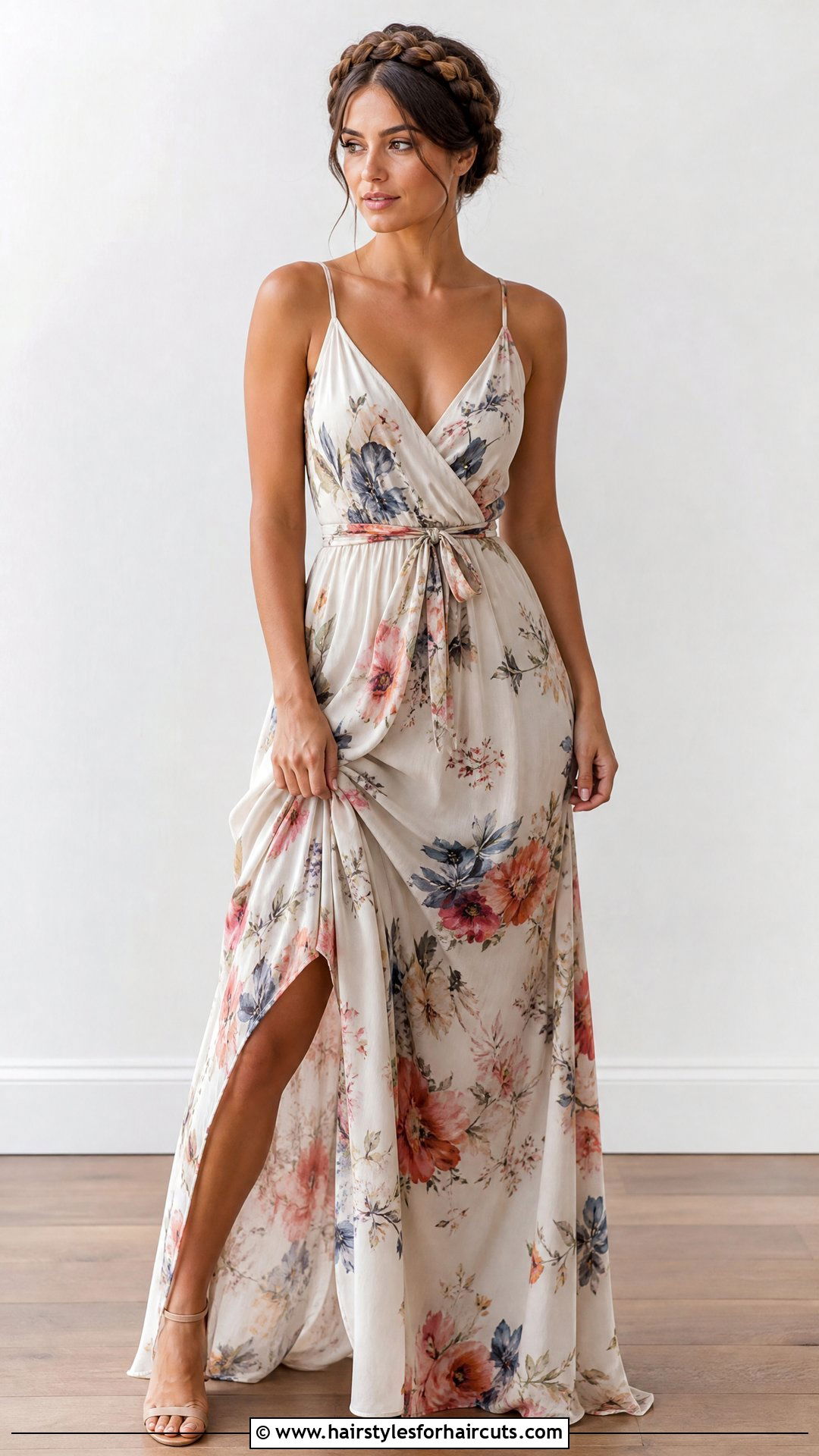
How can you look like a bohemian queen in minutes? The crown braid was a beloved 1969 hairstyle that encircled the head like a natural tiara. Women would braid their hair or use braided hairpieces, wrapping them around the top of their heads and pinning them securely. This look was a favorite at outdoor music festivals, perfectly complementing the flowing dresses and paisley prints of the era. It kept the hair tidy and out of the face while looking intricately beautiful and ethereal. The crown braid also worked wonderfully as a practical solution for second or third-day hair. It remains a stunning, fairy-tale option for anyone wanting a romantic and practical hairstyle with deep vintage roots.
19. 1969 Vidal Sassoon Cut

Can a haircut be considered a piece of modern art? The 1969 Vidal Sassoon cut was revolutionary, treating hair as a living sculpture. Sassoon eliminated backcombing and heavy sprays, relying instead on precise, geometric cuts that fell perfectly into place naturally. His famous five-point cut featured sharp angles that framed the face and neck, creating a striking silhouette. This approach changed the way women interacted with their hair, offering a liberating wash-and-wear lifestyle. The cuts were bold, architectural, and undeniably chic, making them highly sought after by the fashion elite. A Sassoon cut was a status symbol of modernity. Today, these geometric shapes still inspire stylists looking to create strong, structural looks with clean lines.
20. Voluminous Layered Hair
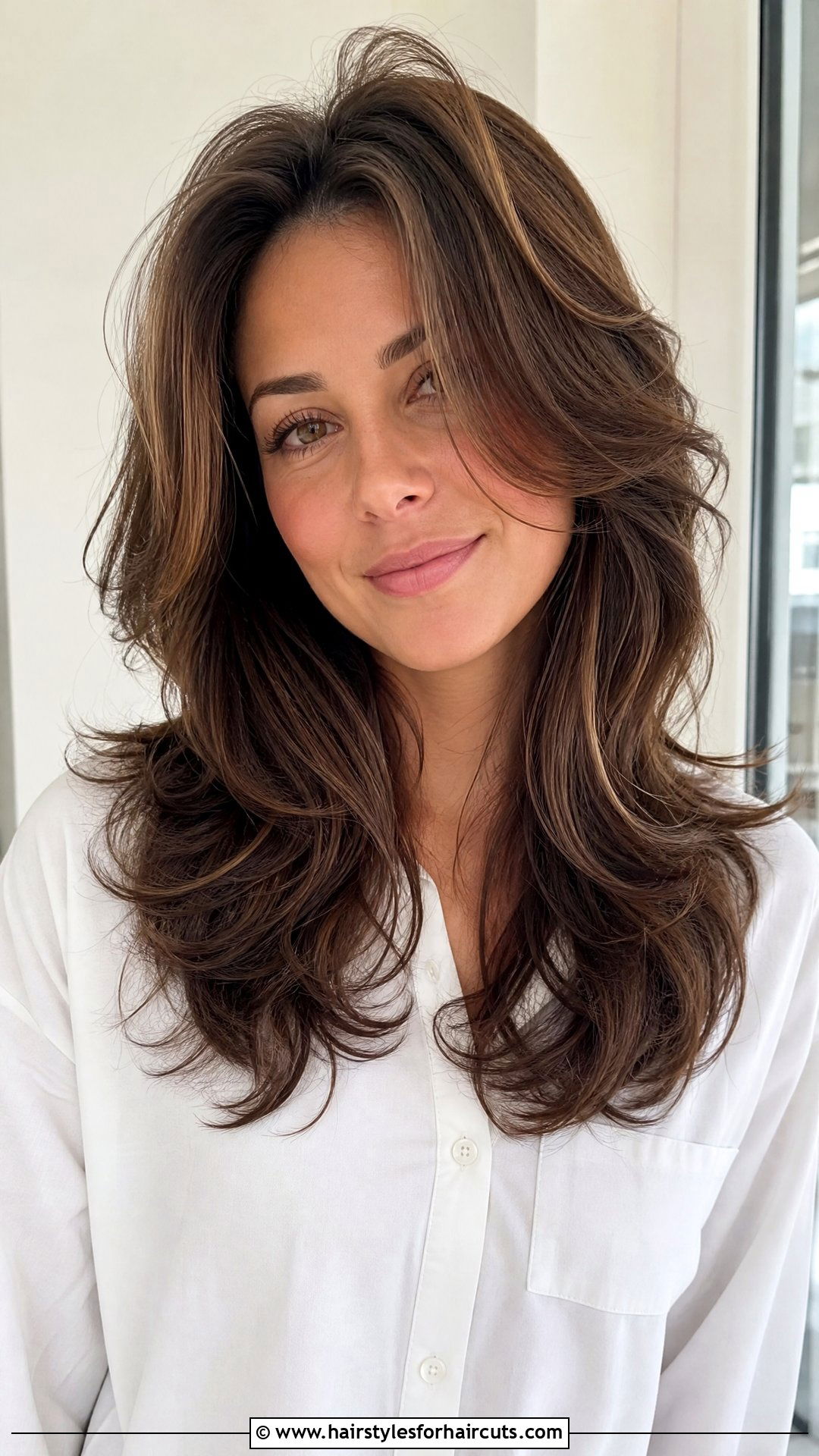
What happens when you remove the weight and let the hair breathe? Voluminous layered hair became a sensation in 1969 as women sought styles with more movement and body. By cutting varying lengths into the hair, stylists removed bulk from the bottom while adding lift at the top and sides. This technique created a bouncy, healthy look that moved beautifully when walking down the street. It was a departure from the blunt, heavy cuts of the early sixties, offering a softer, more dynamic silhouette. Women with both straight and wavy hair embraced layers to add texture and fullness. This approach remains a staple in hairdressing, proving that layers are the ultimate key to achieving effortless body.
21. Twisted Updo Hairstyle
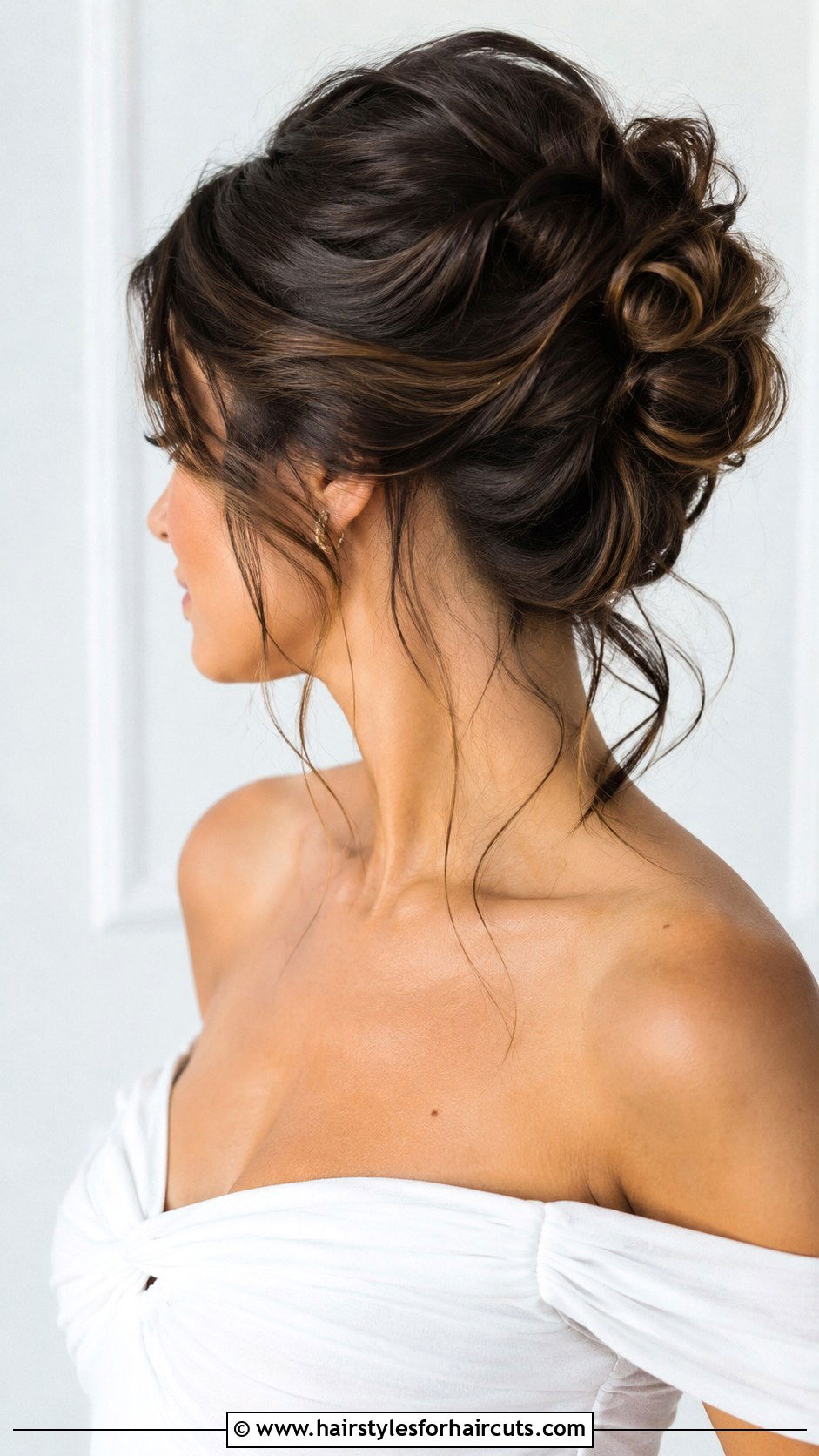
Looking for an updo that feels a little more organic? The twisted updo hairstyle in 1969 was a relaxed, romantic alternative to the strict, hairspray-heavy styles of the previous decade. Women would simply twist sections of their hair and pin them haphazardly at the back of their heads, letting a few tendrils escape for a soft, lived-in feel. This look was highly popular for evening events, offering a touch of Grecian goddess elegance without the stiffness. It was accessible for women of all skill levels to create at home with just a handful of pins. The twisted updo remains a gorgeous, effortless way to look elegant while embracing your natural texture and face shape.
22. Cornrow Braids
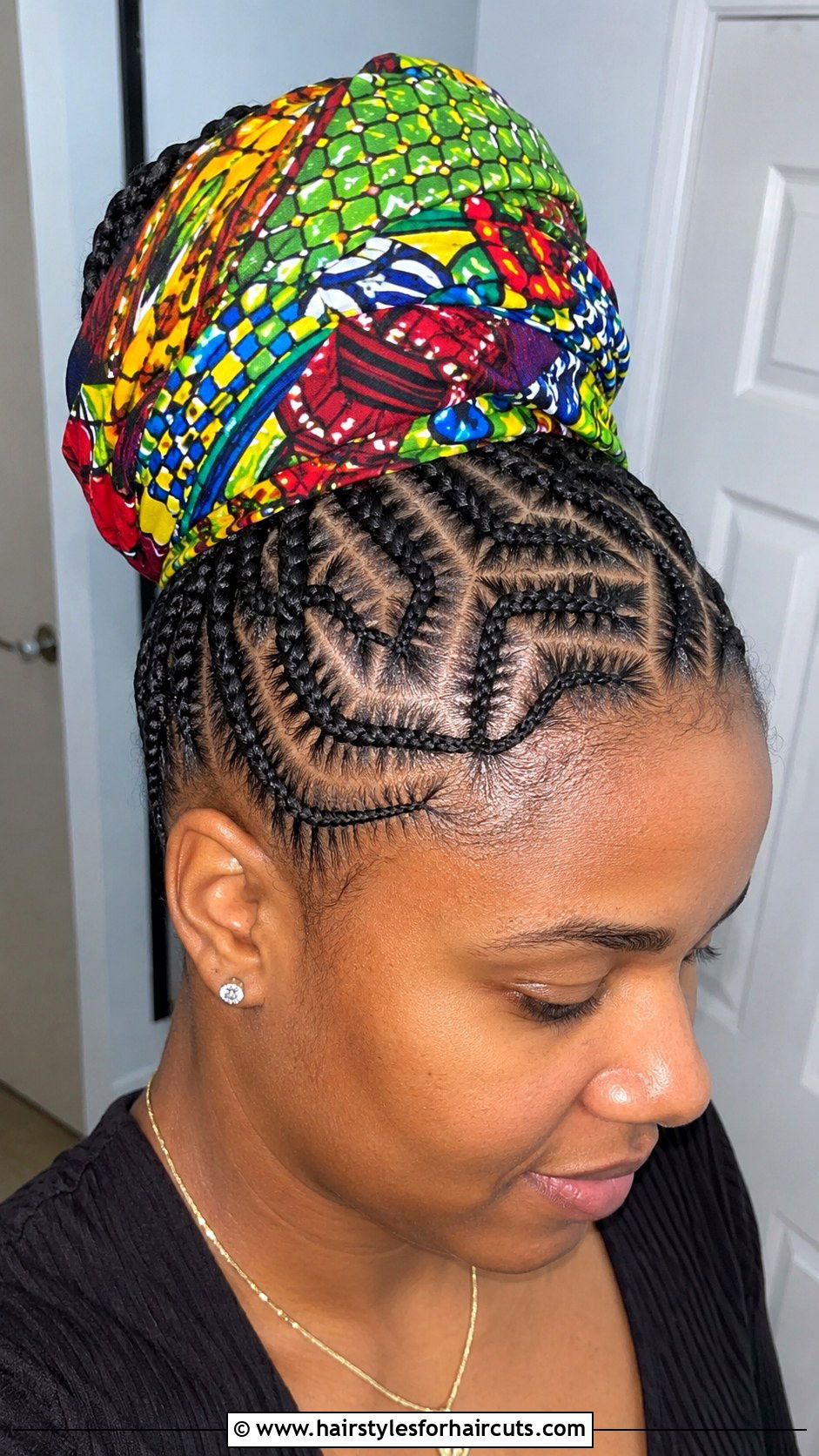
How did ancient traditions find new life in modern fashion? Cornrow braids saw a powerful resurgence in 1969, deeply tied to the Black is Beautiful movement. Wearing cornrows was a bold statement of cultural heritage and pride, rejecting Eurocentric beauty standards. These braids were intricately woven close to the scalp, creating beautiful, geometric patterns that were both protective and stunning. Actresses like Cicely Tyson popularized the style on television, showing the world the artistry and elegance of traditional African braiding. Cornrows were also highly practical, lasting for weeks with minimal maintenance. Today, they remain a culturally significant, incredibly stylish, and versatile protective style that honors a rich history while looking absolutely fierce and fashionable.
23. Long Wavy Hair

Is there anything more effortlessly beautiful than natural movement? Long wavy hair in 1969 captured the essence of the surfer girl and the folk singer. Instead of rigid curls, women embraced a softer, looser wave that looked like they had just spent the day at the beach. This was achieved by braiding damp hair and letting it air dry, or using large rollers without teasing it out. The result was a relaxed, romantic texture that framed the face gently. It was the perfect middle ground for women who found the stick-straight hippie look too flat but wanted something more natural than a set curl. This style remains universally flattering and easy to achieve for a timeless, bohemian vibe.
24. 1969 Pompadour Hairstyle

Want to add some serious rock and roll attitude to your look? The 1969 pompadour hairstyle was not just for the guys; women totally owned this look too. By sweeping the front section of the hair upward and back over the forehead, women created impressive height and dramatic volume. This style was heavily associated with the rockabilly and rock music scenes, giving off a tough, edgy vibe. Women would often secure the puffed front with pins while leaving the back in a ponytail or a chignon. It was a fun, rebellious way to play with proportions and add a theatrical element to everyday styling. The pompadour remains a bold, confident choice for anyone wanting serious vintage drama.
25. Micro Bangs Haircut
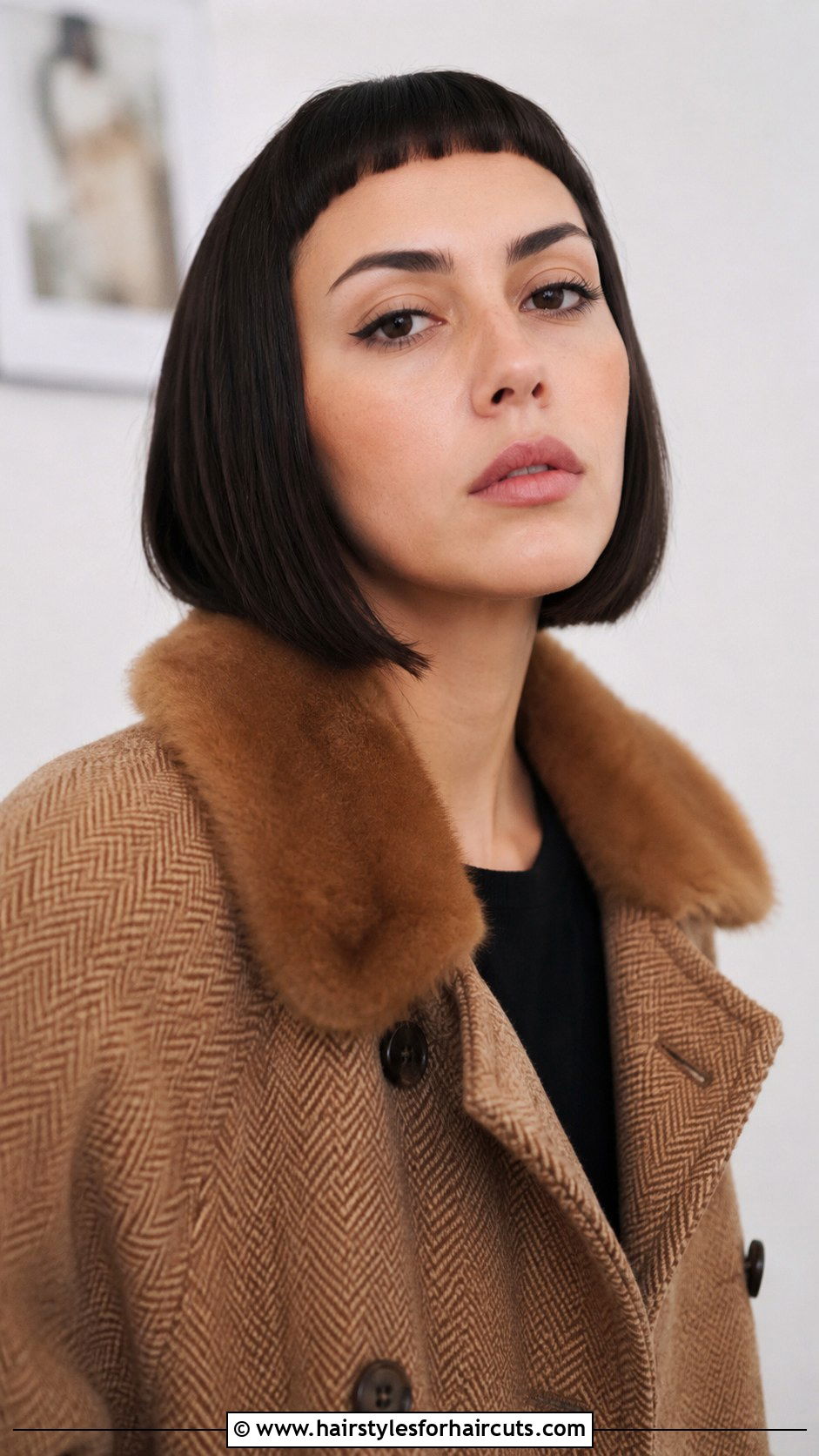
Are you brave enough to bare your whole forehead? The micro bangs haircut was a daring 1969 trend that offered a stark, striking frame for the face. Popularized by models like Twiggy, these bangs were cut very short, often an inch or two above the hairline. The extreme shortness drew immediate attention to the eyes and eyebrows, making them the focal point of the face. It was a dramatic, high-fashion look that worked best with straight hair and strong facial features. The rest of the hair was usually kept in a sleek bob or a short pixie to balance the severe fringe. Micro bangs remain a bold, editorial choice for anyone wanting a truly unforgettable style.
Conclusion:
Which of these iconic looks will you try first? Exploring these 25 1969 hairstyles proves that this year was a remarkable turning point in beauty history. Women shifted from rigid, heavily sprayed styles to embracing natural textures, geometric cuts, and bold cultural statements. Whether you prefer the sleek sophistication of a Vidal Sassoon bob or the free-spirited flow of long hippie hair, there is a 1969 look for everyone. These styles remind us that hair is a powerful form of self-expression and identity. By incorporating these vintage elements into your modern routine, you can capture the timeless charm and rebellious spirit of the late sixties. Have fun experimenting and finding the perfect retro style to make your own.

Leave a Reply