
Step back into a decade of bold volume, bright accessories, and unforgettable pop culture moments. The eighties was an era where bigger always meant better, especially when it came to hair. From teased roots to heavy perms, the decade created some of the most iconic looks in beauty history that still inspire modern trends today. Whether you are heading to a themed party or just want to add some retro flair to your daily routine, there is so much inspiration to find. This guide explores 25 1980’s hairstyles that defined a generation of rebels, rockers, and pop stars. Get ready to discover classic cuts, wild curls, and voluminous styles that capture the true spirit of the eighties perfectly.
1. Perm Hairstyle
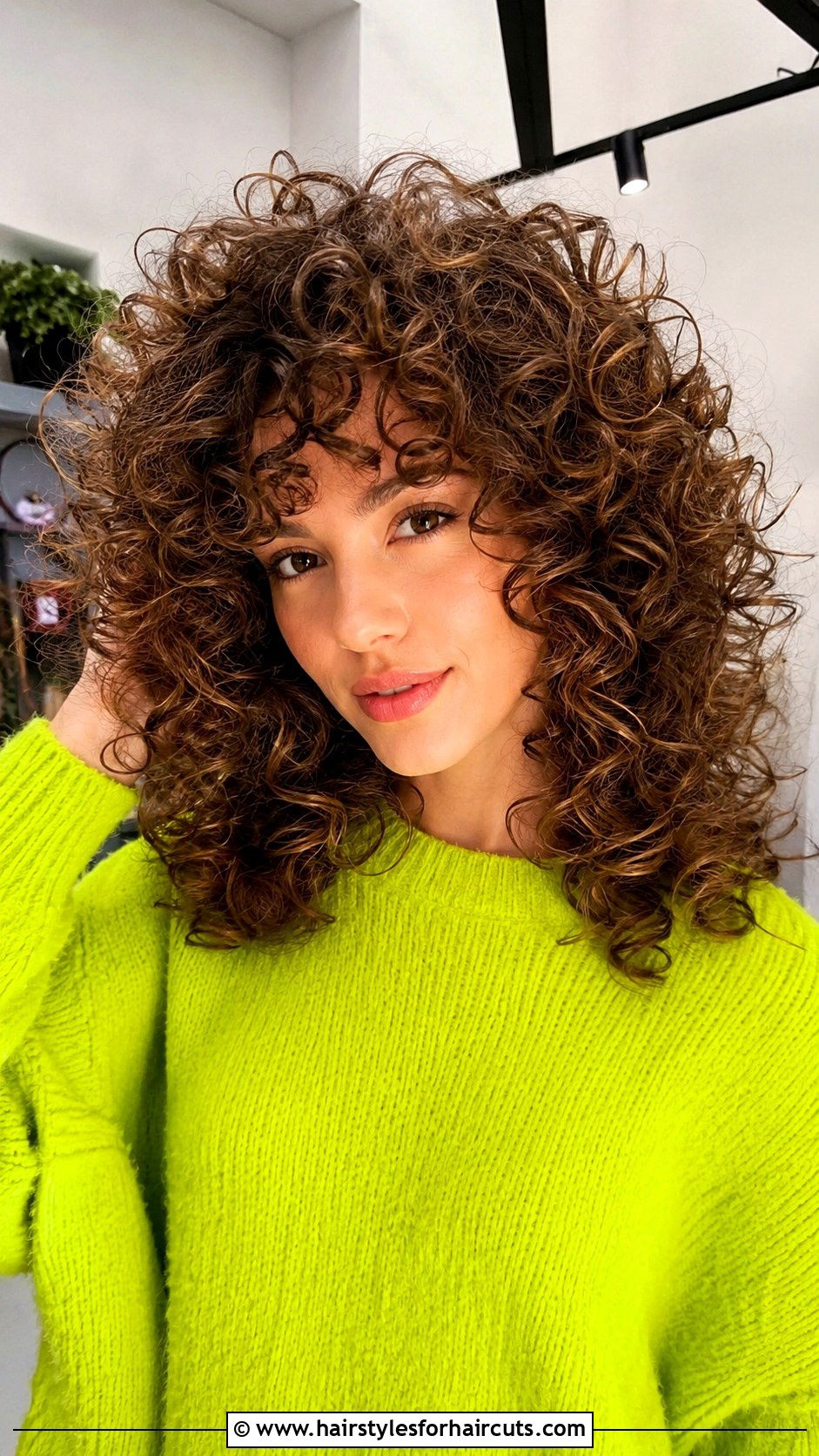
Nothing captures the pure essence of the eighties quite like a full perm. This look was all about tight, bouncy curls and massive volume that refused to be ignored. Women flocked to salons to get chemical treatments that transformed straight hair into a glorious cloud of curls. The perm offered a permanent solution to flat hair, giving everyday people the same bigger-than-life style seen on movie stars and musicians. Maintaining this look required mousse and a diffuser to keep the curls intact without frizz. It was a statement of power and confidence that dominated the decade. Even today, the modern perm is making a comeback, proving that true volume never really goes out of fashion.
2. Crimped Hair

Remember the sound of a crimping iron clamping down on freshly straightened hair? Crimped hair was a fun, textural phenomenon that took over the decade. Using a special heated tool with zigzag plates, straight hair was transformed into an angular, wavy masterpiece. This style added incredible volume and an edge that looked amazing on the dance floor. People wore crimped hair entirely over their heads or mixed it with straight sections for a contrasting vibe. It was often paired with bright scrunchies or teased at the roots for even more height. This playful look reflected the experimental fashion of the time. Crimping remains a fantastic way to add unique texture to any modern outfit.
3. Feathered Hair

Made universally famous by Farrah Fawcett, feathered hair remained a massive trend throughout the eighties. This look featured sweeping layers that curved away from the face, creating a soft, wing-like effect. Achieving the perfect feather required a round brush, a blow dryer, and a can of hairspray to lock in the flip. The layers framed the cheekbones beautifully and added incredible movement to any haircut. It worked wonderfully on medium to long lengths, giving hair a bouncy, healthy appearance. The style felt glamorous yet approachable, making it a staple for women everywhere. Today, modern feathered cuts still use these classic layering techniques to create face-framing volume and effortless daily styling.
4. Mullet Haircut

Business in the front, party in the back was the motto of the unforgettable mullet. This daring haircut featured short, sometimes choppy layers on the top and sides, contrasted with long hair cascading down the neck. It was a unisex style worn proudly by rock stars, athletes, and everyday people. The mullet offered the best of both worlds, keeping hair out of the eyes while maintaining length in the back. It was often styled with heavy mousse, spiked at the crown, and slicked back on the sides. The bold contrast made it a rebellious fashion statement. Modern versions have softened the harsh edges, but the original eighties mullet remains a legendary symbol of rugged individuality.
5. High Ponytail

Elevating a simple ponytail to new heights was a major craze. The high ponytail sat right on the crown of the head, defying gravity with the help of teasing and strong hold gel. This style pulled the face taut, creating an instant facelift effect while showing off bold earrings and shoulder pads. Women used colorful scrunchies or thick elastic bands to secure the tail, often wrapping a small piece of hair around the band to hide it. The higher the ponytail, the better the look. It was practical for aerobic workouts yet glamorous enough for a night out. This energetic updo perfectly matched the fast-paced, high-impact lifestyle of the decade’s go-getters.
6. Side Ponytail

Who says a ponytail has to sit at the back? The side ponytail swept onto the scene as a quirky, asymmetrical alternative to traditional styles. Secured right behind the ear or lower on the shoulder, this look was often fluffed out with a comb to achieve maximum width. It was frequently accessorized with a brightly colored scrunchie or a silk ribbon that matched the outfit. The side ponytail worked beautifully with both straight and curly textures, making it highly versatile for everyone. It gave off a playful, youthful energy that defined the pop culture era. Moving the weight of the hair to one side created a fun, unexpected silhouette that still brings instant nostalgic charm today.
7. Rat Tail Haircut

The rat tail was a polarizing yet unmistakable trend. This haircut featured short hair all over the head, except for a long, thin strip of hair growing down the back of the neck. The tail could be braided, beaded, or simply left to hang straight. It was a low-maintenance style that still allowed the wearer to express a bit of rebellion. Often seen on kids and skateboarders, the rat tail had an edgy, anti-establishment vibe. Some people grew the tail long enough to tuck it into a shirt, while others kept it short and subtle. Though it faded from mainstream popularity, this distinctive cut remains a fascinating footnote in the history of retro grooming.
8. Bowl Cut

Sharp, geometric, and undeniably bold, the bowl cut made a huge impact. This look was characterized by a perfectly even, horizontal line cut around the head, resembling a bowl placed over the skull. While it originated in earlier decades, the eighties gave it a new wave edge. Musicians and artists adopted the style, pairing it with striking hair colors or shaving the underneath for an undercut effect. The blunt fringe and sharp perimeter created a dramatic frame for the face. It required precise cutting to maintain that strict, architectural shape. The bowl cut stood out against the era’s softer, feathered looks. Its rigid symmetry offered a stark, avant-garde aesthetic that pushed traditional grooming boundaries.
9. Jheri Curl
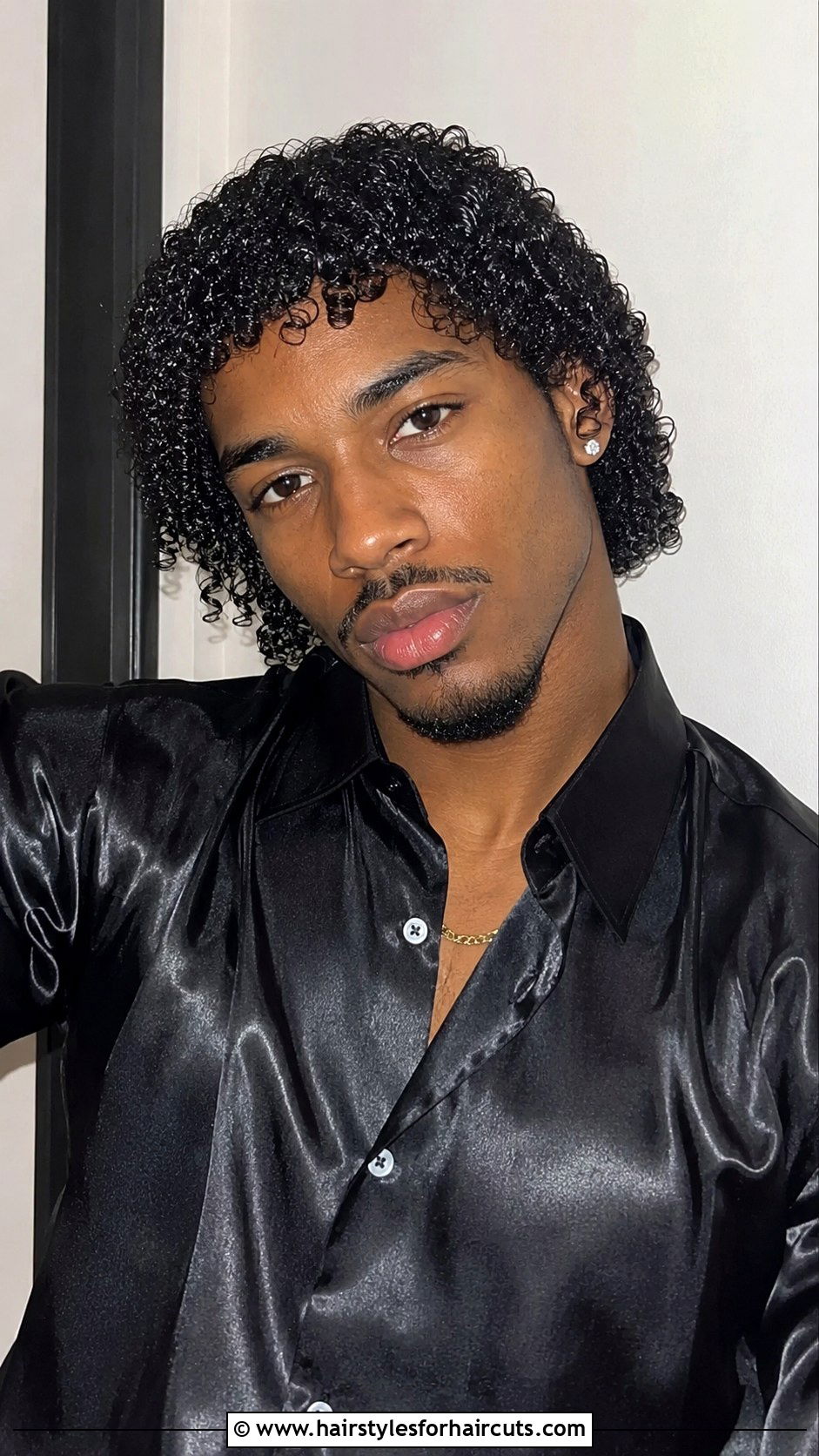
The Jheri curl was a cultural phenomenon that changed the landscape of black hair care. Invented by Jheri Redding, this style offered a glossy, loose curl pattern that looked effortlessly cool. It required a multi-step chemical process to soften tight coils into bouncy, wet-looking curls. Maintenance involved a daily application of curl activator and moisturizer to keep that signature shine. The style was incredibly popular in the music and entertainment industries, becoming a symbol of urban sophistication. Despite the messy reputation of the hair products, the resulting bounce and movement were unmatched. The Jheri curl allowed for versatile styling and remains a significant milestone in the evolution of iconic cultural hairstyles.
10. Asymmetrical Bob
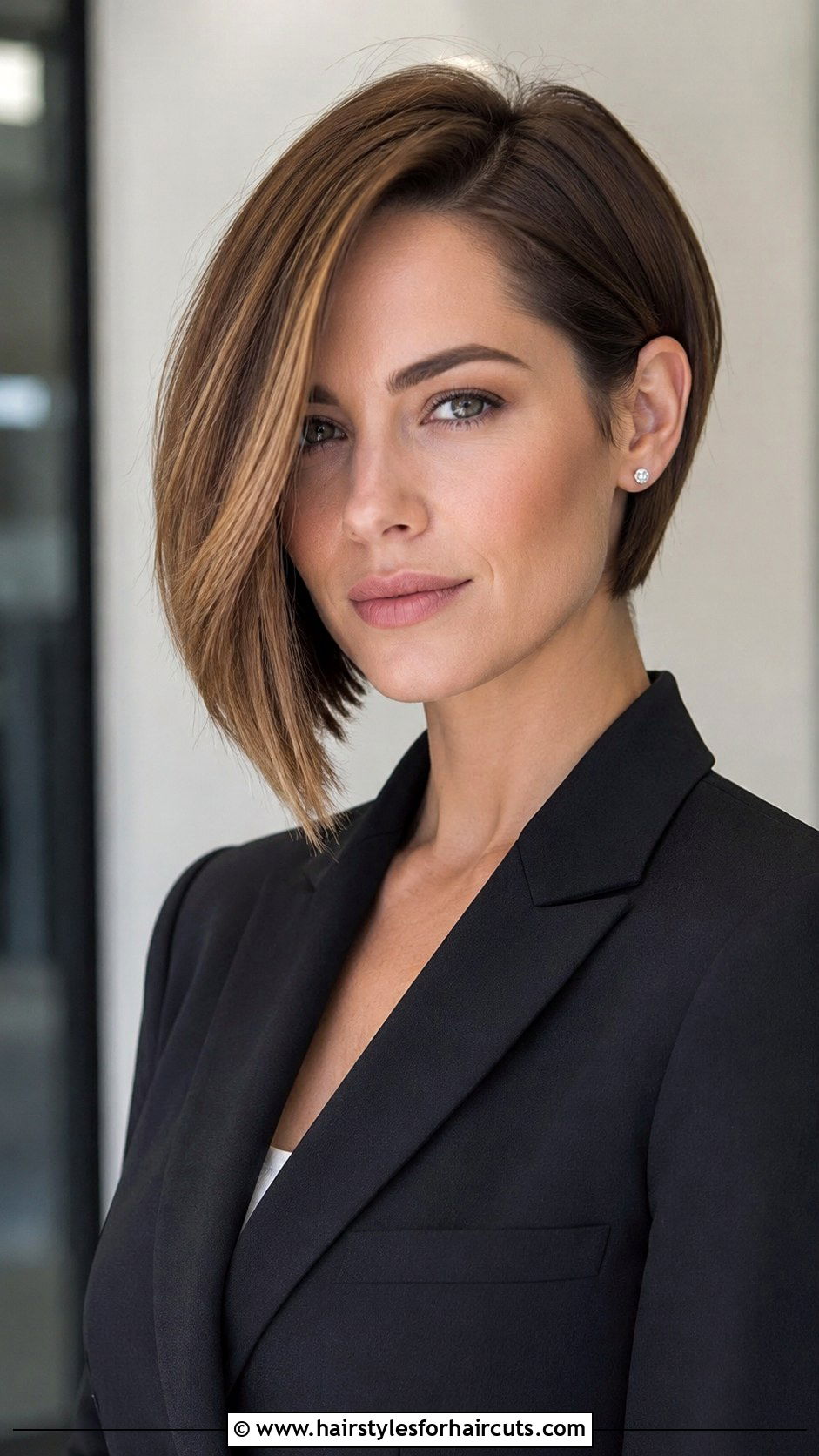
Breaking all the rules of traditional haircuts, the asymmetrical bob brought an avant-garde edge to the decade. This style featured one side cut significantly shorter than the other, creating a dramatic diagonal line. It was a favorite among punk-inspired fashionistas and pop stars who wanted a sharp, architectural look. The uneven length drew attention to the jawline and neck, offering a fiercely modern silhouette. Styling usually involved slicking the shorter side behind the ear while tucking the longer side forward. This cut required precision and confidence to pull off. The asymmetrical bob proved that hair could be a form of high art. Its influence continues, with many modern bobs incorporating subtle angles for extra visual interest.
11. Pixie Cut

Short hair got a bold revamp with the eighties pixie cut. Unlike the soft pixies of the past, this version was all about texture, height, and striking definition. The sides were often clipped short, while the top was left longer and styled into dramatic spikes or swooping waves. Copious amounts of gel and mousse were essential for molding the hair into gravity-defying shapes. This cut highlighted cheekbones and eyes, creating a fiercely feminine yet edgy appearance. It was a liberating choice for women who wanted to break free from long hair expectations. The textured pixie proved that short hair could be just as versatile and expressive as any longer, more traditional hairstyle.
12. Shag Haircut
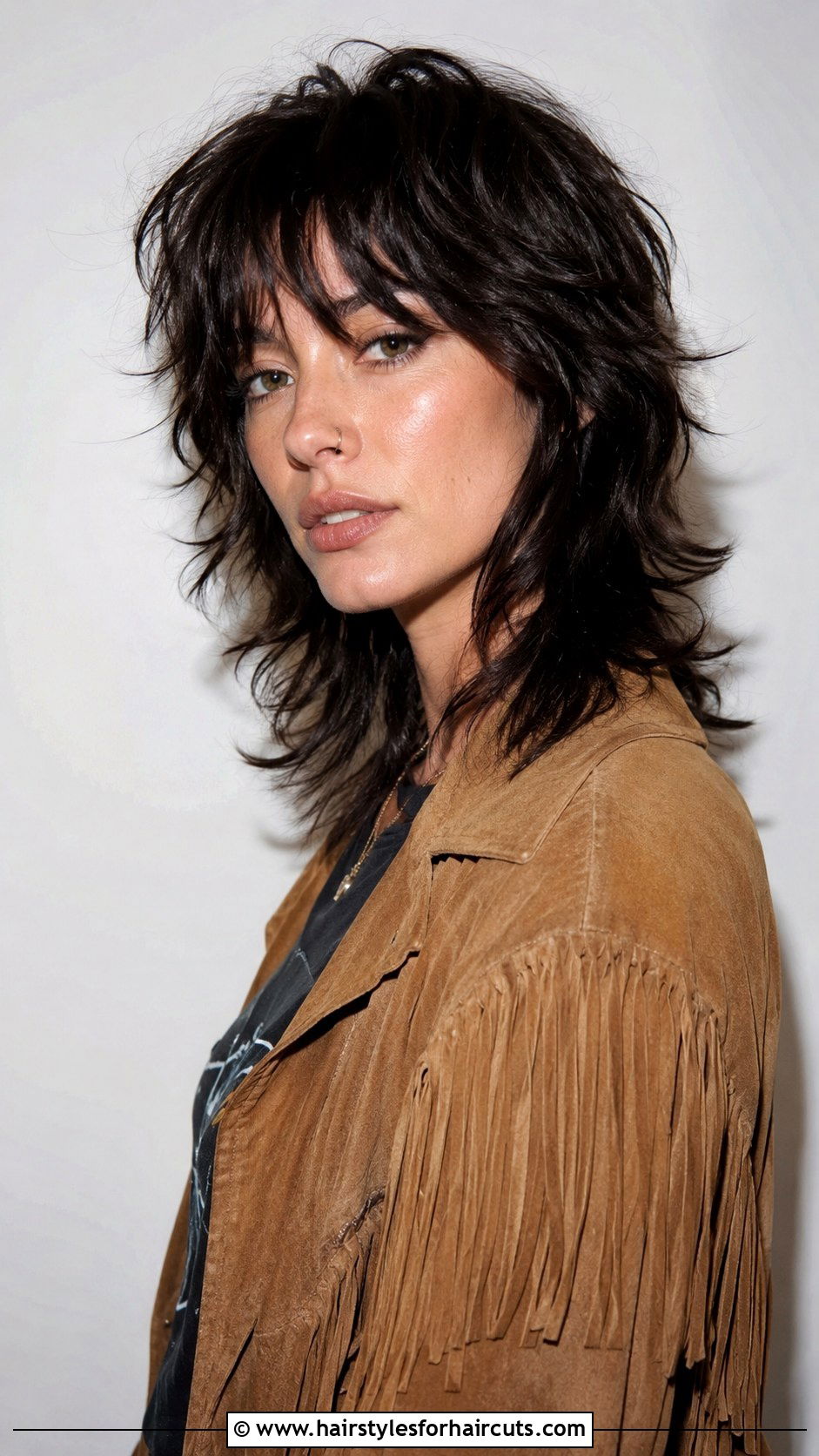
The shag haircut was the ultimate cool-girl style. Defined by heavily layered ends and a choppy finish, this cut oozed effortless rock and roll vibes. The layers were often styled with a curling iron to flip outwards, creating a feathery, lived-in texture. It worked brilliantly for both thick and fine hair, offering volume without requiring massive height. The framing layers drew attention to the eyes and cheekbones, while the back maintained a relaxed, messy feel. Hairspray was used sparingly to keep the movement intact. The shag perfectly captured the laid-back yet styled aesthetic of the era. Its modern iterations are still incredibly popular, proving the enduring appeal of choppy, textured layers.
13. Teased Hair

If there was one technique that ruled the decade, it was teasing. Also known as backcombing, this method involved combing the hair towards the roots to create massive, tangled volume. The result was a towering halo of hair that defied gravity and demanded attention. Teased hair was the foundation for almost every major look, from rock ballads to prom nights. After creating the volume, the outer layer of hair was smoothed over the teased section to hide the mess. A generous dousing of aerosol hairspray locked the height in place for days. Teasing allowed anyone to achieve instant glamour. It remains a secret weapon for adding serious lift to any flat or lifeless hairstyle.
14. Spiky Short Hair

Punk influences bled into the mainstream with the rise of spiky short hair. This look was unapologetically loud, featuring cropped sides and longer tops styled into sharp, defined spikes. Achieving this rigid structure required strong hold gel, sometimes even using egg whites or Knox gelatin for extreme staying power. The spikes could be styled uniformly or arranged in a chaotic, artistic pattern. Bright, unnatural colors like neon pink or electric blue often accentuated the spikes, making them stand out even more. This style was a rejection of traditional beauty norms and a celebration of individuality. Spiky hair allowed people to wear their rebellious attitude right on top of their heads.
15. Volume Blowout

The volume blowout was the ultimate symbol of glamour and wealth. Popularized by soap opera stars and socialites, this look required serious skill with a round brush and hairdryer. The goal was to create immense, bouncy volume that moved fluidly without a single strand out of place. Rollers were often used at the roots to lift the hair, and the ends were flipped under or swept back dramatically. The final result was a glossy, helmet-like shell of beautiful hair that lasted for days. This style represented the excess and opulence of the decade perfectly. Getting a professional blowout became a weekly ritual for many women seeking that polished, high-society finish.
16. Spiral Perm
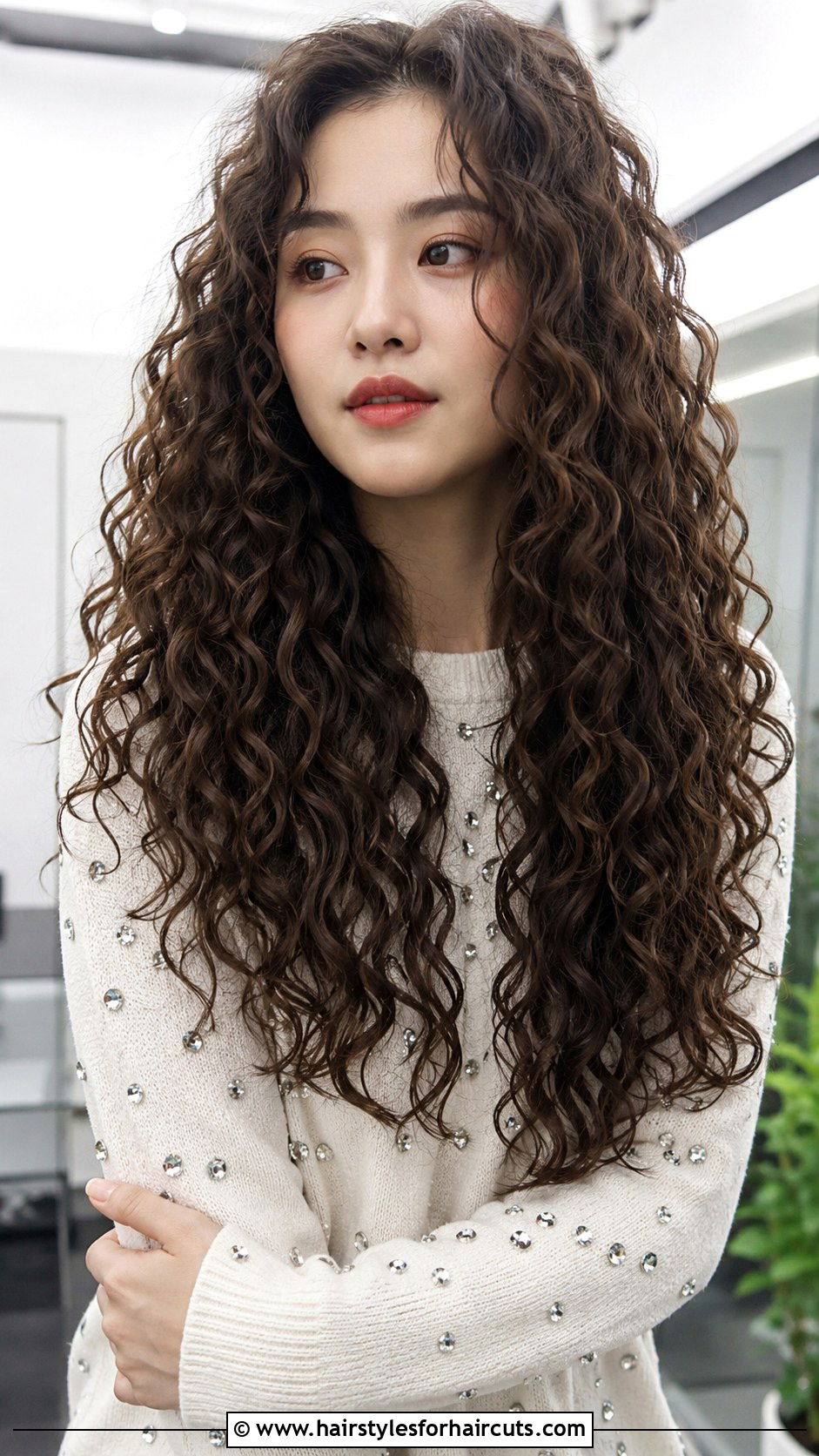
Taking the traditional perm to the next level, the spiral perm offered tight, corkscrew curls that cascaded downward. Unlike a regular perm that could look puffy, the spiral technique wound the hair vertically around long rods. This created distinct, bouncy ringlets that hung beautifully, especially on longer hair. It was a highly sought-after look that required hours in the salon chair. The resulting curls needed constant hydration and mousse to prevent frizz and maintain the springy shape. The spiral perm was synonymous with the big-haired country music stars of the era. It gave hair incredible density and movement. The distinctive corkscrew texture remains an iconic representation of the decade’s love for dramatic curls.
17. Half Up Half Down Hair

Combining the elegance of an updo with the freedom of loose hair, the half up half down style was a staple. The top section of hair was pulled back, teased for volume, and secured at the crown with a decorative clip or bow. The bottom half was left to flow in curls or crimped waves. This style offered a balanced look that was fancy enough for prom yet simple enough for everyday wear. It kept hair out of the eyes while showcasing the length and texture of the rest of the hair. The crown was often bumped up high to match the era’s volume obsession. It remains a universally flattering choice for any occasion.
18. Wet Look Hair
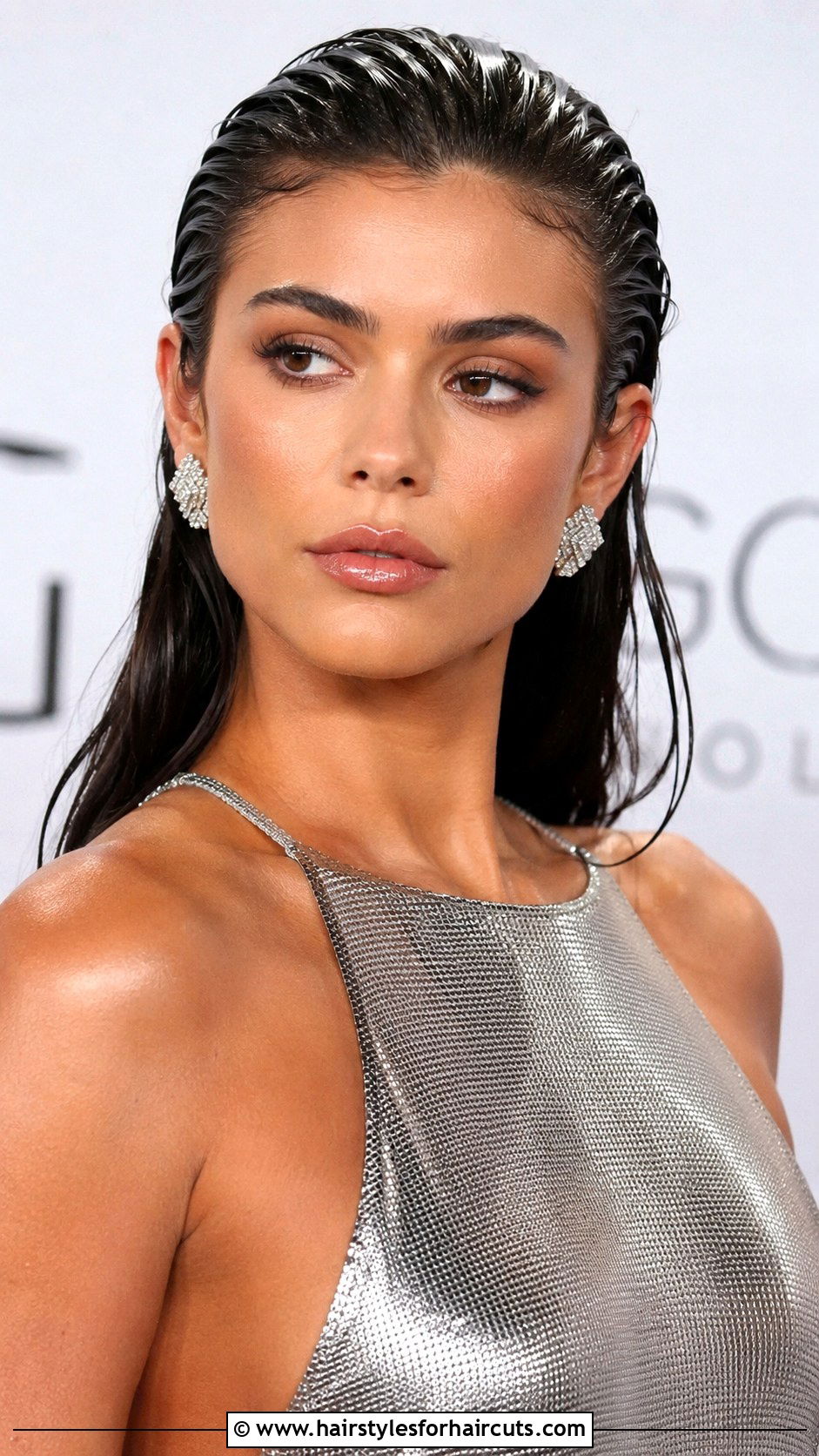
Sleek, shiny, and dripping with style, the wet look was a striking departure from the decade’s fluffy curls. This style used heavy gels and styling creams to make the hair appear soaking wet, even when it was perfectly dry. It was often slicked back tightly against the scalp, creating a streamlined, futuristic silhouette. Sometimes the ends were left loose to curl, creating a stark contrast between the sleek roots and the bouncy tips. The wet look was incredibly popular in music videos and high fashion runways. It offered a low-frizz alternative to the high-maintenance perms. This edgy aesthetic still appears on modern red carpets, proving its timeless and dramatic appeal.
19. Fishtail Braid

Braids got a bohemian upgrade with the popularization of the fishtail braid. Unlike traditional three-strand braids, the fishtail used only two sections of hair, weaving tiny pieces from each side to create a intricate, herringbone pattern. In the eighties, these braids were often worn thick, slightly messy, and pulled apart to create maximum volume. They were the perfect accessory for concerts and casual weekend outings. The style worked beautifully on crimped or permed hair, adding an extra layer of texture to the woven design. Fishtail braids brought a touch of earthy romance to the era’s otherwise highly stylized beauty trends. They remain a beloved style for their detailed look and surprisingly simple technique.
20. Curly Fringe Hairstyle

Fringes took on a life of their own, especially when paired with tight curls. The curly fringe was a bold, face-framing choice that added instant drama to any cut. Instead of lying flat, the bangs were permed, teased, or naturally curled into a voluminous halo right above the eyebrows. This look drew intense focus to the eyes and balanced out the massive volume happening at the back and sides of the hair. Maintaining the perfect curl required regular trims and plenty of mousse to keep the bounce without letting it frizz. The curly fringe was unapologetically loud and fun. It gave a playful, energetic vibe to the overall silhouette of the eighties aesthetic.
21. Mohawk Haircut

The mohawk was the ultimate anti-establishment statement. This radical cut featured completely shaved sides with a strip of long hair running down the center of the scalp. In the eighties, the mohawk was often styled into incredibly tall, stiff peaks using strong hair glues. It was closely associated with the punk rock scene and represented a total rejection of mainstream conformity. The center strip could be dyed in vibrant colors or left natural, depending on the wearer’s preference. While some opted for a permanent shave, others created temporary faux-hawks by pinning the sides up. The mohawk remains a powerful symbol of rebellion, showcasing hair as a potent form of personal and political expression.
22. Bubble Ponytail

Adding a quirky twist to a classic style, the bubble ponytail was a fun, structural look. This was created by securing a regular ponytail and then adding multiple elastic bands down the length of the tail. The hair between each band was gently pulled out to create round, puffy bubbles. It turned a simple ponytail into an architectural, eye-catching masterpiece. The bubble ponytail was frequently seen on pop stars and in teen magazines, offering a playful way to accessorize. It worked best on thick, crimped, or permed hair that could hold the rounded shape. This style captured the playful, experimental spirit of the era perfectly. It is a great way to make a basic ponytail party-ready.
23. Scrunchie Updo
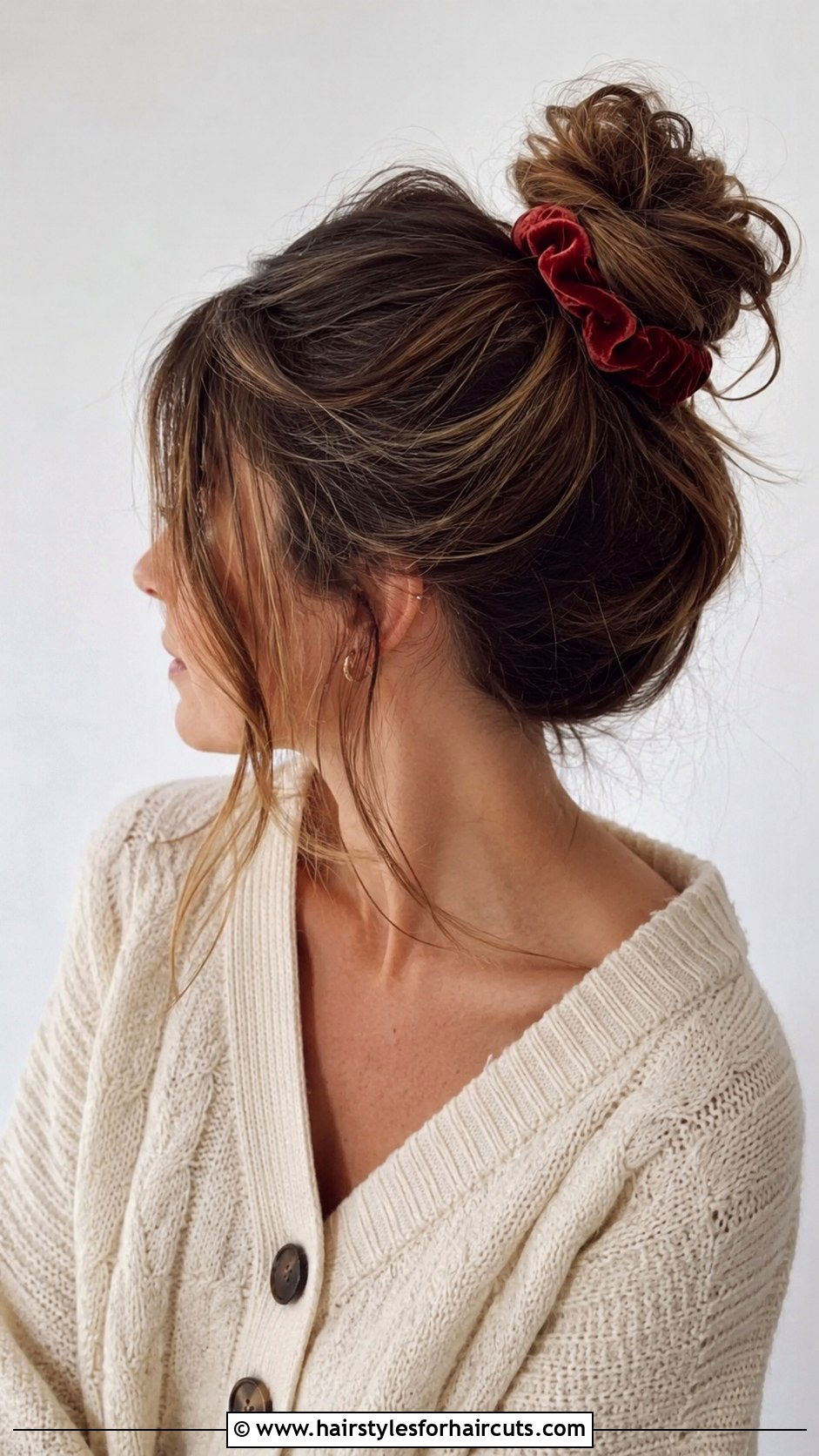
The scrunchie was the defining hair accessory of the decade, and the scrunchie updo was everywhere. This look involved gathering the hair into a messy bun or a loose twist, anchored securely by a large, fabric-covered elastic. The scrunchie added a pop of color and a casual, relaxed vibe to any outfit. It was the go-to style for gym sessions, study dates, and casual hangouts. The hair was often pulled loose around the face to frame the cheeks, giving it an effortlessly cool finish. Whether made from velvet, silk, or terry cloth, the scrunchie was a must-have item. The scrunchie updo offered a comfortable, stylish way to keep long hair off the neck.
24. Flipped Ends Hair

Before the flat iron took over, the curling iron was used to create the iconic flipped ends. This style featured straight hair through the crown and mid-lengths, with the very ends flicking outward dramatically. It was a bouncy, cheerful look that framed the face and added swing to the hair. Achieving the perfect flip required rolling the curling iron outward and holding it until the hair cooled. A stiff hairspray was essential to keep the ends defying gravity throughout the day. The flipped ends style worked beautifully on bobs and shoulder-length cuts. It gave a polished, manicured finish that felt very television-ready. It remains a fantastic way to add retro movement to a classic cut.
25. Box Braids

Popularized massively by cinematic icons of the era, box braids became a defining look. These individual plaits offered a protective, stylish option that allowed for incredible length and versatility. Unlike smaller micro braids, box braids were thicker and often featured synthetic hair added for length and volume. They could be worn down, pulled into a high ponytail, or styled into intricate updos. The square-shaped parts at the scalp gave the style its name and a neat, geometric aesthetic. Box braids provided a low-maintenance yet striking option that celebrated natural hair texture. The trend left an indelible mark on beauty culture. Today, box braids continue to be a beloved, timeless style rooted in this iconic decade.
Conclusion:
Exploring these 25 1980’s hairstyles proves that the decade was a truly revolutionary time for beauty and self-expression. The era embraced excess, volume, and fearless experimentation, giving us looks that continue to inspire modern salons and runways. From the tight ringlets of a spiral perm to the bold statement of an asymmetrical bob, the hair of the eighties was never boring. Whether you want to recreate a nostalgic crimped look or just add a little feathered volume to your daily routine, there is so much to learn from this vibrant decade. Hair is a powerful way to show off your personality. So grab your mousse, fire up your curling iron, and let your inner eighties star shine bright.

Leave a Reply