
Have you ever wondered how our ancestors wore their hair centuries ago? The history of hair on the African continent is rich, deeply spiritual, and incredibly fascinating. For generations, hair was never just about beauty. It served as a powerful symbol of tribe, status, wealth, and religion. When exploring 25 ancient african hairstyles, you uncover a stunning visual language passed down through millennia. From intricate braided patterns to towering clay-sculpted crests, each look tells a unique story about the person who wore it. These historical looks continue to inspire modern fashion today. Let us take a journey back in time to discover the remarkable craftsmanship, cultural significance, and enduring legacy of these traditional hairdos that shaped history.

1. Nubian Twist Hairstyle

What makes the Nubian twist so recognizable even today? This iconic look traces its roots back to the ancient Nubian kingdoms along the Nile River. The style features tightly coiled, distinct twists that hang close to the scalp or fall gracefully down the neck. Historically, Nubian men and women wore these twists to signify their societal rank and tribal affiliations. The precise twisting technique protected the hair from the harsh desert climate while maintaining a neat appearance. Artifacts and ancient sculptures clearly show this textured hairstyle, proving its lasting importance. You can still see this traditional twisting method adapted in modern salons, connecting contemporary wearers to a proud and resilient African heritage.
2. Zulu Top Knot Hairstyle
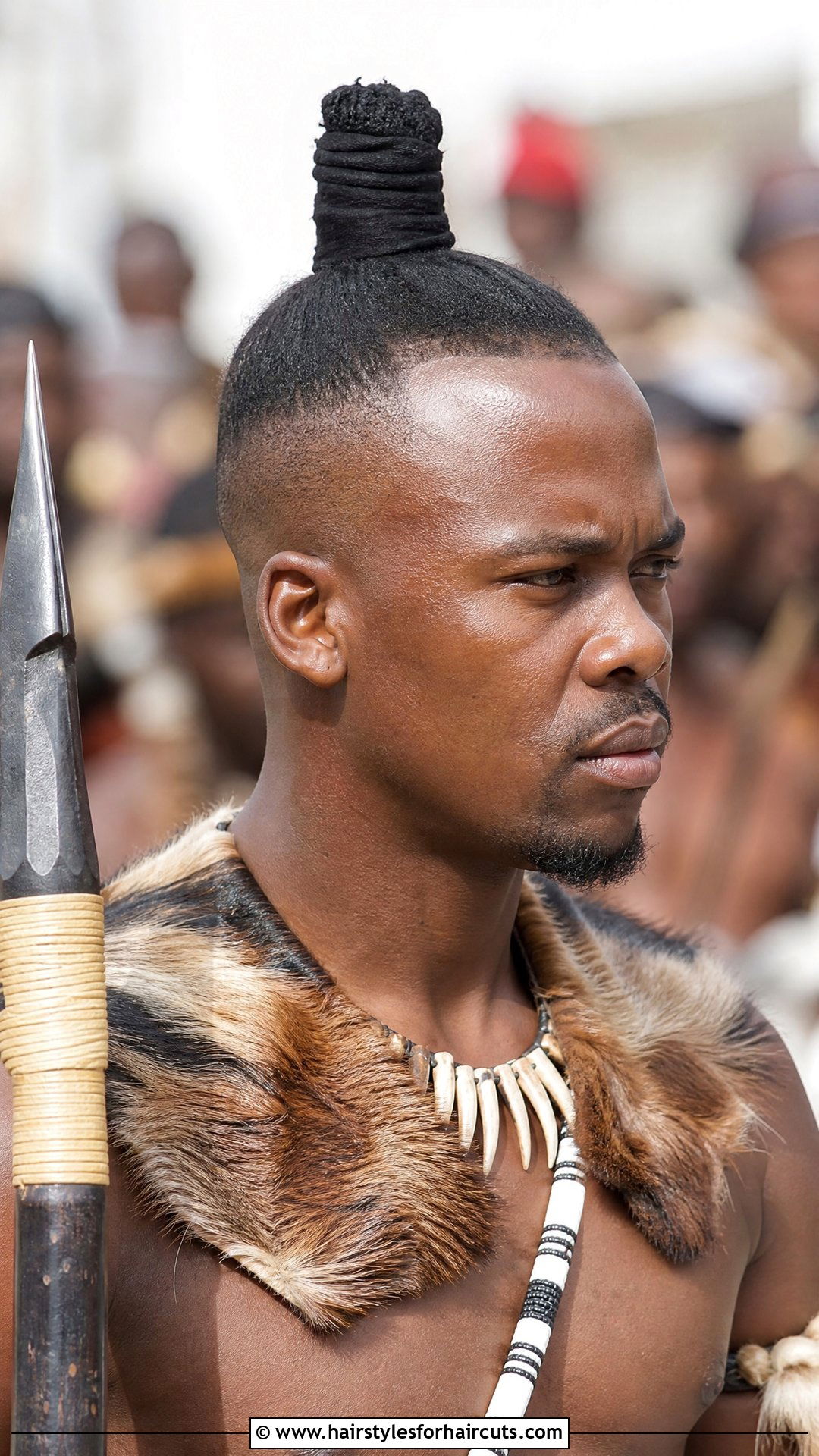
Can a single hairstyle communicate strength and readiness for battle? The Zulu top knot certainly could. Historically worn by Zulu warriors, this striking look involves gathering the hair into a firm, upright bun right at the crown of the head. Before entering battle, warriors would carefully bind their hair using grass and sinew to create this erect crest. The tall knot symbolized martial pride and fearlessness. Women also wore variations of this style, often adding decorative beads or clay to shape the bun for ceremonial events. The strict upward posture of the hair reflected a direct connection to the heavens and ancestral spirits. It remains a bold symbol of Zulu heritage.
3. Maasai Warrior Braid Hairstyle

Imagine walking across the vast savannah with hair that tells your life story. For the Maasai people, long, thin braids are a defining characteristic of the warrior class, known as Morans. Young men grow their hair out and spend hours crafting these tiny, distinct plaits. They apply a mixture of red ochre and animal fat to give the braids a vibrant, striking color and hold them in place. The braids often swing freely or are tied back, showcasing the wearer’s transition from boyhood to warrior status. Once a man becomes an elder, he shaves his head to mark this new chapter. This powerful transformation makes the hairstyle a living timeline.
4. Himba Ochre Dreadlock Hairstyle

Have you seen the breathtaking red hairstyles of the Himba women? This distinctive look is created by covering the hair and body in a paste made of butter, ash, and red ochre pigment. The mixture gives the hair a rich, crimson hue and acts as a protective layer against the harsh sun and insects. Women shape their locs into thick dreadlocks, often styled into elaborate crests or crowned with a headpiece made of goat skin. The number and arrangement of these ochre dreadlocks indicate a woman’s age and marital status. Unmarried girls wear different plaits than married women, making the hair a clear visual code within the community.
5. Ethiopian Cornrow Hairstyle
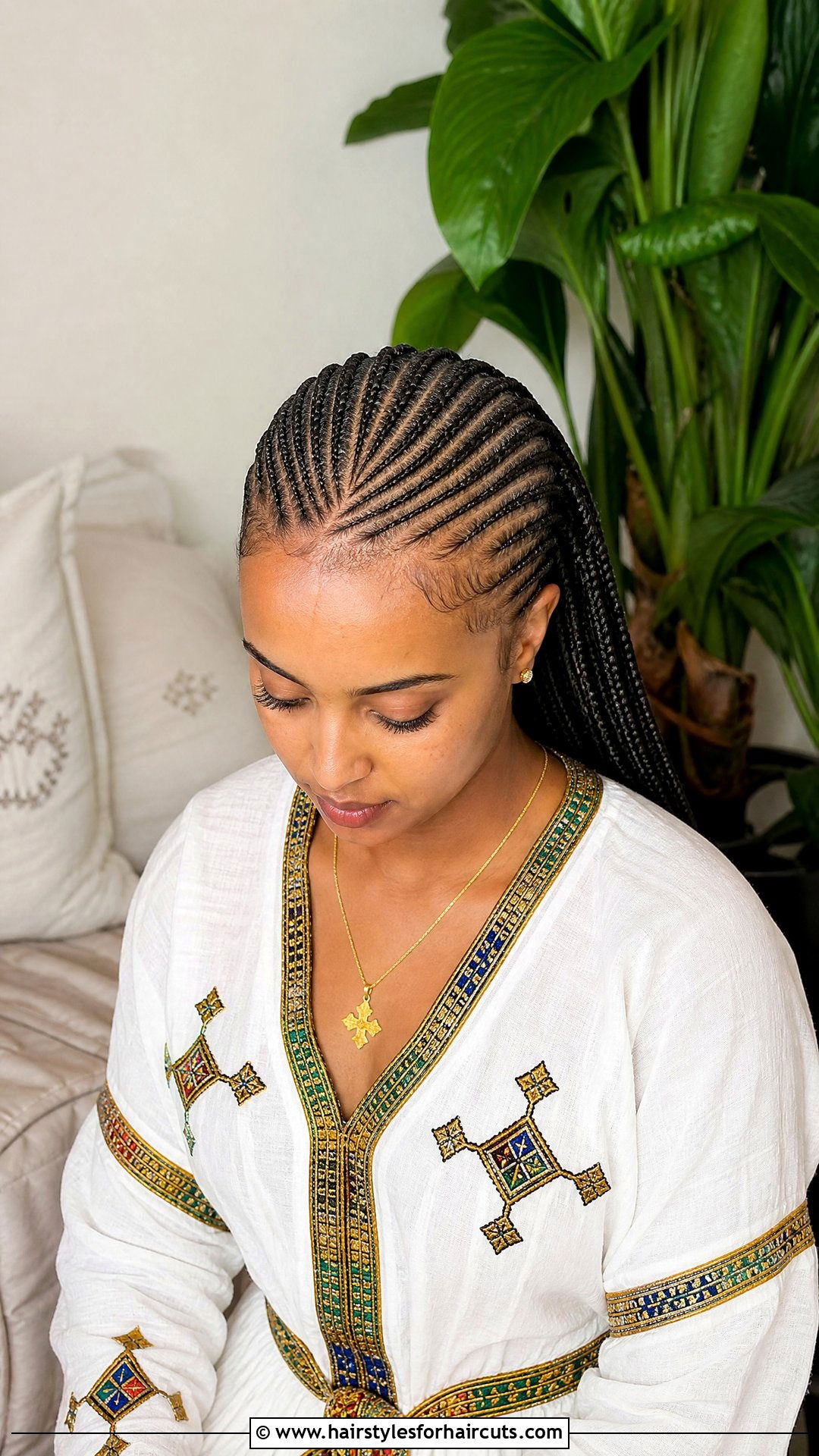
How did ancient Ethiopians protect their hair in high altitudes? Cornrows have been a staple in this region for centuries, offering both practicality and profound cultural meaning. In ancient Ethiopia, tight braids lying flat against the scalp helped manage thick hair while keeping the head cool during intense physical labor. These braided patterns were not just functional. They indicated a person’s clan, religion, and social standing. Elaborate geometric designs were common among nobility, while simpler patterns were worn by everyday people. The braiding process was also a deeply social event, bringing women together to share stories and pass down traditions. This communal styling practice cemented bonds across generations.
6. Fulani Braid Hairstyle
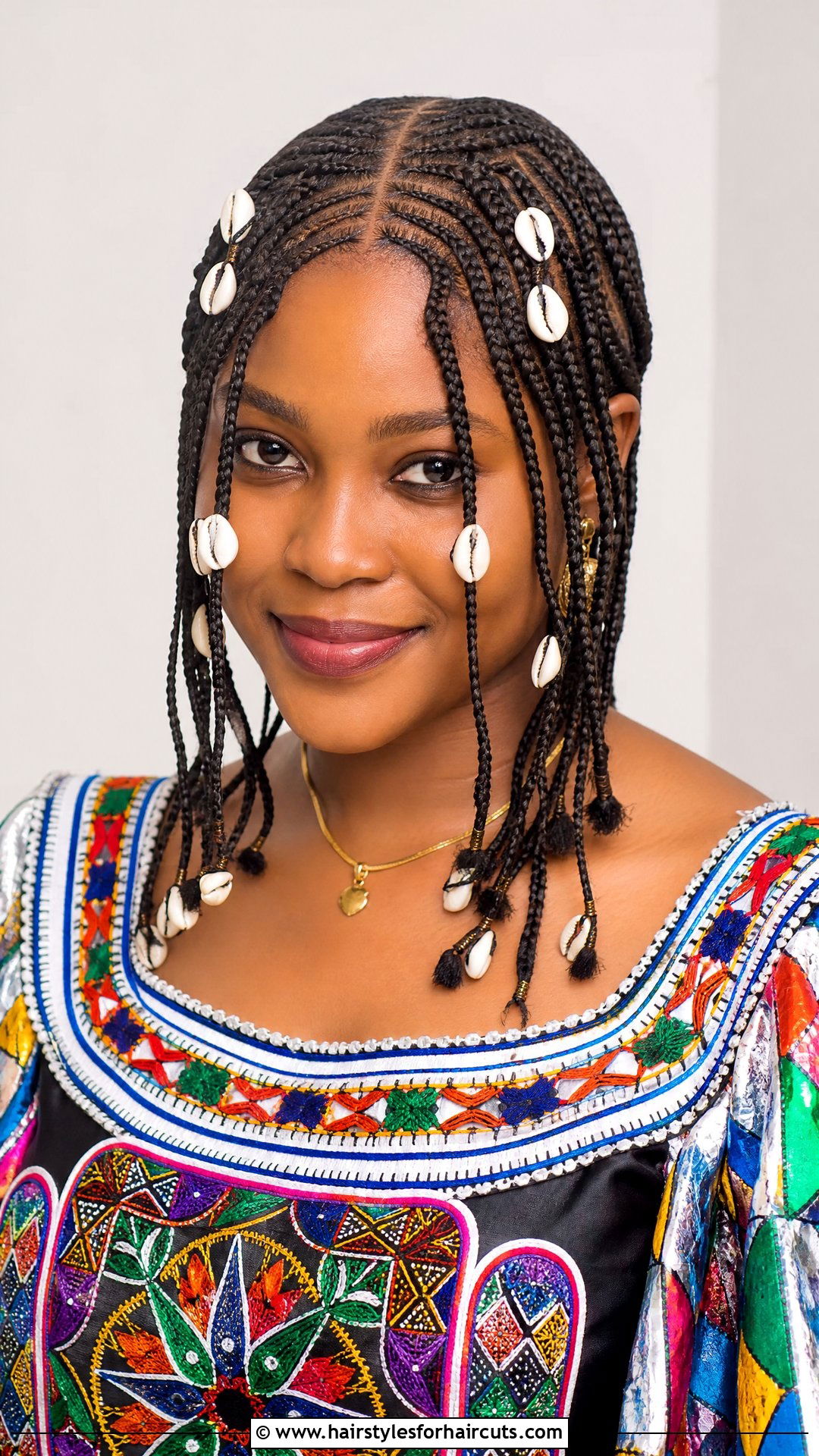
What does it mean to wear a hairstyle that travels across a continent? The Fulani people are one of the largest nomadic groups in Africa, and their braids are instantly recognizable. This signature look features a central parted braid running down the middle of the head, with smaller braids cascading down the sides. Often, the hair is adorned with cowrie shells, beads, and silver coins, which serve as both decoration and a display of wealth. The central braid often features a distinct pattern that identifies the specific clan the wearer belongs to. This practical yet incredibly ornate style keeps hair manageable during long journeys while preserving a rich cultural identity.
7. Amasunzu Hairstyle
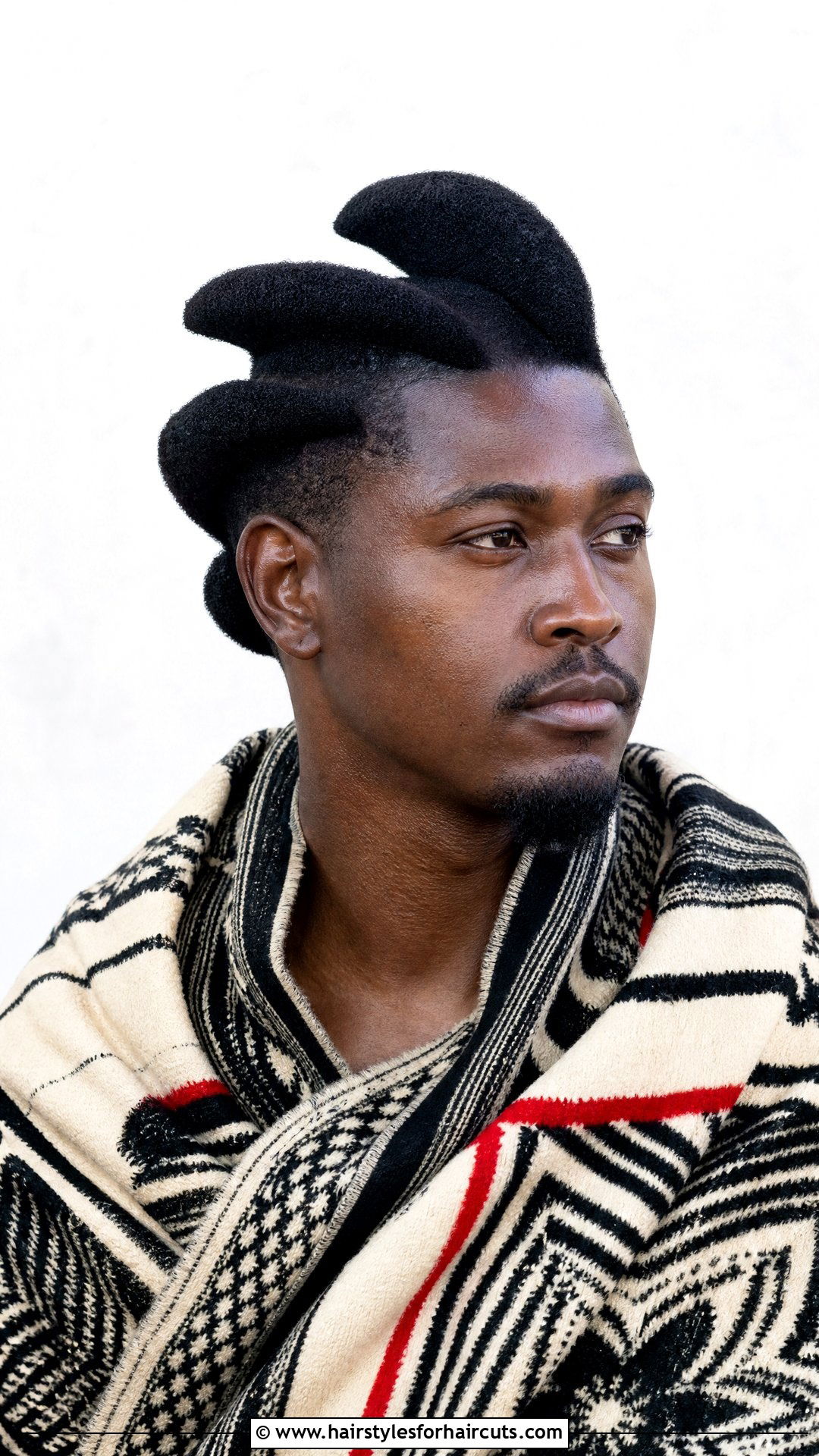
Have you ever seen hair sculpted into a perfect crescent moon? The Amasunzu hairstyle of Rwanda is a masterpiece of geometric design. Worn traditionally by unmarried men and warriors, this dramatic look involves shaving parts of the head and sculpting the remaining hair into rigid, crescent-shaped crests. The sharp, symmetrical lines frame the face strikingly, symbolizing strength, bravery, and nobility. Creating this sculptural look required immense skill and patience, as the hair had to be carefully cut and shaped without modern styling tools. Women also wore versions of it to signal their marital availability. This iconic silhouette remains one of the most visually striking hairdos in African history.
8. Mino Warrior Braid Hairstyle

Could a braid inspire fear in the heart of an enemy? The Mino, or Amazon women of Dahomey, sported fierce hairstyles that matched their formidable reputation. These elite female warriors shaved portions of their heads, leaving distinct patches of tightly woven braids. This practical design prevented opponents from grabbing their hair during close combat. The remaining braids were often decorated with animal bones or talismans believed to offer protection in battle. The striking contrast between the shaved scalp and the thick plaits created an intimidating silhouette. By wearing their hair this way, these women defied traditional gender roles and forged a powerful visual identity on the battlefield.
9. Bantu Knot Hairstyle

Where did the iconic Bantu knot originate? This ancient style can be traced back to the Zulu people of Southern Africa, though it spread across the continent over centuries. The look involves sectioning the hair into triangles or squares and twisting it into small, sculptural buns across the scalp. Each knot sits upright, creating a beautiful and rhythmic geometric pattern. Historically, Bantu knots were worn by women as a symbol of femininity, status, and cultural pride. The style is incredibly versatile and protective, keeping the ends of the hair tucked away safely. Today, this ancient African technique is celebrated globally, proving that functional haircare can also be a stunning fashion statement.
10. Wodaabe Braided Crest Hairstyle
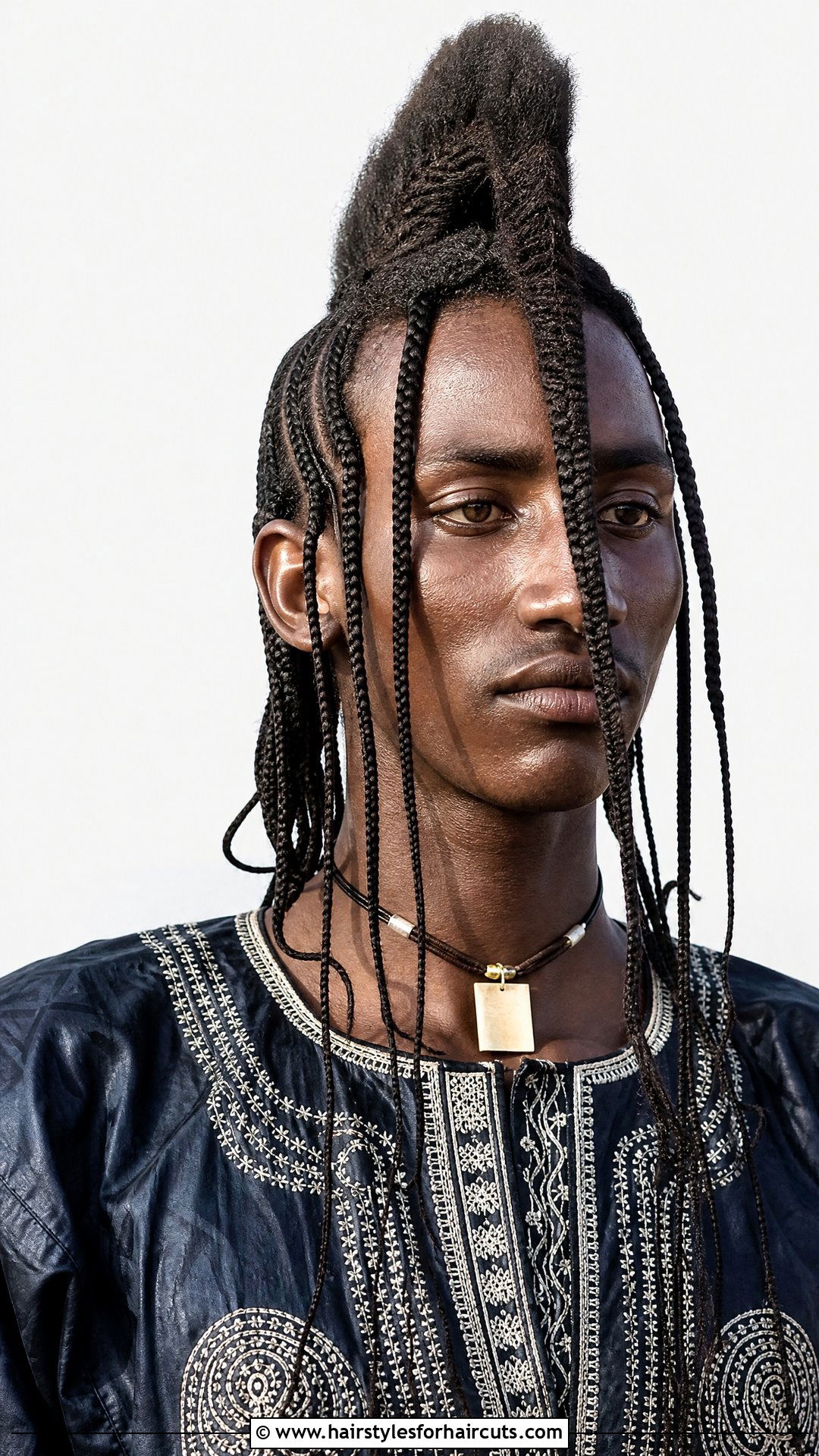
How do nomadic herders celebrate beauty? The Wodaabe people of the Sahel are famous for their elaborate beauty festivals, and their hair plays a central role. Men and women wear their hair in long, tightly braided crests that fall down the back or cascade over the face. To achieve maximum impact, men often apply heavy makeup and elaborate jewelry during the Gerewol festival. The braids are sometimes highlighted with white chalk or adorned with metal rings. The long, flowing plaits emphasize facial symmetry and grace. This focus on elaborate hair and adornment shows how deeply the Wodaabe value aesthetic refinement and personal expression in their daily lives.
11. Yoruba Kongo Braided Hairstyle

What secrets can be woven into a braid? In ancient Yoruba and Kongo cultures, braided hairstyles were deeply spiritual and highly symbolic. Complex braided patterns often mapped out routes to freedom or symbolized cosmic forces. Women would weave intricate designs that represented the interconnectedness of life, death, and the spirit world. The Kongo cosmogram, a cross-like symbol, frequently appeared in the parting lines of the hair. These styles were not merely decorative. They functioned as sacred texts written directly onto the head, which was considered the portal to the divine. The meticulous braiding process was a ritual, invoking ancestral protection and blessing the wearer with spiritual fortitude.
12. Egyptian Braided Crown Hairstyle

How did ancient Egyptian royalty maintain their iconic silhouettes? The braided crown was a staple for both pharaohs and queens. While many Egyptians shaved their heads to combat lice, they wore elaborate wigs made of human hair or plant fibers. These wigs featured tight, uniform braids arranged in a towering crown around the face. The braids were often adorned with gold tubes, beads, and scented wax that melted in the desert heat. The height and volume of the braided crown indicated the wearer’s supreme social rank. This majestic style protected the shaved scalp from the sun while projecting an image of divine authority and immense wealth.
13. Swazi Bun Stack Hairstyle
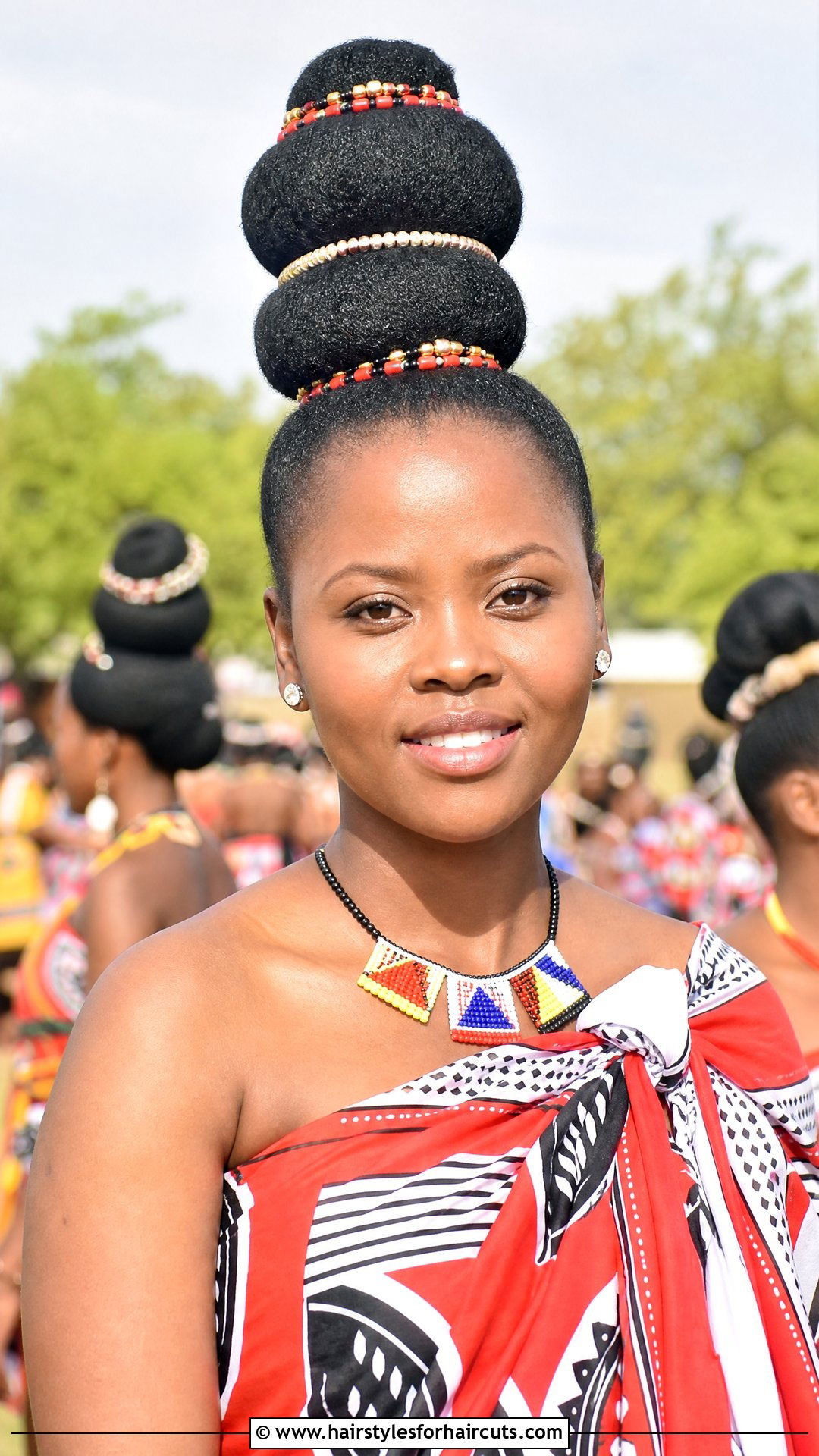
What does a towering stack of buns represent in Swazi culture? This traditional hairstyle, often called a beehive or stack, is a marvel of engineering. Women use a combination of their own hair, plant fibers, and sinew to build high, multi-tiered buns on top of the head. The structures are often secured with colorful ribbons and intricate beadwork. Historically, the height and complexity of the stack communicated the wearer’s age and marital status. Young maidens wore different variations than married women or new mothers. The style is prominently displayed during the annual Reed Dance, where thousands of women celebrate their shared heritage through these magnificent, sculptural hair creations.
14. Mangbetu Braided Crown Hairstyle
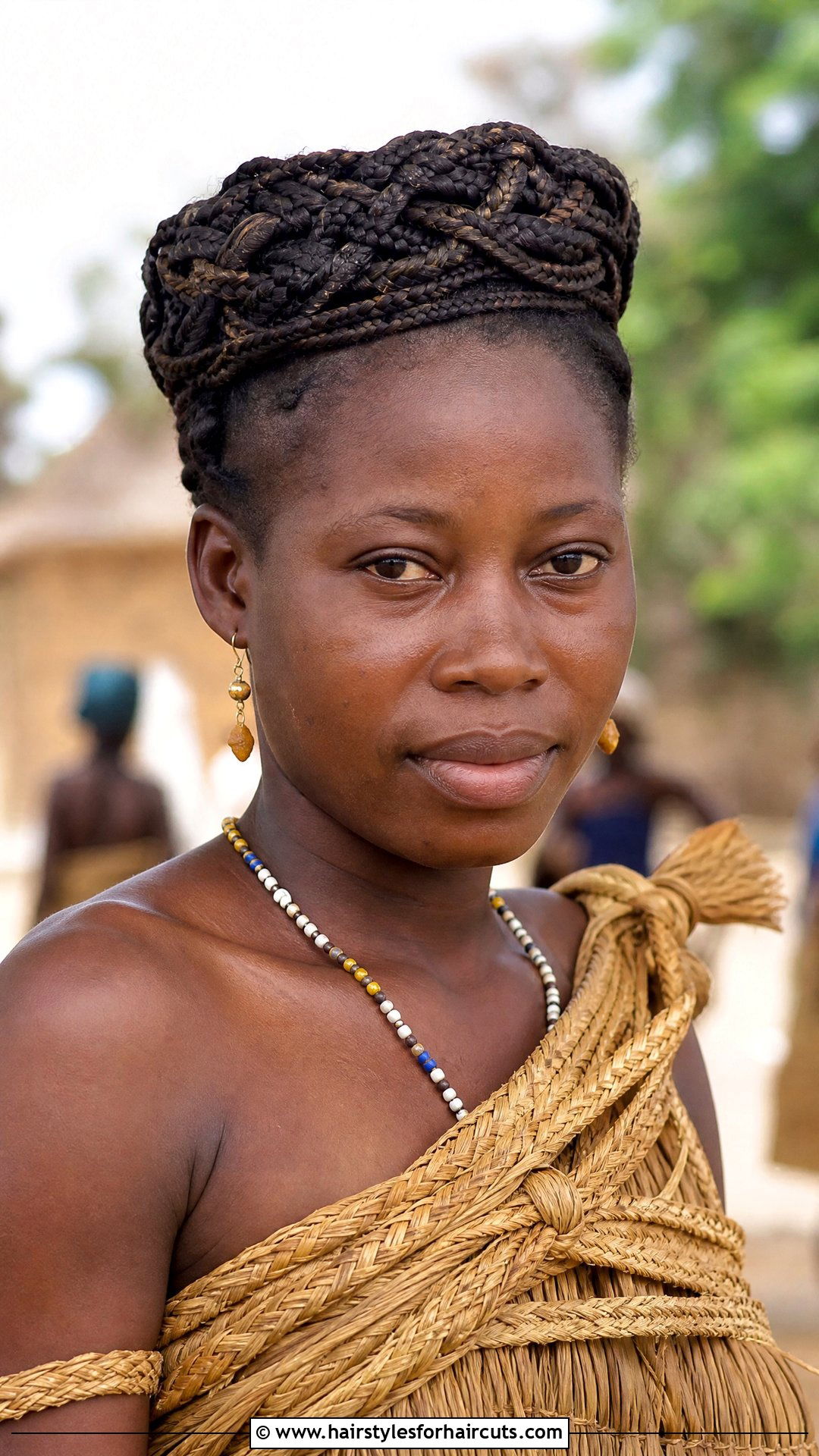
Have you ever seen a hairstyle designed to accentuate an elongated head? The Mangbetu people of the Congo developed a unique look that celebrates their traditional practice of head binding. From infancy, the skull was gently shaped to achieve an elongated form, which was considered a mark of intelligence and beauty. To highlight this, women wove their hair into an intricate braided crown that spirals around the prominent head shape. The braids are often woven directly into a basket-like frame, creating a seamless, helmet-like effect. This extraordinary hairstyle visually connects the wearer to their royal lineage, making the human body itself a work of art and cultural expression.
15. Tuareg Braided Locks Hairstyle

How do the Blue People of the Desert wear their hair under those famous veils? While Tuareg men are known for covering their faces, their hair remains a significant cultural marker. Many Tuareg men grow their hair into long, free-flowing dreadlocks or thin braids that reach their shoulders. The locks are often left unwashed for periods to maintain their texture and spiritual potency. This practice contrasts sharply with the veiled face, creating a mystical duality. The loose braids also provide practical relief from the intense Saharan heat. When a man reaches a certain age or social milestone, he may choose to cut his locks in a ceremonial act.
16. Ashanti Sliced Braid Hairstyle

What happens when hair becomes a map of your family tree? Among the Ashanti people of Ghana, specific braided patterns served as visual identifiers for different families and clans. The sliced braid style features sharp, geometric partings that create distinct sections of cornrows. These partings often mimic traditional Adinkra symbols, which carry philosophical meanings. A skilled braider could read a person’s lineage just by looking at the angles and intersections of their hair. This was especially important during festivals and royal gatherings. By wearing these precise, symbolic braids, individuals honored their ancestors and declared their place within the complex social hierarchy of the powerful Ashanti kingdom.
17. Hamar Cowrie Shell Braid Hairstyle

Why attach money to your hair? For the Hamar people of Ethiopia, cowrie shells were once a form of currency, and wearing them in your hair was a display of wealth and prestige. Women create thick, ochre-coated braids and carefully weave the white shells into the strands. The contrast between the red clay and the bright shells is visually stunning. The rattling sound of the shells as the women move also holds a rhythmic, musical purpose during traditional dances. This ornate style is typically reserved for married women, signaling their new status and the prosperity of their households. The braids are a wearable, jingling bank account.
18. Berber Side Braid Hairstyle

How do mountain dwellers manage thick hair in rugged terrain? The Berber women of North Africa have long relied on the practical and beautiful side braid. This ancient style involves parting the hair down the middle and creating two thick, heavy braids that hang down the sides of the head. Often, the braids are wrapped with colorful wool or adorned with silver amulets to ward off evil spirits. The weight of the braids keeps the hair securely in place during long days of agricultural work. This simple yet elegant look represents the resilience and grace of the Amazigh women, preserving their distinct cultural identity across generations.
19. Kikuyu Dreadlock Hairstyle

What does it mean to wear the hair of the earth? For the Kikuyu people of Kenya, matted dreadlocks hold deep spiritual significance. Known locally as matted hair, these thick, rope-like strands are formed over many years without the use of combs or cutting. Elders and spiritual leaders often wore these long locs to symbolize their direct connection to the divine and the ancestors. The uncut hair represented a vow of dedication and a life lived in harmony with nature. The dreadlocks were sometimes anointed with oils and sacred soils during important rituals. This natural, unaltered style commands immense respect within the community and marks spiritual authority.
20. Dogon Zigzag Braid Hairstyle
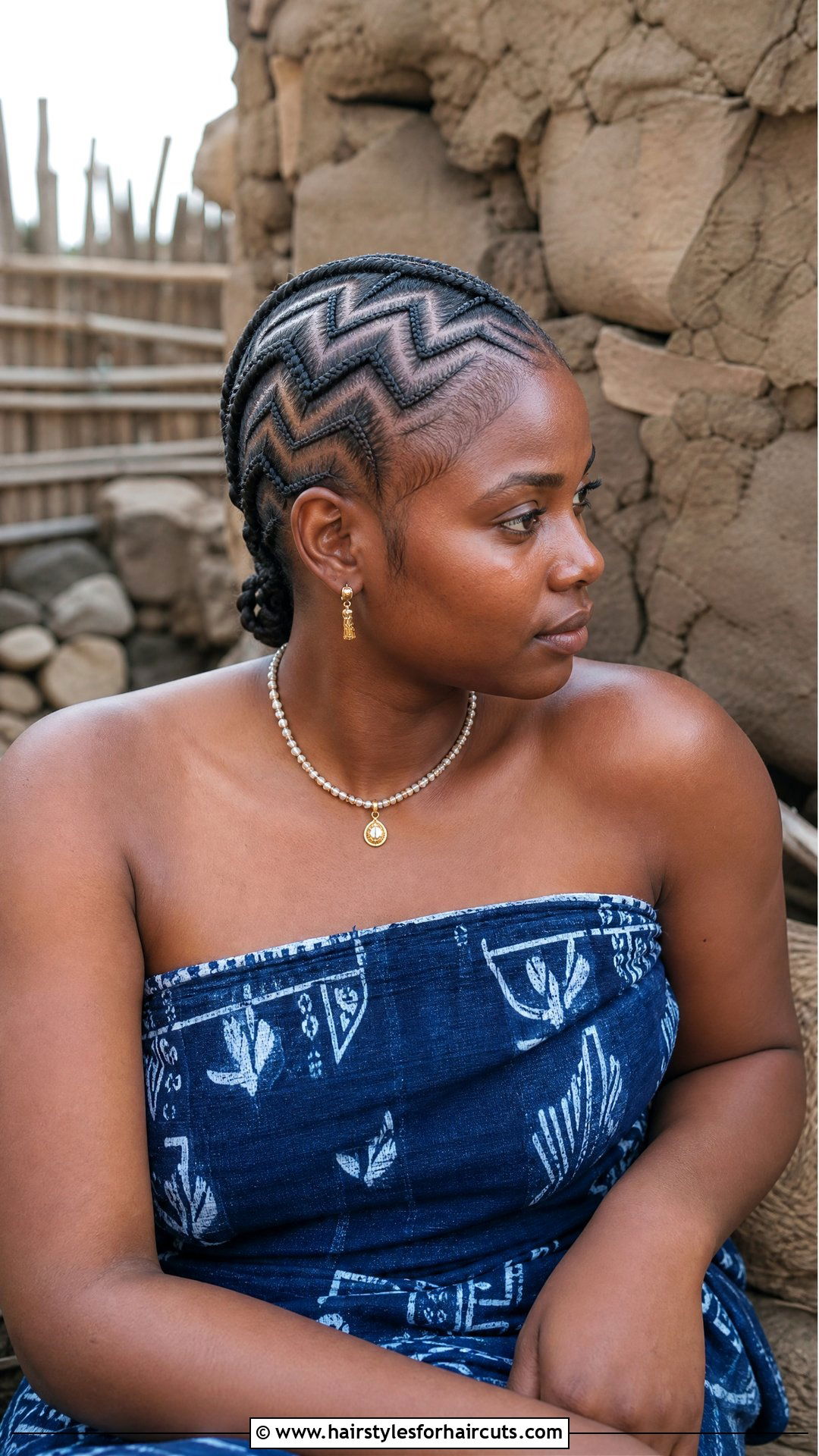
Can a braid capture the movement of a serpent? The Dogon people of Mali are renowned for their intricate cosmology, and their hair reflects this deeply. The zigzag braid style features cornrows that sharply alternate directions across the scalp, mimicking the path of a snake or the flow of water. In Dogon mythology, the serpent is a powerful symbol of creation and the vital force of life. By wearing these sharp, angular braids, individuals honor the spiritual forces that govern the universe. The complex parting requires a master braider to execute perfectly. This style is a striking example of how geometry and theology merge beautifully in ancient African cultures.
21. Mursi Shaved Pattern Hairstyle
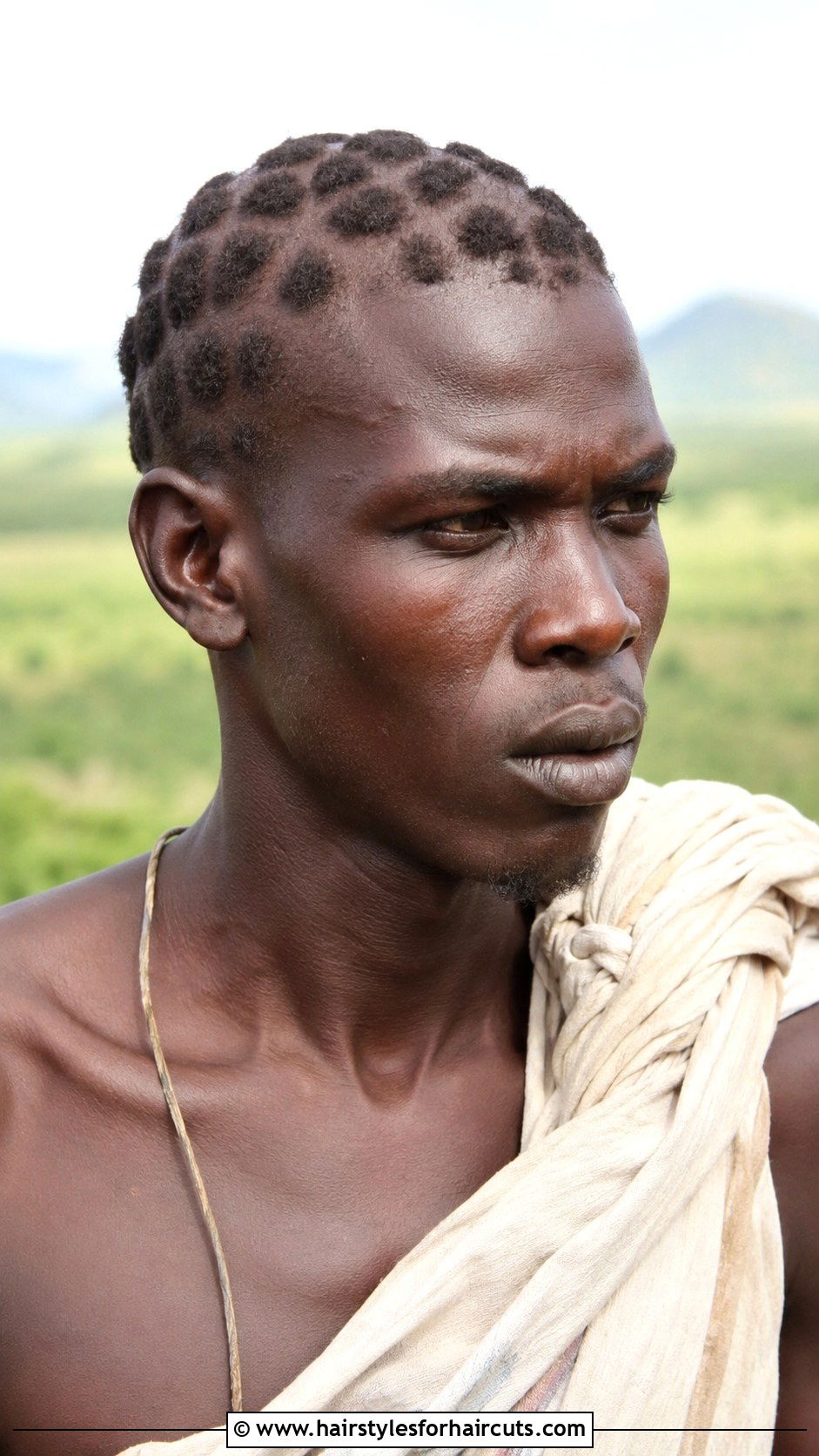
Why leave the scalp bare in specific spots? For the Mursi people of Ethiopia, shaving is just as artistic as braiding. Young men and women often shave intricate patterns into their hair, leaving only certain patches of hair on the head. These patterns can represent the spots of a leopard, a highly revered animal in their culture, or the tracks of vital livestock. The sharp contrast between the bare skin and the remaining hair creates a bold, graphic look. This practice requires a steady hand and a keen eye for symmetry. The shaved patterns serve as a rite of passage, marking the transition from childhood into adult society.
22. Tigrayan Tight Cornrow Hairstyle

How do you prepare for a highland celebration? In the Tigray region of Ethiopia, women wear incredibly tight, flawless cornrows that sit perfectly flat against the scalp. This style, known locally as shuruba, involves weaving the hair into complex, flowing designs that often feature a central ridge. The braids are so precise that they look like a beautifully woven basket. Women often enhance the look by applying a light butter to give the hair a sleek, healthy shine. This preparation is essential for major holidays and weddings, where the quality of a woman’s braids reflects her family’s honor and her own personal dignity.
23. Xhosa Flared Braid Hairstyle

Have you ever seen braids that fan out like a crown? The Xhosa people of South Africa are famous for their majestic flared braids. This traditional style involves creating thick, long braids that are tied at the base but left loose at the ends. They are pushed upward and outward using a special grass ring at the crown, creating a dramatic, halo-like effect. The flared silhouette symbolizes the transformation of a girl into a woman. During initiation ceremonies, these elaborate styles replace the simpler cuts of childhood. The visual impact of the flared braids is breathtaking, turning the wearer into a living embodiment of community pride.
24. Shona Mud Loc Hairstyle
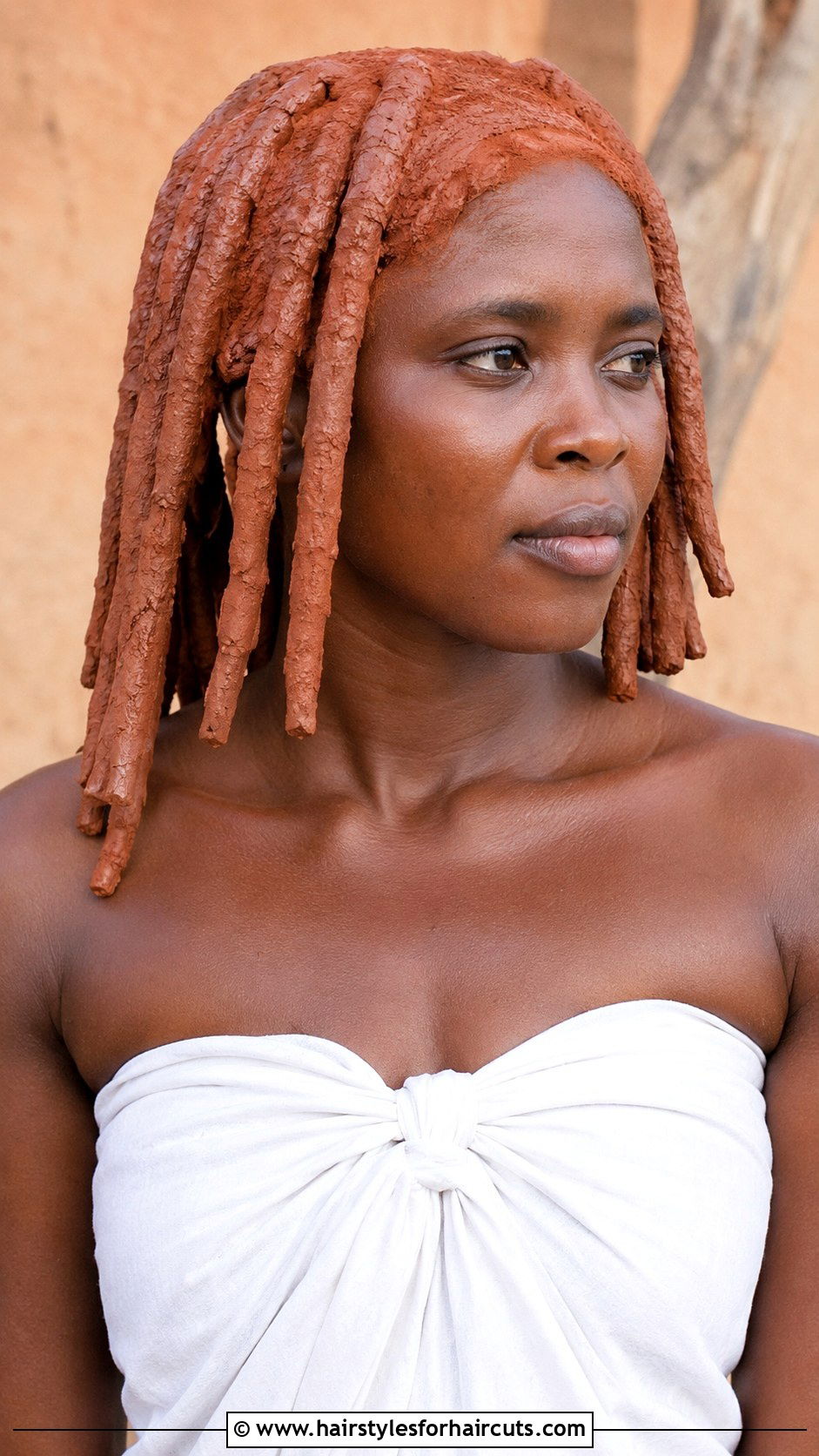
What happens when the earth becomes your styling product? The Shona people of Zimbabwe developed a unique way to form dreadlocks using the rich, red soil of their homeland. Women and spiritual healers would coat their hair in a mixture of local clay and mud, twisting it into thick, rigid locs. As the mud dried, it hardened the hair into permanent, sculptural forms. This practice served both practical and spiritual purposes. The mud protected the hair from parasites and the scorching sun, while the resulting locs were believed to ground the wearer to the ancestral lands. It is a literal connection between the human body and the soil.
25. Edo Coral Bead Braid Hairstyle

How does a kingdom display its vast wealth? In the ancient Benin Kingdom, the Edo people adorned their braided hairstyles with abundant coral beads. The Oba, or king, and his queens wore towering braided wigs dripping with these precious red stones. The coral beads, obtained through trade, were a symbol of royal power and divine right. Commoners were strictly forbidden from wearing them in their hair. The heavy beaded braids framed the face and cascaded down the shoulders, creating a mesmerizing visual effect. The intricate combination of tight plaits and glowing red beads remains an enduring symbol of the opulence and sophisticated artistry of the Benin Empire.
Conclusion:
The legacy of these ancient traditions is truly profound. When we look back at these 25 ancient african hairstyles, we see much more than just ways to manage hair. We witness a vibrant tapestry of human history, ingenuity, and cultural pride. Every braid, twist, and shaved line carried a specific meaning, telling the world who you were, where you came from, and what you believed. These historical looks laid the foundation for countless modern trends we see today. By understanding and respecting these origins, we honor the incredible skill and creativity of the ancestors who invented them. Their beautiful artistry continues to inspire and empower people around the globe.

Leave a Reply