
Ancient Egypt has always fascinated us with its rich history, bold fashion, and iconic beauty rituals. When exploring 25 ancient egyptian hairstyles, you quickly realize that hair was not just about looking good. It showed your social status, age, and wealth. From elaborate wigs adorned with gold to simple shaved heads kept cool in the desert heat, the options were incredibly diverse. Both men and women took immense pride in their grooming routines. They used natural oils, henna dye, and intricate braiding techniques to create stunning looks that still inspire modern fashion today. Let us take a journey back in time to discover how the Egyptians styled their hair and what made each look so unique and meaningful in their vibrant culture.
1. Tripartite Wig For Women
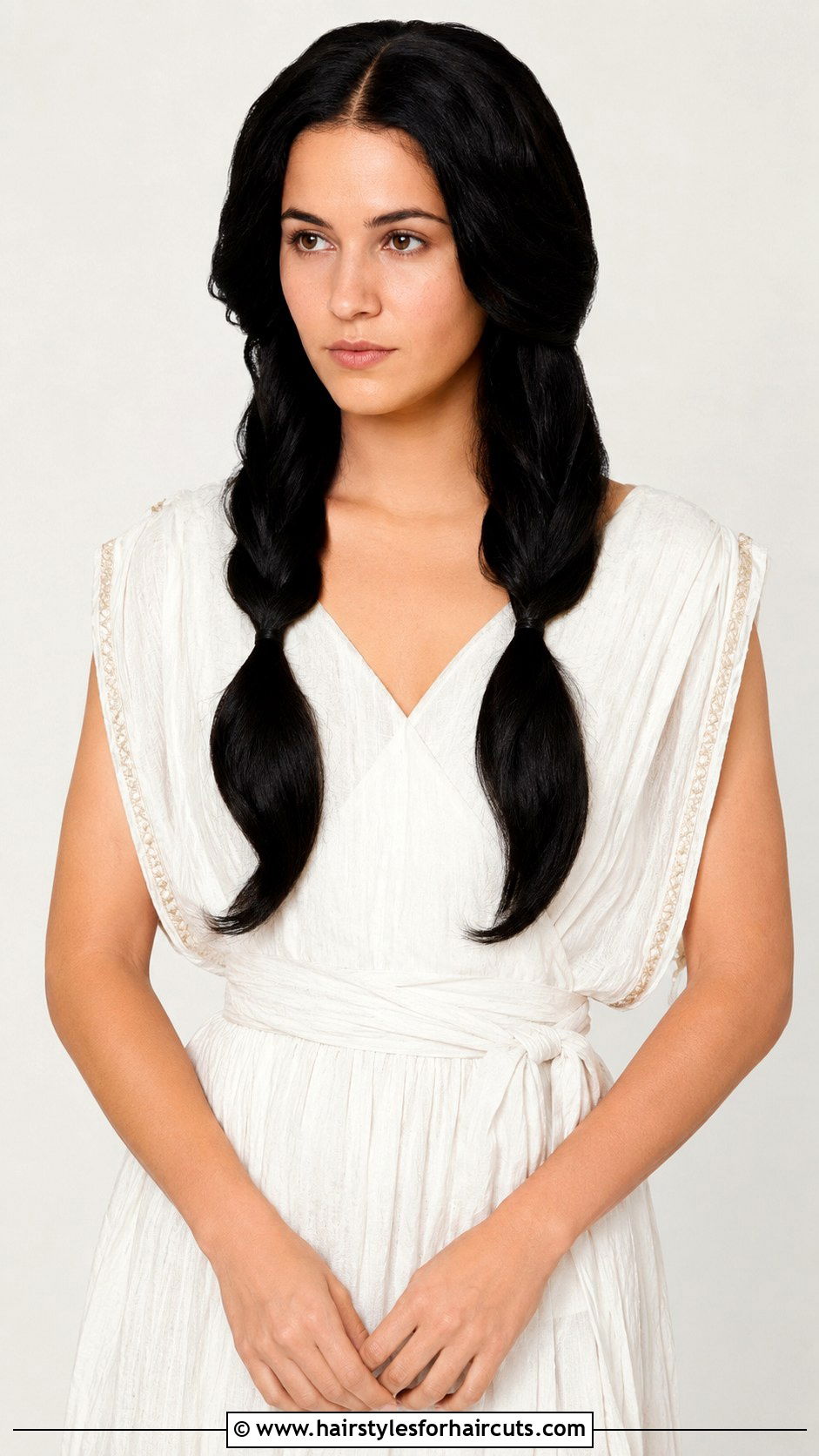
Have you ever wondered how Egyptian queens achieved that iconic silhouette? The tripartite wig is the answer. This stunning look features three distinct sections of hair. Two heavy sections fall down the sides of the face, framing the cheeks and reaching past the shoulders. The third section flows down the back. It creates a beautiful, symmetrical frame that highlights the face perfectly. Women of high status wore this style to signal their wealth and power. The thick, luscious locks were often enhanced with braids or loose waves. It was a statement piece that required meticulous styling. You can easily see why it remains one of the most recognizable symbols of ancient Egyptian beauty and fashion today.
2. Nubian Wig With Spiral Curls
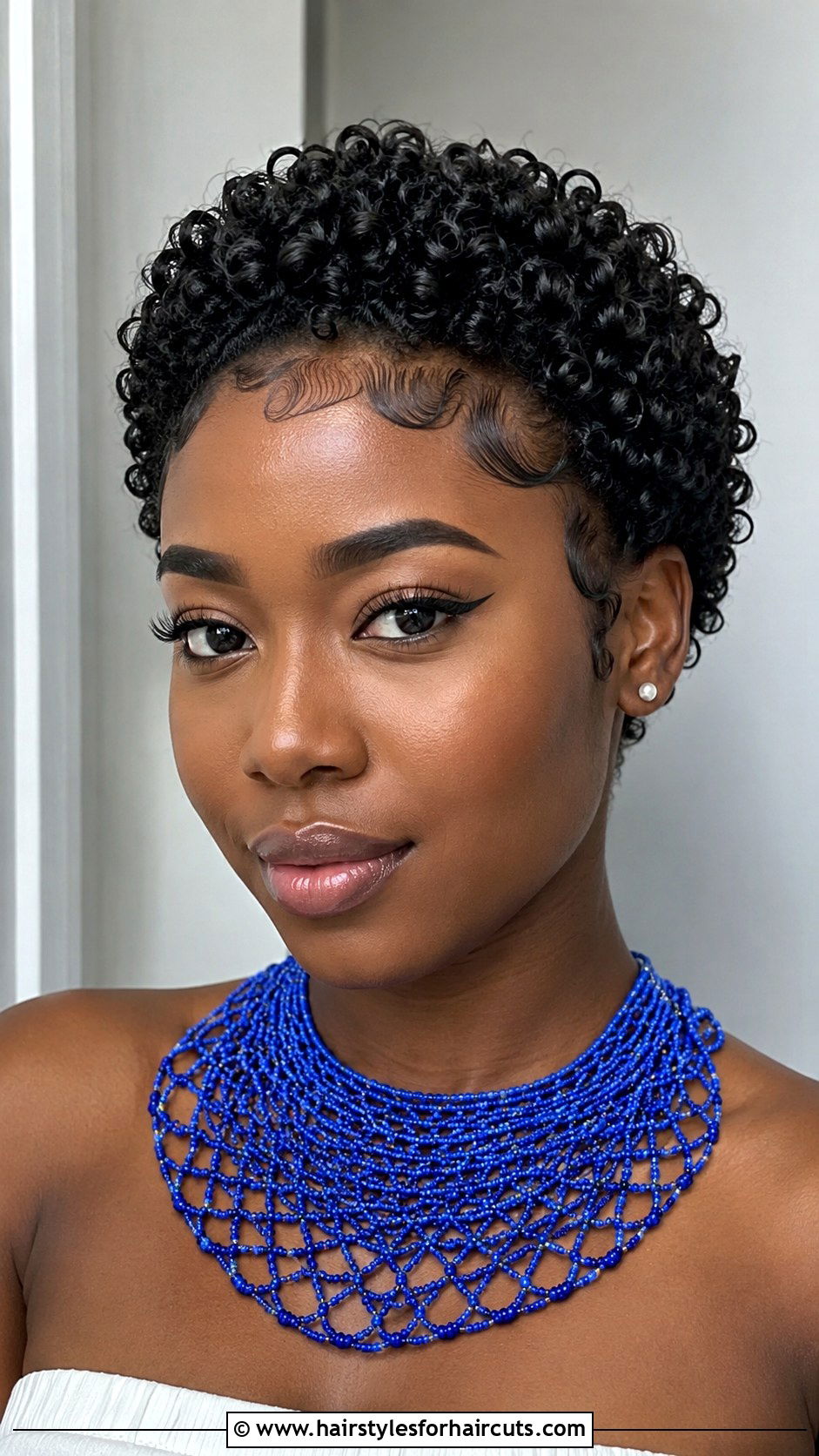
Picture tight, bouncy curls framing a regal face. The Nubian wig became highly popular during the New Kingdom. It featured short, thick spiral curls that sat close to the head. This style was inspired by the hair of Nubian people from the south. Egyptian women and men both embraced this striking look. The tight curls created a beautiful halo effect, adding volume and texture. It was much shorter than other wigs, making it cooler in the hot climate. Royals like Queen Nefertiti famously wore this style, cementing its status as a symbol of elite fashion. The curly texture was carefully crafted to maintain its bounce and shape all day long.
3. Shaved Head With Headdress
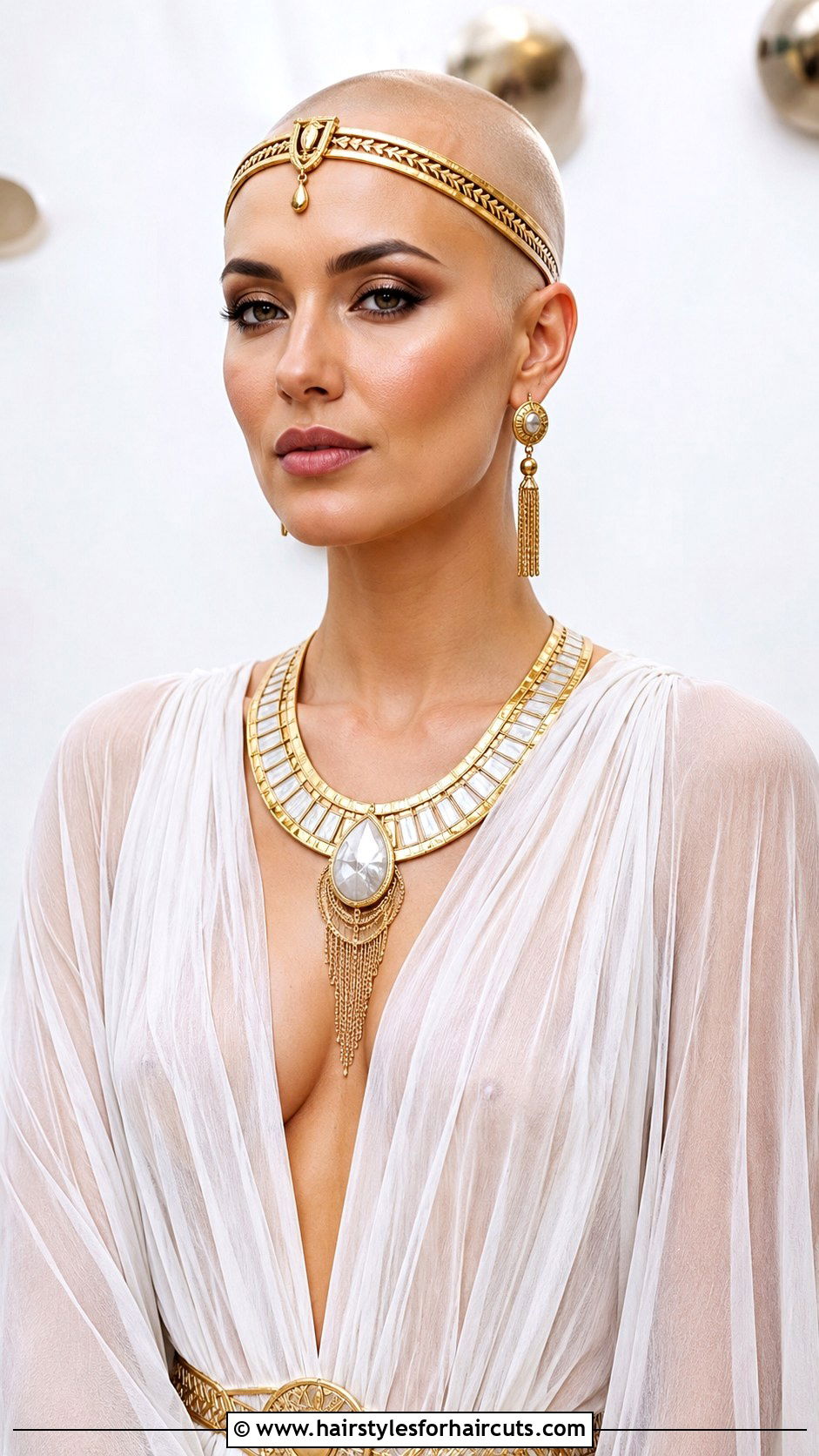
What was the most practical way to beat the desert heat? Going completely bald. Many Egyptians, regardless of their social class, shaved their heads entirely. This helped them stay cool and avoided issues with lice. However, they did not leave their heads bare. They wore elaborate headdresses, crowns, and linen bands over their smooth scalps. For everyday wear, a simple cloth band kept sweat away. For special events, golden diadems and beaded caps added immense beauty. Priests had to be completely bald for ritual purity. A shaved head paired with a stunning headdress offered both ultimate comfort and a blank canvas for gorgeous accessories. It was a highly practical yet beautiful choice.
4. Long Braided Wig With Beads

Imagine cascading braids adorned with shining gold. Long braided wigs were the ultimate sign of luxury. Egyptians crafted these wigs from human hair, sheep’s wool, or plant fibers. They divided the hair into dozens of tight, even plaits. Then, they strung colorful beads, gold tubes, and precious stones onto the ends. The braids hung heavily around the shoulders, creating a mesmerizing effect with every movement. Wealthy women and pharaohs wore these elaborate wigs for grand festivals and ceremonies. The added weight of the beads kept the braids swinging smoothly. This look represented immense wealth and a deep appreciation for detailed craftsmanship. It was truly a wearable piece of art.
5. Childhood Side Lock Hairstyle

Can a hairstyle tell you someone’s age instantly? In ancient Egypt, it absolutely could. The childhood side lock is a prime example. Young boys and girls kept their heads shaved except for one long, thick braid. This single braid hung from the left side of the head. Sometimes it curled into a J-shape. It stayed this way until they reached puberty. Then, the side lock was cut off in a coming-of-age ceremony. This style was not just a fashion choice. It symbolized youth and the special protection of the god Horus. You can spot this distinct look on many ancient statues and tomb paintings. It clearly marked the transition from child to adult.
6. Short Cropped Wig For Men

Looking for a clean, masculine look? The short cropped wig was incredibly popular among Egyptian men. It covered the head like a cap, ending just above the ears. The hair was layered and slightly wavy, giving it a natural, full appearance. Officials, scribes, and noblemen wore this style daily. It looked professional and neat. The cropped wig framed the face without getting in the way of work. It was also much cooler to wear than longer, heavier wigs. Men often paired this wig with a simple linen collar necklace. It provided a polished appearance suitable for both administrative duties and casual outings. It remains a classic representation of ancient male grooming.
7. Henna Dyed Red Hair

Have you ever wanted fiery, vibrant locks? Ancient Egyptians certainly did. Henna dyed red hair was highly sought after. They used the leaves of the henna plant to create a rich, orange-red paste. This natural dye conditioned the hair while giving it a stunning color. Red held special significance. It was linked to the god Set and symbolized vitality and magic. Both men and women used henna to color their natural hair and their wigs. The result was a glossy, vibrant hue that caught the sunlight beautifully. It also helped hide gray hairs, keeping the wearer looking youthful. This gorgeous red tone remains an iconic part of Egyptian beauty history today.
8. Layered Double Wig

How do you combine volume with length? The layered double wig solved this perfectly. This unique style featured two distinct tiers of hair. The bottom layer was long and straight, falling down the back. The top layer was shorter, ending at the shoulders with a slight flip. This created incredible volume and a very regal shape. Queens and noblewomen favored this dramatic look. It framed their faces beautifully while showing off the thick texture of the wig. The contrast between the two lengths added visual interest and grandeur. It was a complex style that required expert wig-making skills. Wearing this wig definitely ensured all eyes were on you at any royal gathering.
9. Cornrows With Hair Rings
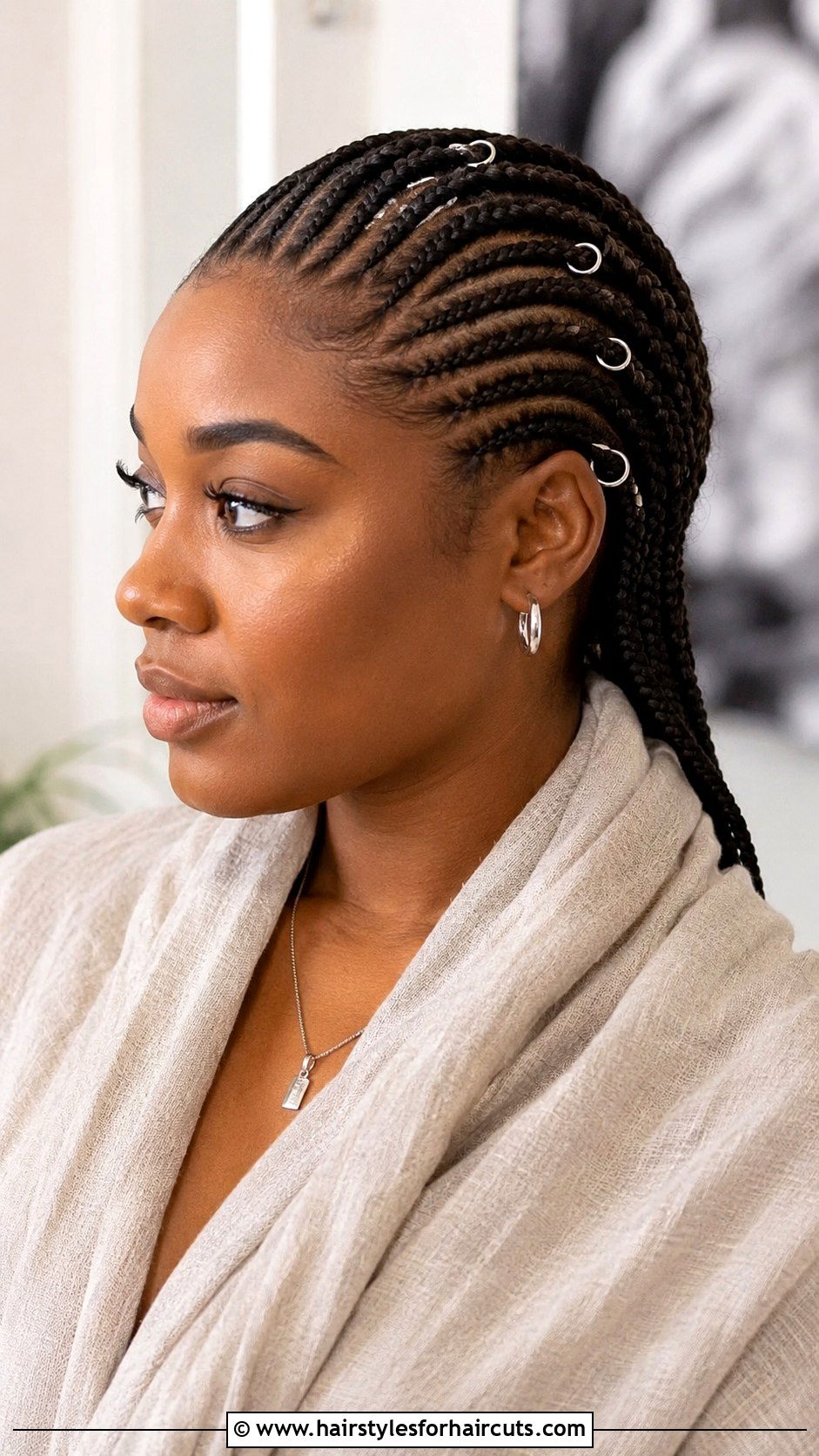
Want a style that combines intricate detail with durability? Cornrows were a staple in ancient Egypt. Both men and women wore their hair in tight, complex braids that lay flat against the scalp. These braids followed distinct patterns, often sweeping back from the forehead. To elevate the look, they added small metal or ceramic rings to the ends of the braids. These rings clinked softly when the wearer moved, adding an auditory element to the beauty. Cornrows were practical for the hot climate and kept hair securely in place. They also showcased the stylist’s skill. This protective style was both functional and incredibly stylish for everyday life and special events.
10. Tight Curls With Headband

Need a simple way to keep curls out of your face? Tight curls with a headband were a timeless choice. Egyptians wore wigs made of tightly coiled hair that framed the face beautifully. To keep the curls from falling into their eyes, they wrapped a linen or leather headband around their head. This band sat just above the forehead. Sometimes it was plain, but often it featured colorful beads or gold leaf. The combination of the soft, bouncy curls and the structured band created a lovely contrast. It was an active, lively style that worked well for dancing and daily chores. It showed off the face while keeping things neat and elegant.
11. Shoulder Length Bob Wig
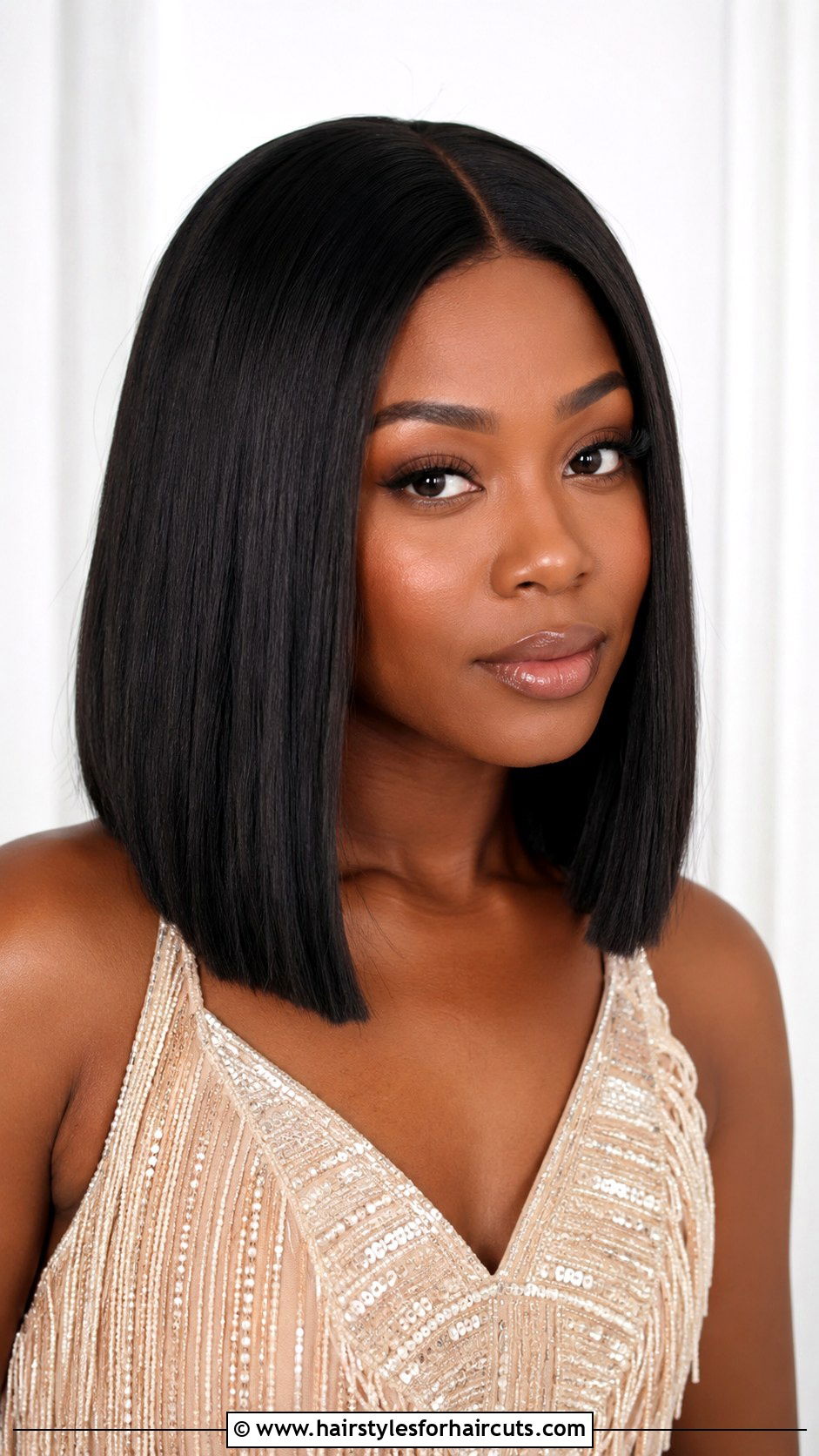
Looking for a chic, manageable length? The shoulder length bob wig was a favorite among working women and entertainers. It featured bluntly cut ends that rested right at the shoulders. The hair was usually straight or featured a very slight wave at the bottom. This cut was much lighter than floor-length wigs. It allowed for easier movement during daily tasks. Dancers and musicians often wore this style because it looked graceful in motion. The bob framed the face neatly without overwhelming the wearer. It was a practical yet highly attractive option. This simple, elegant look proves that ancient Egyptians appreciated clean lines and functional fashion just as much as we do today.
12. Braided Ponytail With Gold Tubes

How do you make a simple ponytail look regal? Add gold tubes, of course. This style gathered all the hair at the back of the head into one thick, long ponytail. The hair within the ponytail was divided into several distinct braids. Each braid was threaded with small, hollow gold tubes. These tubes caught the light and added a dramatic sway to the hair. It was a striking look favored by both male and female nobility. The gold indicated high status and immense wealth. The ponytail kept the hair contained, while the braids and metal accents made it look spectacular. It was an elegant solution for keeping cool while looking incredibly luxurious.
13. Diadem With Flowing Wig
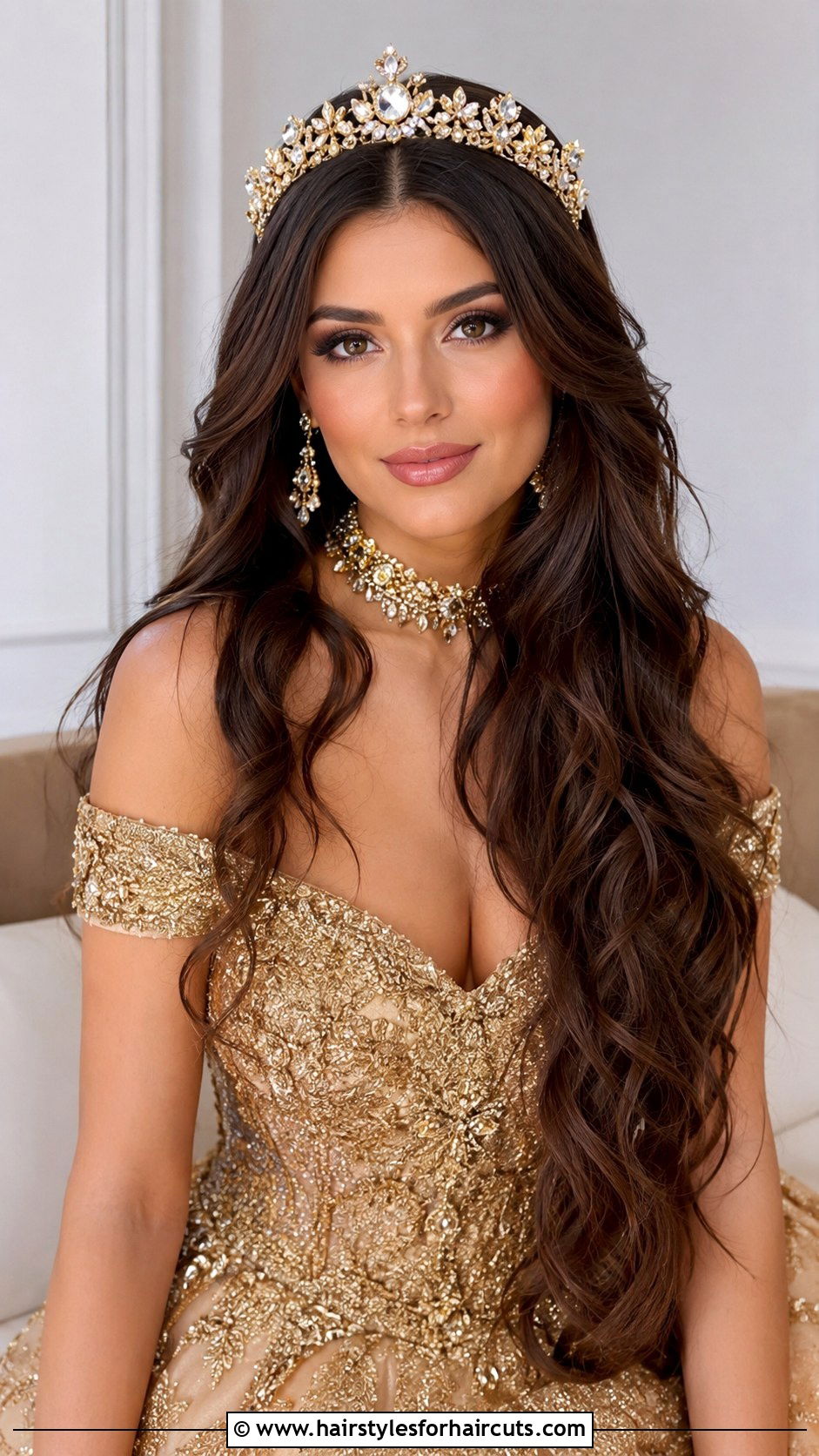
What screams royalty more than a golden crown? A diadem with a flowing wig created the ultimate queenly image. The diadem was a delicate, jeweled headband that rested on the wig. Below it, thick, gorgeous waves of hair fell freely down the back and shoulders. The wig itself was often made of the finest human hair. The contrast between the rigid, sparkling gold of the diadem and the soft, moving hair was breathtaking. It gave the wearer an aura of divine power and grace. Goddesses and queens were depicted wearing this majestic combination. It remains the ultimate symbol of ancient Egyptian royal authority and classic feminine beauty combined together perfectly.
14. Flared Wig For Men

Want a bold, masculine silhouette? The flared wig was a striking choice for men. It featured thick hair that sat close to the head on top but flared out dramatically at the ears and neck. This created a broad, powerful shoulder line. Pharaohs and high-ranking officials wore this to emphasize their strength and dominance. The flare was often achieved through layers of stiff curls or carefully shaped braids. It framed the face aggressively and commanded immediate respect. The sheer volume of the wig made the wearer look larger than life. It was a true power hairstyle. This distinct shape is heavily featured in carvings and statues of mighty pharaohs throughout history.
15. Twisted Updo With Combs
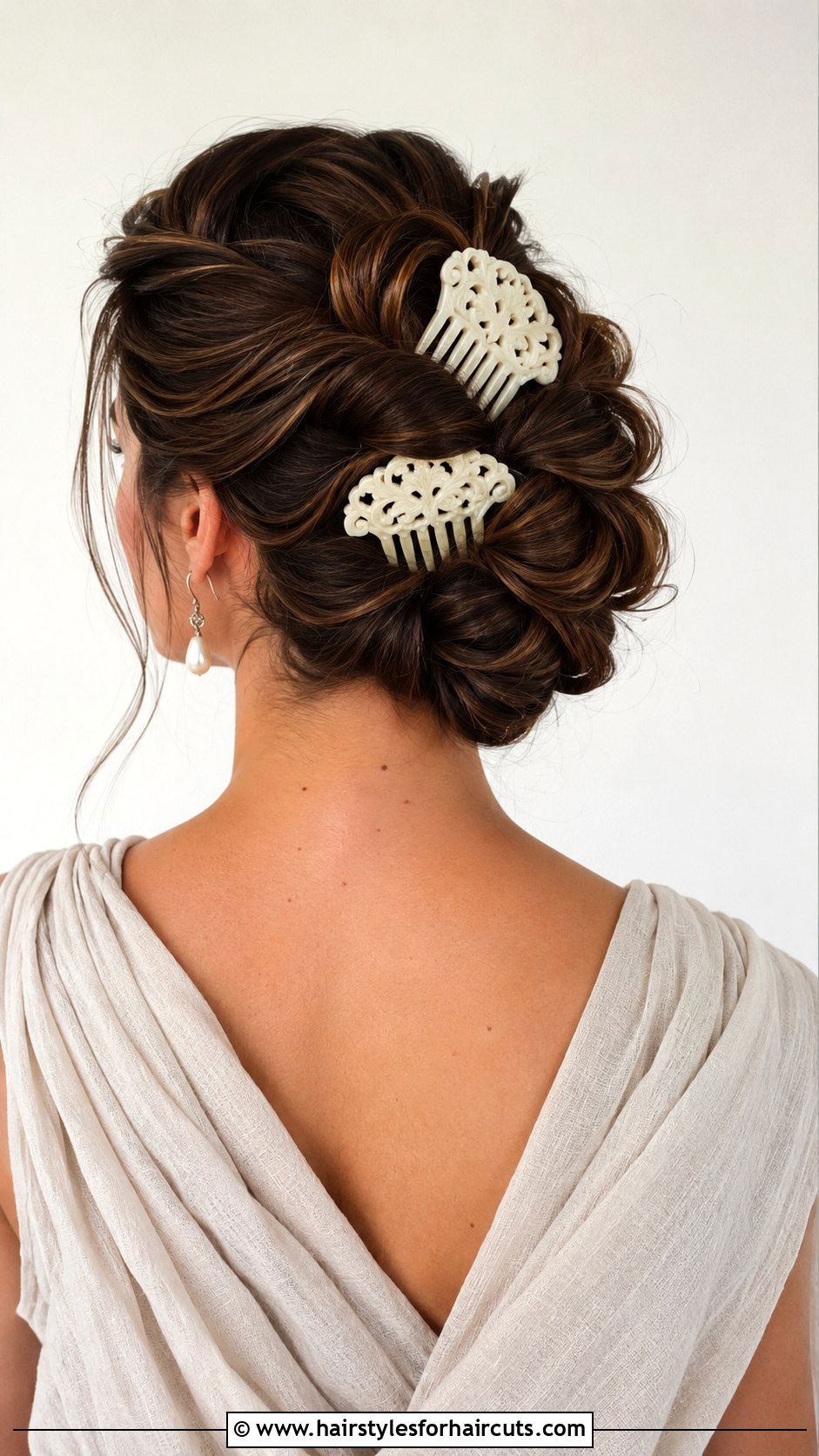
Searching for an elegant way to wear hair up? The twisted updo was a sophisticated choice. Instead of letting hair hang loose, women gathered their locks and twisted them into intricate knots at the back or top of the head. They secured these twists with beautifully carved combs made of wood, ivory, or bone. The combs themselves were works of art, often featuring animal motifs. This style kept the neck cool in the desert heat while looking incredibly refined. It was perfect for wealthy women who wanted an intricate, polished look for banquets. The smooth twists and ornate combs created a stunning balance of practicality and high class ancient fashion.
16. Faux Beard For Pharaohs
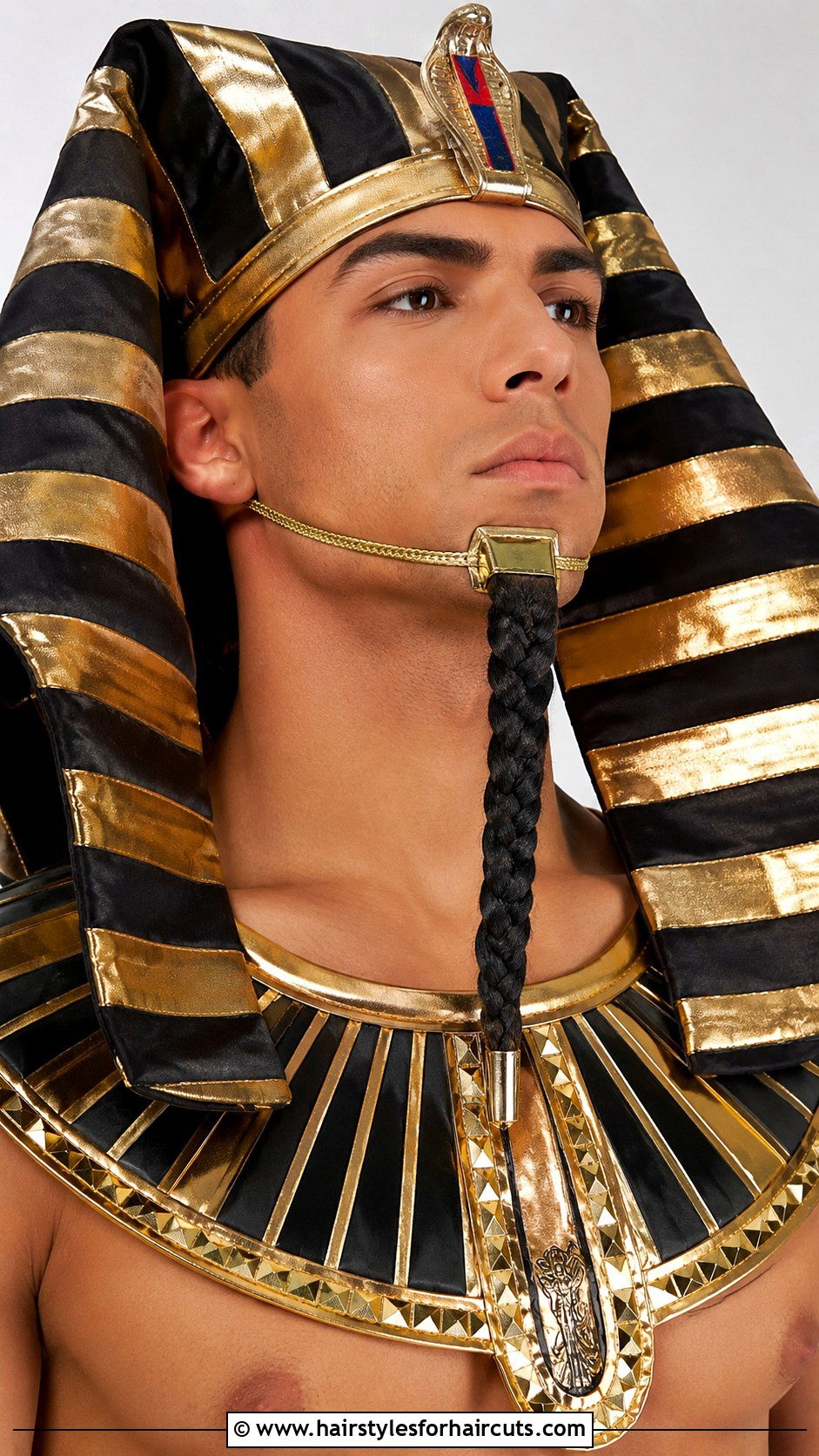
Did Egyptian men actually wear long, narrow beards? Not usually. The faux beard was a highly symbolic false beard worn by pharaohs. It was braided and held onto the chin by a strap that wrapped around the head. Even female pharaohs like Hatshepsut wore these false beards. The beard was a direct symbol of divine authority and kingship. It connected the ruler to the god Osiris. It was not about mimicking natural facial hair. Instead, it was a ritualistic accessory worn during important ceremonies. The braided faux beard made the pharaoh instantly recognizable as the living god of Egypt. It remains one of the most fascinating and unique ancient grooming traditions ever recorded.
17. Long Straight Wig With Blunt Cut

Craving a sleek, polished aesthetic? The long straight wig with a blunt cut delivered just that. This wig featured perfectly straight hair cut evenly across the bottom. It usually fell all the way to the chest or waist. The blunt edge created a heavy, solid line of hair that looked incredibly rich. High-status women wore this style when they wanted to appear sophisticated and flawless. There were no messy layers or flyaways. Every strand laid perfectly in place. It was often crafted from the finest, shiniest black hair available. The severe straightness and sharp cut made it a striking fashion statement. It showed off the perfection and precision that Egyptians valued so deeply.
18. Braided Crown Updo

How do you keep hair totally off your neck while looking like a queen? The braided crown updo was a brilliant solution. Women braided their long hair into thick plaits. Then, they wrapped these plaits around the top of their head like a crown. This created a beautiful, halo-like effect. It kept them extremely cool in the harsh desert sun. The braided crown also added natural height and presence. Sometimes they wove fresh flowers or golden threads into the braids for extra beauty. This style was both practical and highly elegant. It gave the wearer a regal, elevated appearance. It was an early example of an updo that combined utility with high fashion.
19. Asymmetrical Side Braids

Tired of perfectly symmetrical hair? Asymmetrical side braids offered a unique twist. Instead of braiding hair evenly on both sides, Egyptians sometimes gathered most of the hair and braided it heavily to one side. This created a dramatic, uneven silhouette. It was a style that stood out in a crowd. Dancers and performers often wore this look because it moved dynamically with their bodies. The heavy braid swinging on one side added a rhythmic element to their movements. It was an expressive and artistic choice. This style proved that ancient Egyptian fashion was not always rigid and formal. It could be playful, bold, and full of exciting movement for festive occasions.
20. Curly Wig With Lotus Flowers

Want to smell as good as you look? The curly wig with lotus flowers was a sensory delight. Women wore wigs full of tight, bouncy curls. Then, they tucked fresh, fragrant lotus blossoms into the curls. The lotus was a sacred symbol of rebirth and the sun. As the wearer moved, the flowers released a beautiful perfume. This style was highly popular at banquets and parties. The combination of the dark, glossy curls and the bright white or blue flowers was visually stunning. It showed a deep connection to nature and the gods. It was the ultimate party hairstyle. It blended visual beauty with aromatherapy for a truly immersive and elegant experience.
21. Short Layered Wig With Bangs

Looking for a youthful, face-framing style? The short layered wig with bangs was a charming choice. This wig fell just above the shoulders and featured soft, choppy layers. The bangs were cut straight across the forehead or slightly swept to the side. This framed the eyes and cheekbones beautifully. It was a very natural and lively look. Women who wanted a softer, less rigid appearance chose this style. The layers gave the wig movement, while the bangs highlighted the face. It was a versatile option that looked great with or without a headdress. This style remains highly relatable today. It proves that ancient women loved a good, bouncy fringe just like modern women do.
22. Plaited Hair With Ivory Pins

How did wealthy women secure their elaborate styles? Plaited hair with ivory pins was a sign of extreme luxury. Women wore their hair in long, thick plaits. Instead of simple ties, they used beautifully carved ivory pins to hold the braids in place. Ivory was a rare and expensive material. The pins were often carved with intricate designs, like animal heads or geometric patterns. Sliding these pins into a plait instantly elevated the hairstyle from simple to spectacular. It was a subtle display of wealth that only close observers would notice. The smooth, white ivory stood out against the dark, braided hair. It was a refined, classy finishing touch for noble women.
23. Waist Length Braided Wig

Want hair that makes a dramatic entrance? The waist length braided wig was the ultimate power move. This massive wig featured dozens of long, thin braids that fell all the way to the waist. It was incredibly heavy and required a lot of skill to make. Only the wealthiest individuals could afford such a luxurious piece. The sheer volume of braids created a stunning, thick curtain of hair. It signaled that the wearer had the resources to devote hours to their appearance. The braids were often coated in perfumed oils to keep them smooth and shiny. It was a breathtaking, extravagant look that dominated any room the wearer entered.
24. Tight Spiral Wig With Ribbon

Need a festive yet elegant look? The tight spiral wig with ribbon hit all the right notes. This wig featured short, bouncy spiral curls covering the entire head. A colorful ribbon was woven through the curls, adding a pop of bright color. The ribbons were usually red, blue, or yellow. This style was incredibly joyful and celebratory. Women wore it to religious festivals and family gatherings. The tight curls provided a dense, textured base, while the ribbon added a personalized touch. It was a lively, beautiful style that broke up the monotony of plain black wigs. It showed off the playful side of ancient Egyptian fashion and their love for vibrant accessories.
25. Half Shaved Head With Long Braids

Looking for something edgy and rebellious? The half shaved head with long braids was an avant-garde choice. This striking look featured one side of the head shaved completely smooth. The other side had long, thick braids that fell over the shoulder. It was a daring style that went against the traditional symmetrical looks. Performers and certain priestesses sometimes adopted this extreme fashion. It showed a fierce, unconventional spirit. The contrast between the bare scalp and the heavy braids was shocking and captivating. It created a very strong, asymmetric silhouette. This bold look proves that ancient Egyptians were not afraid to push boundaries and experiment with shocking, modern-looking hair concepts.
Conclusion:
Exploring these 25 ancient egyptian hairstyles reveals a culture deeply invested in personal expression, hygiene, and social status. Hair was a powerful tool for communication in ancient Egypt. From the practical shaved heads to the extravagant waist-length braided wigs, every style served a purpose. They used incredible ingenuity to craft wigs, dye hair with henna, and adorn their locks with gold and ivory. These ancient trends continue to inspire modern braiding techniques, wig-making, and hair accessories today. The next time you wear a braided crown or add a decorative hair pin, remember you are participating in a rich grooming legacy. The beauty and innovation of ancient Egypt truly live on in our modern hair choices.

Leave a Reply