
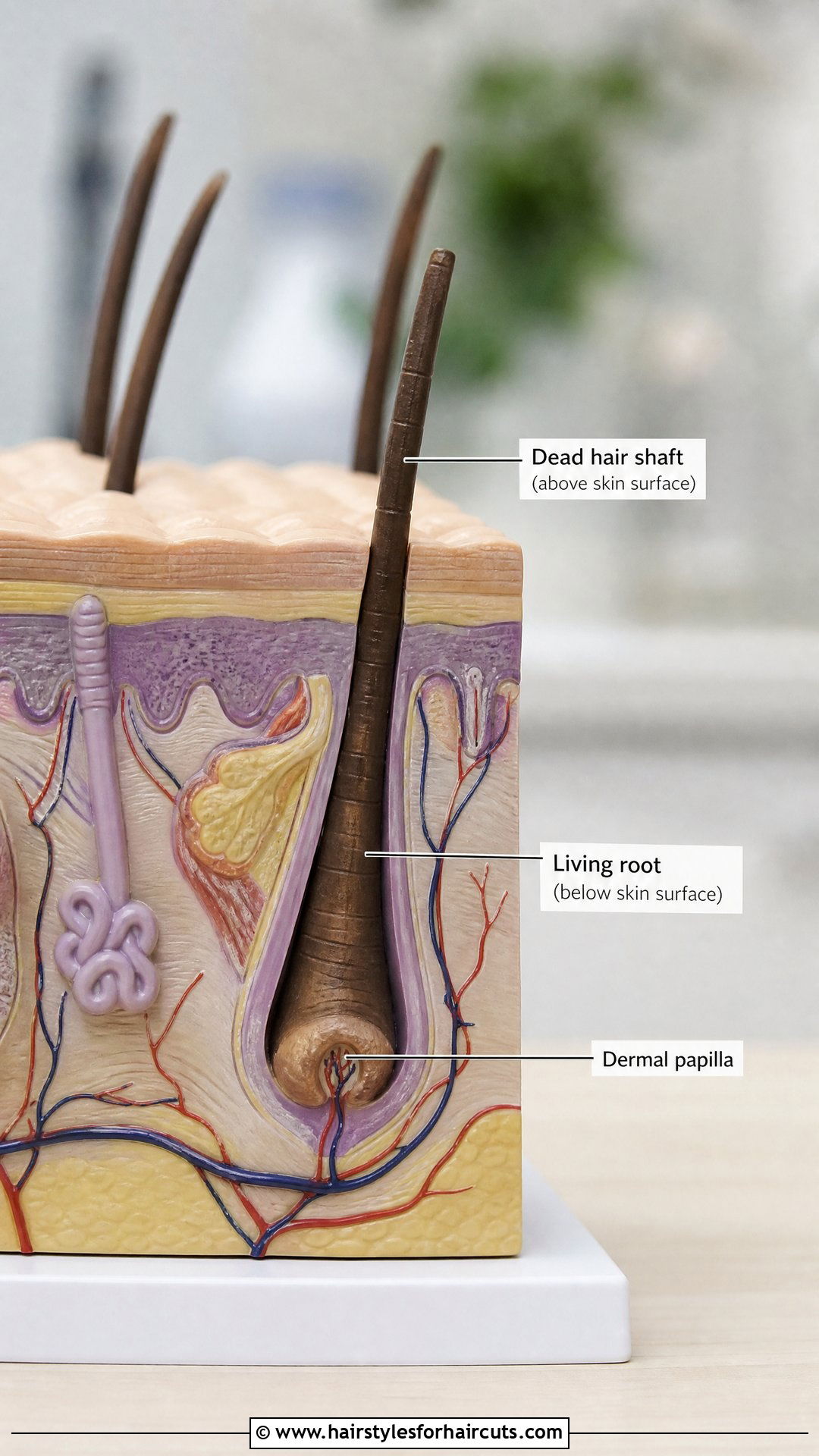
A bad haircut can leave you feeling anxious and self-conscious, but the fear that it might directly cause hair loss is a common misconception. The straightforward answer is no: the act of cutting your hair, even poorly, does not damage the hair follicle or cause permanent hair loss 【turn0search1】【turn0search5】【turn0search10】. Hair is composed of dead keratin cells, and trimming the shaft has no impact on the living root where growth occurs. However, the emotional distress from a disappointing cut or the styling choices you make afterward can sometimes contribute to temporary shedding or exacerbate existing issues. This article will thoroughly examine the relationship between haircuts and hair loss, separating myth from fact and exploring the indirect ways a bad haircut might affect your hair’s health and appearance.

1. Can A Bad Haircut Cause Hair Loss
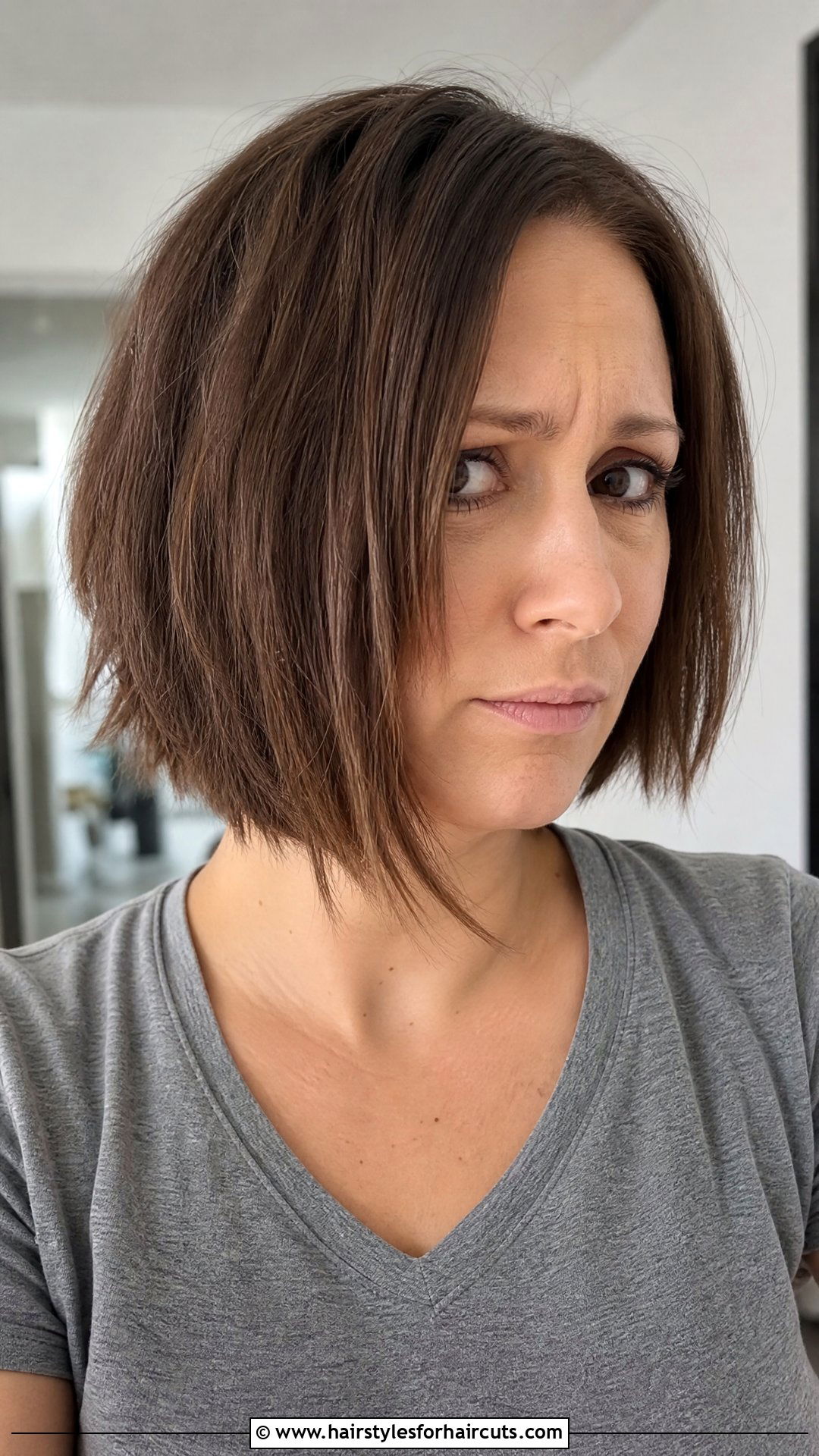
The primary concern is whether the physical act of a bad snip can trigger hair loss. Experts are unequivocal: it cannot. Hair follicles reside beneath the scalp and are not affected by what happens to the visible hair shaft 【turn0search5】【turn0search10】. A haircut, regardless of quality, only alters the length and style of the dead fiber. The anxiety following a bad cut is understandable, but the haircut itself is not the culprit for any subsequent loss 【turn0search1】. Any noticeable shedding is likely coincidental, part of the normal hair growth cycle, or related to other factors like stress or traction from styling, not the cut itself.
2. Can Cutting Your Hair Stunt Growth

A related myth suggests that cutting hair, especially short, can stunt its growth or make it thinner. This is false. Trimming the ends has no influence on the follicle’s growth rate or the hair’s diameter 【turn0search5】【turn0search8】. In fact, regular trims are often recommended because removing split ends prevents them from traveling up the shaft, which can lead to breakage and make hair appear thinner and less healthy 【turn0search6】. A fresh cut can create the illusion of thicker, fuller hair by removing straggly ends, but it doesn’t change the actual growth process or thickness of the hair shafts 【turn0search5】.
3. Hairstyles That Pull Can Lead To Hair Loss

While a bad cut won’t cause loss, the hairstyle you choose afterward might. Traction alopecia is a real form of hair loss caused by continuous pulling on the hair roots 【turn0search4】【turn0search12】. If your bad haircut results in a style that requires tight braids, ponytails, or extensions to disguise, you could be inadvertently damaging your follicles. The constant tension can weaken the hair shaft and, over time, cause the follicle to become inflamed and stop producing hair, particularly around the hairline 【turn0search4】. This is an indirect consequence of the styling solution, not the initial cut.
4. Does Needing A Haircut Cause Hair Loss

The simple need for a trim does not cause hair loss. In fact, avoiding haircuts for long periods can lead to split ends and breakage, which makes hair look thinner and less healthy 【turn0search6】. The idea that needing a haircut causes loss may stem from the observation that longer, damaged hair appears more voluminous until it breaks off. Regular trims remove the oldest, most weathered part of the hair shaft, preventing breakage and maintaining a thicker appearance 【turn0search5】. Neglecting cuts can exacerbate damage from styling and environmental factors, but it doesn’t cause the follicle to stop producing hair.
5. Stress From A Bad Haircut Can Cause Hair Loss
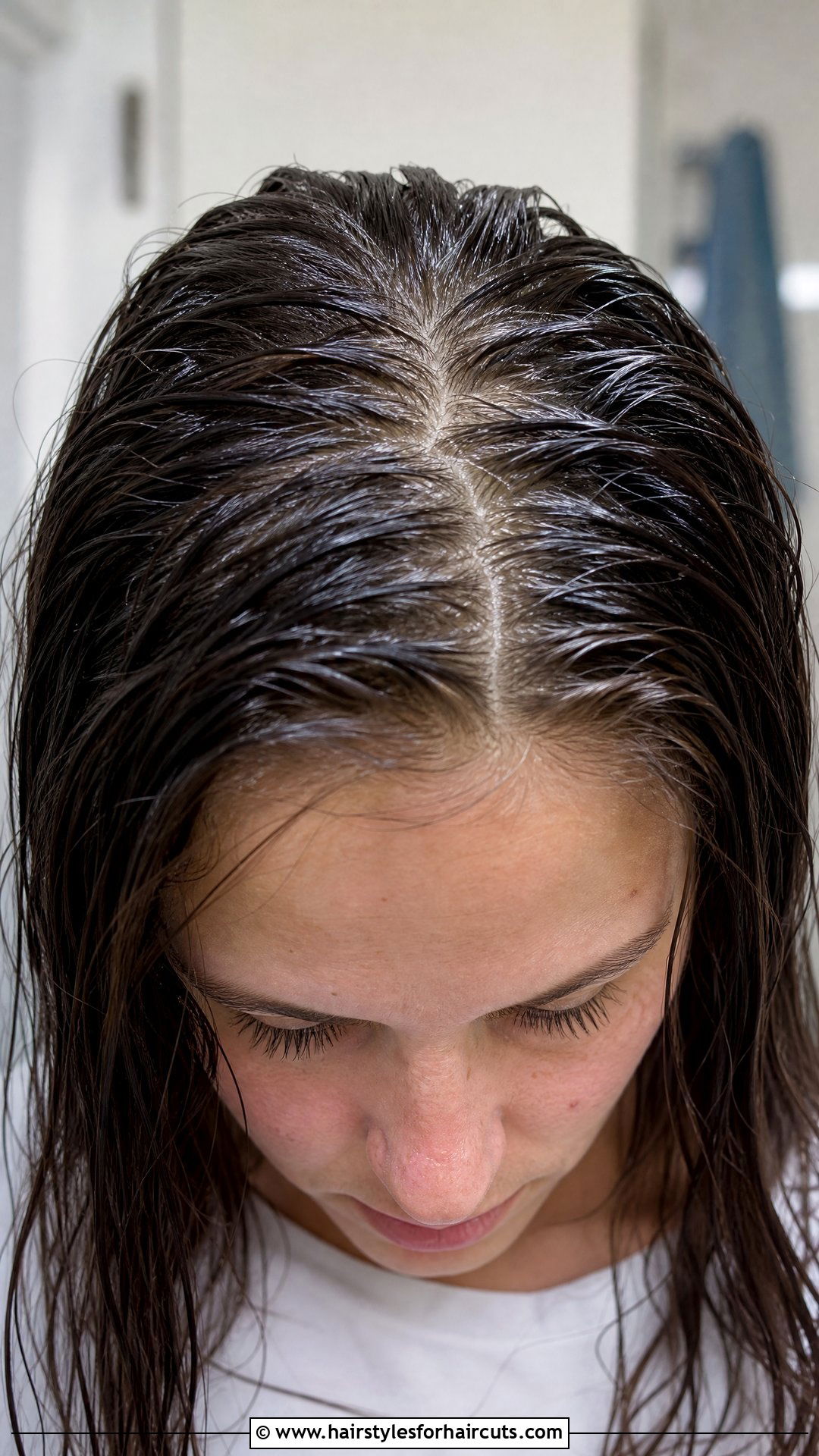
This is a significant indirect link. The emotional distress and self-consciousness following a bad haircut can be a form of psychological stress 【turn0search13】. High stress levels are known to disrupt the normal hair growth cycle, potentially pushing a large number of hair follicles into the shedding phase, a condition called telogen effluvium 【turn0search14】【turn0search15】. This type of hair loss is temporary and usually occurs several months after the stressful event. Therefore, while the bad cut itself isn’t the cause, the anxiety it provokes can contribute to a temporary increase in hair shedding 【turn0search14】.
6. Greasy Hair Falls Out More Often

This statement is true and relates to scalp health rather than haircuts. Excess sebum (oil) production can mix with dirt and product buildup, potentially clogging hair follicles 【turn0search5】【turn0search8】. This environment can interfere with healthy hair growth and lead to increased shedding. A bad haircut might discourage you from washing your hair as frequently or effectively, especially if you’re trying to style it a certain way, which could exacerbate oiliness. Maintaining a clean scalp with appropriate washing is crucial for minimizing this type of hair loss 【turn0search5】.
7. Washing Hair Daily Makes It Fall Out

This is a common myth. Washing your hair daily, if needed, does not cause hair loss 【turn0search5】. The hair that falls out during washing was already in the shedding phase and ready to fall out. In fact, for those with oily scalps, regular washing is beneficial to remove excess sebum that could otherwise clog follicles 【turn0search5】【turn0search8】. The key is to use gentle products and avoid aggressive scrubbing. A bad haircut might make you more hesitant to wash your hair for fear of ruining the style, but this practice could contribute to scalp issues, not the other way around.
8. Brushing Wet Hair Causes More Fall Out

This is also a myth. Hair is more elastic and prone to breakage when wet, so brushing can cause more hair to break off mid-shaft, which might be mistaken for loss from the root 【turn0search5】. However, brushing does not cause hair to fall out from the follicle. The hair that comes out during brushing was already shed and is simply being gathered. A bad haircut might lead you to handle your hair more roughly, especially if it’s difficult to style, potentially increasing breakage. Using a wide-tooth comb on wet hair is gentler.
9. Bad Haircut Causing Traction Alopecia
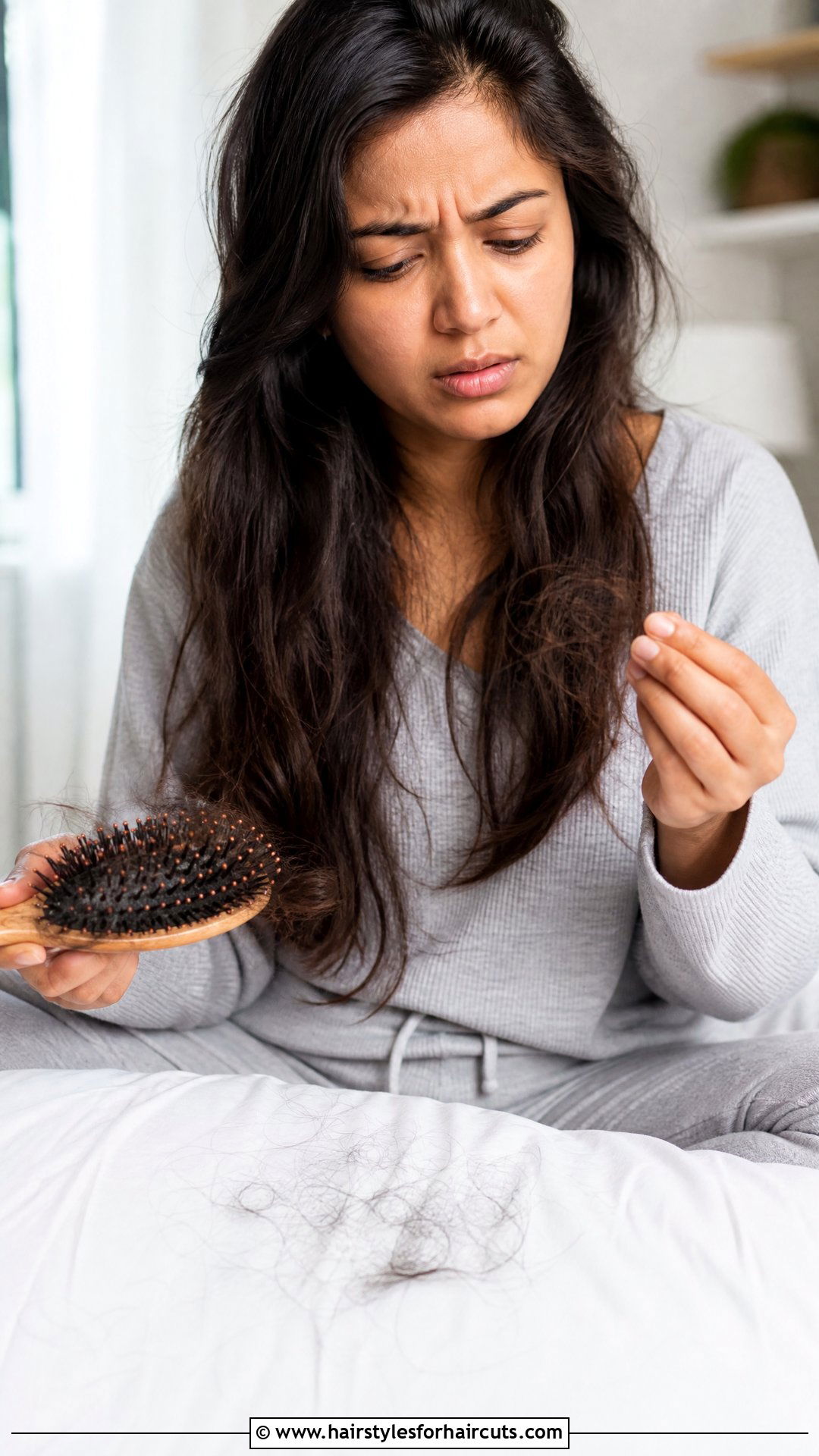
As introduced earlier, traction alopecia is hair loss from persistent pulling. A poorly executed haircut that is too short or uneven might compel you to wear tight hairstyles to cover it up 【turn0search4】. The constant tension from tight braids, weaves, or ponytails can cause inflammation and damage to the follicle, leading to gradual hair loss, especially at the temples and hairline 【turn0search4】【turn0search12】. This is a preventable condition by opting for low-tension styles and giving hair breaks from tight pulling, but it’s a direct result of the styling response to the bad cut.
10. Bad Haircut And Telogen Effluvium
Telogen effluvium is the excessive shedding of hair that occurs when a stressor pushes a large number of hair follicles into the resting (telogen) phase simultaneously 【turn0search15】. A bad haircut can be a significant emotional stressor, triggering this condition 【turn0search13】【turn0search14】. The shedding typically starts two to three months after the stressful event and can last for several months. It’s important to recognize that this is a temporary condition, and hair growth usually returns to normal once the underlying stress is managed or resolves.
11. Can A Bad Haircut Damage Hair Follicles

The hair follicle is the structure beneath the skin that produces the hair shaft. A haircut, no matter how bad, only affects the dead tissue above the skin’s surface and cannot damage the living follicle 【turn0search5】【turn0search10】. Damage to follicles usually comes from internal factors (like genetics, hormones, or medical conditions) or external factors (like severe tension, chemical burns, or infections). There is no mechanism by which scissors can harm the follicle during a standard cut. Any perceived damage is likely due to breakage or styling issues, not follicular harm.
12. Psychological Impact Of A Bad Haircut

The psychological fallout from a bad haircut should not be underestimated. It can lead to decreased self-esteem, social anxiety, and a preoccupation with appearance 【turn0search13】. This stress can, as mentioned, contribute to telogen effluvium 【turn0search14】. Furthermore, the anxiety might lead to over-styling, excessive heat use, or harsh chemical treatments to fix the cut, which can cause further damage to the hair shaft. Addressing the emotional impact through self-care, seeking professional correction, or talking to a stylist is crucial for overall well-being.
13. Correcting A Bad Haircut To Prevent Stress

The best way to mitigate the potential for stress-induced hair loss is to correct the bad haircut as soon as possible. Consult with a professional stylist who can reshape, blend layers, or add texture to improve the look 【turn0search0】. A good correction can instantly boost confidence and reduce anxiety, removing the psychological stressor. During the grow-out phase, consider using accessories like headbands, clips, or scarves to style your hair in ways that don’t require tension, avoiding the risk of traction alopecia.
14. Hairstyles That Disguise A Bad Haircut
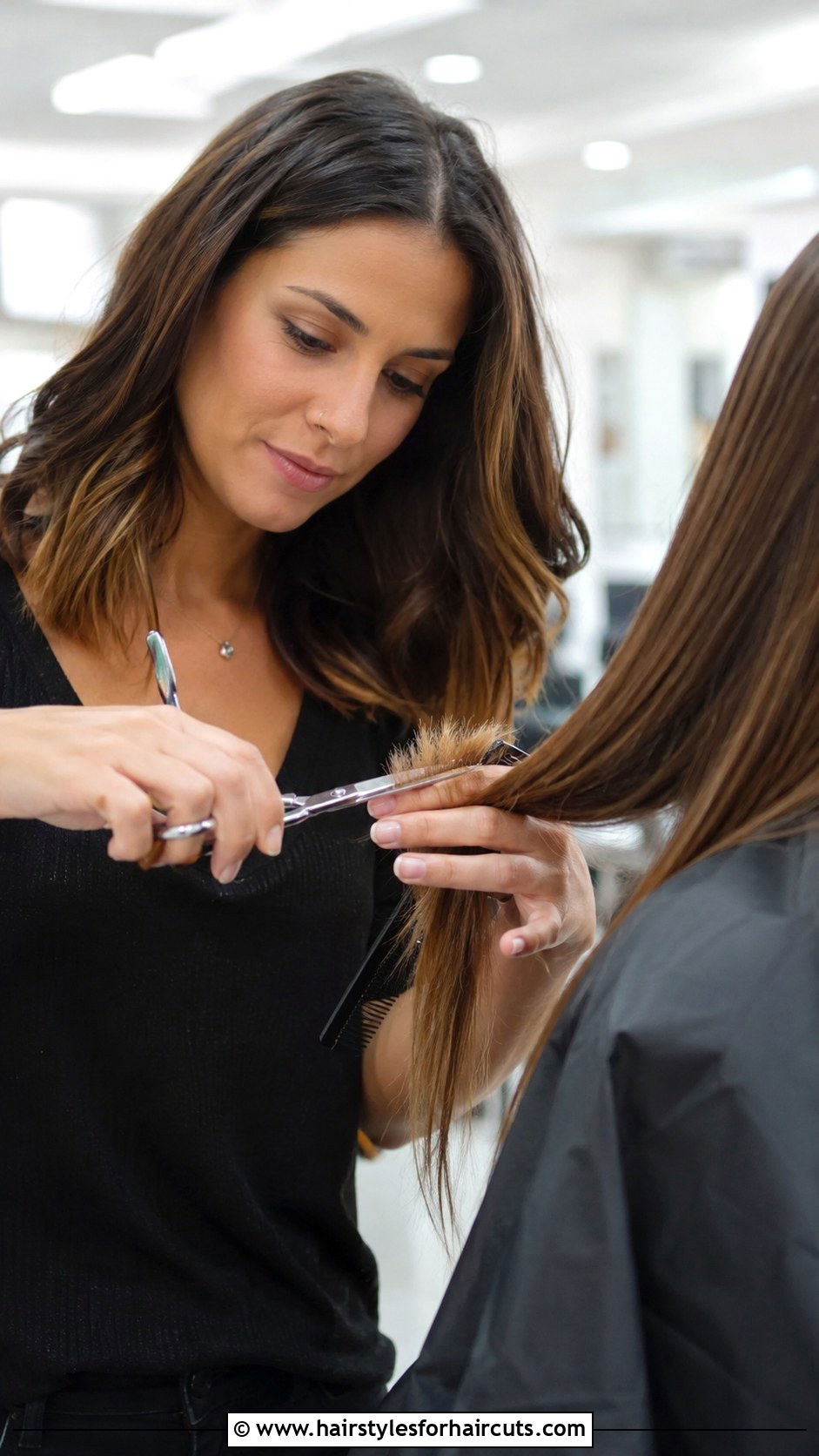
Choosing the right temporary hairstyle is key. Opt for loose, low-tension styles that don’t pull on the roots. Soft braids, loose low buns, and half-up styles can be effective 【turn0search4】. Avoid tight ponytails or buns that can cause traction alopecia. Using volumizing products at the roots can also help mask uneven layers or too-short pieces by adding lift and body. The goal is to keep hair off your face and neck without creating stress on the follicles, allowing the hair to grow out healthily.
15. Can Frequent Trims Cause Hair Loss

On the contrary, frequent trims are beneficial for hair health and do not cause hair loss 【turn0search6】【turn0search11】. Trimming removes split ends before they worsen and cause hair to break off higher up the shaft, which can make hair look thinner. Regular cuts (every 6-8 weeks) maintain the integrity of the hair shaft and prevent breakage, contributing to the appearance of fuller, healthier hair 【turn0search6】. The myth that frequent cutting leads to thinning likely arises from a misunderstanding of normal hair shedding versus breakage.
16. Bad Haircut And Breakage Vs Hair Loss

It’s crucial to distinguish between hair breakage and hair loss from the root. A bad haircut, especially one with uneven layers or excessive thinning, can lead to breakage if the cut is not blended properly or if you try to fix it with heat styling 【turn0search9】. Breakage results in shorter pieces of hair but does not affect the follicle. True hair loss involves the shedding of the entire hair shaft from the root. A bad haircut can cause significant breakage, making hair look thinner, but it does not cause the follicle to stop producing hair.
17. When To See A Doctor About Hair Loss

If you are experiencing hair loss that is sudden, excessive, or accompanied by itching, redness, or scaling, it’s time to consult a doctor or dermatologist 【turn0search14】. While a bad haircut can cause stress-related shedding, other medical conditions like thyroid disorders, iron deficiency, or alopecia areata could be the culprit. A professional can diagnose the cause and recommend appropriate treatment. If the hair loss is determined to be from traction alopecia due to tight styling, they can advise on changing hair care practices.
18. Can A Bad Haircut Cause Permanent Hair Loss

In the vast majority of cases, no. A bad haircut itself does not cause permanent hair loss because it doesn’t affect the follicle 【turn0search5】【turn0search10】. The only permanent risk comes from the way you choose to cope with the bad cut. If you consistently wear tight hairstyles that cause traction alopecia over a long period, the follicle damage can become permanent 【turn0search4】【turn0search12】. Similarly, severe and chronic stress could potentially contribute to long-term issues for some individuals, but this is rare. Addressing the bad haircut and adopting gentle styling habits prevents permanent consequences.
19. How To Fix A Bad Haircut Without Stress

The key is a calm, strategic approach. First, communicate clearly with your stylist about what went wrong; they may be able to fix it immediately. If not, consider a second opinion from another professional who can reshape the cut 【turn0search0】. While waiting for it to grow, focus on scalp health with gentle washing and conditioning. Use styling products like creams or serums to smooth frizz and define texture. Avoid heat and chemical treatments that could further damage the hair. Patience and gentle care are the best remedies.
20. Bad Haircut And Hair Thinning Appearance

A bad haircut can certainly make hair look thinner than it is. Poorly executed layers can remove too much bulk, and uneven ends can create a stringy, sparse look 【turn0search6】. This is an optical illusion caused by the distribution of hair volume, not actual follicular thinning. As the hair grows and you get corrective trims to even out the layers, the fullness will return. Using volumizing shampoos, conditioners, and styling mousses can help add body and create the appearance of thicker hair in the meantime.
21. Can Dyeing Hair After A Bad Cut Cause More Loss

Chemical processes like dyeing or perming can damage the hair shaft, leading to breakage, especially if the hair is already compromised from a bad cut 【turn0search9】. However, they do not cause hair loss from the root unless they cause a severe allergic reaction or chemical burn on the scalp, which is rare with professional application. If your hair is fragile from a bad cut, it’s best to avoid harsh chemical treatments until it’s healthier. If you do color, opt for gentler, ammonia-free formulas and deep condition regularly.
22. Preventing Hair Loss After A Bad Haircut

Prevention focuses on managing stress and avoiding damaging styling practices. Practice stress-reduction techniques like exercise, meditation, or talking to a friend 【turn0search14】. Wear your hair in loose, comfortable styles that don’t pull on the roots. Be gentle when brushing and combing, especially when wet. Maintain a healthy diet rich in vitamins and minerals that support hair growth, such as iron, zinc, and vitamins A, C, D, and E. Avoid smoking and limit alcohol, as these can negatively affect hair health 【turn0search8】.
23. Bad Haircut And Hair Care Routine Adjustment
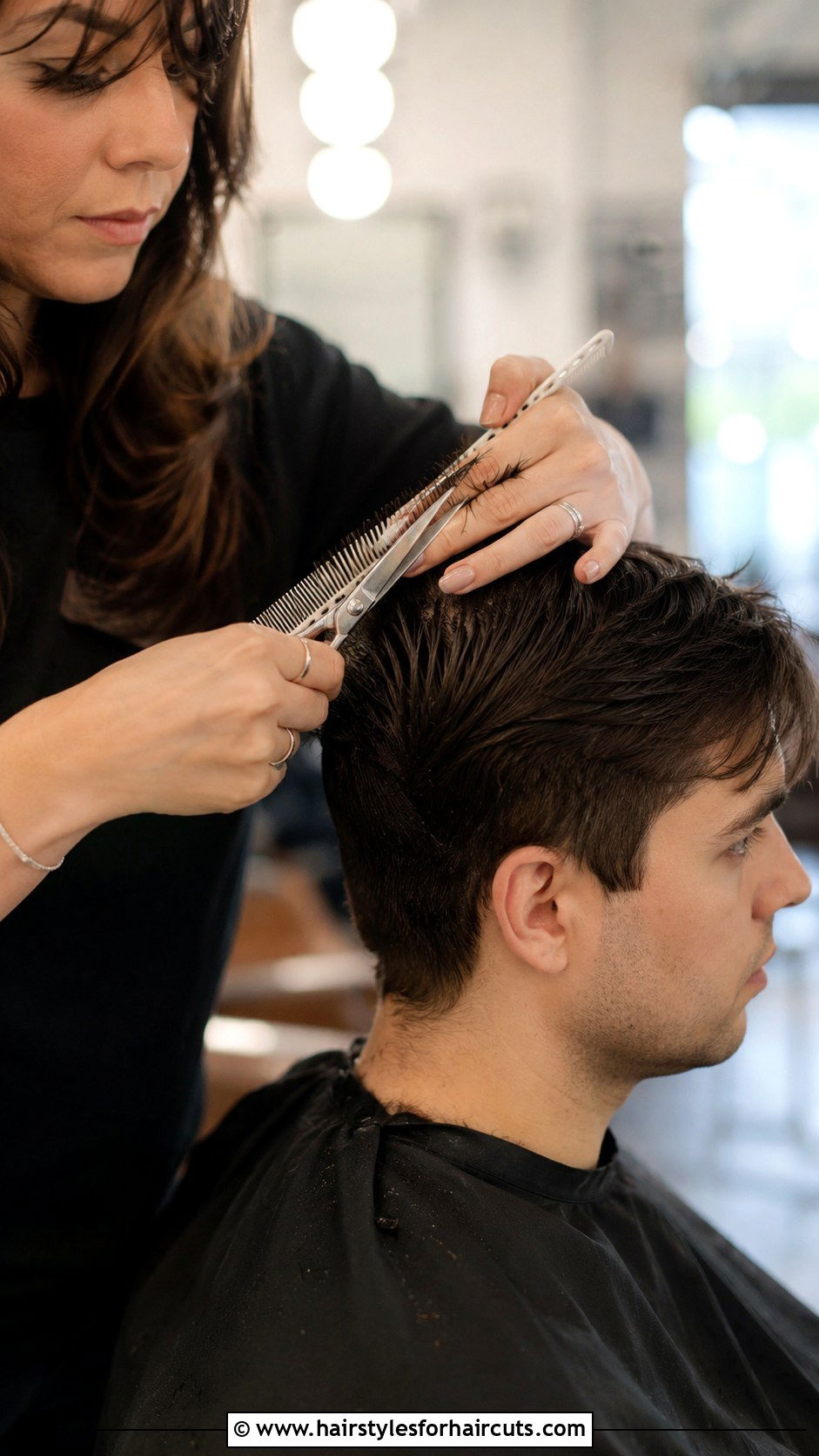
You may need to temporarily adjust your routine. If the cut is shorter than desired, you might wash your hair less frequently to avoid removing natural oils that protect the shaft. However, if the style is hard to manage and you’re using more product, you may need to wash more often to prevent buildup that could clog follicles 【turn0search5】【turn0search8】. Switch to a wide-tooth comb to detangle gently and minimize breakage. Use a lightweight conditioner to avoid weighing hair down. The goal is to keep hair and scalp clean and healthy while minimizing manipulation.
24. Growing Out A Bad Haircut Healthily

Growing out a bad haircut requires patience and a strategic plan. Get regular trims every 6-8 weeks to remove split ends and maintain the shape as it grows, which will make the grow-out phase less awkward 【turn0search6】. Communicate with your stylist about your goal to grow it out and ask them to blend the layers gradually. Protect your hair from environmental damage and heat styling by using heat protectant sprays. Deep condition weekly to keep hair strong and flexible. A healthy grow-out process leads to healthier hair overall.
25. Seeking Professional Help For Hair Loss Concerns

If you are concerned about hair loss, whether you believe it’s related to a bad haircut or not, consult a professional. A dermatologist can evaluate your scalp and hair, diagnose any conditions, and provide a treatment plan 【turn0search14】. They can determine if the loss is due to telogen effluvium, traction alopecia, or another underlying issue. They may recommend treatments like minoxidil, corticosteroid injections, or changes in hair care. Don’t let anxiety about a bad haircut prevent you from seeking appropriate medical advice for genuine hair loss.
Conclusion:
In summary, a bad haircut itself does not cause hair loss. The hair shaft is dead tissue, and cutting it has no impact on the living follicle beneath the scalp 【turn0search5】【turn0search10】. The real risks are indirect: the emotional stress can trigger temporary shedding (telogen effluvium), and the urge to wear tight, concealing hairstyles can lead to traction alopecia 【turn0search4】【turn0search14】. It’s also important to distinguish between hair breakage, which a bad cut can worsen, and true hair loss from the root. By understanding these connections, you can focus on correcting the cut, managing stress, and adopting gentle hair care practices to maintain both your hair’s appearance and its health. Always consult a professional for personalized advice if you experience concerning hair loss.

Leave a Reply