
Noticing more hair falling out after a haircut can be alarming, but it’s a common concern with many potential explanations. While the act of cutting hair itself does not cause hair loss, as hair shafts are dead tissue and the living follicle is beneath the scalp 【turn0search7】, the timing can coincide with natural shedding cycles or be triggered by other factors. Understanding why hair shedding increases after a haircut involves looking at the hair growth cycle, lifestyle factors, and styling habits. This comprehensive guide explores 25 specific reasons and scenarios related to hair falling out after haircuts, from temporary conditions like telogen effluvium to styling practices that can contribute to breakage and loss.
1. Telogen Effluvium After a Haircut

Telogen effluvium is a common condition where a large number of hair follicles enter the resting (telogen) phase simultaneously, leading to increased shedding all over the scalp 【turn0search4】. A haircut itself doesn’t cause this, but the stress of a major change or the physical manipulation during the cut might be the final push for hairs already in the telogen phase to shed. This type of hair loss is temporary and usually resolves within several months as the follicles re-enter the growth phase. It’s often triggered by stress, illness, or hormonal changes, and the shedding can become noticeable a few months after the triggering event, sometimes around the time of a haircut.
2. Stress-Related Shedding Post-Haircut

Significant emotional or physical stress can disrupt the hair growth cycle, pushing hairs into the shedding phase 【turn0search12】【turn0search14】. The anxiety of getting a major haircut, especially if it’s a drastic change, or the stress of the salon environment itself, could potentially contribute to stress-induced shedding. This is because stress increases cortisol levels, which can interfere with normal hair growth 【turn0search13】. The shedding often occurs a few months after the stressful event, which might coincide with a post-haircut realization. Managing stress through relaxation techniques and self-care can help support hair health.
3. Traction Alopecia From Tight Hairstyles

Traction alopecia is hair loss caused by constant pulling on the hair roots, often from tight hairstyles like ponytails, braids, or buns 【turn0search3】【turn0search6】. If you get a haircut and then continue to wear your hair in tight styles, the constant tension can lead to hair breakage and follicle damage, resulting in thinning edges or overall loss. This is not caused by the haircut but by the styling habits that may follow. The solution is to avoid tight hairstyles, give your hair a break, and opt for looser styles to reduce tension on the follicles.
4. Greasy Hair and Follicle Clogging

Excess sebum (oil) production can make hair look greasy and may contribute to hair shedding by clogging hair follicles 【turn0search7】【turn0search10】. If you notice your hair is oilier after a haircut, it could be due to changes in your washing routine or the use of heavy styling products. The buildup can obstruct the follicle opening, potentially hindering healthy hair growth and leading to increased shedding. Washing your hair regularly with a gentle, clarifying shampoo can help manage oil production and keep follicles clear.
5. Hormonal Changes and Hair Loss

Hormonal fluctuations are a leading cause of hair loss in both men and women 【turn0search2】【turn0search4】. Conditions like pregnancy, menopause, or thyroid disorders can alter the hair growth cycle. For example, post-pregnancy, many women experience significant shedding as estrogen levels drop 【turn0search4】. These hormonal shifts can cause hair to enter the telogen phase in larger numbers, and the shedding might become apparent around the time of a haircut. Addressing the underlying hormonal imbalance with a healthcare provider is key to managing this type of hair loss.
6. Nutrient Deficiencies Leading to Shedding
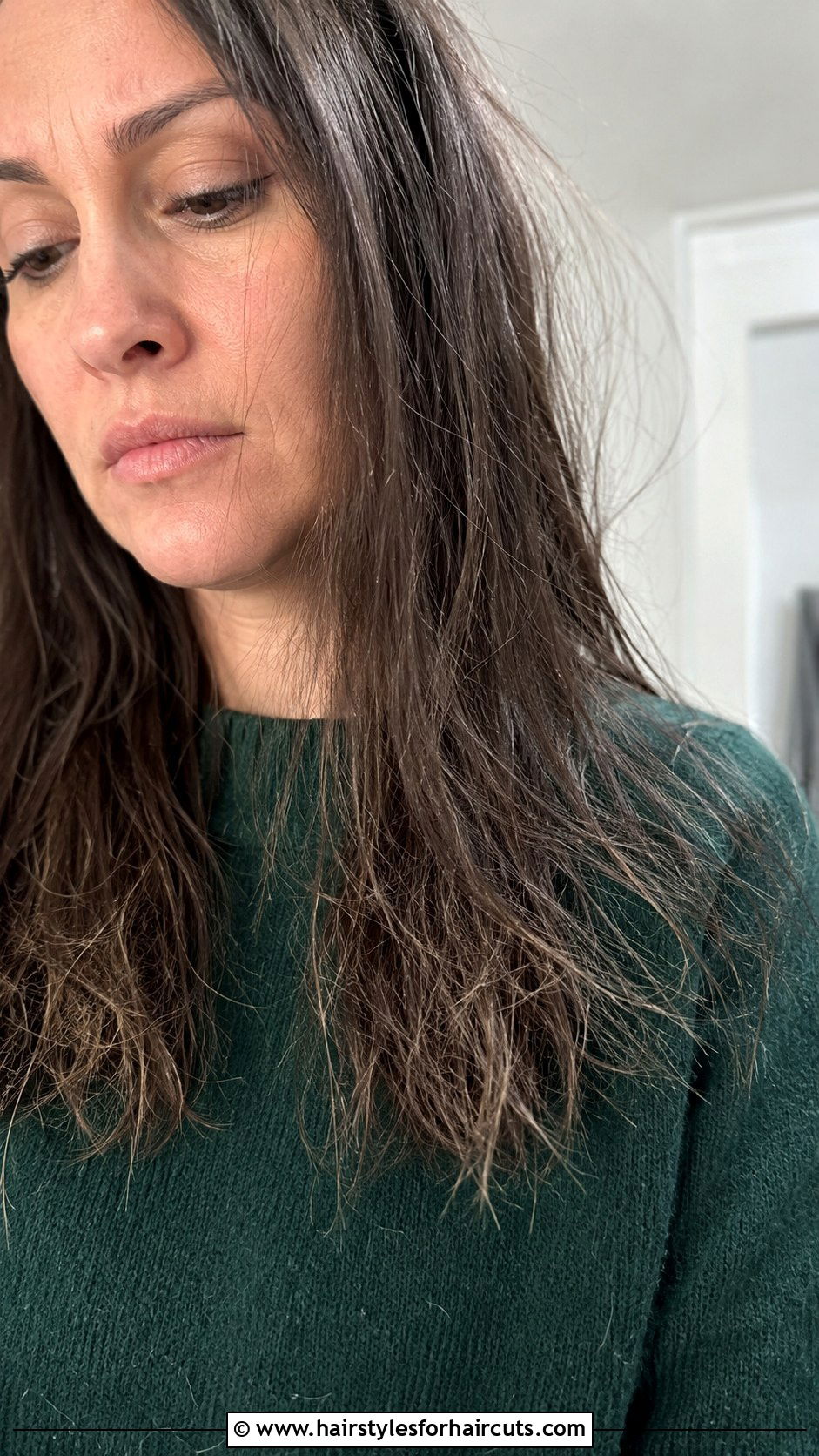
A diet lacking essential nutrients like iron, vitamin D, B vitamins, and zinc can contribute to hair shedding 【turn0search2】【turn0search4】. If your body is deficient in these building blocks, it may prioritize vital functions over hair growth, leading to increased telogen hairs. The realization of hair thinning might prompt a haircut, or the shedding could be noticed more easily with shorter hair. Ensuring a balanced diet rich in these nutrients, or taking supplements under medical guidance, can support hair health from the inside out.
7. Medical Conditions Like Thyroid Disorders

Thyroid disorders, both hypothyroidism and hyperthyroidism, can cause hair loss as a symptom 【turn0search2】【turn0search4】. The thyroid hormone plays a crucial role in regulating the hair growth cycle. An imbalance can disrupt this cycle, leading to diffuse thinning all over the scalp. If you have an undiagnosed thyroid condition, you might notice increased shedding around the time of a haircut. A simple blood test can check thyroid function, and proper treatment can help resolve the associated hair loss.
8. Tight Braids and Cornrows Causing Traction
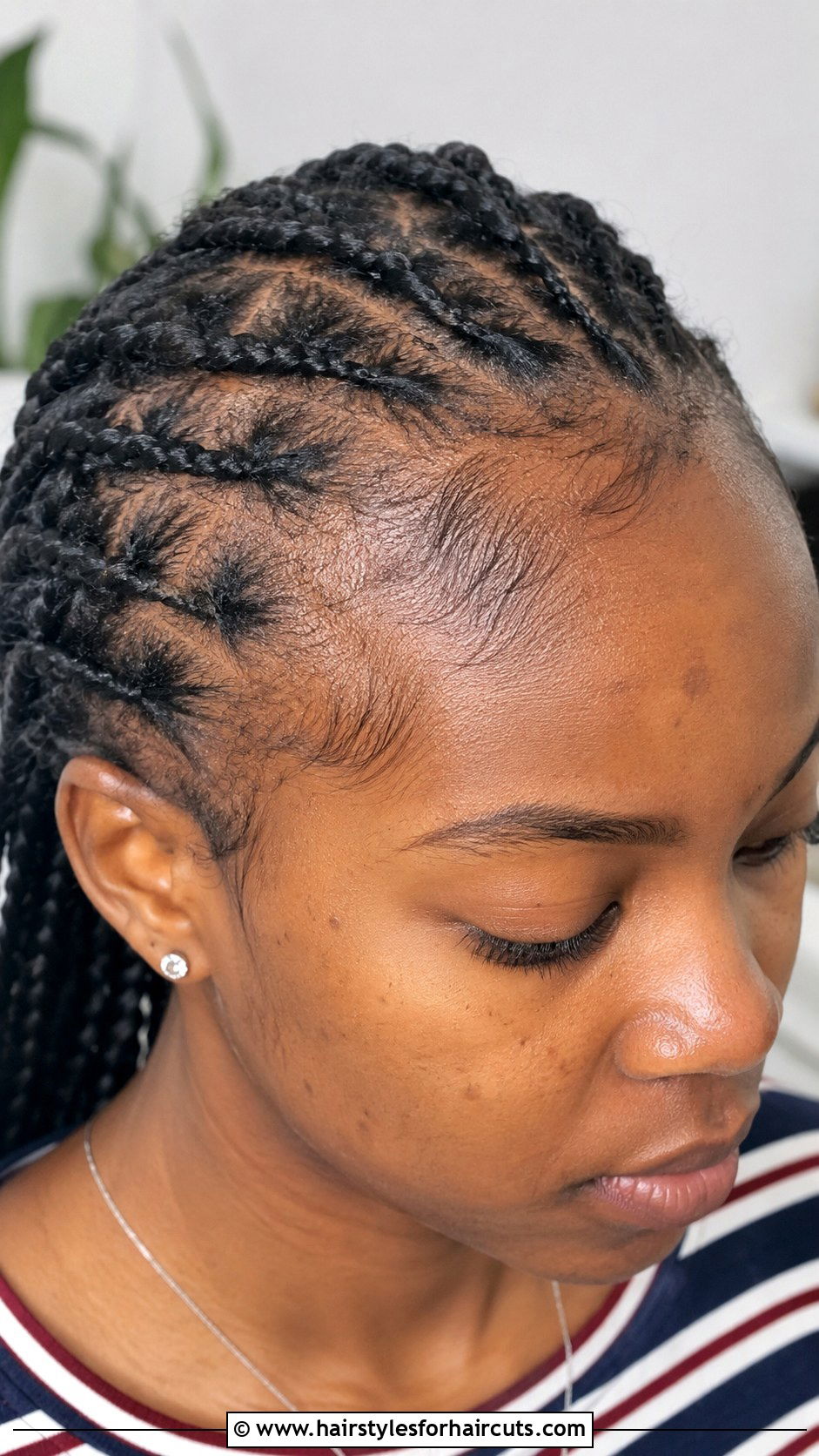
Similar to tight ponytails, braids and cornrows that are installed too tightly can cause traction alopecia 【turn0search3】【turn0search6】. The constant tension on the hair shafts can weaken them and lead to breakage, and over time, the follicles can become damaged, halting hair growth. This is particularly common along the hairline and at the roots. If you get a haircut and then immediately install tight braids, the resulting breakage can be mistaken for hair falling out from the cut. Opt for looser braiding techniques and give your scalp regular breaks.
9. Heat Styling Damage and Breakage

Frequent use of hot tools like flat irons, curling wands, and blow dryers can cause significant hair damage, leading to breakage and split ends 【turn0search16】. While this isn’t hair falling from the root, broken hairs can create the appearance of thinning and increased shedding. After a haircut, you might be more motivated to style your new look frequently, inadvertently causing more damage. Always use a heat protectant spray, keep tools on the lowest effective setting, and limit heat styling to prevent breakage.
10. Chemical Treatments and Hair Weakening

Chemical processes like bleaching, perming, or relaxing can weaken the hair shaft, making it more prone to breakage and damage 【turn0search4】. If you get a haircut and then undergo a chemical treatment shortly after, the combined stress can lead to significant hair breakage, which might be perceived as hair falling out. It’s essential to space out chemical treatments and ensure your hair is in good condition before processing. Deep conditioning treatments can help restore moisture and strength.
11. Post-Pregnancy Hair Shedding
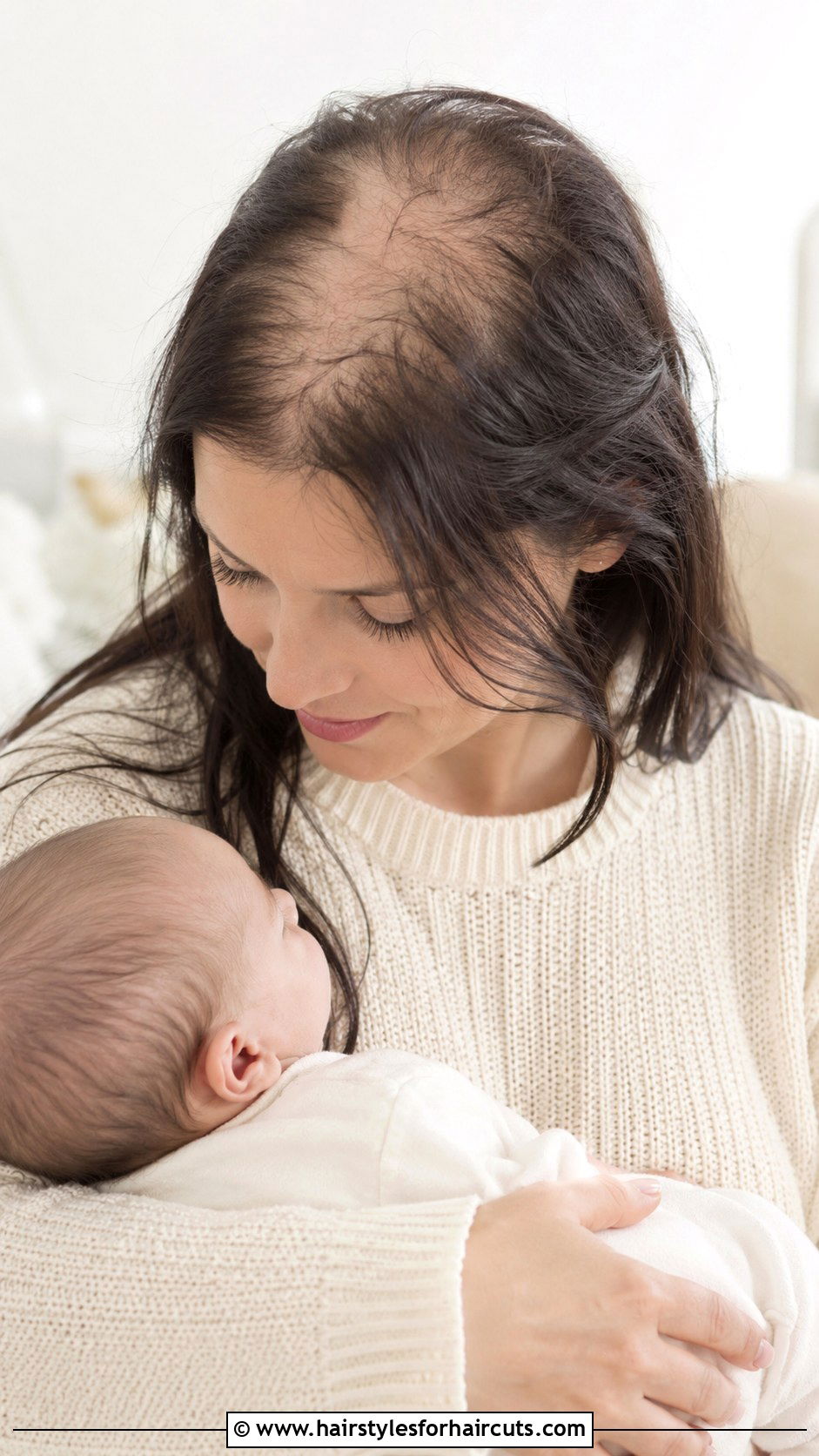
Many women experience lush, thick hair during pregnancy due to high estrogen levels, followed by significant shedding a few months after giving birth 【turn0search4】. This is a classic example of telogen effluvium triggered by hormonal changes. The shedding, often called “postpartum hair loss,” can be dramatic and might coincide with a postpartum haircut. This type of hair loss is temporary, and hair usually returns to its normal growth cycle within a year. Being gentle with your hair and maintaining a healthy diet can help during this phase.
12. Androgenetic Alopecia and Haircuts

Androgenetic alopecia, or male/female pattern baldness, is a genetic condition characterized by gradual hair thinning 【turn0search4】. A haircut might make this thinning more noticeable, especially if you opt for a shorter style that reveals more of the scalp. The haircut itself doesn’t cause the loss, but it can make existing pattern thinning more apparent. Treatments for androgenetic alopecia include minoxidil, finasteride, and other medical interventions aimed at stimulating growth and slowing further loss 【turn0search4】.
13. Scalp Infections and Hair Loss

Fungal infections like ringworm (tinea capitis) can cause patchy hair loss, often accompanied by redness, scaling, and itching 【turn0search4】. If you contract a scalp infection around the time of a haircut, the resulting hair loss might be attributed to the cut. These infections require medical treatment with antifungal medications. Maintaining good scalp hygiene and avoiding sharing combs or hats can help prevent such infections.
14. Medications Causing Hair Shedding
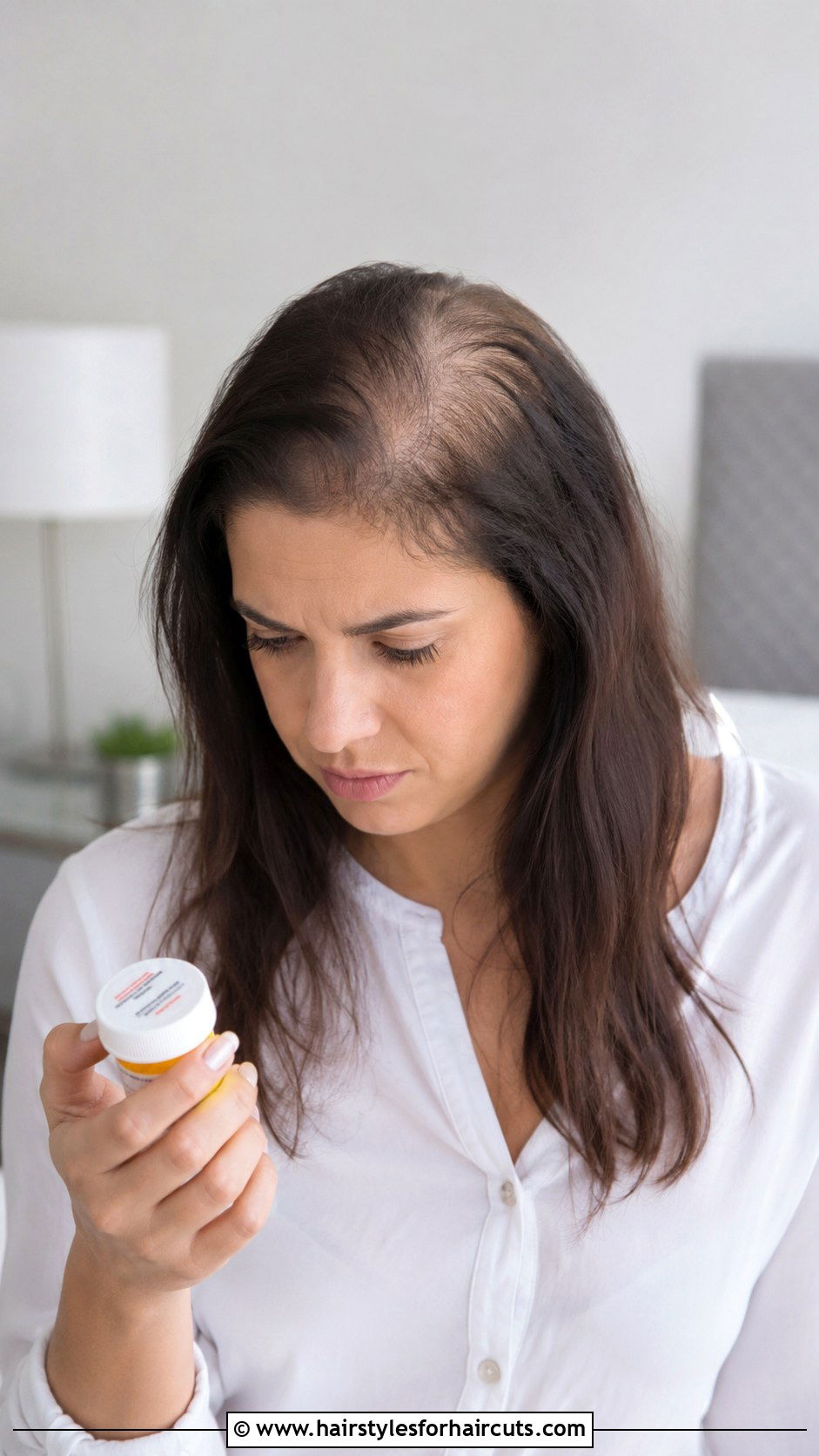
Certain medications, including some antidepressants, blood thinners, and chemotherapy drugs, can cause hair loss as a side effect 【turn0search4】. If you start a new medication and notice increased shedding after a haircut, the timing might be coincidental. This type of hair loss is usually temporary and reverses once the medication is stopped or adjusted. Always discuss potential side effects with your prescribing doctor.
15. Autoimmune Conditions Like Alopecia Areata

Alopecia areata is an autoimmune condition where the body’s immune system mistakenly attacks hair follicles, causing sudden hair loss that often presents as round, smooth patches 【turn0search4】. The onset of this condition can be sudden and might be noticed after a haircut. Treatment typically involves corticosteroids or other immunosuppressive therapies. If you experience patchy hair loss, it’s important to see a dermatologist for proper diagnosis and treatment.
16. Rough Brushing and Breakage
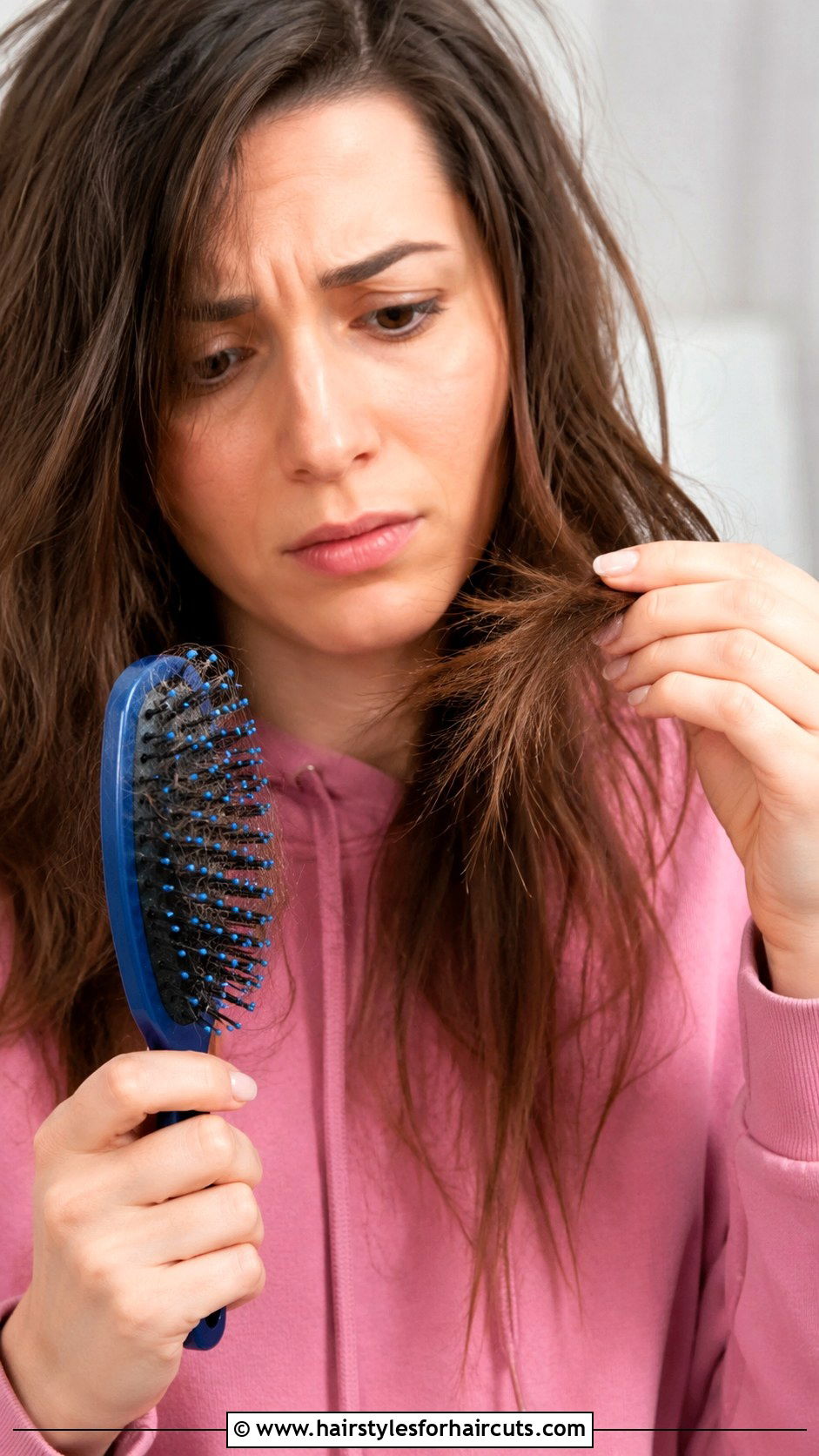
Aggressive brushing, especially when the hair is wet and more elastic, can cause significant breakage 【turn0search7】. While the hairs may not be falling from the root, broken strands can accumulate and create the appearance of excessive shedding. After a haircut, you might be more diligent about detangling, which could lead to rougher handling if not careful. Use a wide-tooth comb or a gentle brush designed for wet hair, and start from the ends, working your way up to avoid unnecessary tension.
17. Hard Water and Mineral Buildup

Washing your hair with hard water, which contains high levels of minerals like calcium and magnesium, can lead to mineral buildup on the scalp and hair 【turn0search9】. This buildup can make hair feel dry, brittle, and more prone to breakage, which might be mistaken for hair falling out. Installing a shower filter or using a chelating shampoo can help remove mineral deposits and improve hair health.
18. Sudden Weight Loss and Telogen Effluvium

Rapid or significant weight loss can shock the system and trigger telogen effluvium, leading to diffuse hair shedding 【turn0search4】. If you’ve recently lost a lot of weight and then get a haircut, the increased shedding might become more noticeable with shorter hair. This type of hair loss is usually temporary, and maintaining a balanced, nutrient-dense diet can help support recovery. Aim for gradual, sustainable weight loss to minimize this risk.
19. Poor Sleep and Hair Health

Chronic sleep deprivation can increase stress hormones and disrupt bodily functions, including the hair growth cycle 【turn0search4】. Poor sleep can contribute to telogen effluvium and make hair more fragile. If you’re not getting enough rest and notice more hair falling out after a haircut, improving your sleep habits could be beneficial. Aim for 7-9 hours of quality sleep per night to support overall health, including hair health.
20. Smoking and Hair Loss

Smoking has been linked to hair loss because it can constrict blood vessels, reducing blood flow to the scalp and depriving follicles of essential nutrients 【turn0search4】. It also increases oxidative stress, which can damage hair follicles. If you smoke and are experiencing increased shedding after a haircut, quitting smoking could improve circulation and support hair health. This is a long-term lifestyle change that can have numerous benefits beyond hair.
21. Excessive Vitamin A and Shedding

While vitamin A is essential for hair growth, excessive intake, usually from supplements, can actually cause hair loss 【turn0search4】. High levels of vitamin A can trigger telogen effluvium. If you’ve been taking high-dose vitamin A supplements and notice increased shedding after a haircut, it might be worth reviewing your supplement regimen. Always follow recommended daily allowances and consult with a healthcare provider before starting high-dose supplements.
22. Iron Deficiency Anemia
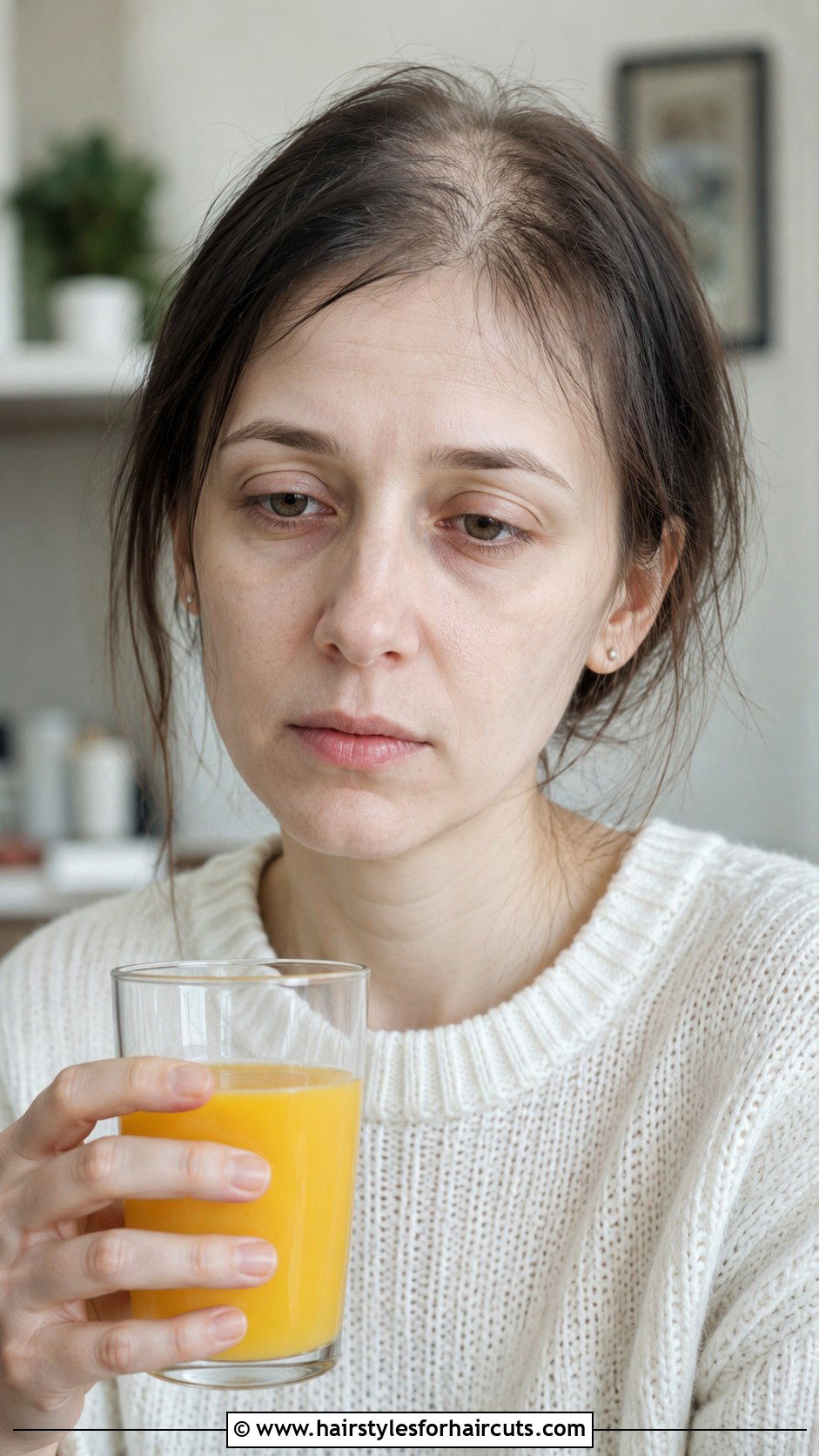
Iron deficiency anemia is a common cause of hair loss, especially in women 【turn0search4】. Iron is crucial for producing hemoglobin, which carries oxygen to tissues, including hair follicles. Without enough oxygen, hair growth can be impaired. If you’re anemic and notice increased shedding post-haircut, increasing iron-rich foods or taking supplements as advised by a doctor can help. A simple blood test can diagnose iron deficiency.
23. Thyroid Medication and Hair Thinning
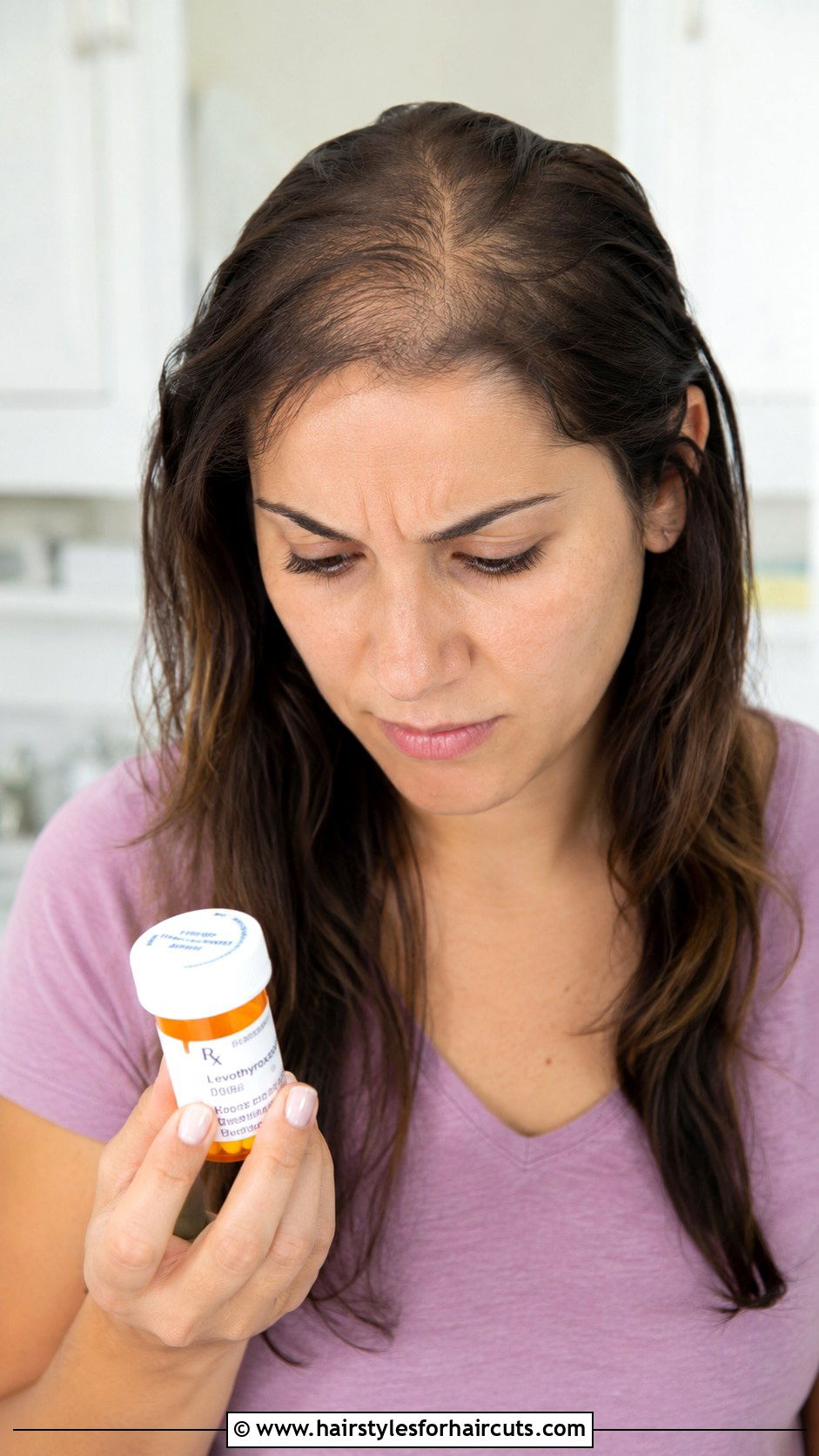
If you’re being treated for a thyroid disorder, the medication itself can sometimes cause hair thinning as a side effect, especially in the initial stages of treatment 【turn0search4】. This is usually temporary as your body adjusts. If you start thyroid medication and notice more hair falling out after a haircut, discuss this with your endocrinologist. They might need to adjust your dosage or switch medications.
24. Physical Trauma and Shock Loss
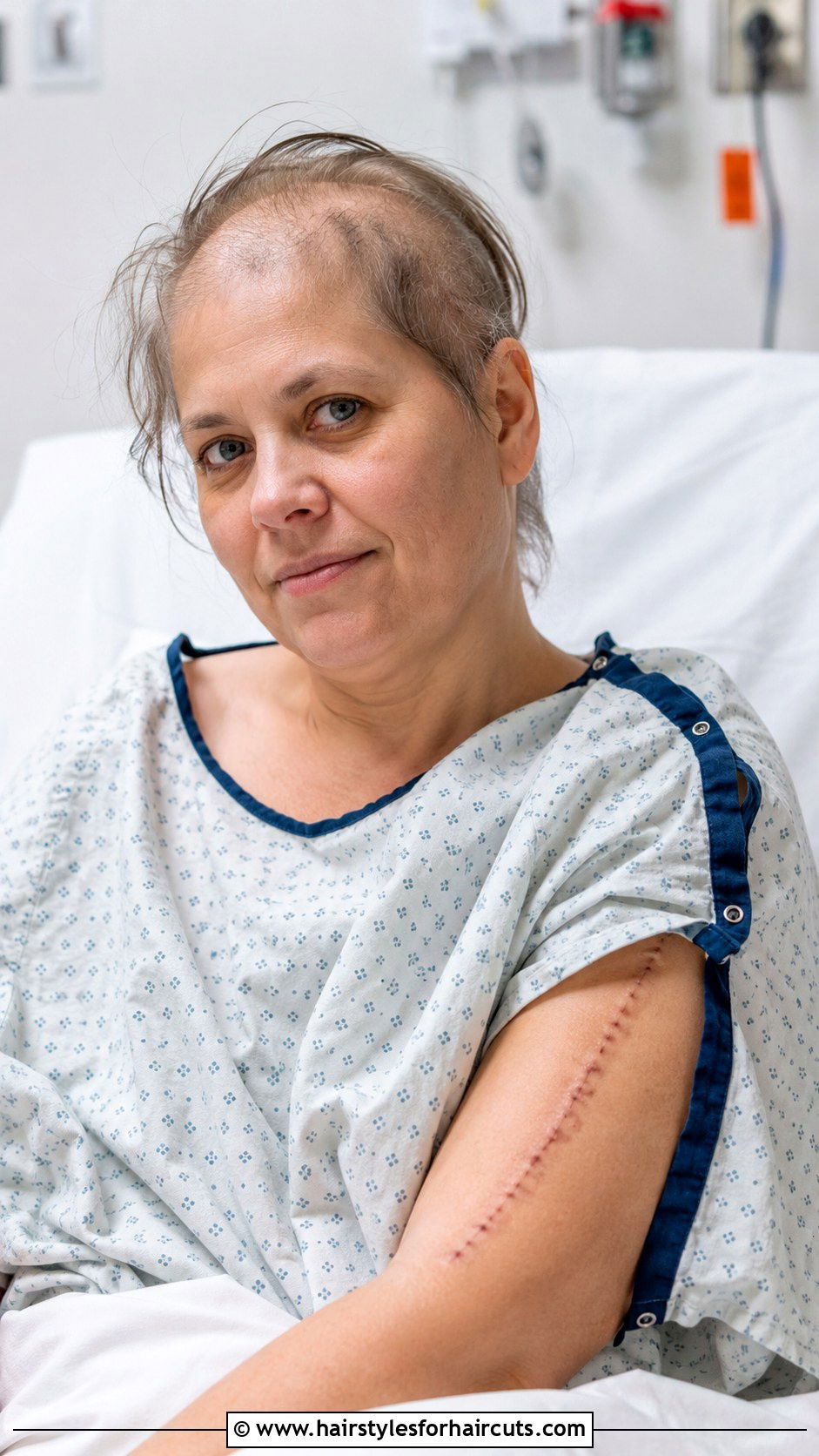
Any major physical trauma, such as surgery, a severe illness, or a significant accident, can shock the system and trigger telogen effluvium 【turn0search4】. The hair loss often occurs a few months after the traumatic event. If you’ve recently experienced physical trauma and then get a haircut, the resulting shedding might be more noticeable. This type of hair loss is typically temporary, and hair regrows once the body recovers.
25. Age-Related Hair Thinning

As people age, hair naturally becomes finer and thinner due to a decrease in the size and activity of hair follicles 【turn0search4】. This gradual thinning can make hair look less dense, especially after a haircut when hair is shorter and any thinning is more visible. While aging itself isn’t a medical condition, using volumizing products, avoiding harsh treatments, and maintaining a healthy lifestyle can help manage the appearance of thinning hair.
Conclusion:
Experiencing hair falling out after a haircut can be distressing, but it’s often a sign of an underlying factor rather than a direct result of the cut itself. From natural shedding cycles like telogen effluvium to lifestyle factors such as stress, poor nutrition, and damaging styling habits, many elements can contribute to noticeable hair loss. Understanding these potential causes is the first step toward addressing the issue. If you’re concerned about excessive shedding, it’s always a good idea to consult with a dermatologist or healthcare provider to identify the root cause and develop an appropriate treatment plan. With the right care and attention, most types of hair loss can be managed or reversed, helping you regain confidence in your hair’s health and appearance.

Leave a Reply