
Have you ever taken down your hairstyle at the end of the day and felt a sore, tender sensation across your scalp? That sharp discomfort is a major warning sign you cannot ignore. Experiencing hair loss from tight hairstyles is an incredibly common yet frustrating issue that affects countless people worldwide. When you constantly pull your strands back with excessive tension, you place immense stress on the hair follicles. Over time, this relentless pulling can lead to a specific condition called traction alopecia, which causes gradual hair thinning and breakage along your hairline and scalp. Fortunately, you can protect your roots by recognizing which specific looks cause the most damage. Let us explore twenty-five popular but potentially harmful hairstyles that might be secretly ruining your hair.

1. Tight High Ponytail
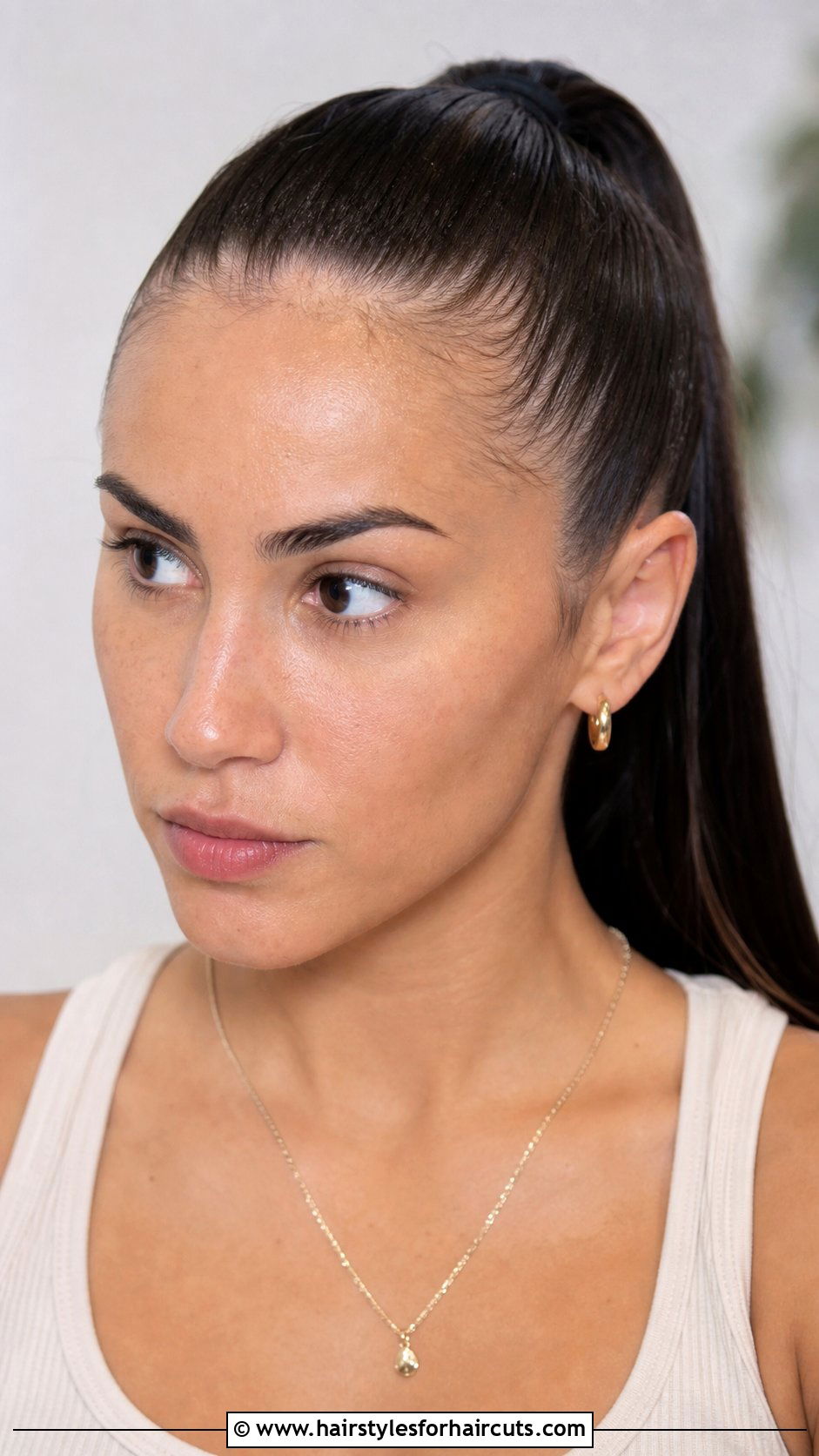
Does your sleek, lifted ponytail turn heads for the wrong reasons? Yanking your strands up to the very top of your crown creates extreme tension on your front hairline and nape. A tight high ponytail pulls every single hair against its natural growth direction, forcing the follicles to bear a heavy load all day. This constant, unrelenting strain physically weakens the roots, leading to noticeable breakage and gradual thinning around your temples. You might also spot tiny bumps around your hairline or feel a persistent headache radiating from the base of your skull. If you love this lifted look, try positioning it slightly lower or using gentle fabric hair ties to reduce the pulling force on your delicate roots.
2. Tight Ballerina Bun

There is something undeniably elegant about a perfectly smooth, coiled bun sitting right at the crown. However, achieving that flawless, slicked-back appearance usually requires serious pulling. A tight ballerina bun forces all your hair into one central focal point, placing massive stress on the entire perimeter of your scalp. This severe gathering of strands suffocates the follicles, slowly loosening them from their follicular beds. Over time, you may notice severe breakage and a receding hairline that refuses to grow back. The weight of the twisted hair also pulls aggressively on the crown, creating tender spots that make brushing unbearable. Loosen the style slightly or alternate its placement to give your scalp a much-needed break from the tension.
3. Tight Box Braids
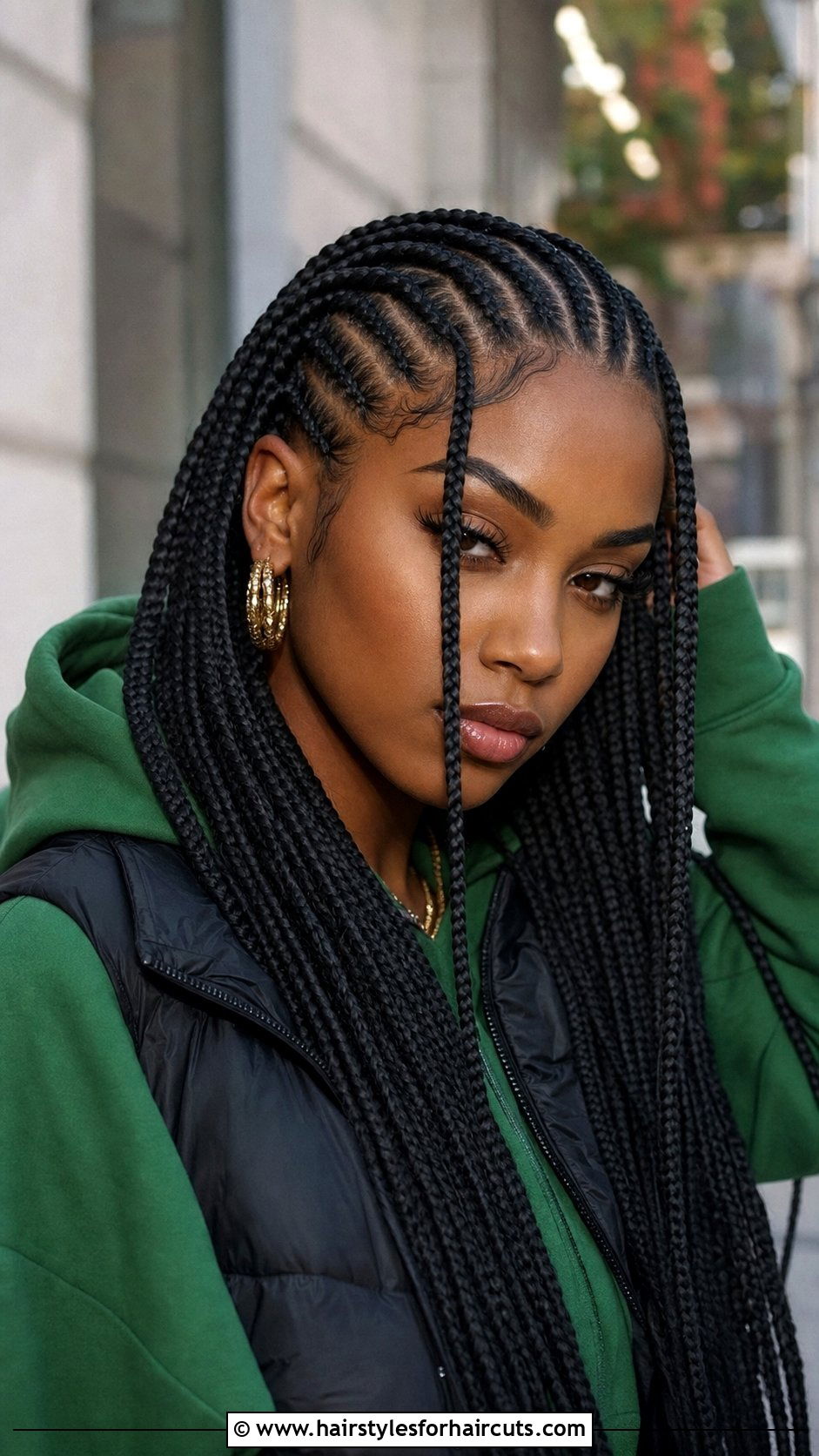
Have you ever left the braiding salon with a throbbing headache that lasted for days? Installing tight box braids involves sectioning the hair and adding synthetic extensions that add significant weight and tension to your natural roots. When these braids are installed too close to the scalp, they pull aggressively at the foundation, causing inflammation and potential scarring. The heavy synthetic hair constantly tugs on your delicate strands, leading to severe breakage at the attachment point. You might even notice small red bumps or pus-filled sores around your hairline, indicating follicular distress. To protect your edges, always ask your stylist to leave a little breathing room at the roots and avoid making the base overly taut.
4. Tight Cornrows
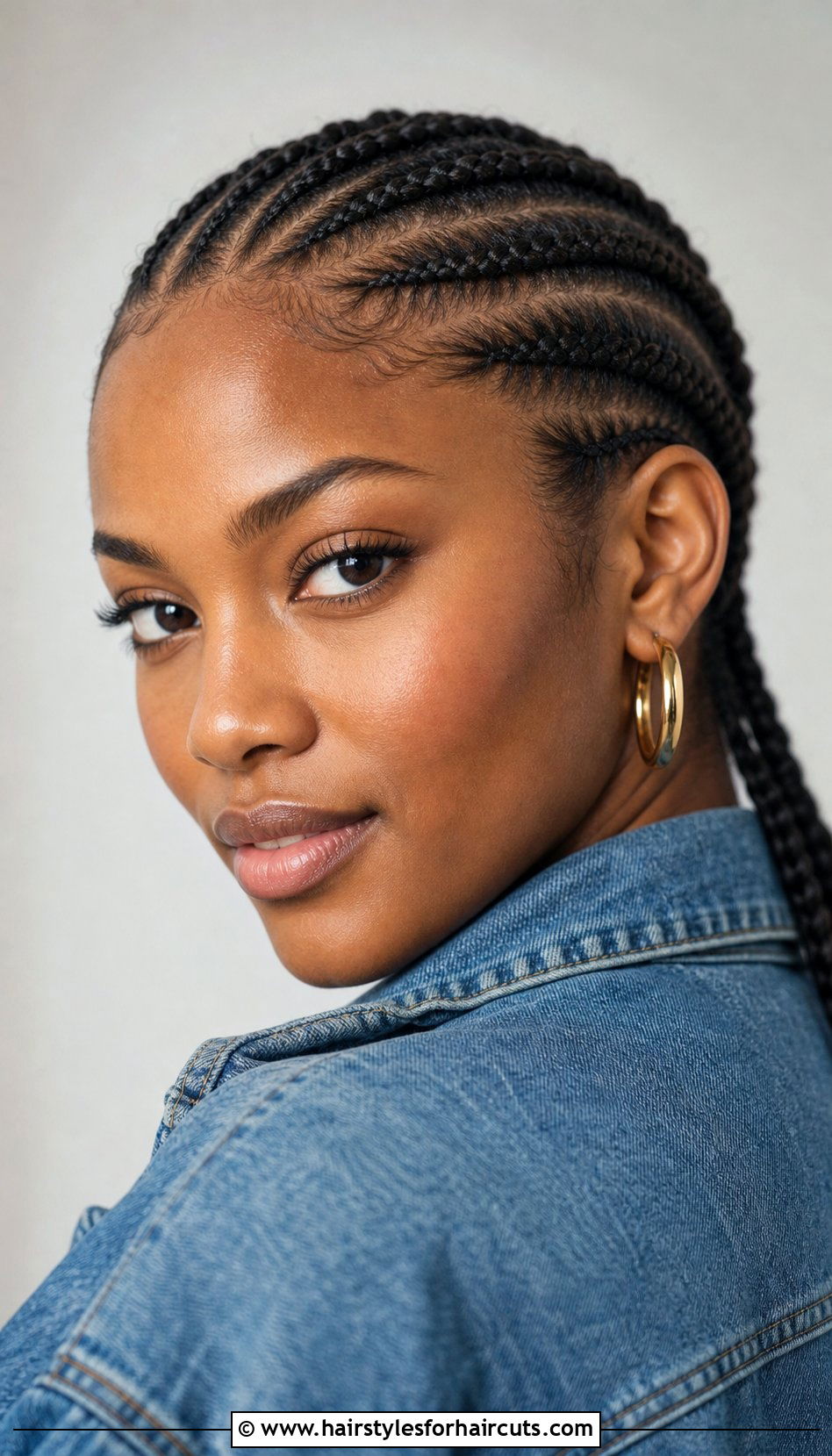
Those perfectly lined, flat braids might look incredibly sharp, but they come with a hidden cost. Tight cornrows involve braiding the natural hair very close to the scalp in straight or curved patterns, creating a sleek aesthetic. However, this technique relies on pulling the hair extremely taut to maintain the clean parts and flat appearance. This continuous tension restricts blood flow to your follicles and deprives them of essential nutrients. As a result, you may experience progressive thinning along the braided rows, especially around your fragile edges and temples. The longer you keep this style, the weaker your roots become. Choosing thicker braids instead of micro-sized ones can drastically reduce the amount of tension placed on your scalp.
5. Tight French Braid
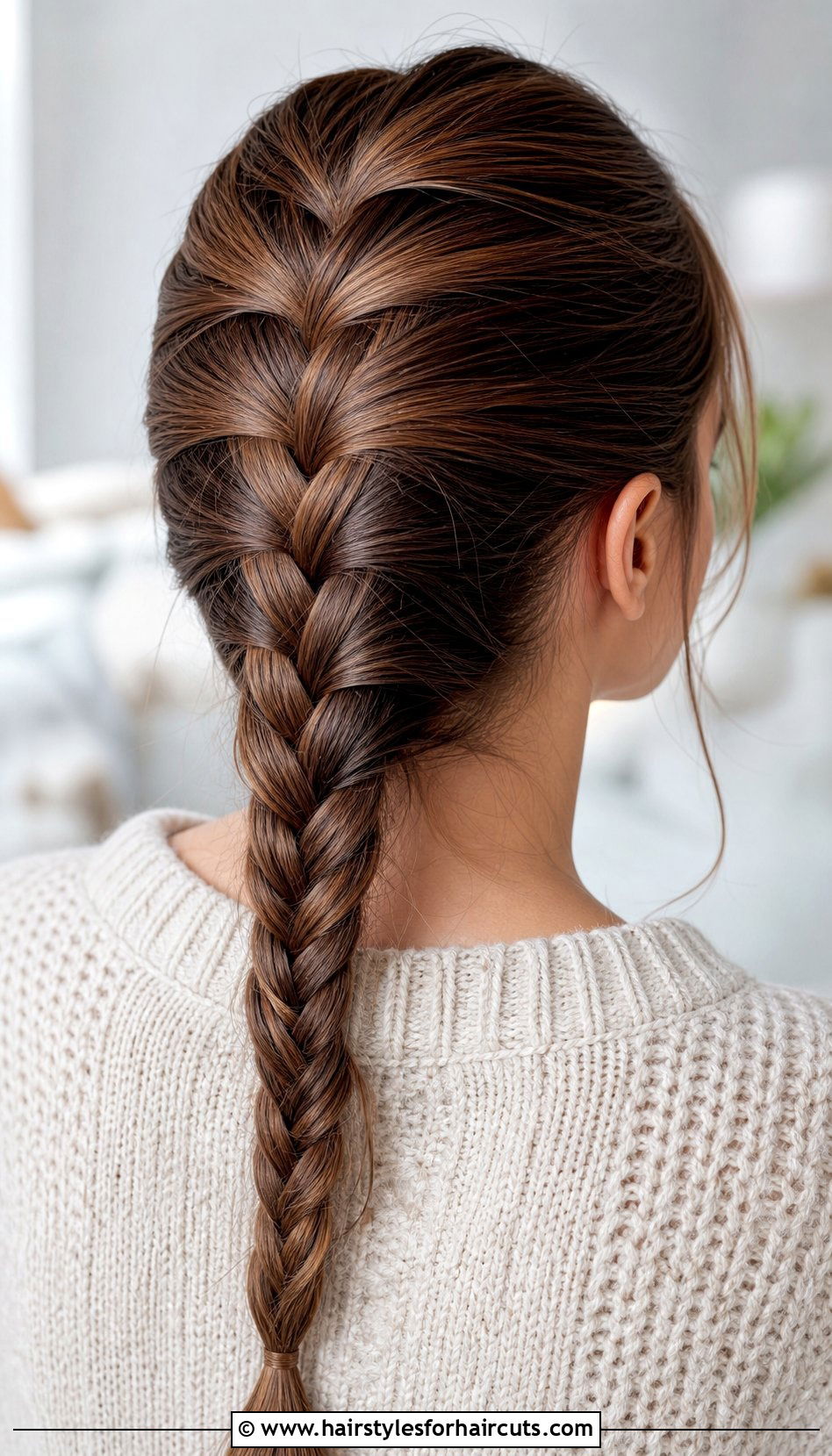
A classic, woven plait running down the back of your head seems harmless enough, right? Unfortunately, a tight French braid gathers hair incrementally from the sides, pulling it forcefully toward the center. This gradual gathering creates intense friction and tension along the entire hairline and scalp. Because the braid is anchored closely to the head, every movement you make causes the pulled strands to tug at their roots. This relentless pulling can easily lead to soreness and eventual hair loss along the part lines and temples. If you notice your scalp feeling sensitive after taking down your plait, it is a clear sign the style was far too tight. Allow a little slack in the weave to protect your roots.
6. Tight Dutch Braid

Much like its French counterpart, the inverted version creates a stunning raised effect that stands out from the scalp. Yet, a tight Dutch braid poses the exact same risks for your delicate follicles. Because the strands are crossed under rather than over, the braid sits on top of the hair, requiring even more pulling to achieve that lifted, voluminous look. This intense grip places severe stress on the hairline, particularly the fine baby hairs around your face. Wearing this style frequently can permanently damage the follicles, leading to traction alopecia that is difficult to reverse. Giving your scalp a rest between braided styles is absolutely essential for maintaining healthy, strong roots and preventing long-term thinning.
7. Tight Fishtail Braid

The intricate, woven appearance of this style makes it a popular choice for formal events and casual days alike. However, creating a tight fishtail braid requires dividing the hair into tiny sections and pulling them tightly together to maintain the detailed pattern. This meticulous weaving places uneven tension across the scalp, severely stressing the smaller hairs around your neckline and ears. The constant friction from the tight weave also causes mid-shaft breakage, leaving your ends looking frayed and damaged. You might feel a sharp stinging sensation when moving your neck, which indicates the roots are under far too much pressure. Loosening the weave slightly after securing it will help relieve the strain while maintaining the beautiful look.
8. Tight Micro Braids
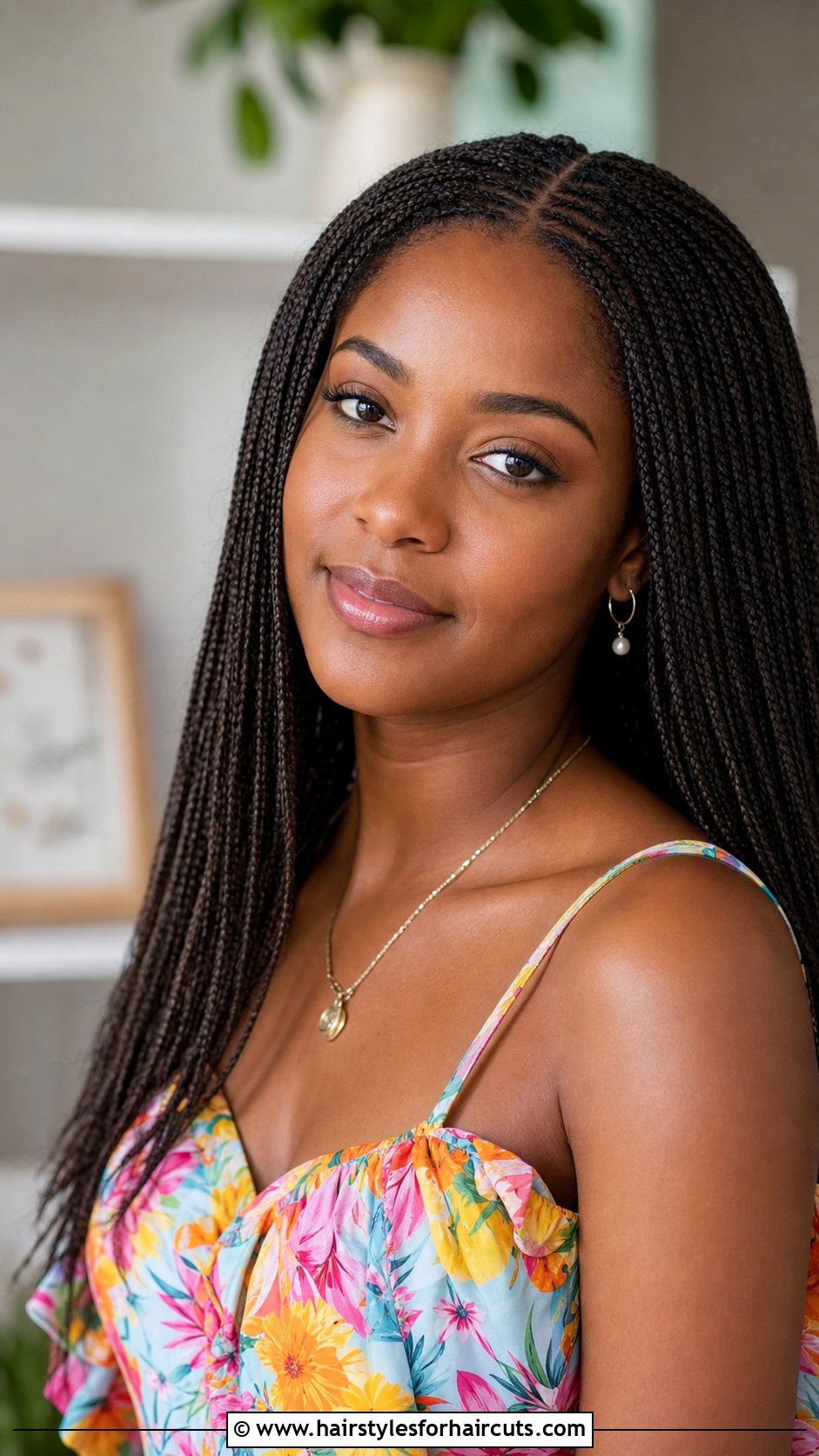
Tiny, delicate plaits might offer incredible versatility, but they are notorious for causing severe damage. Tight micro braids take hours to install because each individual plait is extremely small, attaching heavy extension hair to very fine sections of your natural hair. This disproportionate weight-to-root ratio spells disaster for your edges and nape. Because the braids are so tiny, they are often braided past the natural endpoint of your hair, creating sharp tension at the scalp. Removing them is also a tedious process that often results in unintentional snapping and pulling. Avoid keeping them in for months on end, as the prolonged tension will almost certainly lead to irreversible hair loss around your fragile perimeter.
9. Tight Senegalese Twists

The smooth, rope-like appearance of these twists offers a beautiful protective style, but the installation process can be brutal. Securing tight Senegalese twists involves wrapping synthetic hair tightly around your natural roots and twisting them down to the ends. This wrapping method places an immense amount of twisting tension directly on the scalp. The added weight of the long synthetic fibers constantly pulls downward, putting your follicles under constant duress. You might notice your scalp feeling itchy and inflamed, with visible redness around the base of each twist. To minimize the risk of permanent damage, opt for a shorter length that puts less downward weight on your roots and ensure the base is not overly tight.
10. Tight Faux Locs
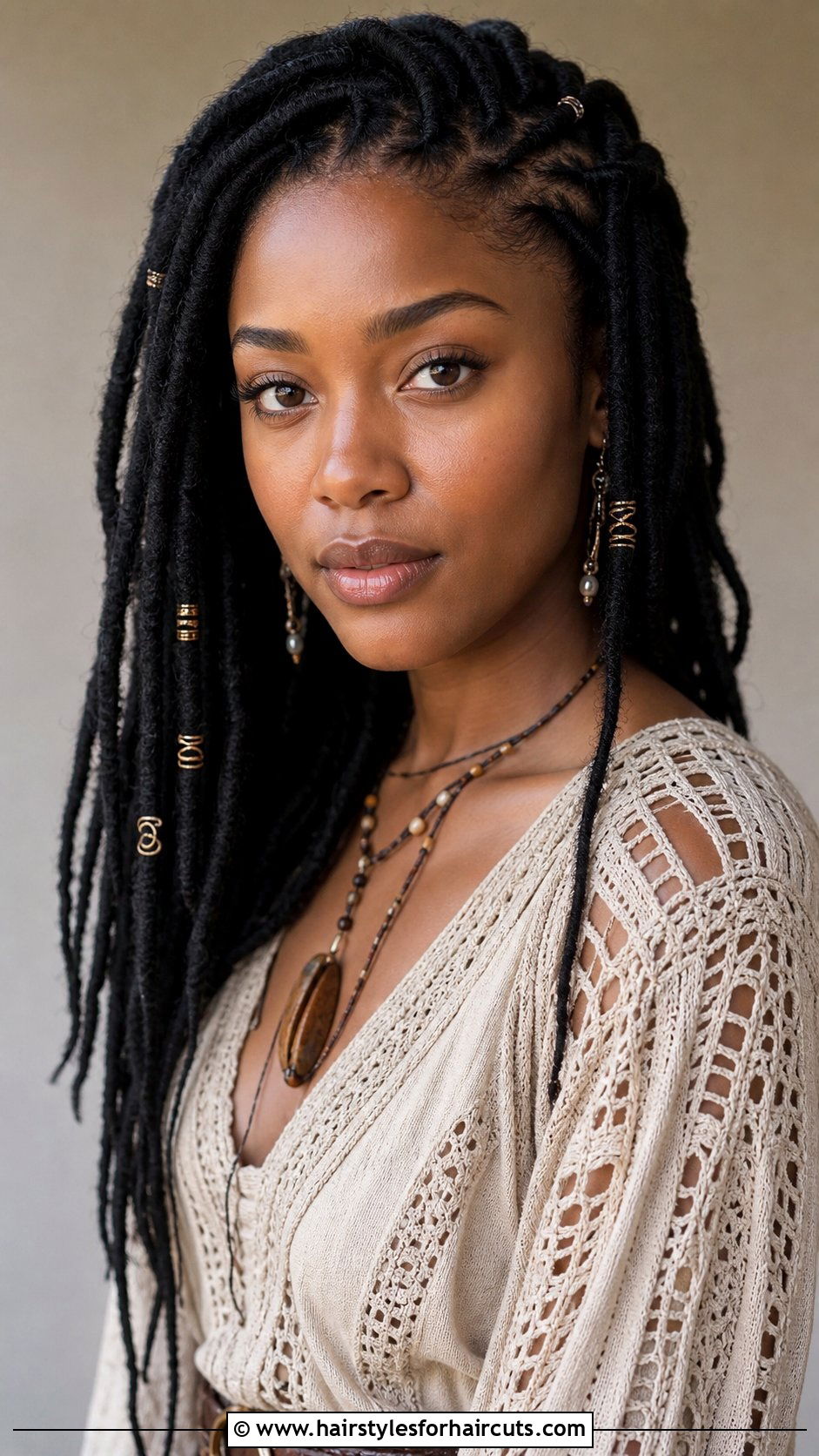
Achieving that bohemian, carefree vibe often comes at a steep price for your scalp. Installing tight faux locs requires wrapping synthetic hair around your natural strands, often adding significant bulk and weight to each individual section. This extra bulk creates a heavy downward pull that severely stresses the hairline and the crown. Because the synthetic hair is wrapped tightly at the root, it restricts movement and creates a rigid anchor point that yanks on your follicles. The longer and thicker the locs, the heavier the burden on your scalp. If your head throbs after installation, the style is entirely too tight and must be addressed immediately to prevent widespread traction alopecia and permanent root damage.
11. Tight Goddess Locs

While they mimic the beautiful, free-flowing look of traditional locs, the installation process is anything but natural. Tight goddess locs combine the heavy wrapping technique of faux locs with leaving the ends loose and wavy. This unique structure still places immense tension at the root where the hair is tightly wrapped and secured. The loose ends also invite frequent touching and tugging, which further pulls on the already stressed roots. The combination of heavy synthetic fibers and tight anchor points can quickly lead to severe breakage and thinning along your hairline. Always allow your stylist to leave a little slack at the base of each loc to give your scalp room to breathe.
12. Tight Halo Braid
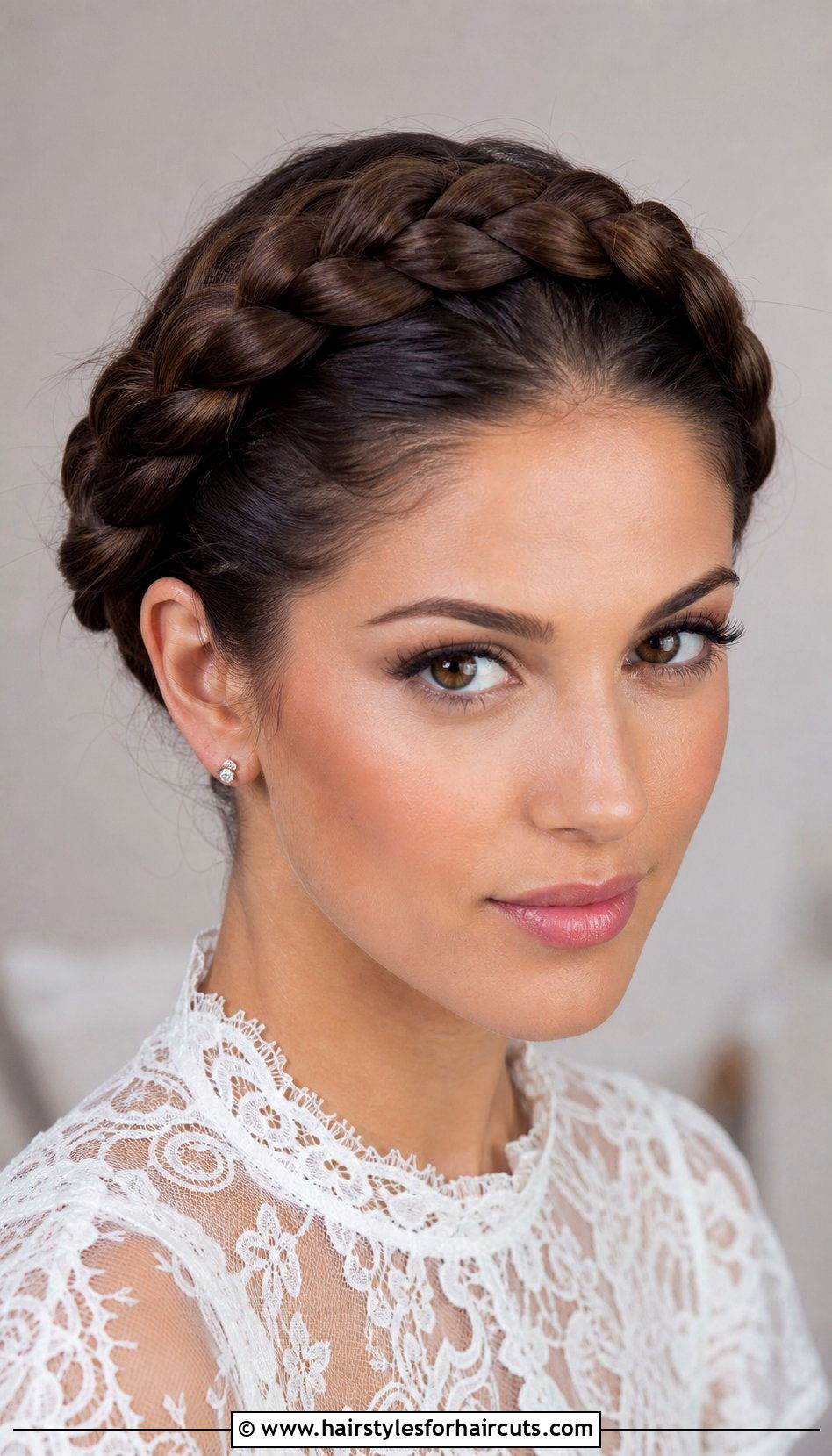
Wrapping a thick plait around the crown of your head creates a stunning, ethereal aesthetic. However, a tight halo braid requires pulling hair from the back and sides aggressively toward the front to form the circular shape. This sweeping motion places intense, directional tension on the nape and behind the ears. Because the braid is pinned tightly against the head, it restricts natural movement and causes the roots to rub harshly against the braid foundation. This friction can easily snap delicate strands and irritate the scalp. You might experience tenderness around your ears or a lingering headache. Creating a looser, more relaxed version of this circular style will save your follicles from unnecessary stress.
13. Tight Space Buns

Playful and trendy, this double-bun style might seem harmless, but it can cause significant localized damage. Creating tight space buns involves splitting the hair into two high sections and twisting them firmly against the scalp. This technique places all the tension on two specific areas of the crown, doubling the pulling force on those follicles. The twisting motion also aggressively grabs the fine hairs around your forehead and temples, leading to rapid thinning in those areas. Securing the buns with tight pins adds further stress by piercing and snagging the hair shafts. Loosening the twists and using gentle silk scrunchies instead of metal pins can significantly reduce the damaging impact on your roots.
14. Tight Low Chignon

A polished, low-sitting twist is a staple for professional environments and formal occasions. Yet, a tight low chignon pulls all your hair firmly toward the nape of your neck, creating intense pressure at the base of your skull. This gathered style forces the hair to lay completely flat, which requires significant combing and tugging to eliminate any volume. The constant backward pulling stresses the front hairline and causes severe breakage at the nape, where the style is anchored. The pins used to secure the twist can also rub against your scalp, causing irritation and further hair snapping. Leaving a few face-framing pieces out can reduce the tension on your temples and protect your delicate edges.
15. Tight Pigtails
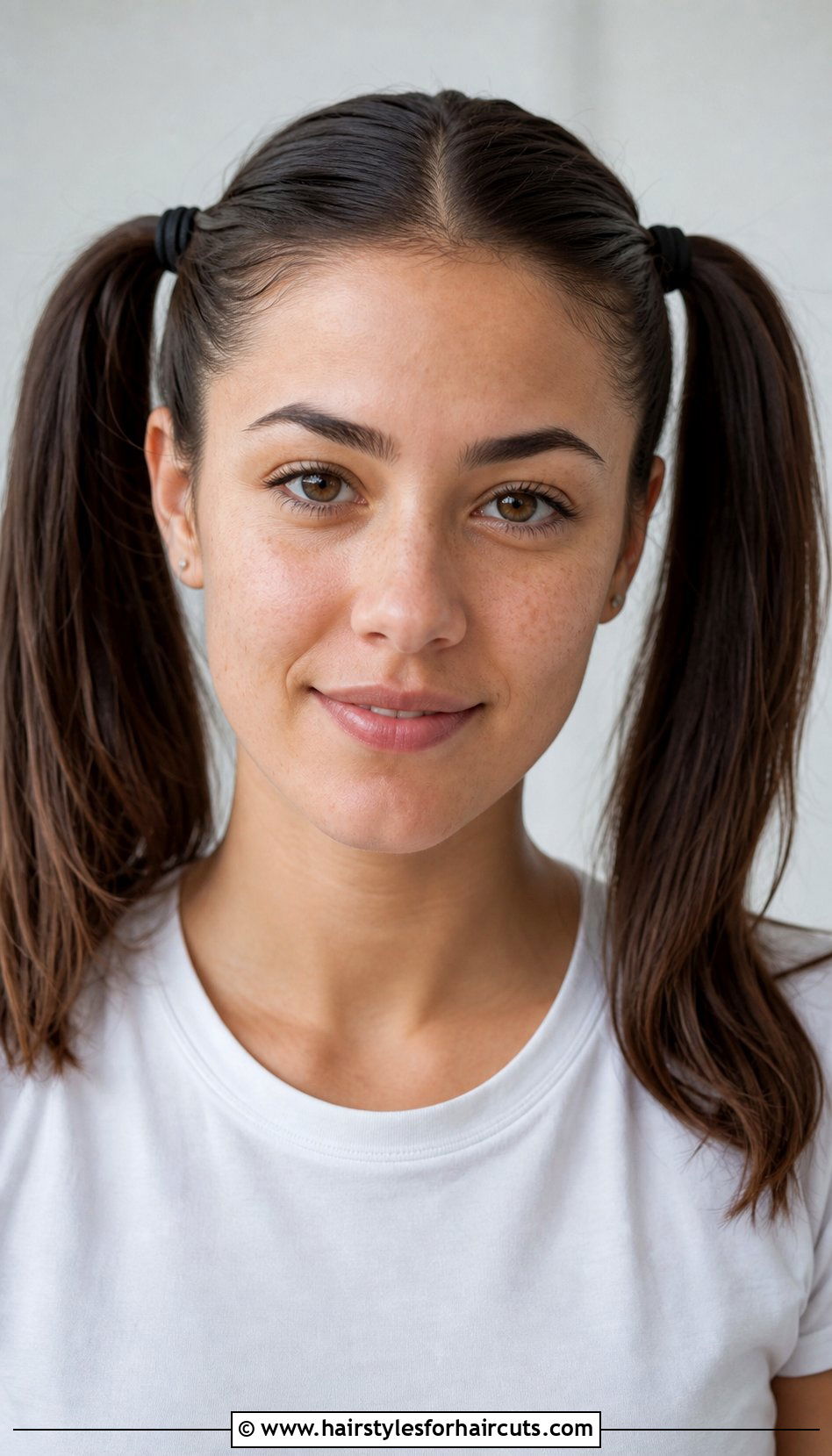
Reminiscent of childhood, this dual ponytail look can quickly turn into a grown-up nightmare for your scalp. Wearing tight pigtails means splitting the hair down the middle and pulling each side taut, placing equal stress on both temples. This extreme side tension drastically widens your part line over time, leading to noticeable thinning along the scalp. The elastic bands used to secure the hair also grip the strands tightly, causing mid-shaft breakage and weakening the cuticle. The constant pulling can make your scalp feel incredibly tender to the touch for hours after taking them down. Positioning the tails lower on your head and using soft fabric ties will help alleviate the painful tension.
16. Tight Milkmaid Braids

Crossing two braids over the top of your head creates a charming, rustic appearance. However, tight milkmaid braids require pulling the hair from the nape all the way up and over the crown, severely stretching the strands. This aggressive upward pulling places incredible strain on the back of the neck and the front hairline simultaneously. Pinning the braids tightly against the head also restricts blood flow to the scalp, which is vital for healthy hair growth. The crossed sections rub against each other, causing friction that leads to breakage and frizz. Giving the braids a gentle tug to loosen them after pinning can preserve the look while saving your roots from severe stress.
17. Tight Crochet Braids
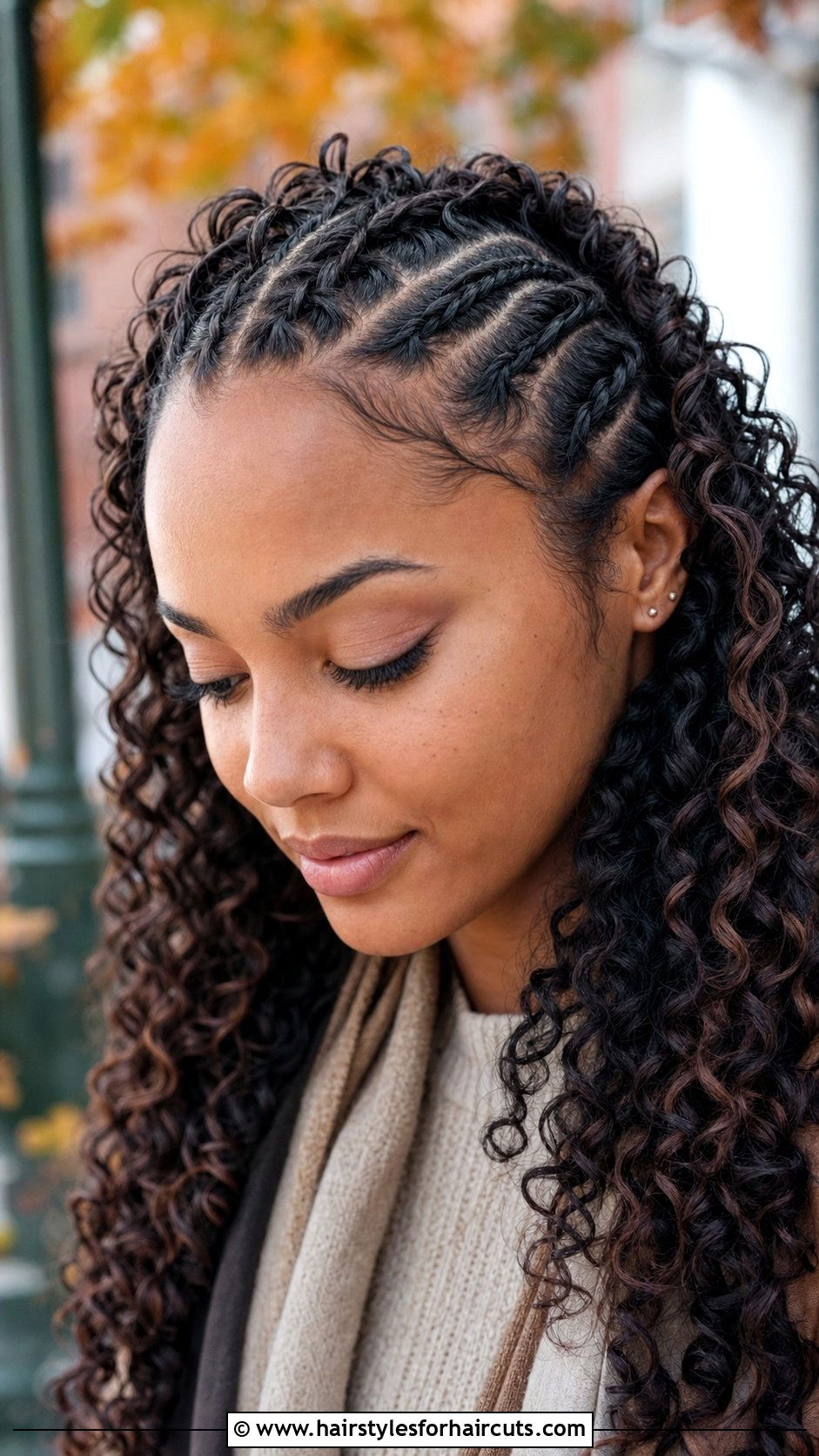
This popular protective method involves cornrowing the natural hair and using a latch hook to pull extensions through the braids. While it seems gentler, tight crochet braids often cause damage because the foundational cornrows are braided too close to the scalp. Additionally, the weight of the added hair pulls on these taut cornrows, creating intense pressure points. The knots used to secure the extensions at the root can also slip and tug on your natural hair, leading to inflammation and irritation. If your scalp feels extremely tight and itchy immediately after installation, the foundation is too tense. Opting for larger cornrow sections can significantly reduce the overall tension on your scalp.
18. Tight Sew In Weave

Getting a full, luscious mane in a matter of hours feels amazing, but the hidden cost is high. A tight sew in weave involves braiding the natural hair into firm tracks and stitching heavy wefted hair directly onto the braids. The act of pulling the needle and thread tightly through the braid forces the already tense cornrows to pull even harder on the scalp. This continuous tension can cause severe headaches, scalp abrasions, and permanent thinning along the tracks. The heavy extensions also add downward weight that your natural roots are not equipped to support. Leaving out a little perimeter hair and ensuring the braids are not too tight can prevent extensive root damage.
19. Tight Lace Front Wig

Wanting a flawless, undetectable hairline often leads to wearing wigs that are secured far too tightly. Wearing a tight lace front wig involves using strong adhesives and adjustable combs to grip the hairline firmly. The combs dig into the scalp and snap the delicate hairs around your edges, while the glue suffocates the follicles and rips them out upon removal. The constant gripping sensation around your perimeter restricts circulation and causes severe tension headaches. Furthermore, removing the bonded lace improperly can tear out entire sections of your natural hairline. Switching to glueless wig applications and adjusting the straps for comfort can save your fragile edges from permanent destruction.
20. Tight Bubble Braid
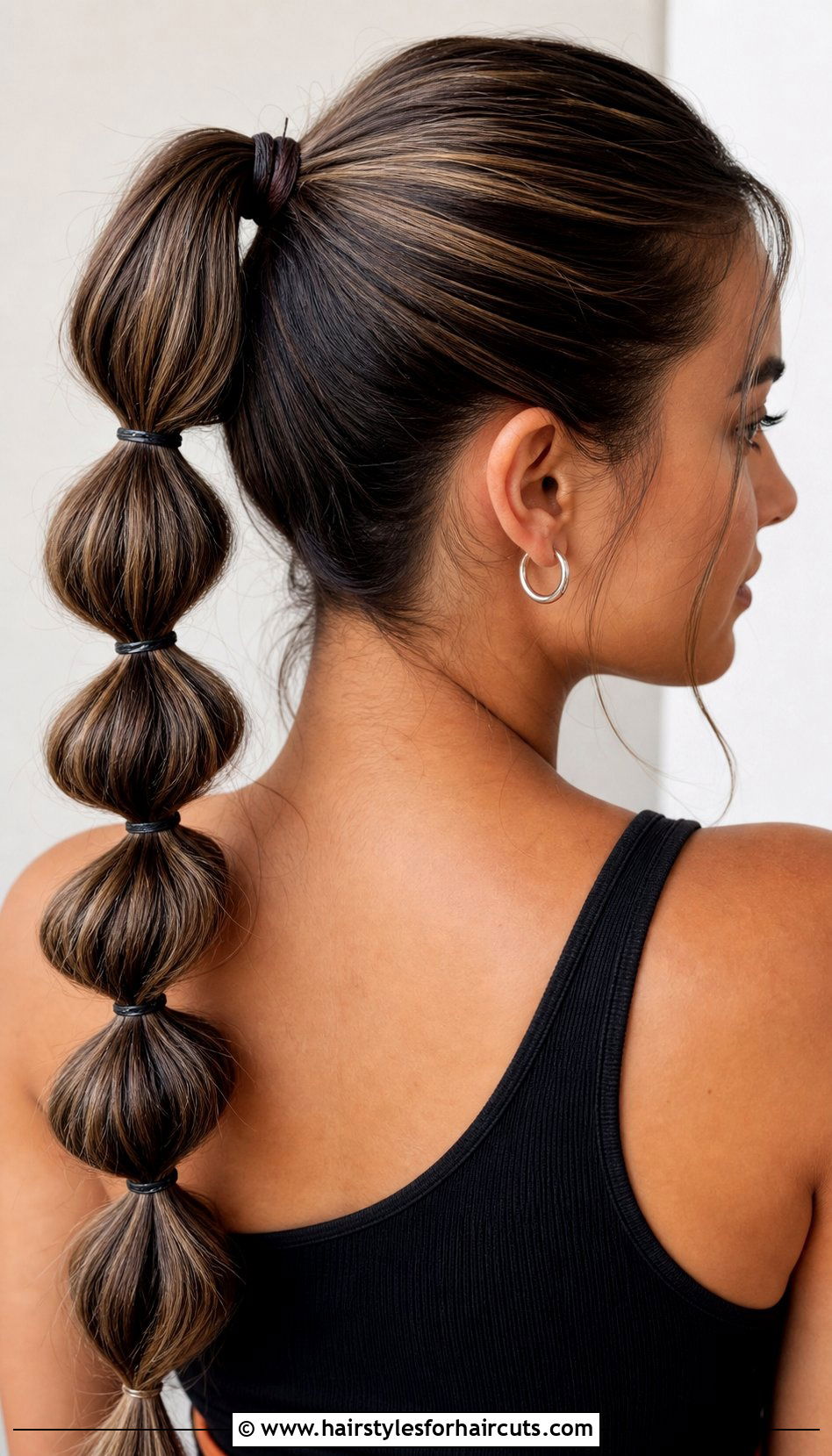
This fun, trendy style features multiple elastics placed down the length of a ponytail to create puffy sections. Yet, a tight bubble braid still requires a taut base ponytail that pulls aggressively on the scalp. Every single elastic band you add down the shaft creates another point of tension that snaps and breaks the hair cuticle. The weight of the gathered bubbles also pulls downward on the already strained roots at the crown and hairline. This combination of a tight base and multiple tension points is a recipe for severe breakage and follicle fatigue. Sliding the elastics slightly looser and avoiding wearing the style for long periods will help protect your strands.
21. Tight Top Knot

A messy, elevated bun might look effortlessly cool, but securing it with maximum force is a dangerous game. A tight top knot yanks all the hair upward, concentrating the tension directly on the front hairline and the crown. This severe upward pull stretches the follicles beyond their capacity, causing the hairs around your face to slowly snap and fall out. The constant twisting and wrapping also weaken the hair shaft, leading to brittle ends and frizz. Wearing this style day after day trains your roots to grow in a strained direction, worsening the hair loss. Pulling the bun back slightly and using a soft silk tie can instantly relieve the damaging tension.
22. Tight Crown Braid

Wrapping a single plait around the top of your head mimics a beautiful headband, but the installation process is intense. A tight crown braid requires pulling the hair from the nape and sides upward, creating intense friction along the hairline. Because the braid must sit perfectly flat against the head, it is usually pinned tightly in place, tugging on the fine baby hairs around your ears and forehead. The continuous rubbing of the tight braid against your scalp can cause irritation, redness, and eventual thinning in those areas. Loosening the plait after you pin it up will maintain the beautiful shape without sacrificing the health of your delicate roots.
23. Tight Pigtail Braids

Double braids are a classic, cute look, but they spell double trouble for your scalp. Wearing tight pigtail braids means splitting the hair and pulling each section firmly away from the face, putting equal stress on both sides of the scalp. This intense side pulling widens your part line and puts immense pressure on the temples and behind the ears. The weight of the braids hanging down also adds a downward pulling force that further stresses the roots. The tight elastics at the base of each braid can cause severe breakage and even rip out small sections of hair. Opting for softer ties and loosening the braids at the scalp will help prevent permanent damage.
24. Tight Rope Braid
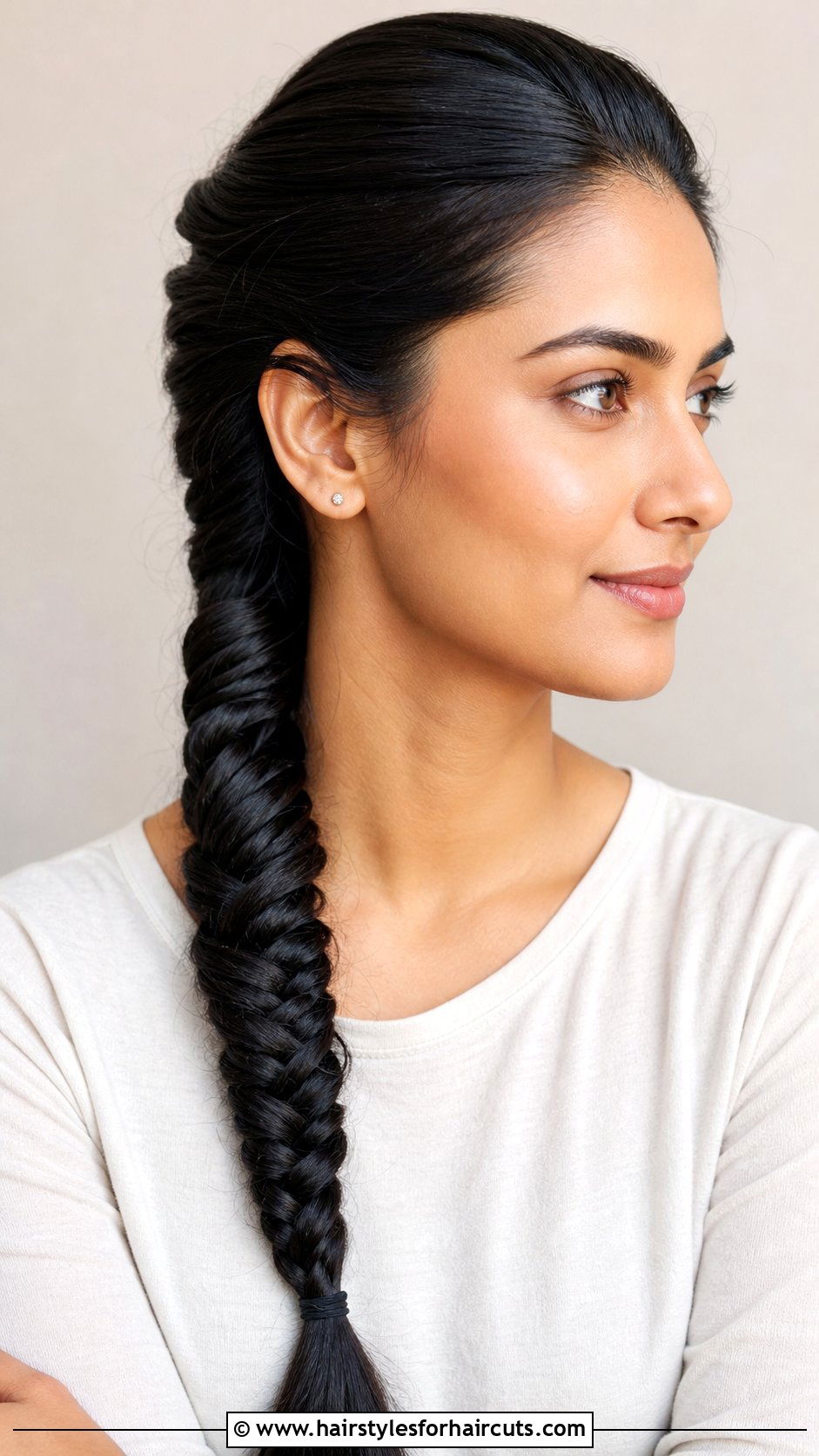
Twisting two sections of hair around each other creates a simple yet striking textured look. However, creating a tight rope braid requires twisting the individual sections very firmly before wrapping them together. This double-twisting technique places an incredible amount of torque on the hair shaft and the roots. The intense twisting forces the cuticle to lift and snap, leading to dry, brittle ends and severe breakage. At the scalp, the twisted tension pulls tightly on the follicles, causing soreness and gradual thinning. If you feel the braid snapping back against your head, it is far too tight. Allowing some natural slack in the twist will save your hair from unnecessary breakage.
25. Tight Updo With Extensions
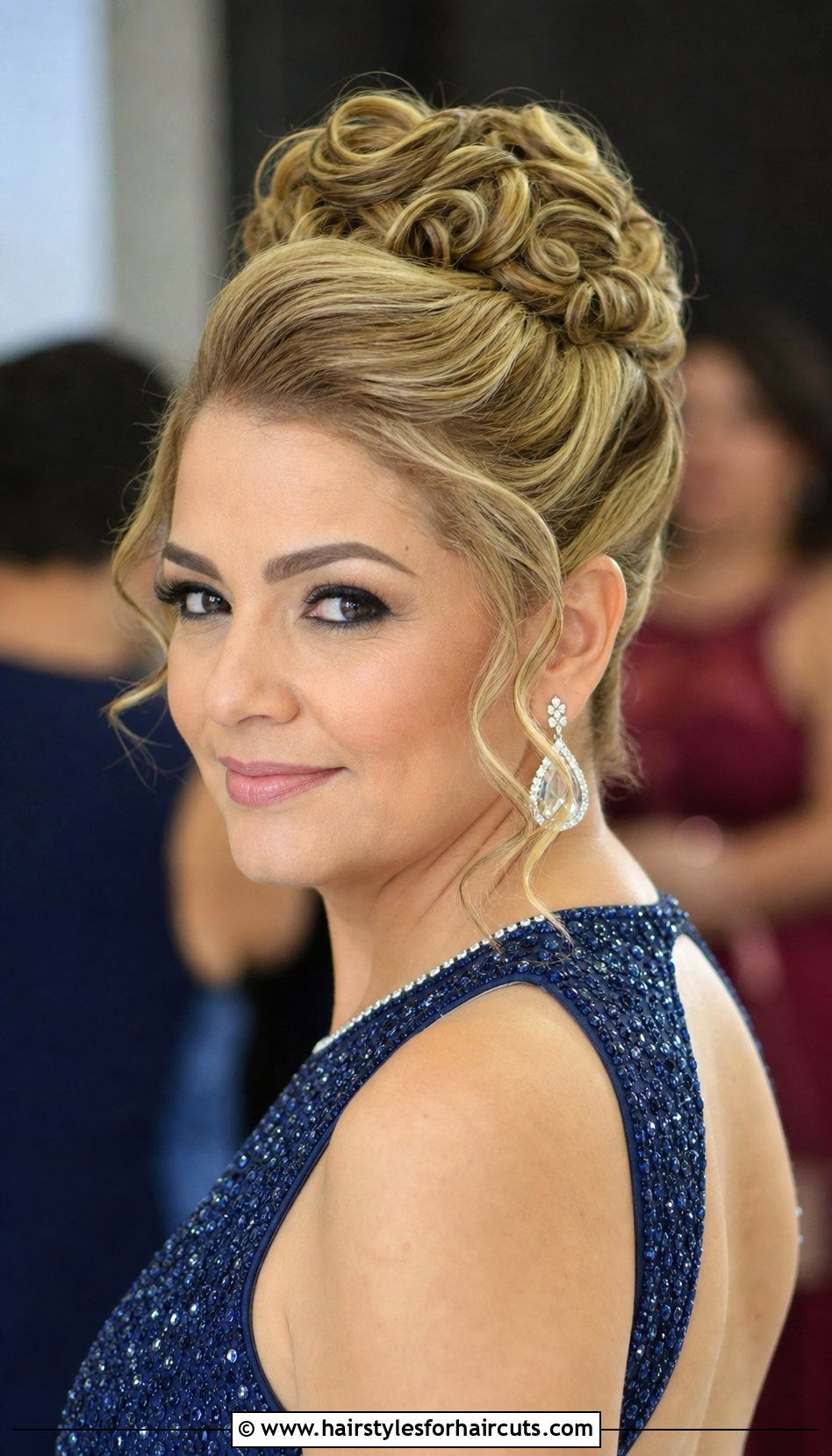
Special events often call for glamorous, voluminous hair that requires added pieces for extra length and fullness. However, wearing a tight updo with extensions adds significant extra weight that your natural roots simply cannot handle. The stylist often pulls the hair firmly to keep the heavy extensions securely in place, placing extreme tension on the entire scalp. This combination of heavy added hair and severe pulling leads to intense headaches and rapid hair loss along the hairline. The pins used to anchor the heavy style also dig into the scalp, causing localized trauma and inflammation. Choosing lighter extensions and asking for a slightly looser grip will keep your style elegant without destroying your hair.
Conclusion:
Protecting your scalp from unnecessary stress is the absolute best way to maintain thick, healthy hair for years to come. As we have explored, experiencing hair loss from tight hairstyles is a very real threat that can lead to permanent traction alopecia if left unchecked. Whether you prefer sleek braids, high ponytails, or heavy extensions, the constant pulling and added weight will eventually take a severe toll on your delicate follicles. Listening to your body is crucial; if your scalp throbs, hurts, or feels overly sensitive, you must take your hair down immediately. By choosing gentler styling methods, using softer hair ties, and giving your roots frequent breaks, you can rock beautiful looks without sacrificing your natural hair.

Leave a Reply