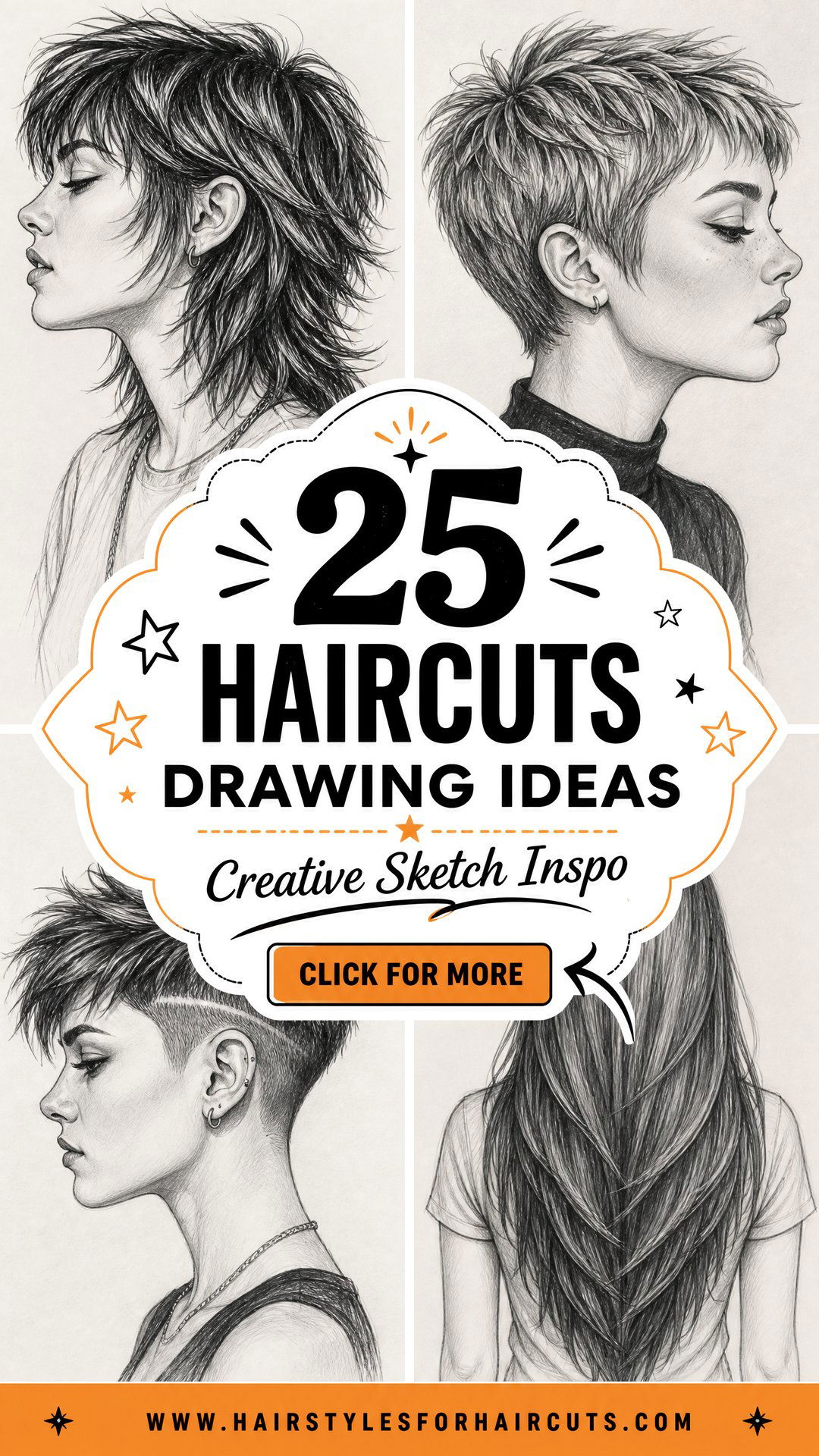
Ever wondered how to bring your sketched characters to life with the perfect mane? Finding the right inspiration for 25 haircuts drawing can completely transform your art, giving each character a distinct personality and vibe. Whether you are illustrating a fierce protagonist or a laid-back supporting character, the right haircut makes all the difference. From sharp, geometric bobs to flowing, layered shags, understanding how different cuts frame the face and move in real life elevates your artwork significantly. This comprehensive guide breaks down twenty-five distinct haircuts, providing you with the ultimate visual reference for your next sketching session. Explore how actual hair textures, weights, and shapes translate from the salon chair to your sketchbook, ensuring your illustrations always look authentic and dynamic.
1. Blunt Bob Haircut Drawing
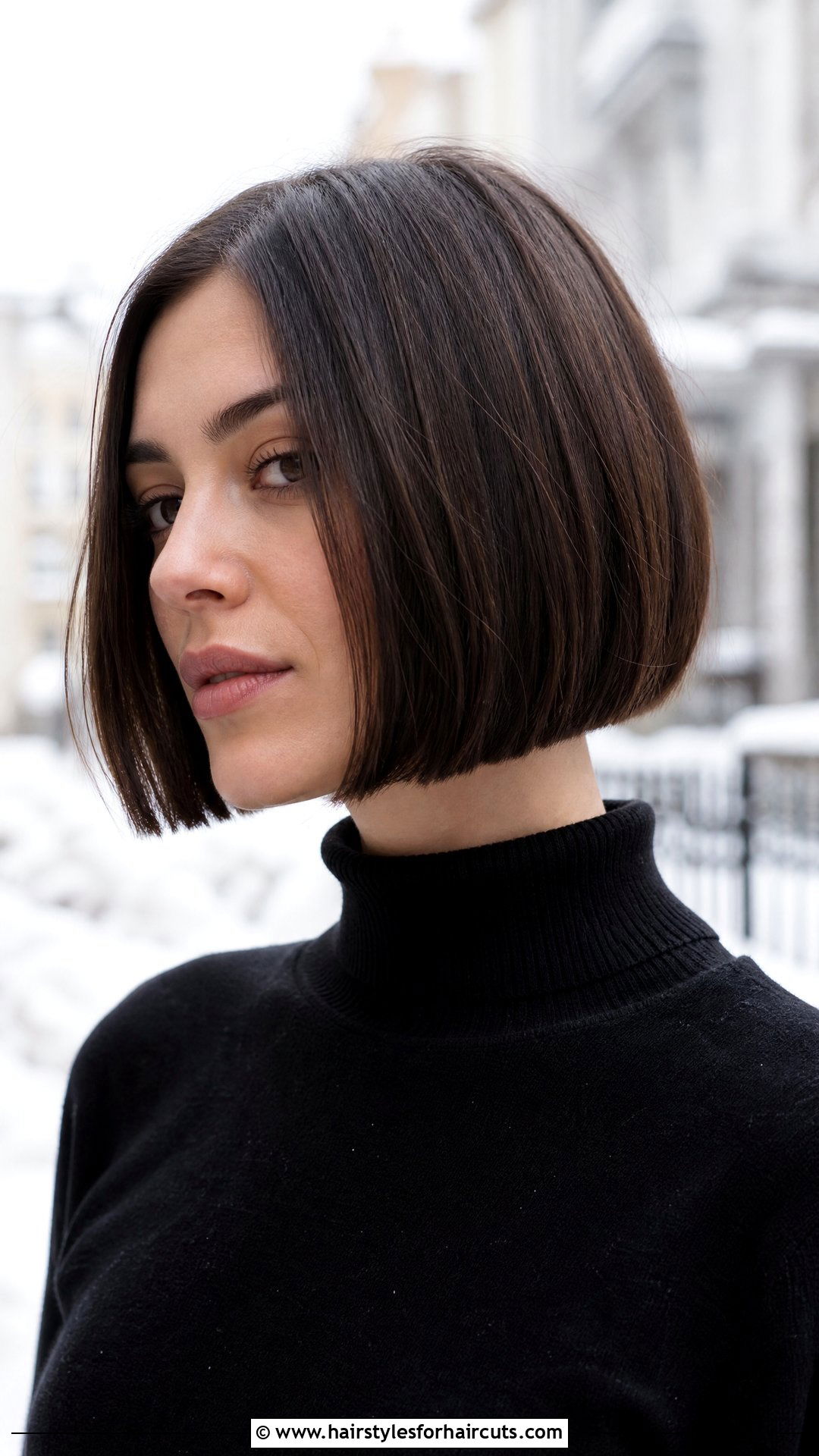
Have you ever tried capturing the sleek perfection of a one-length cut? The blunt bob haircut drawing focuses on clean, sharp lines and minimal layering, making it a fantastic study for precision. When sketching this look, pay close attention to the solid silhouette it creates. The ends should look thick and heavy, falling perfectly flat against the jawline. Because there are no layers to add movement, the shine and smooth texture become your main focal points. Adding sharp, unbroken lines along the bottom edge is crucial for nailing this aesthetic. It works wonderfully for characters who exude confidence and modern sophistication. Translating this heavy, uniform structure into your artwork gives portraits a striking, graphic quality that stands out beautifully on any page.
2. Shag Mullet Haircut Drawing

What makes the modern mullet such a joy to sketch? The shag mullet haircut drawing captures a rebellious, effortlessly cool energy through choppy layers and maximum texture. When illustrating this cut, focus on the stark contrast between the shorter, heavily layered top and the longer, wispy back. The fringe is typically piecey and textured, sweeping across the forehead without looking heavy. You want to emphasize the uneven, feathery ends rather than solid blocks of hair. This creates a sense of constant motion and lived-in volume. It is the ultimate style for characters with a wild, untamed spirit. By using quick, erratic strokes to define the layers, you bring out the chaotic charm that makes this retro-inspired cut so visually compelling today.
3. Long Layered Haircut Drawing
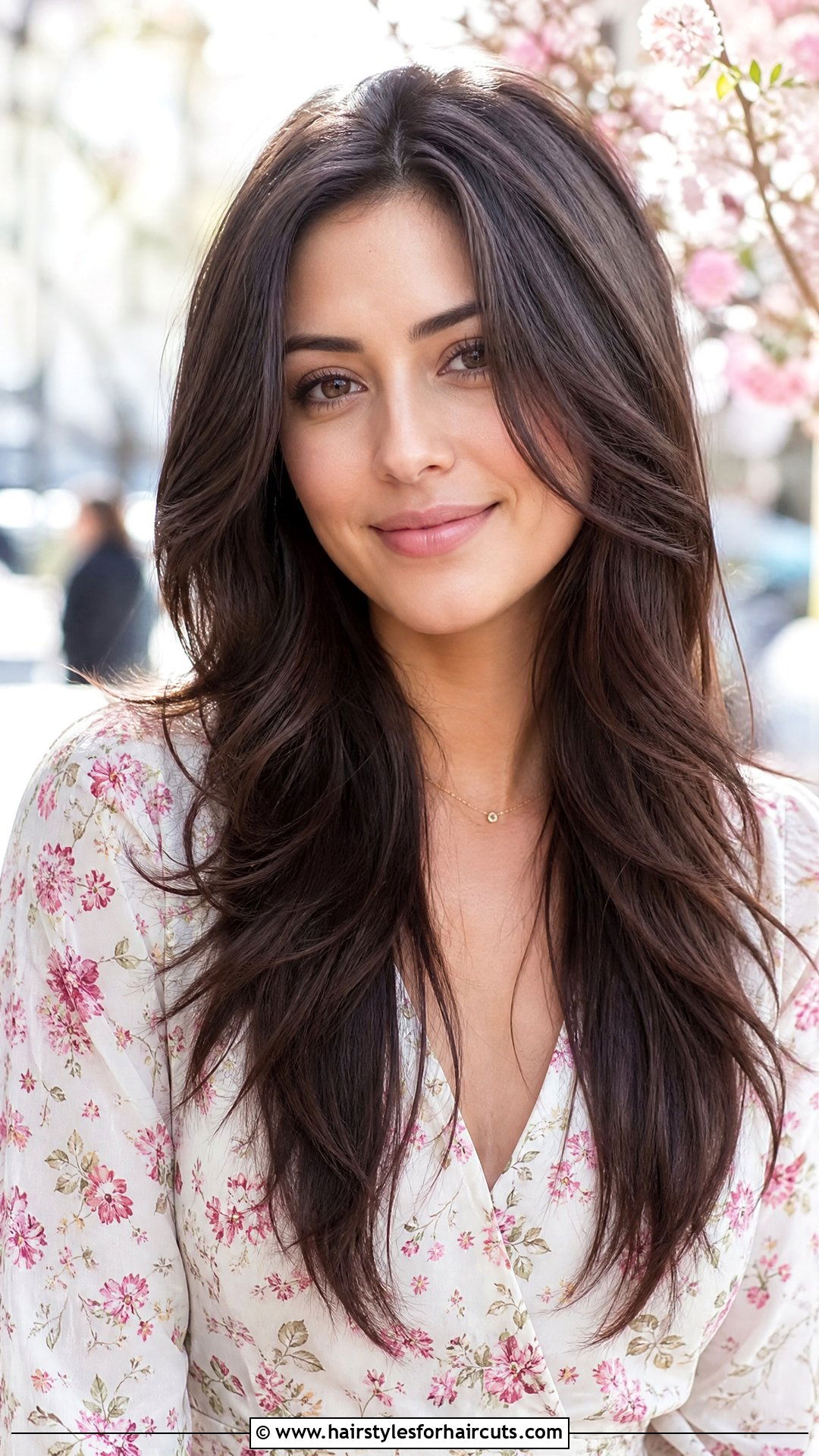
How do you convey weight and flow in longer styles? The long layered haircut drawing requires a delicate balance of volume at the top and thinner, tapered ends. When sketching this, start by establishing the longest point, then draw the varying lengths cascading down. The layers around the face should blend seamlessly, framing the features softly without harsh lines. Because this cut relies on removing bulk from the bottom, make sure your lines taper inward slightly toward the tips. This technique illustrates how the hair falls naturally without looking bottom-heavy. It is ideal for depicting elegance and everyday femininity. Capturing the subtle transitions between the different lengths ensures your drawing looks realistic, proving that sometimes the most beautiful details lie in gentle gradients.
4. Pixie Cut With Bangs Drawing
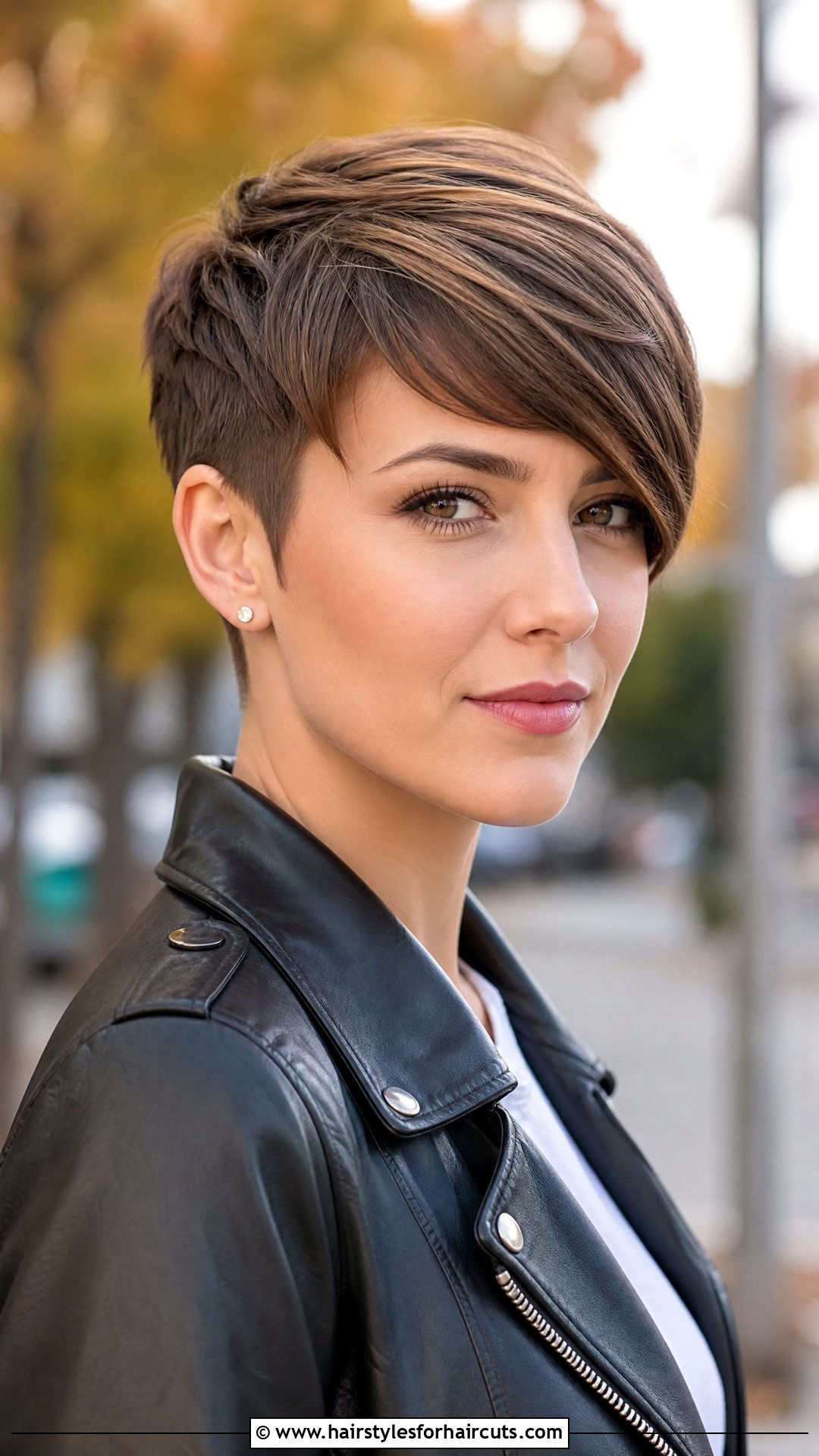
Looking for a style that pops off the page with personality? The pixie cut with bangs drawing centers on short, cropped sides and a longer, playful top. When rendering this cut, the bangs are your star feature. Draw them sweeping forward boldly, creating a distinct line across the forehead. The sides and back should lie close to the scalp, requiring smooth, minimal shading to suggest closeness without flatness. This contrast between the voluminous top and the tight sides creates a dynamic silhouette. It is perfect for giving characters a sharp, youthful, and energetic appearance. By emphasizing the separation in the front fringe and keeping the nape clean, your sketch will radiate the same spunky confidence this tiny but mighty haircut carries.
5. Curtain Bangs Lob Haircut Drawing

Why does this specific combination look so universally flattering? The curtain bangs lob haircut drawing merges the face-framing magic of a center-parted fringe with the relaxed vibe of a collar-grazing length. When drawing this, focus on how the bangs curve outward, sweeping away from the face like two gentle curtains. The lob itself should fall just above the shoulders, featuring subtle texturing at the ends to prevent a blunt look. The transition from the shorter fringe into the longer front pieces must be smooth and fluid. This style suits characters who are approachable, stylish, and effortlessly chic. Capturing the soft, feathery edges of the fringe and the gentle inward tuck of the lob creates a harmonious, highly wearable aesthetic for your art.
6. Asymmetrical Bob Haircut Drawing

Want to add an edge of intrigue to your character design? The asymmetrical bob haircut drawing relies on an intentional imbalance, where one side is noticeably longer than the other. When sketching this, establishing the dramatic angle is your first priority. The hair should sweep down from a deep side part, getting progressively longer as it reaches the jawline on one side. Keep the lines sleek and the texture smooth to emphasize the sharp geometric contrast. The shorter side can tuck behind the ear to highlight the asymmetric shape clearly. This bold cut is synonymous with avant-garde fashion and fearless personalities. Nailing the precise angle and immaculate smoothness ensures your drawing commands attention, reflecting the daring attitude inherent in this striking haircut.
7. Wolf Cut Haircut Drawing

How do you illustrate a style that is entirely about wild volume? The wolf cut haircut drawing is defined by its intense layering, shaggy texture, and aggressive volume around the crown. When drawing this heavily layered look, focus on the starburst effect created by the short layers at the top. The ends should look heavily thinned out and wispy, contrasting with the thick, ruffled roots. Curtain bangs typically frame the face, blending into the sides seamlessly. It looks best when you use sketchy, expressive lines rather than rigid, clean strokes. This translates the rebellious, untamed spirit of the cut perfectly. Capturing the messy, voluminous silhouette gives your character a cool, grunge-inspired vibe that feels totally authentic and effortlessly stylish in your illustration.
8. Long Hair With Wispy Bangs Drawing

What happens when you pair endless length with a whisper-light fringe? The long hair with wispy bangs drawing combines the dramatic effect of long locks with the soft touch of barely-there bangs. When sketching, the bangs should look thin and feathery, resting gently on the forehead without overpowering the face. Because the hair is long, show the weight by drawing smooth, thick cascading lines down the back, then contrast this with the light, airy strokes at the front. The fringe should blend softly into the longer front pieces, creating a seamless transition. This style works wonders for characters with a romantic, ethereal, or gentle personality. Accentuating the sheer delicacy of the bangs against the heavy length creates a stunning, balanced aesthetic.
9. Feathered Shag Haircut Drawing
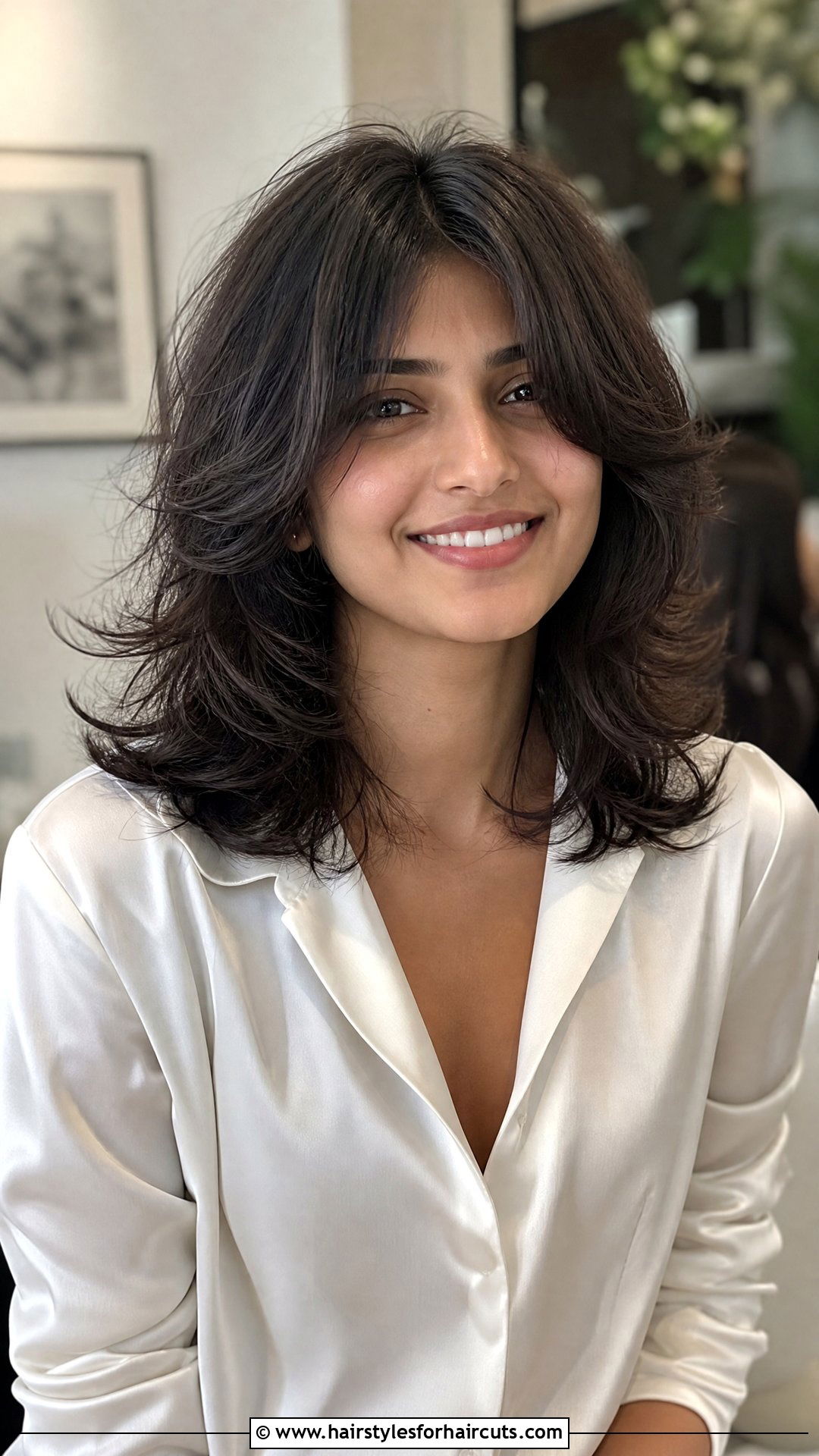
Remember the breezy, voluminous looks from the seventies? The feathered shag haircut drawing brings that retro flair back with its voluminous, flipped layers and soft texture. When illustrating this, concentrate on how the layers curl outward away from the face, creating a butterfly-wing effect. The bangs are typically thick and swept to the side, seamlessly blending into the feathered sides. Your lines should be flowing and curved, showing the bouncy movement and lightness of the cut. Avoid making the ends look sharp or blunt. Instead, use soft, flicking strokes to convey the feathery texture. This cut is fantastic for lively, free-spirited characters. Capturing that outward flip and abundant volume ensures your drawing radiates the same groovy energy as the iconic style itself.
10. Wedge Haircut Drawing
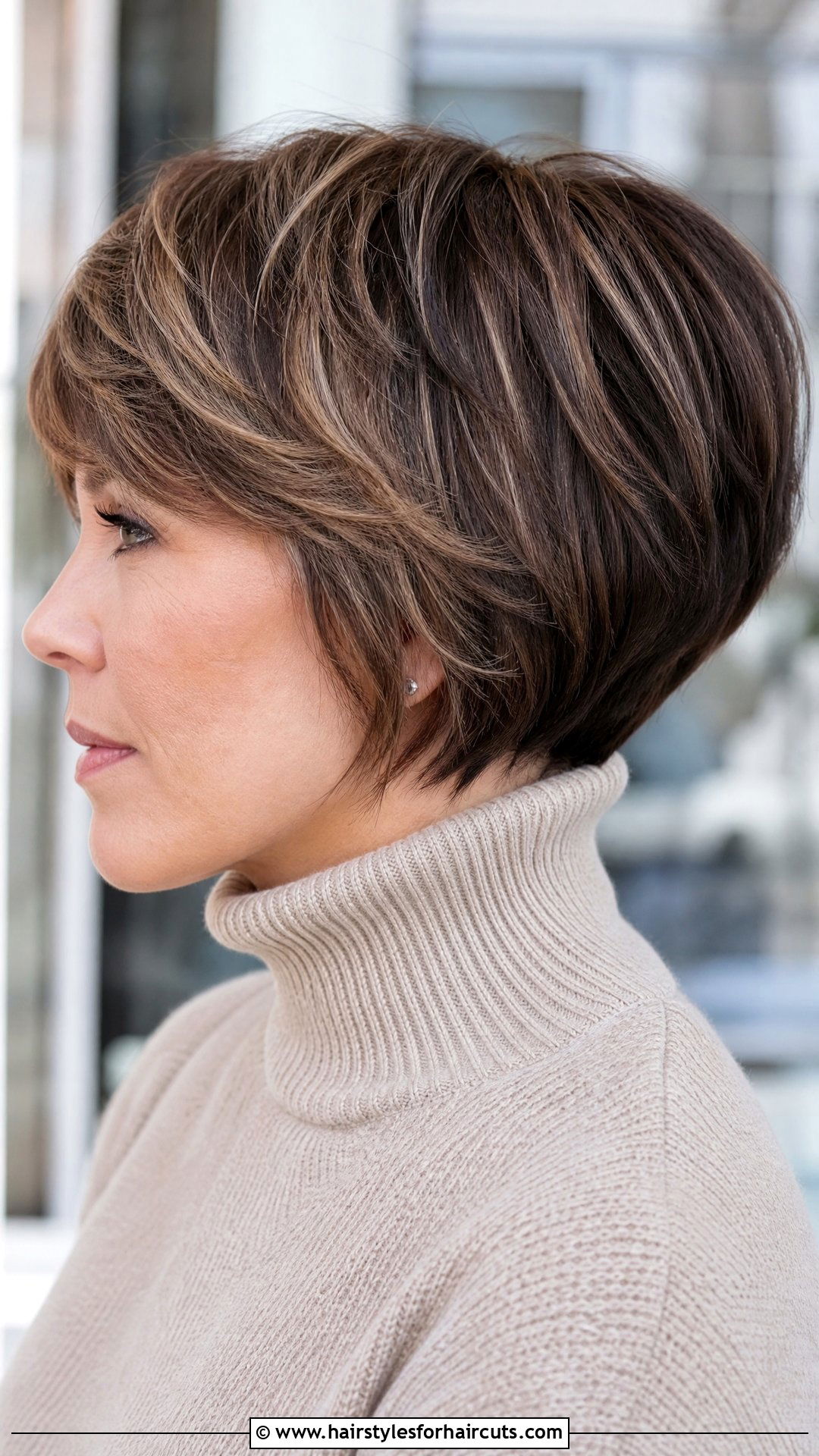
Looking for a retro style with sharp geometric appeal? The wedge haircut drawing features a distinct stacked shape at the back, creating a triangular silhouette that is instantly recognizable. When sketching this, the key is the graduated layers at the nape that build up to a heavier top. The back should look like a smooth, angled wedge, while the front frames the face neatly. You must use clean, sweeping lines to define the stacked shape, ensuring the graduation looks precise rather than messy. The hair should look full and buoyant, holding its structured form perfectly. This cut suits characters with a polished, vintage-inspired aesthetic. Perfecting the crisp angle of the stacked back gives your artwork a striking, architectural element that draws the eye immediately.
11. Chin Length Bob Haircut Drawing

Why is this length considered the ultimate sweet spot? The chin length bob haircut drawing captures a timeless, versatile look that stops right at the jawline. When drawing this, focus on the clean edge that skims the chin, highlighting the jawbone structure. Whether you choose to draw it sleek and straight or with a slight inward tuck at the ends, the length must remain precise. There is no heavy layering to worry about, which makes it a great study in perfect proportion and balance. The simplicity of the cut allows you to play with texture, making it shiny and smooth or textured and messy. It perfectly complements characters with a classic, no-nonsense attitude. Keeping the hemline exact ensures the drawing looks tailored and chic.
12. Micro Bangs Pixie Drawing
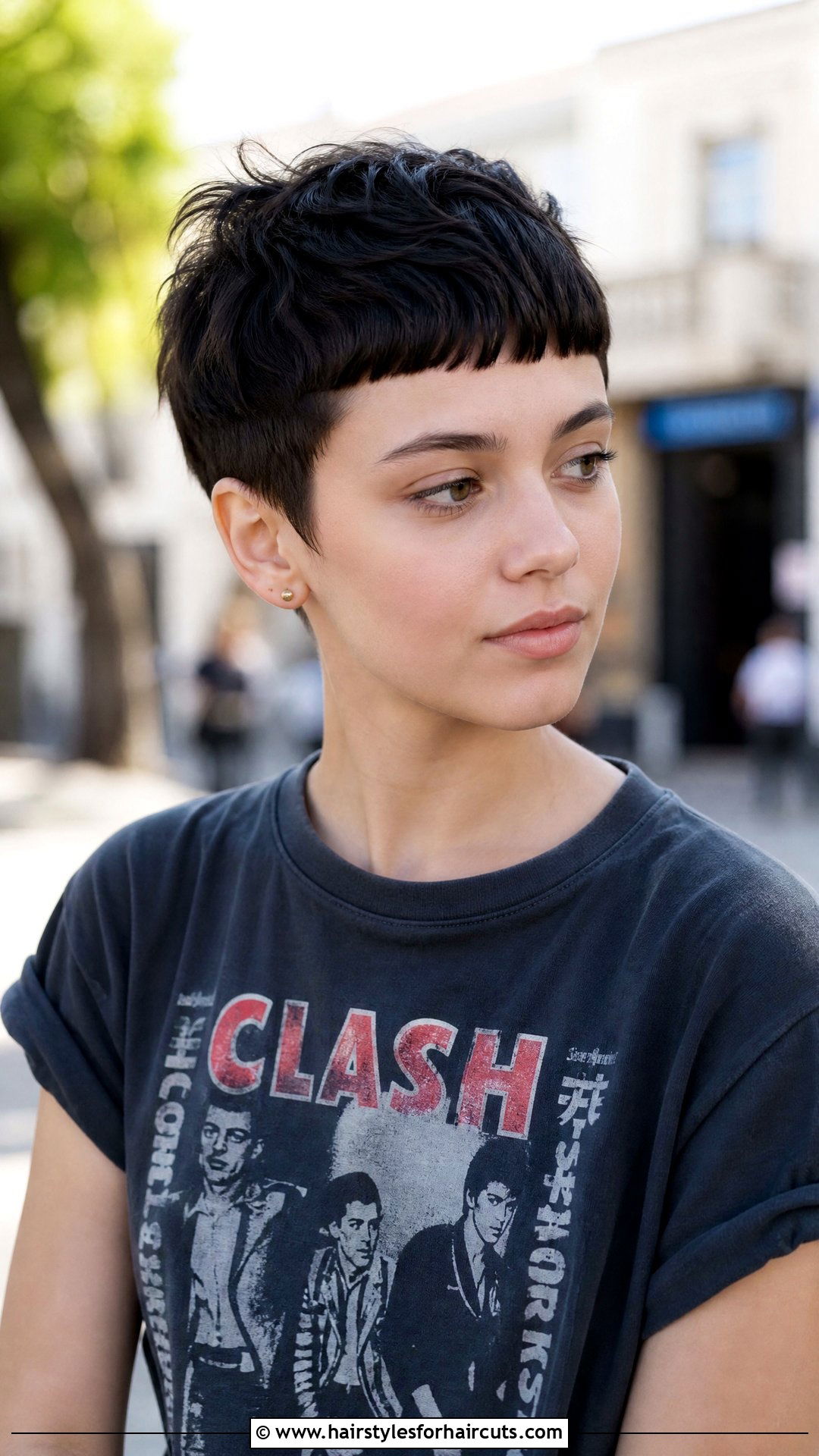
Ready to push boundaries with a daringly short fringe? The micro bangs pixie drawing combines a cropped, close-cut style with ultra-short bangs that sit high on the forehead. When rendering this look, the bangs should end inches above the eyebrows, creating a stark, dramatic line. The rest of the hair can be sleek and close to the head, or slightly textured on top. The juxtaposition of the bare forehead and the sharp line of the micro bangs creates a high-impact visual. It is an excellent choice for characters with bold, artistic, or non-conformist personalities. By ensuring the bangs are cut bluntly and the rest of the hair lies smoothly, your sketch will capture the stark, edgy modernism of this unique haircut.
13. Textured Lob Haircut Drawing

How do you make a medium length cut look effortlessly undone? The textured lob haircut drawing relies on choppy ends and loose waves to create a relaxed, lived-in feel. When sketching this, avoid pristine lines. Instead, focus on drawing pieces that vary slightly in length, mimicking the effect of a razor cut. Add soft, imperfect waves throughout the mid-lengths and ends to enhance the messy texture. The parting should look natural and slightly messy, never perfectly straight. This haircut is the epitome of modern, casual chic, perfect for the girl-next-door or a busy creative. By emphasizing the piece-y, separated nature of the ends rather than a solid block, your drawing will exude that highly coveted, effortlessly cool aesthetic that everyone wants right now.
14. Butterfly Haircut Drawing
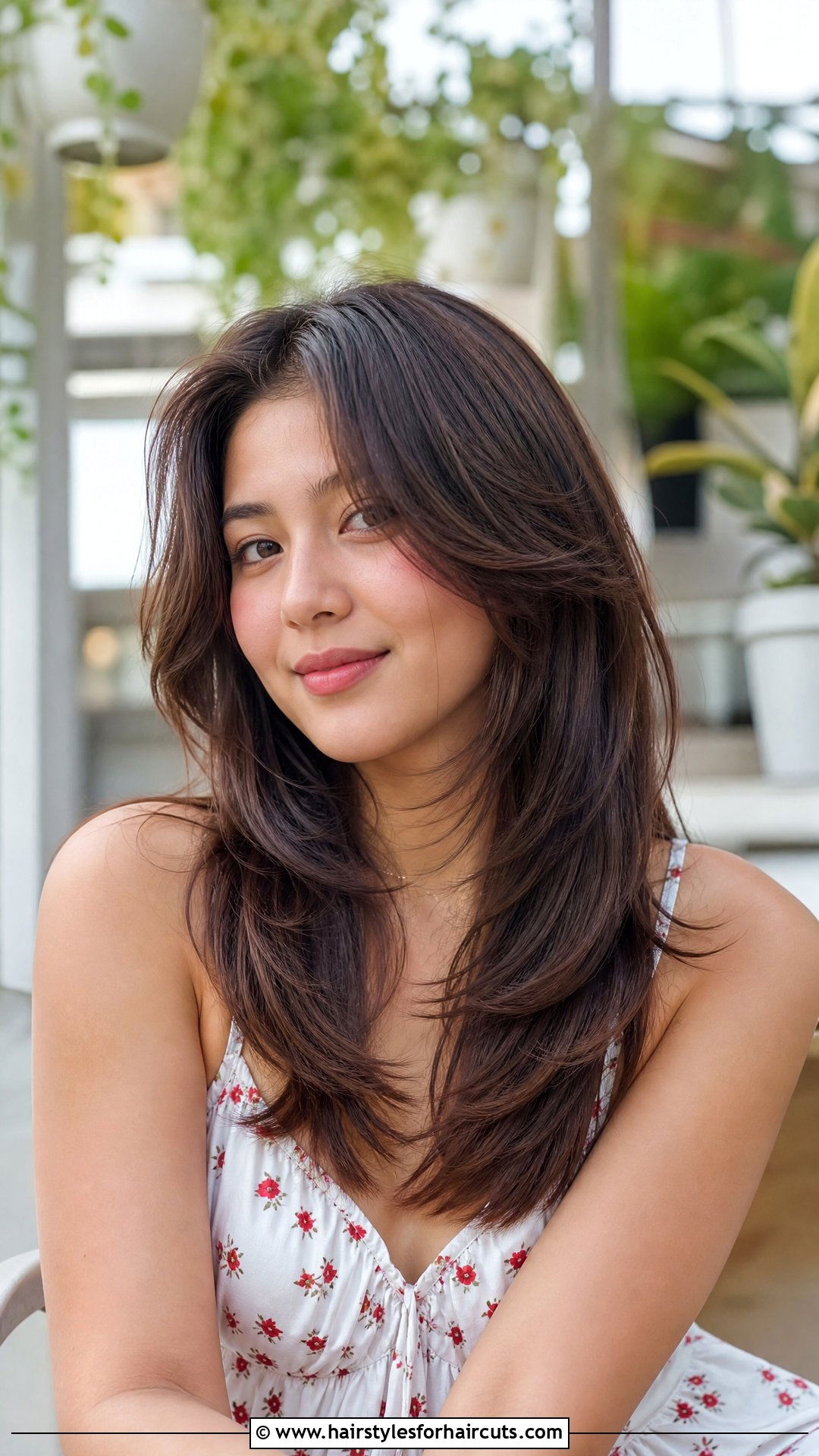
Want to master the illusion of short hair with long layers? The butterfly haircut drawing features heavily layered short pieces at the top that blend into much longer lengths underneath. When drawing this, focus on creating extreme volume at the crown and face-framing layers that look like butterfly wings. The shorter layers should be incredibly prominent, floating above the hidden longer hair. This gives the style a bouncy, weightless appearance. The long underneath sections only become visible at the very bottom, providing length without the bulk. It is ideal for characters who want the best of both worlds. Capturing the distinct separation between the voluminous short layers and the subtle long ends makes your artwork look dynamic, multi-dimensional, and full of vibrant movement.
15. A-Line Bob Haircut Drawing

How do you illustrate a cut that is all about angles? The A-line bob haircut drawing features a silhouette that is shorter at the back and gradually gets longer toward the front. When sketching this, the angle from the nape to the front chin-length is your most critical element. The back should be clipped and clean, while the front pieces frame the face elegantly. Ensure the lines are sharp and sleek, as this style relies heavily on a polished finish to maintain its structural integrity. It is a powerful look that suggests sophistication and control. Perfecting that continuous, sharp diagonal line from the back to the front ensures your drawing conveys the sharp, tailored elegance that makes this haircut a true classic everywhere.
16. Razored Pixie Haircut Drawing

Looking for a short cut with a fierce, shattered texture? The razored pixie haircut drawing is defined by its feathery, ultra-textured ends and choppy layers, completely avoiding blunt lines. When drawing this, use quick, sketchy strokes to create a piece-y, almost spiky appearance on top. The sides can be tapered but should still maintain that slightly unrefined, razored edge. The lack of solid lines makes this style look incredibly light and airy, moving easily with the slightest breeze. It perfectly suits a character with a punk-rock sensibility or an artistic, unpredictable nature. By focusing on the fragmented, textured tips rather than a solid shape, you will successfully capture the rebellious, deconstructed vibe that sets this edgy short haircut apart from the rest.
17. Modern Bowl Cut Drawing

Can a retro cut be transformed into a high-fashion statement? The modern bowl cut drawing features a distinct, curved fringe and evenly cut sides that form a sleek, dome-like shape. When sketching this, the perimeter line must be smooth and continuous, curving around the head seamlessly. Unlike the blunt version of the past, the modern take often features a slightly tapered nape or added texture on top to reduce the bulk. It creates a striking, helmet-like silhouette that demands attention. This is the perfect style for avant-garde characters who defy convention. By keeping the outer boundary crisp and perfectly curved while allowing a touch of movement underneath, your drawing will reflect the contemporary, fashion-forward edge of this dramatically structured haircut.
18. Undercut Pixie Haircut Drawing
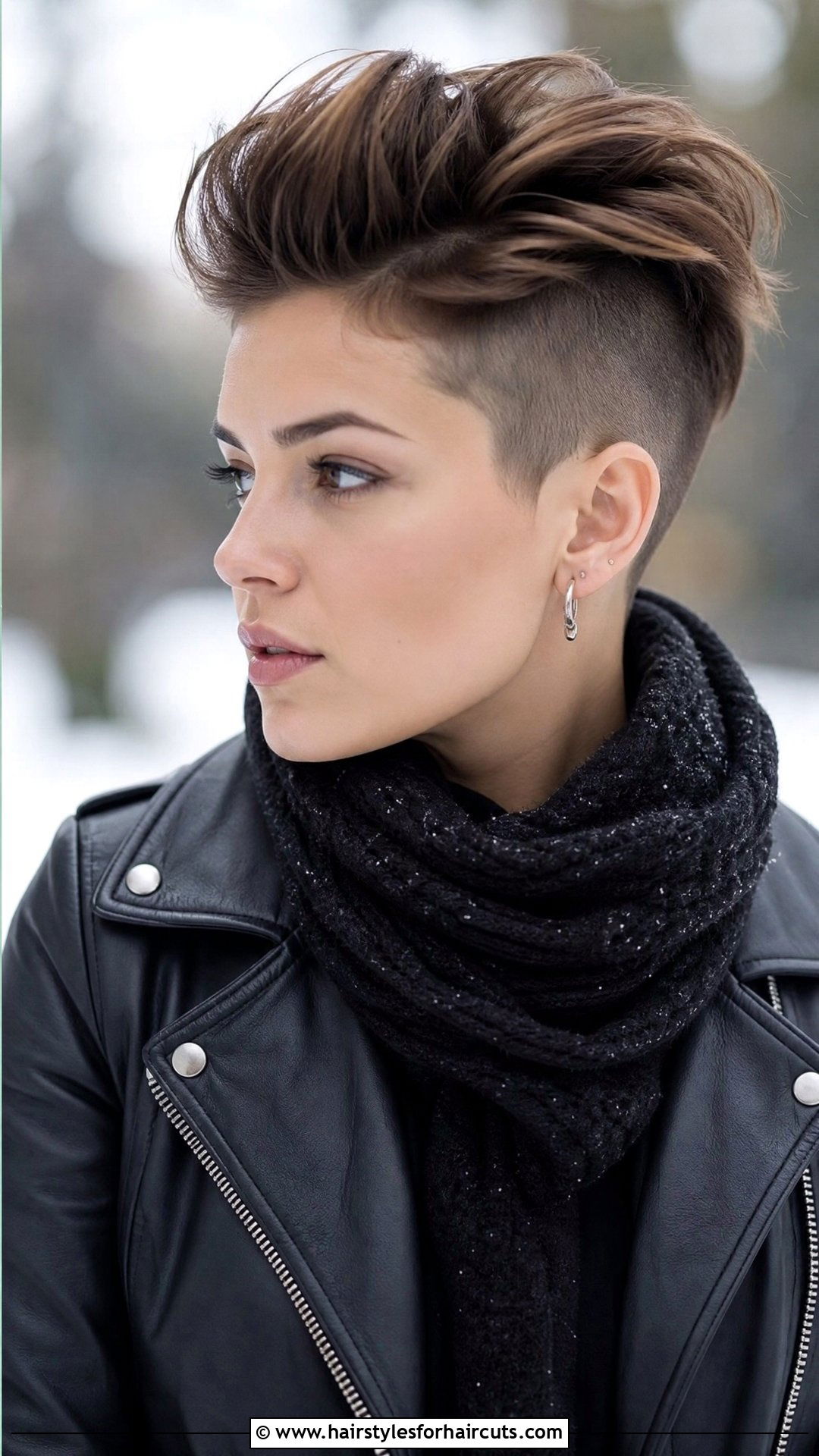
How do you balance softness with severe structure? The undercut pixie haircut drawing showcases shaved or closely cropped sides and back paired with a longer, voluminous top. When illustrating this cut, the contrast is everything. Draw the sides tightly clipped to the head, using minimal shading to indicate the short length. The top should be lush, long, and swept over the shaved section, creating a dramatic visual shift. You can style the top sleek and slicked back or messy and textured, depending on the character. It is a brilliant choice for rebels and warriors who need their hair out of their face. Highlighting the stark difference between the bare sides and the heavy top makes your portrait look bold and highly stylized.
19. French Bob Haircut Drawing

What makes this specific bob look so effortlessly Parisian? The French bob haircut drawing is characterized by its slightly shorter length, resting above the chin, and a heavy, textured fringe. When sketching this, the ends should look slightly undone and piece-y, never stick-straight or perfectly coiffed. The bangs should be thick and blunt, sitting right at the brow bone to frame the eyes intensely. The overall shape is slightly rounded, hugging the head gracefully. This gives the style a casual yet incredibly chic aesthetic, perfect for intellectual or artistic characters. By adding a bit of subtle texture to the ends and keeping the bangs full and prominent, you will easily capture that relaxed, cool-girl energy that defines this iconic European look.
20. V-Cut Long Hair Drawing

How do you add shape to extremely long hair without losing length? The V-cut long hair drawing solves this by creating a distinct V-shape at the back, achieved through steep layering. When drawing this, pull the hair together at the nape to emphasize the sharp, tapered point at the center. The sides should sweep down beautifully, gradually getting longer toward the middle back. This removes bulk from the sides while preserving maximum length at the bottom. It is a stunning choice for fantasy characters or anyone wanting a dramatic, flowing mane. Ensuring the center point is sharp and the layers cascade smoothly into it gives your drawing an elegant, sweeping dynamic that looks absolutely breathtaking from any angle in your illustrations.
21. Flipped Out Haircut Drawing
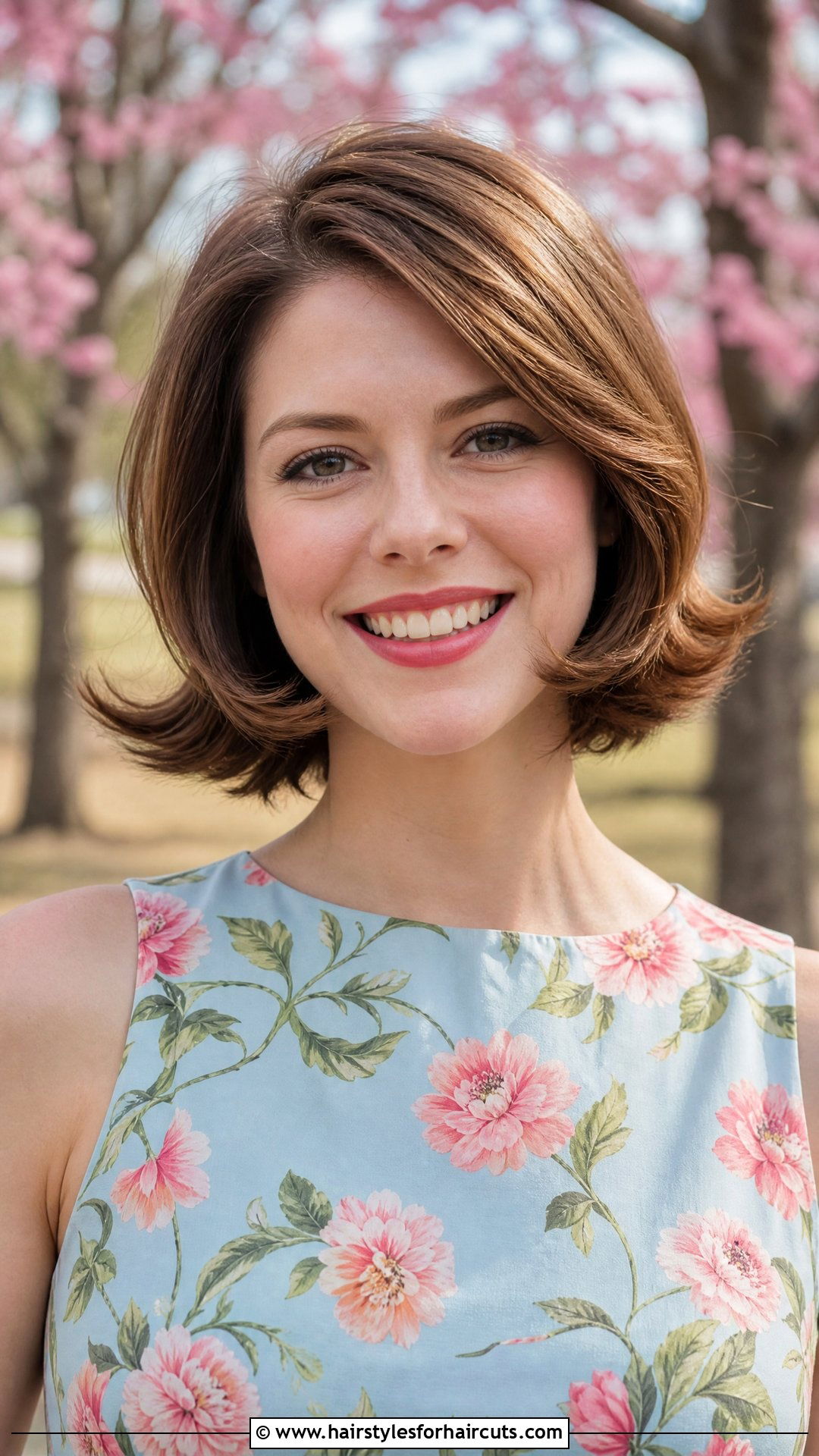
Want to capture a groovy, retro vibe in your sketches? The flipped out haircut drawing brings the sixties and seventies aesthetic to life with ends that curl upward and away from the face. When illustrating this, focus on the distinct upward curve at the tips of the hair. Whether it is a short bob or shoulder-length cut, those outward flips are the defining feature. The roots should lie smooth and flat, building up to that bouncy, energetic flip at the bottom. Use confident, curved strokes to show the hair defying gravity. This style is inherently playful, cheerful, and highly expressive, making it great for lively characters. Perfecting that upward swoosh at the ends ensures your artwork radiates vintage charm and fun.
22. Bixie Haircut Drawing
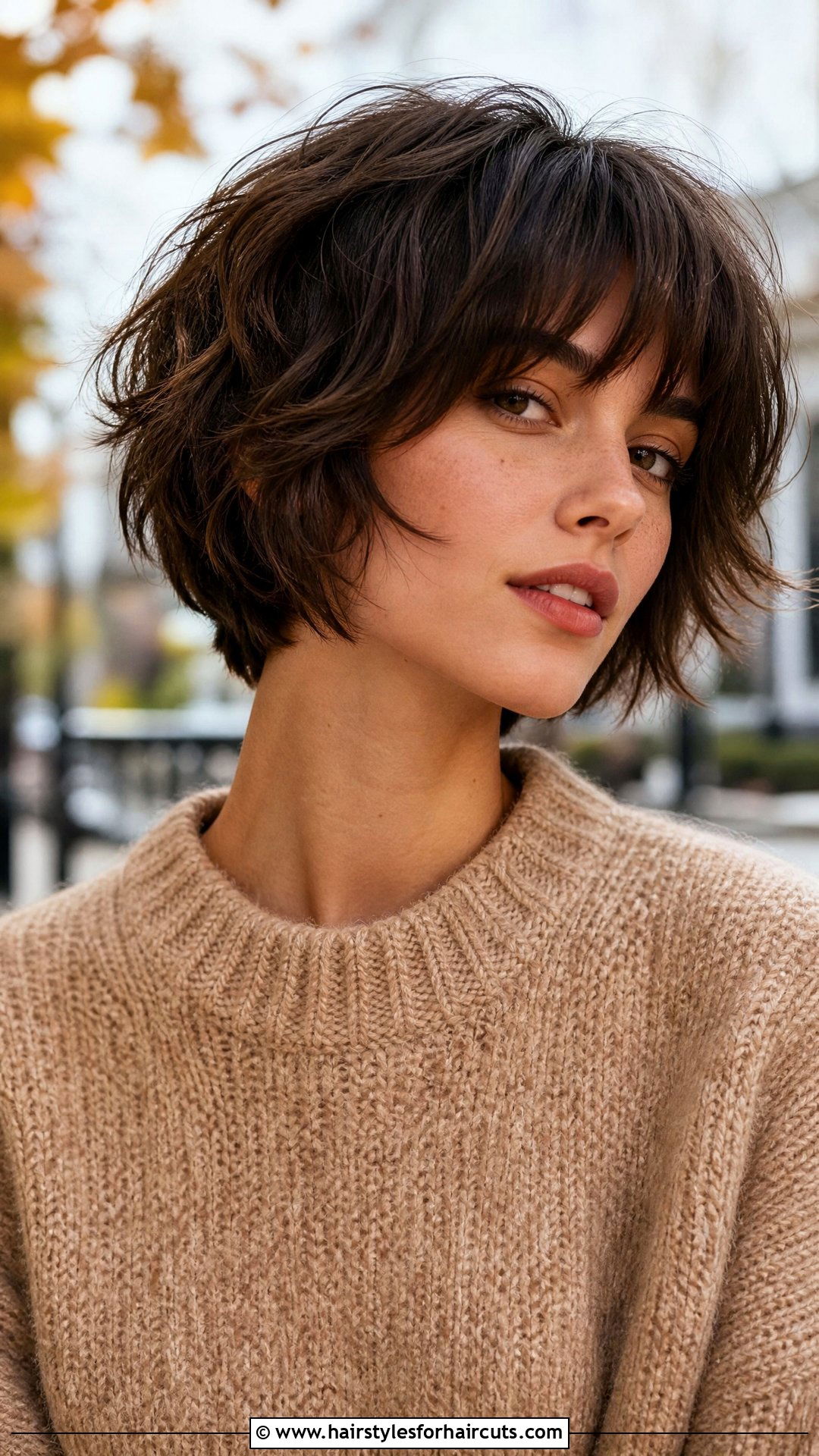
Why choose between a bob and a pixie when you can have both? The bixie haircut drawing merges the best elements of these two iconic styles, resulting in a layered, slightly longer pixie with bob-like volume. When drawing this, focus on the shaggy, piece-y layers that fall around the ears and neck. It lacks the severe shortness of a traditional pixie but remains incredibly light and airy. The bangs are usually longer and swept to the side, blending into the choppy sides. It is a wonderfully versatile style that suits a wide range of characters, from the quirky sidekick to the leading lady. Emphasizing the soft, feathery layers and the blended lengths gives your sketch a timeless, effortlessly cool appeal.
23. Faux Hawk Haircut Drawing
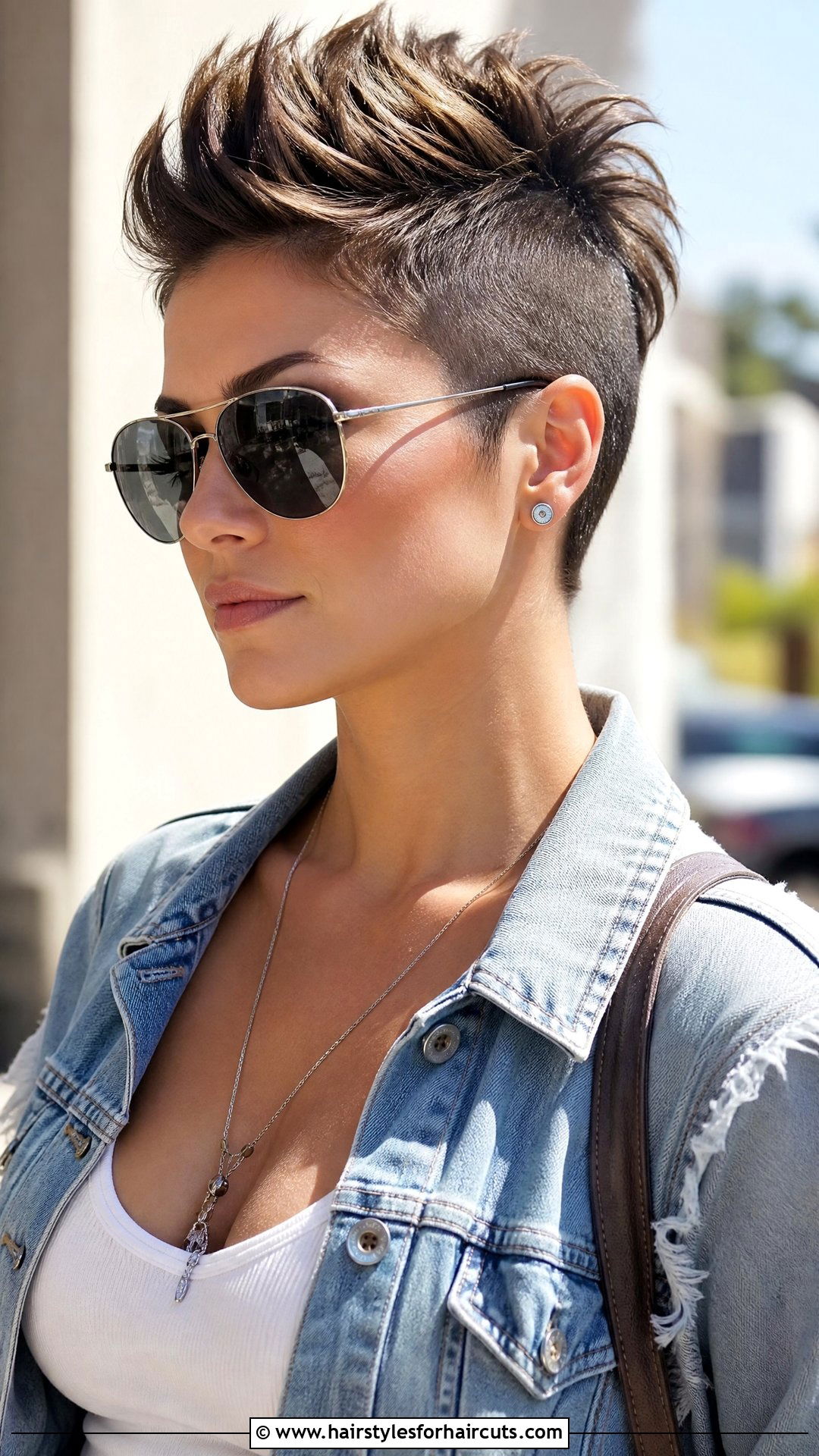
Need a style that screams boldness without the commitment of a shaved head? The faux hawk haircut drawing features a strip of longer hair running down the center of the head, with shorter, textured sides. When sketching this, the central ridge should be voluminous and styled upward, while the sides lie flat but are not completely shaved. You can create the spiked effect using jagged, upward strokes along the crest. The contrast between the sleek sides and the wild center ridge gives this cut its fierce attitude. It is an exceptional choice for athletes, punks, or futuristic characters. Capturing the height and texture of that central strip ensures your drawing packs a serious punch and commands immediate respect on the page.
24. Rounded Bob Haircut Drawing

Looking for a soft, romantic alternative to the blunt bob? The rounded bob haircut drawing features a curved, soft silhouette that hugs the head, completely avoiding harsh angles. When illustrating this, the ends should curve inward gently, creating a seamless, circular shape around the face. There is no severe stacking or sharp A-lines here. Instead, the focus is on smooth, continuous lines that create a gentle, bell-like shape. The texture should look soft and plush, adding to the approachable nature of the cut. It perfectly complements characters with a gentle, classic, or vintage-inspired wardrobe. By ensuring the outline flows smoothly without any sharp corners, your drawing will capture the sweet, timeless elegance of this beautifully structured and universally flattering haircut.
25. Piecey Shag Haircut Drawing
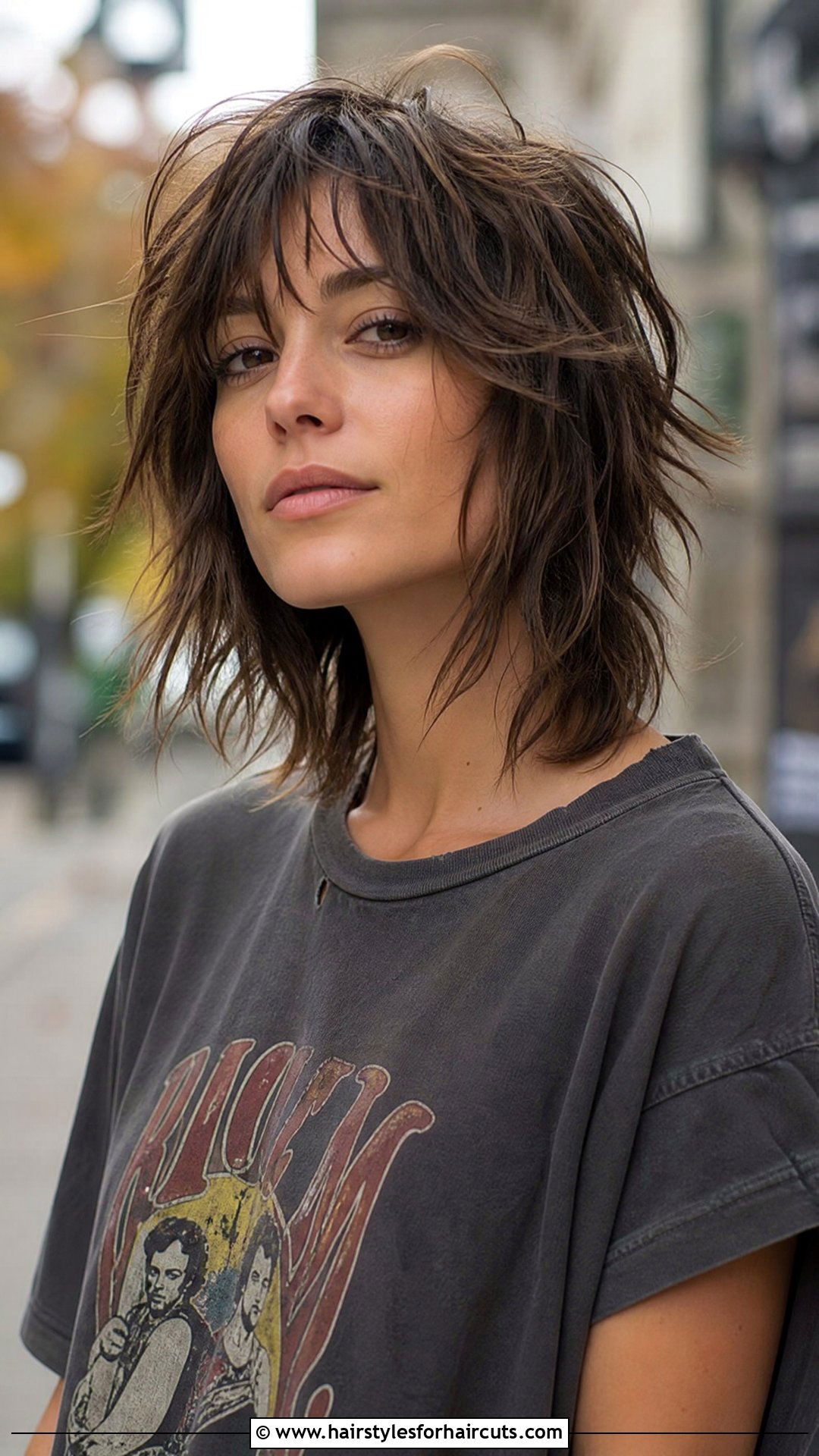
How do you illustrate a style that looks perfectly imperfect? The piecey shag haircut drawing is all about separation, texture, and rock-and-roll attitude. When drawing this, avoid clumping the hair together. Instead, focus on creating distinct, thin sections of hair that look individually defined. The layers should be choppy and erratic, framing the face with messy, textured bangs. Add plenty of movement by varying the direction of your strokes, making the hair look like it has been tousled by the wind. It is the ultimate low-maintenance, high-style cut, ideal for musicians, artists, or free spirits. Emphasizing the separated, piece-y texture over solid shapes ensures your artwork radiates that effortlessly cool, lived-in vibe that defines the modern shag haircut.
Conclusion:
Creating compelling art requires more than just basic shapes; it demands an understanding of how real hair moves and falls. Exploring these 25 haircuts drawing references gives you the exact visual vocabulary needed to elevate your illustrations. From the sharp geometry of an asymmetrical bob to the wild, untamed layers of a wolf cut, each style brings its own unique energy and character traits to your canvas. By practicing these varied silhouettes, textures, and proportions, you ensure your characters never look flat or generic. Keep experimenting with different lengths and volumes, and watch your artistic skills flourish. Bookmark this guide whenever you need fresh inspiration, and let these dynamic haircut references breathe life into your next amazing sketch.

Leave a Reply