The 1960s was a revolutionary decade that completely transformed the world of beauty and fashion. From the towering beehives of the early years to the free-flowing natural waves of the hippie movement, this era offered some of the most iconic looks in history. If you are fascinated by retro glamour or looking for a vintage twist for your modern look, exploring these classic cuts is a great place to start. This guide breaks down 25 hairstyles in the 1960s that defined a generation, influenced pop culture, and continue to inspire stylists today. Whether you love structured elegance or carefree bohemian vibes, there is a sixties look that perfectly captures your personal aesthetic. Let us take a trip back in time.

1. Beehive Hairstyle

Have you ever wondered how women achieved those impossibly tall towers of hair? The beehive hairstyle was the ultimate symbol of early sixties glamour. Created by hairstylist Margaret Vinci Heldt in 1960, this look involved piling long hair on top of the head and teasing it into a conical shape that resembled an actual beehive. Women used massive amounts of hairspray and backcombing to keep the structure intact for days. It was a striking silhouette that instantly added height and drama. The style was famously worn by Audrey Hepburn in Breakfast at Tiffany’s and later by iconic girl groups like The Ronettes. Today, modern versions offer a slightly softer, more wearable take on this classic retro volume.
2. Bouffant Hairstyle

Picture stepping into a bustling 1960s diner with hair that commands attention. The bouffant hairstyle was all about voluminous, rounded elegance. Popularized by First Lady Jackie Kennedy, this look featured hair raised high on the crown and smoothed over a rounded base, creating a beautiful soft puff. Unlike the tightly structured beehive, the bouffant allowed for a bit more movement while maintaining that signature sixties height. Women achieved this impressive volume by setting their hair in large rollers, teasing the underneath layers, and smoothing the top. It worked beautifully on both short and medium lengths. The bouffant remains a fantastic choice for anyone wanting to add regal volume and classic sophistication to their everyday look.
3. Flipped Bob Hairstyle
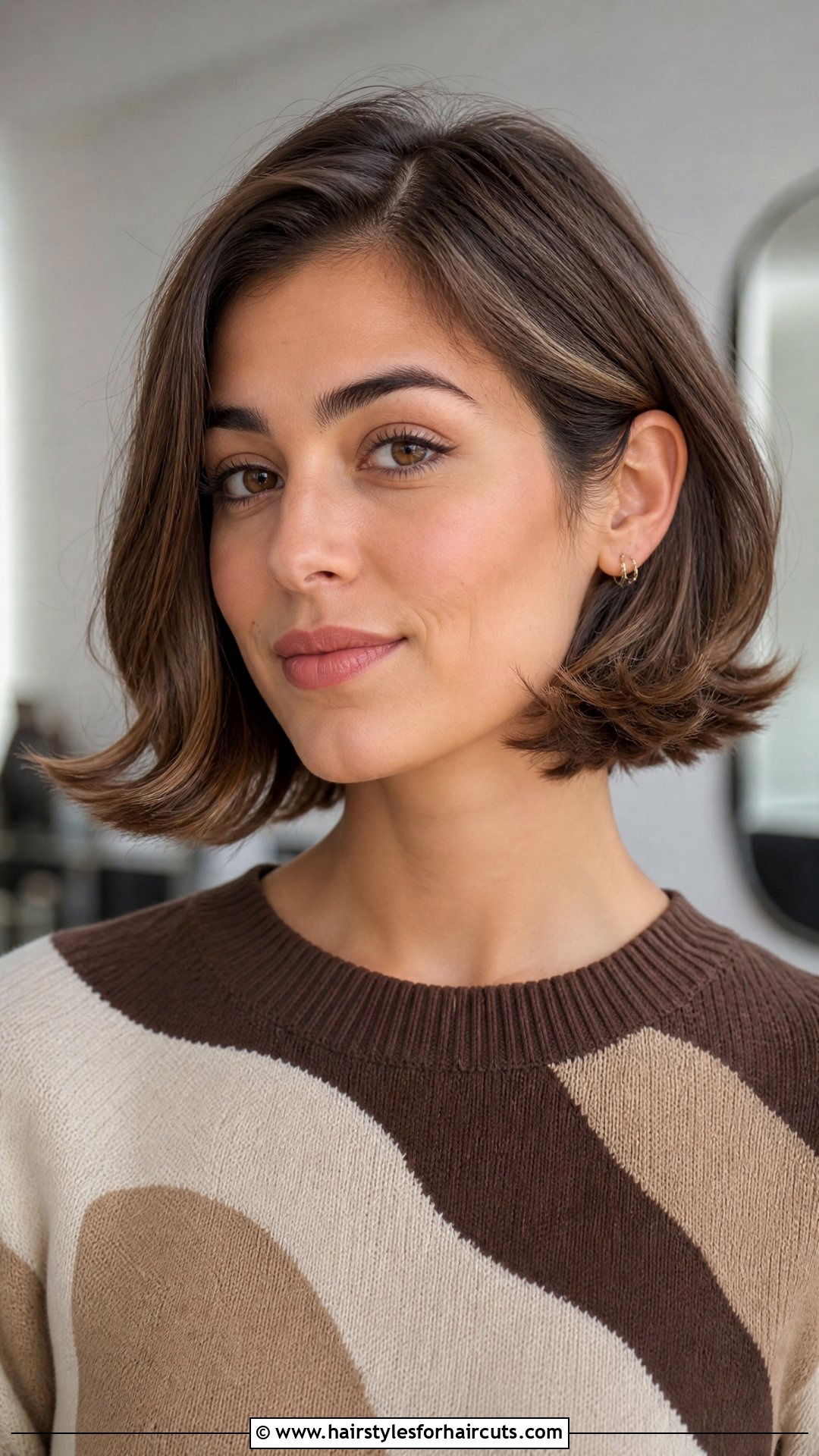
Can a simple change in direction completely alter a haircut? The flipped bob proves it absolutely can. This charming look took the classic bob and gave it a playful sixties twist by curling the ends outward instead of inward. Mary Tyler Moore made this hairstyle a massive hit on The Dick Van Dyke Show, showcasing a youthful and bouncy aesthetic that perfectly captured the optimistic spirit of the decade. Women used large roller brushes and hair dryers to sweep the bottom inch or two of their hair up and away from the face. It framed the jawline beautifully and added a cheerful bounce to every step. This cut remains a timeless option for a fresh, energetic vibe.
4. Vidal Sassoon Pixie Cut

Imagine the liberation of chopping off pounds of heavy hairspray and teasing. The Vidal Sassoon pixie cut did exactly that, revolutionizing the beauty industry in the mid-sixties. Vidal Sassoon believed in wash-and-wear styling, creating this geometric, layered crop that fell perfectly into place without needing rollers or intense backcombing. When Mia Farrow debuted this strikingly short look in Rosemary’s Baby, it became an instant cultural phenomenon. The pixie highlighted cheekbones and eyes, offering a boyish charm that was incredibly chic and modern. It rejected the elaborate heights of earlier years in favor of sharp lines and natural movement. This daring, low-maintenance cut remains a powerful statement of confidence and independence for women today.
5. Mod Bob Haircut
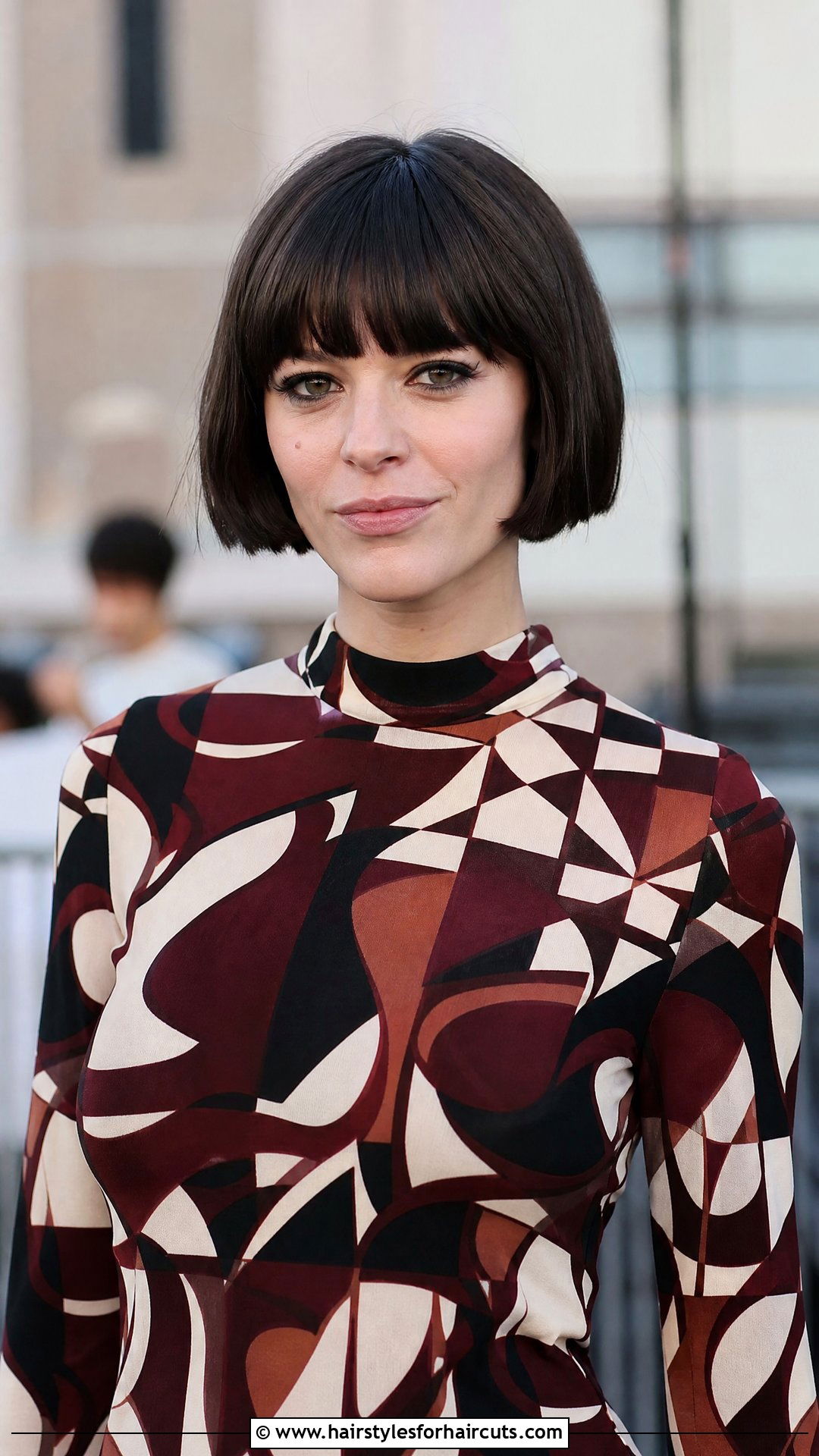
What happens when geometry meets hair? The mod bob haircut was the defining look of London’s swinging sixties. Championed by fashion icons like Twiggy and Jean Shrimpton, this cut was stark, sharp, and completely unapologetic. Unlike the softer flipped bobs, the mod bob featured blunt, precise lines that ended right at the jawline, often paired with heavy, straight bangs that stopped just above the eyebrows. It was heavily influenced by the space-age aesthetic and mirrored the bold patterns of mod fashion. Styling was incredibly sleek, usually blow-dried perfectly smooth to emphasize the architectural quality of the cut. This bold, striking look continues to inspire anyone wanting an edgy, statement-making hairstyle with a vintage pedigree.
6. Hippie Straight Long Hair

Feel the freedom of letting your hair flow completely naturally. As the sixties progressed, the elaborate structures of the early decade gave way to the peaceful, natural aesthetic of the counterculture movement. Hippie straight long hair became the ultimate symbol of rebellion and authenticity. Influenced by musical icons like Joan Baez and the women of Woodstock, this look rejected chemical treatments, hairspray, and artificial curling. Women embraced their natural texture, often parting their hair straight down the middle and letting it fall loosely past their shoulders. This simple yet powerful style represented a return to nature and a rejection of societal constraints. It continues to be a timeless, effortless choice for anyone seeking a relaxed and authentic vibe.
7. Asymmetric Bob Haircut

Could wearing an uneven haircut be the ultimate fashion flex? The asymmetric bob brought an avant-garde edge to the late sixties hair scene. Pioneered by visionary stylists who wanted to break away from traditional symmetry, this cut featured one side longer than the other, creating a dynamic and eye-catching silhouette. The stark difference in lengths drew attention to the neck and jawline, giving the wearer an undeniably cool and artistic appearance. It required precision cutting to maintain the sharp contrast between the two sides. This style appealed to the risk-takers and fashion-forward thinkers of the era who wanted something distinctly different from the standard bobs and bouffants. It remains a bold choice for modern trendsetters looking for unique geometry.
8. Pageboy Hairstyle
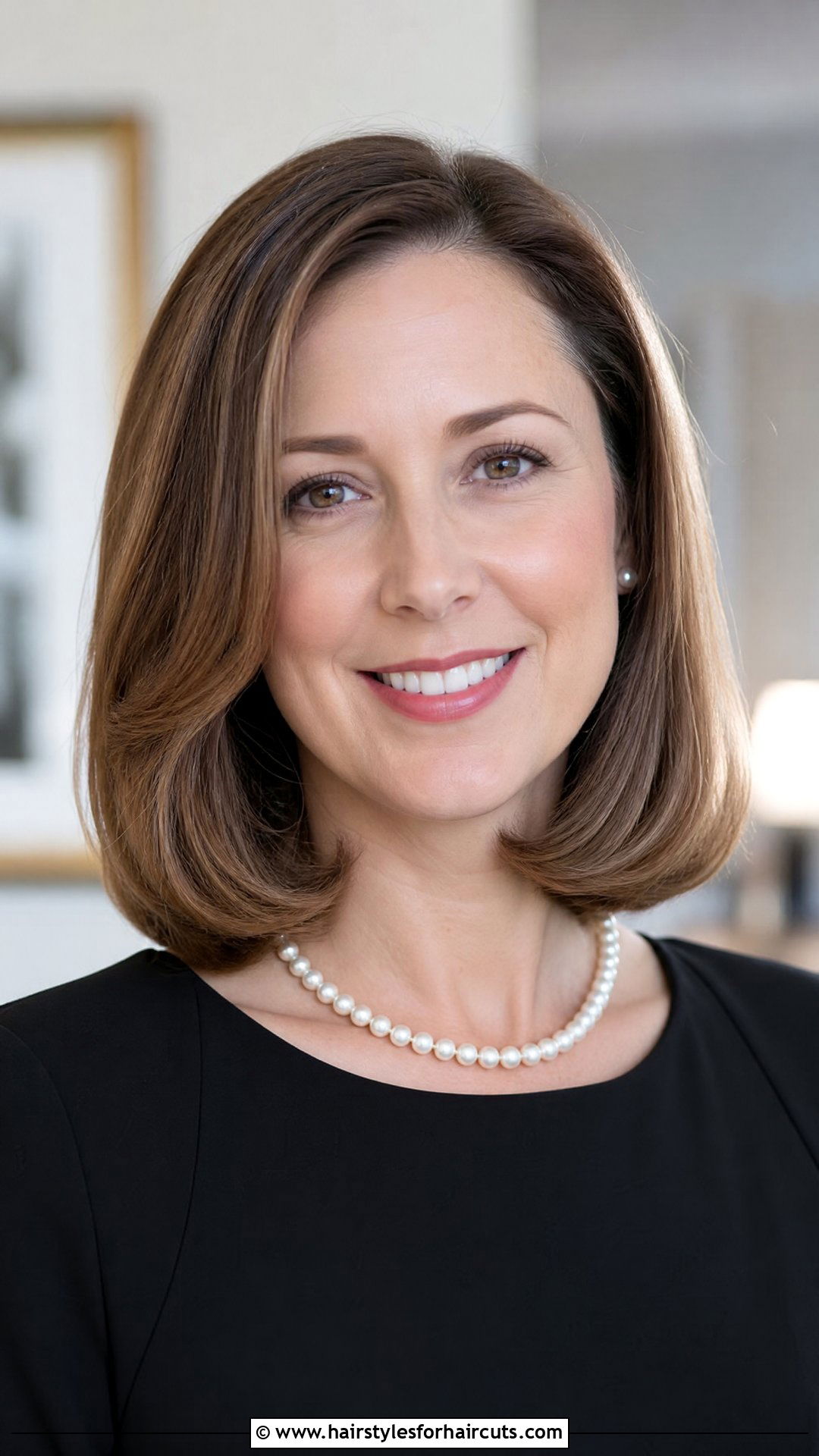
Remember the iconic medieval pages with their bowl-like cuts? The pageboy hairstyle took that historical silhouette and gave it a glamorous sixties upgrade. This beautiful look featured hair that was flipped under at the ends, creating a smooth, continuous roll that framed the face. It often included a center part and fell anywhere from the chin to the shoulders. The secret to a perfect pageboy was achieving a flawless, glossy finish without a single flyaway. Women spent hours under hooded dryers with large rollers to get that perfectly smooth, curved-under edge. It offered an elegant and polished alternative to the bouncier flipped styles. Today, it provides a sleek, sophisticated option for those who love refined, vintage-inspired elegance.
9. Chignon Updo
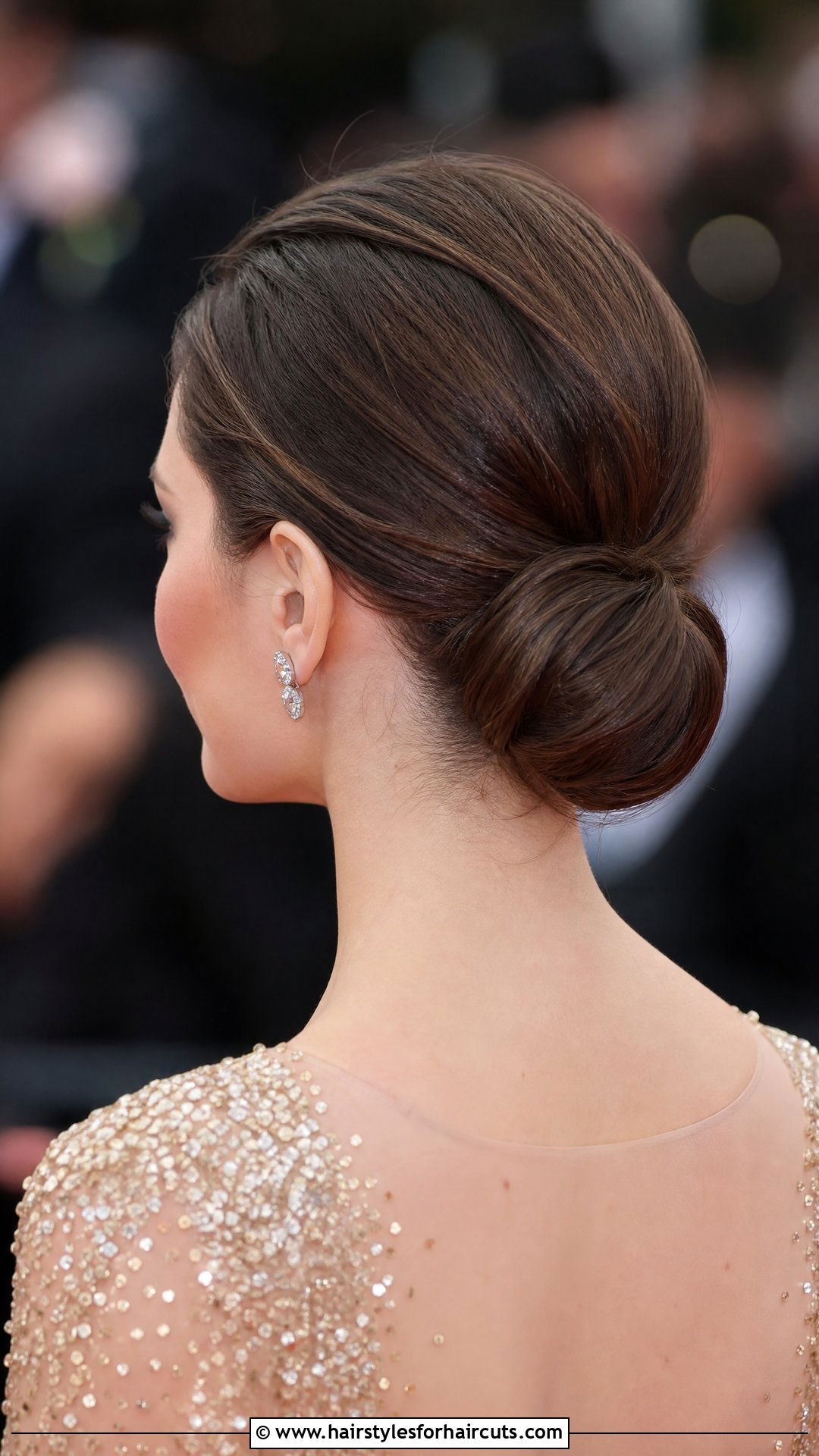
Need an elegant updo that whispers old Hollywood glamour? The chignon updo was the go-to choice for formal events throughout the 1960s. This classic low bun sat gracefully at the nape of the neck, exuding an air of refined sophistication and timeless grace. Women often paired it with sleeveless gowns and sparkling earrings, allowing the sleek lines of the hairstyle to showcase their jewelry and collarbones. Creating a proper sixties chignon involved smoothing the hair meticulously and twisting it into a secure, figure-eight shape, often leaving a few face-framing pieces loose for a softer touch. It was the epitome of red-carpet beauty before the term even existed. This updo remains the perfect solution for elegant occasions requiring polished charm.
10. French Twist Hairstyle
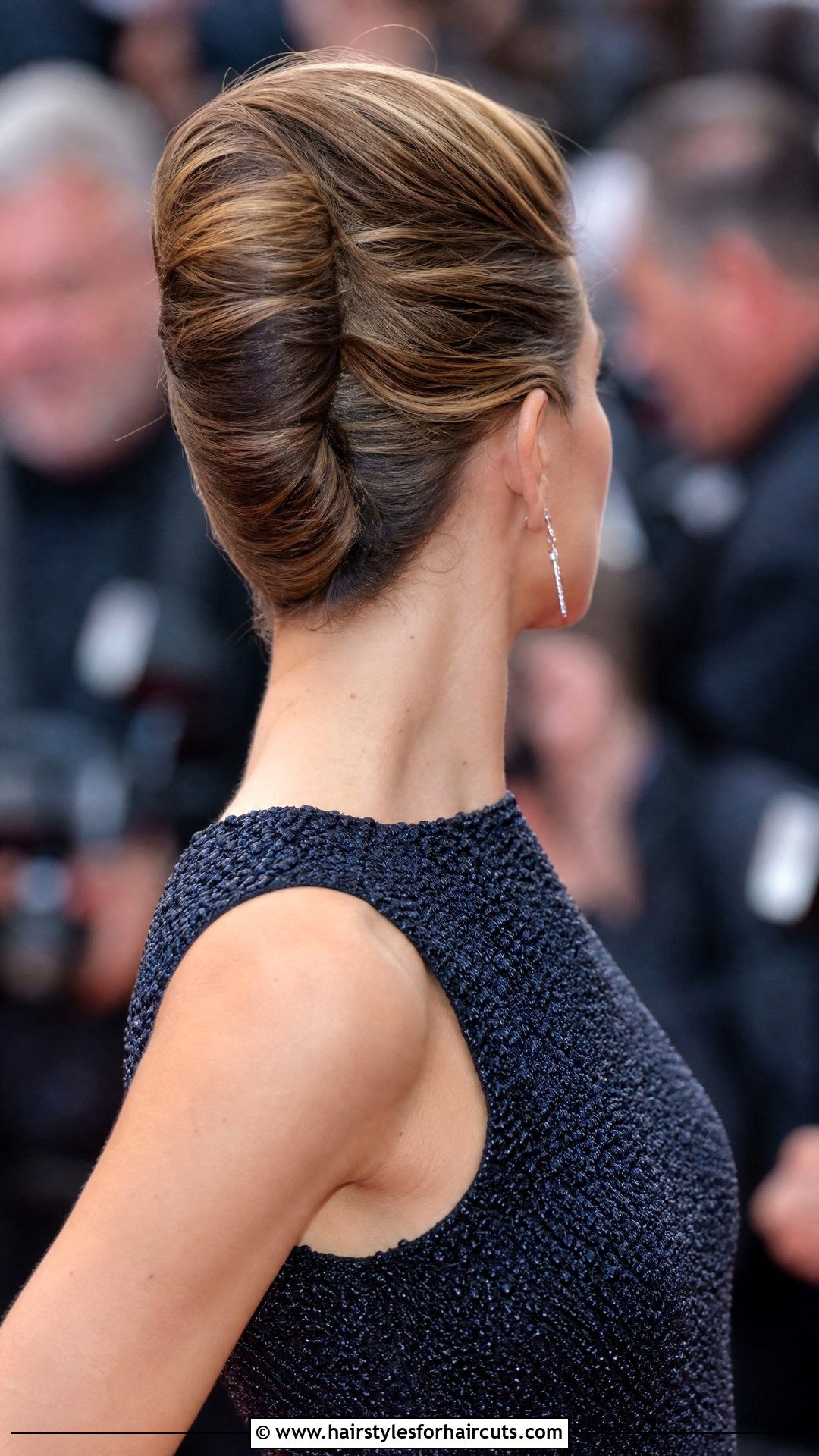
Have you ever searched for a style that combines effortless chic with structural integrity? The French twist hairstyle was a staple for sixties women attending cocktail parties and upscale events. This elegant updo involved gathering the hair to one side and twisting it upward against the back of the head, tucking the ends inside to create a seamless vertical roll. The result was a sleek, vertical line that elongated the neck and projected instant sophistication. It required a fair amount of bobby pins and strong hairspray to maintain its seamless appearance throughout an evening of dancing. The French twist offered a versatile canvas, whether worn tightly pulled back for a severe look or slightly loosened for romantic appeal.
11. Bubble Hairstyle

What if your hair could look like a perfectly round balloon? The bubble hairstyle was a playful, architectural marvel of the mid-sixties. This unique look involved sectioning the hair into a high ponytail and then creating a series of rounded, poufy segments down the length, resembling a string of bubbles. Women used specialized bubble makers or netting and teasing techniques to puff out each section before securing it with elastics. It was a whimsical and youthful alternative to the more severe updos of the decade. The style added incredible visual interest and a touch of fun to any outfit. While it is a distinctly vintage look, the bubble hairstyle remains a fascinating example of the era’s creative approach to hair design.
12. Ear Tucked Bob

Is there anything more effortlessly chic than sweeping your hair behind your ears? The ear tucked bob became a subtle yet stunning trend during the 1960s. This styling technique took a standard blunt or layered bob and tucked the front sections securely behind the ears, highlighting the cheekbones and earrings. It created a beautiful, clean line that drew attention to the face while maintaining the structured silhouette of the bob at the back. This look was frequently seen on actresses and models who wanted to showcase their facial features without hiding behind heavy fringes or flips. It provided a sleek, polished appearance that felt both professional and glamorous. This simple tucking method remains an easy way to elevate any short haircut.
13. High Ponytail Hairstyle

Think about the energetic optimism of youth captured in a single hairstyle. The high ponytail hairstyle was a massive trend in the 1960s, embodying the active, spirited lifestyle of the era. Sitting right at the crown of the head, this ponytail was teased at the crown for added volume and secured tightly to create a bouncing, energetic silhouette. Young women often paired it with headbands or silk ribbons tied in neat bows for an extra touch of preppy charm. It was the perfect practical solution for school, sports, and casual outings while still looking incredibly put-together. The high ponytail offered a cheerful lift to the face and remains a universally flattering, simple style that transcends decades and fashion trends.
14. Short Curly Afro

Have you ever witnessed a hairstyle that became a powerful statement of identity? The short curly afro emerged in the late 1960s as a profound symbol of Black pride and the Civil Rights Movement. Rejecting straightening techniques that had long been the standard, this beautiful style embraced natural, tightly coiled texture. Icons like Nina Simone and Angela Davis wore their natural hair proudly, creating a halo of beautiful curls that demanded attention and respect. The short afro was typically shaped and picked out to create a beautiful, rounded silhouette that framed the face perfectly. It was far more than just a haircut; it was a bold political and cultural declaration of self-acceptance and heritage that changed beauty standards forever.
15. Curtain Bangs Long Hair
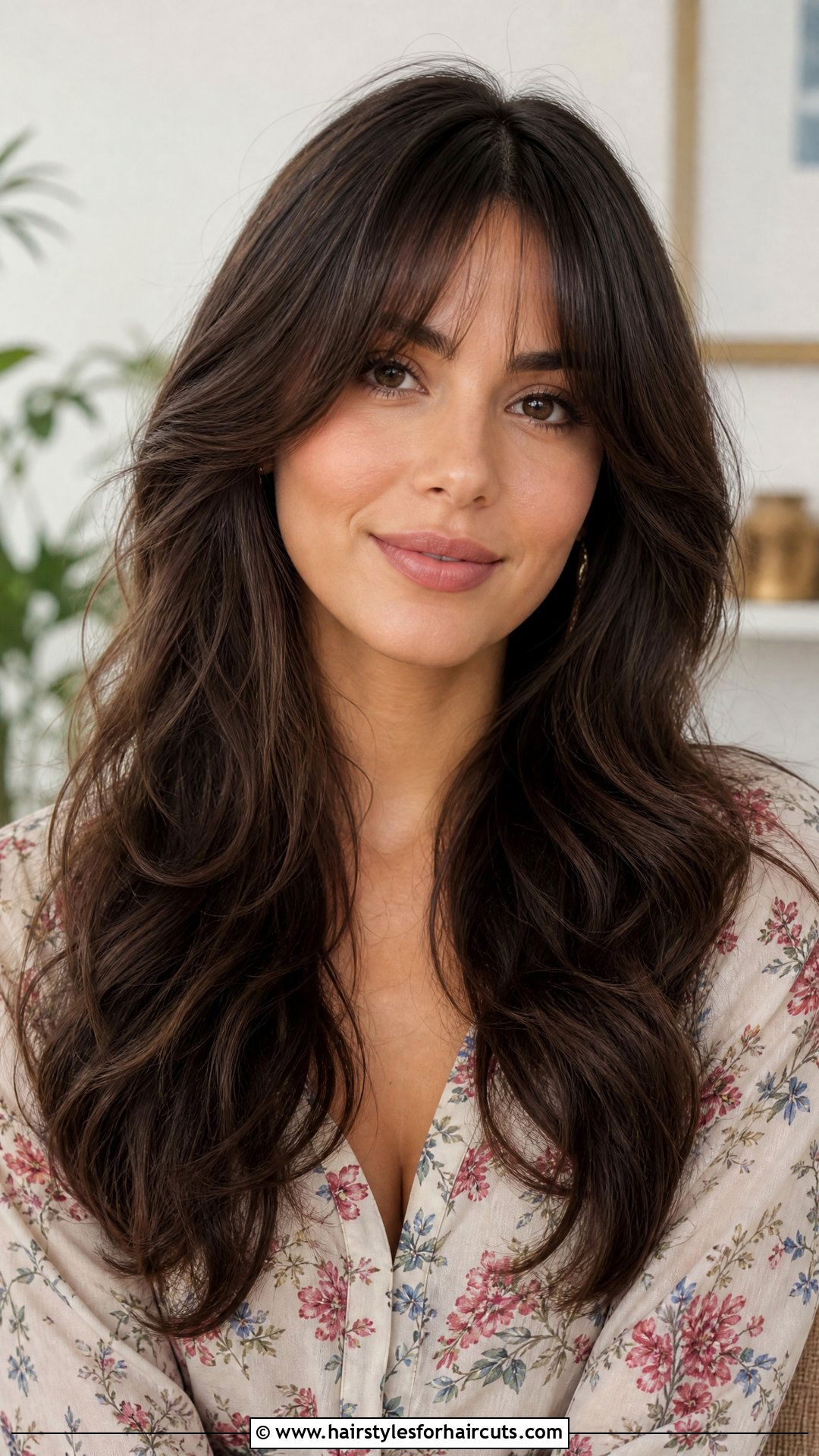
Want to frame your face with a soft, flattering sweep of hair? Curtain bangs long hair was a staple for women who preferred longer lengths but still wanted that sixties face-framing effect. This look featured long, feathered bangs that parted in the middle and swept gracefully outward, resembling a pair of curtains drawn open. It beautifully highlighted the eyes and cheekbones while blending seamlessly into the rest of the long hair. Actresses like Brigitte Bardot made this look incredibly alluring, pairing the soft bangs with voluminous, slightly messy waves. The style offered a romantic and effortlessly sexy vibe that felt much more approachable than the rigid styles of the early decade. It remains an incredibly popular and flattering choice today.
16. Feathered Flip Hairstyle
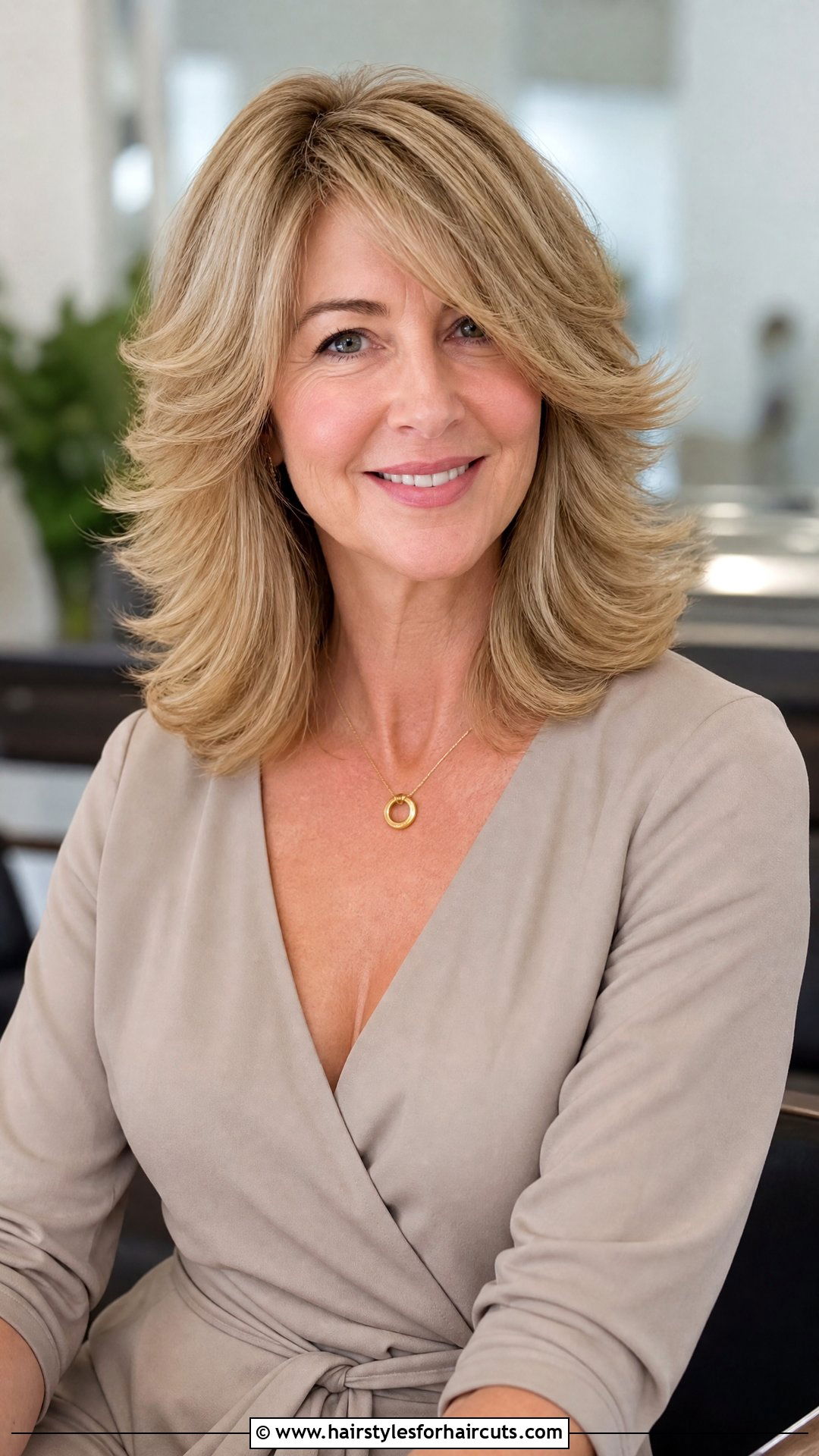
Can a hairstyle look both perfectly polished and wildly free? The feathered flip hairstyle walked that beautiful line in the late sixties. This look took the standard outward flip and added soft, feathered layers throughout the top and sides, creating incredible movement and texture. Women used large round brushes to roll the hair up and away from the face, resulting in a bouncy, wing-like effect that caught the light beautifully. It offered a softer, more dynamic alternative to the blunt cuts of the mod era. The feathering added body to fine hair and controlled bulk in thick hair. This incredibly flattering style paved the way for the massive feathered craze of the seventies and remains a gorgeous, voluminous option.
17. Mop Top Haircut
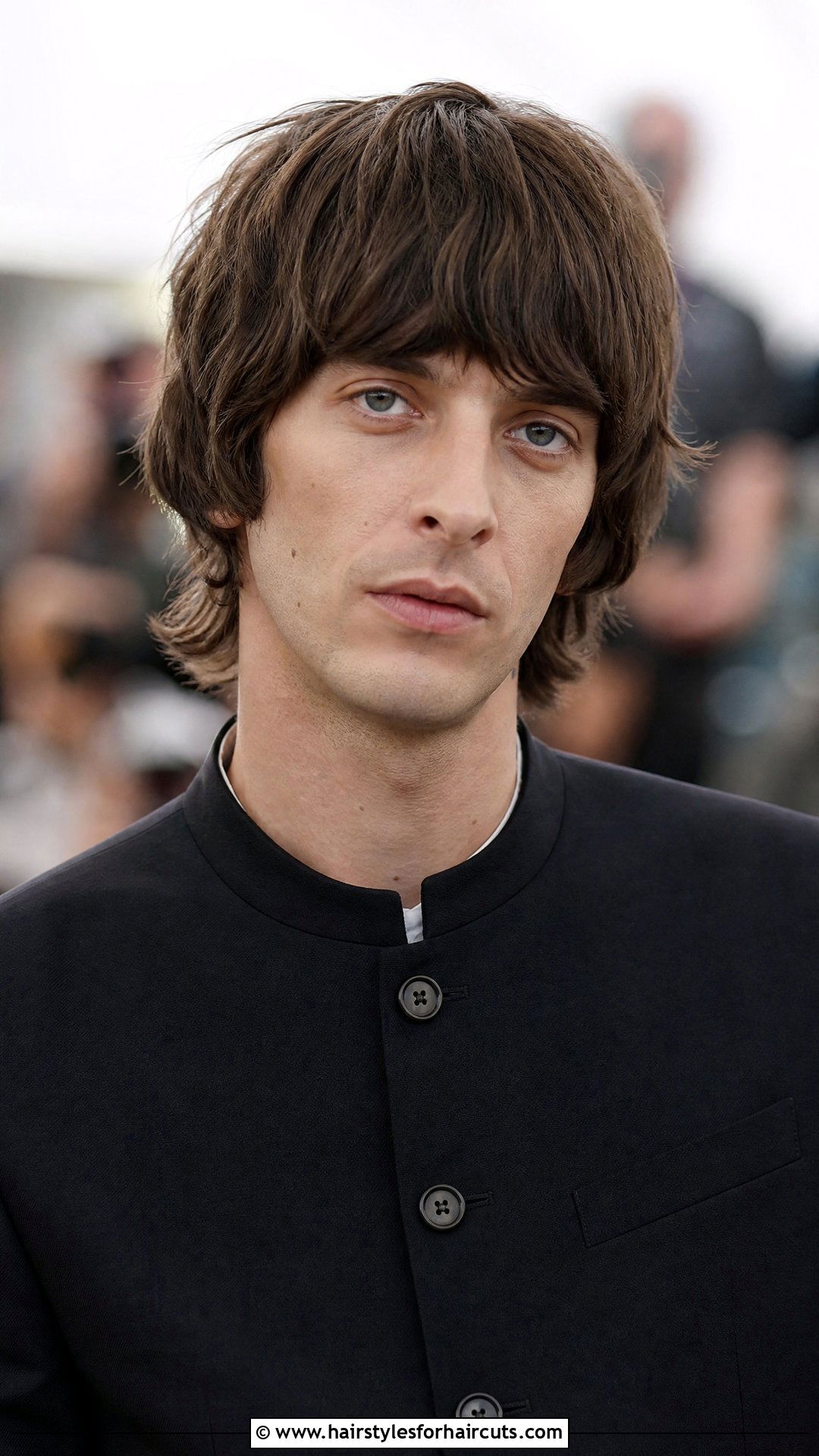
Remember the band that changed music and fashion forever? The mop top haircut became an international sensation thanks to The Beatles in the early 1960s. This mid-length cut featured a heavily layered, shaggy bowl shape that fell over the ears and forehead, often brushing the collar in the back. It looked strikingly like a mop, hence the catchy name. The style was initially considered rebellious for men because it covered the ears and challenged the strict, short-back-and-sides barber cuts of the previous decade. Soon, young men everywhere were requesting this shaggy, forward-moving look. It brought a boyish charm and a slightly messy, artistic vibe to men’s grooming. The mop top remains a legendary style that bridges the gap between neat and unkempt.
18. Twist Updo Hairstyle

Looking for a way to look elegant without spending hours in the salon chair? The twist updo hairstyle offered a sophisticated yet surprisingly simple option for sixties women. This look involved twisting sections of hair around themselves and pinning them securely to the head, creating beautiful, sculptural loops and rolls. It was a highly versatile style that could be executed on various hair lengths and textures. Women often left a few wispy curls loose around the face to soften the overall effect. The twist updo was perfect for hot summer days or formal evening events, keeping the hair off the neck while maintaining a polished appearance. It remains an elegant, timeless choice for anyone wanting a classy updo with minimal effort.
19. Bardot Pouf Hairstyle

How does one achieve that perfect, effortless French girl glamour? The Bardot pouf hairstyle captured the ultimate romantic and slightly messy elegance of the 1960s. Named after the iconic actress Brigitte Bardot, this look featured voluminous, backcombed hair at the crown paired with a wide center part and soft, face-framing curtain bangs. The rest of the hair was usually left loose, falling in soft, tousled waves over the shoulders. The magic of the Bardot pouf lay in its deliberate imperfection; it looked as though you had just rolled out of bed with incredibly glamorous hair. It added incredible height and sex appeal without looking over-styled. This stunning style continues to be the gold standard for romantic, voluminous hair.
20. Artichoke Cut

Ever heard of a haircut named after a vegetable? The artichoke cut was a highly innovative and layered style created by the legendary Vidal Sassoon. This striking look featured heavily graduated layers that overlapped downward, closely resembling the petals of an artichoke. It was a revolutionary approach to cutting hair that completely removed the need for heavy styling products or rollers. The precise layering allowed the hair to move naturally and fall perfectly into place on its own. This cut worked exceptionally well for thick hair, removing bulk while maintaining a beautiful, rounded shape. The artichoke cut represented the pinnacle of architectural hair design in the sixties and remains a fantastic option for those wanting a highly textured, wash-and-go style.
21. Shag Haircut

Want a cut that oozes rock and roll attitude? The shag haircut burst onto the scene in the late sixties, bringing a rebellious, lived-in energy to the hair world. This heavily layered cut was characterized by choppy ends, lots of texture, and a slightly messy finish that defied the polished looks of the early decade. It was often cut with a razor to create piece-y, feathery layers that framed the face and added incredible volume at the crown. The shag was famously worn by musicians and counterculture icons who wanted a low-maintenance but incredibly cool aesthetic. It worked beautifully on both short and long hair. The shag remains an eternally edgy choice for anyone wanting effortless style with a bit of attitude.
22. Cornrows Hairstyle
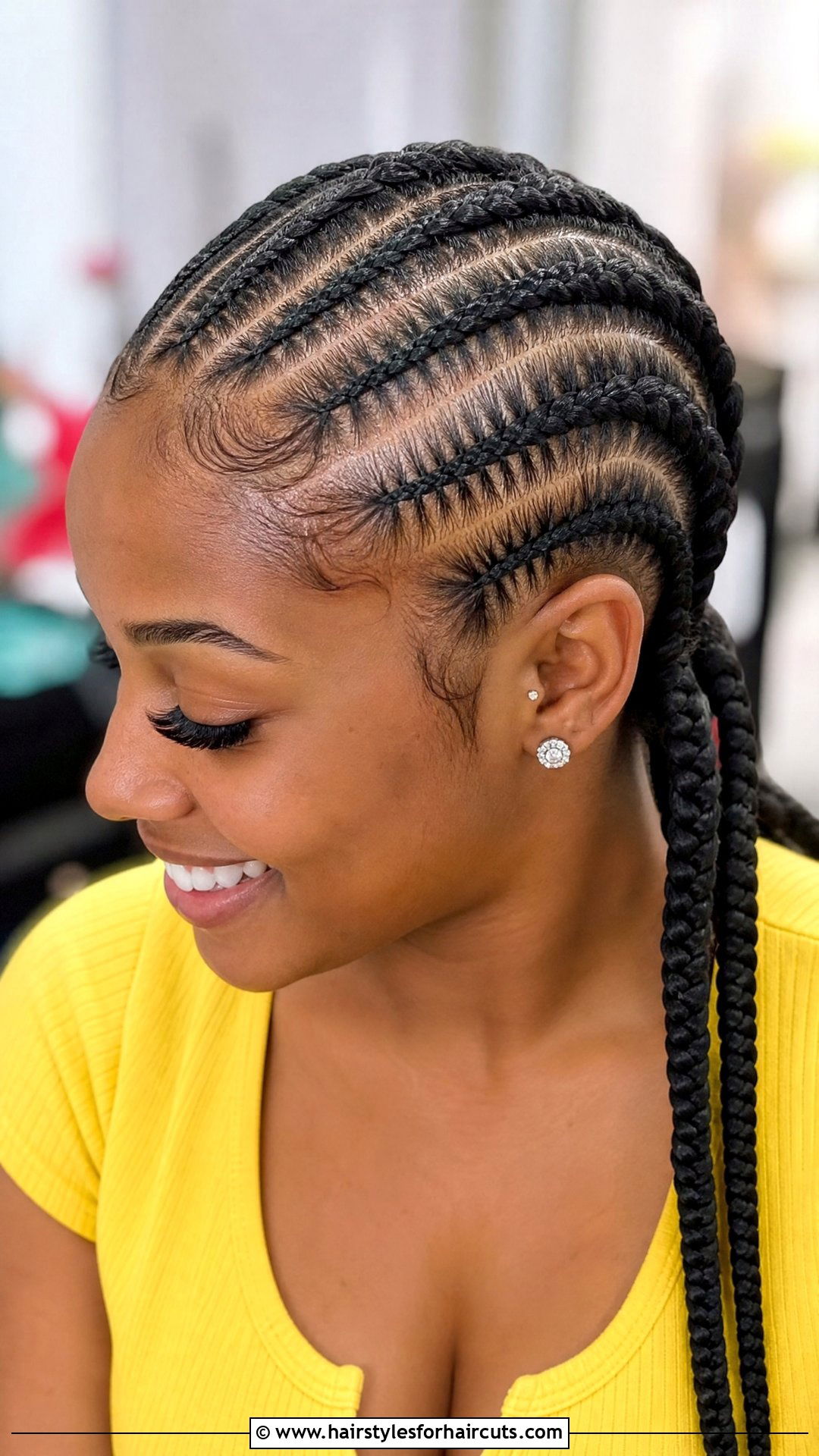
Have you ever admired the intricate artistry of braided hair? Cornrows have a deep, rich history that reached new levels of visibility in the 1960s. This traditional African styling technique involves braiding the hair very close to the scalp in continuous, raised rows, creating stunning geometric patterns. During the Civil Rights and Black Power movements of the late sixties, wearing cornrows became a powerful declaration of cultural heritage and pride. Icons like Cicely Tyson proudly showcased these beautiful braids on television and in magazines, challenging Eurocentric beauty standards. Cornrows are not only visually striking but also highly protective, keeping natural hair safe and tangle-free. This timeless style continues to be a beautiful, meaningful way to celebrate culture and express personal creativity.
23. Space Buns Hairstyle

What if your hair could reflect the futuristic optimism of the space age? Space buns became a quirky and fun trend in the late sixties, perfectly matching the era’s obsession with space exploration. This playful look featured two high buns positioned on top of the head, resembling little planets or UFOs. Women often secured them with bright elastics or wrapped sections of hair around the bases for a seamless finish. It was a youthful, energetic style that stood out from the more sophisticated updos of the time. Space buns were frequently seen at music festivals and mod fashion events, adding a touch of whimsy to any outfit. They remain a beloved, nostalgic choice for festivals and casual fun today.
24. Pillbox Hat Hairstyle

Can a hat dictate an entire hairstyle? The pillbox hat hairstyle was inextricably linked to First Lady Jackie Kennedy, who made this small, brimless hat a must-have accessory. To accommodate the hat, women styled their hair in a smooth bouffant or sleek flip, allowing the pillbox to sit perfectly on the back of the crown. The hair was meticulously set in rollers to create a smooth, voluminous base that the hat could easily perch on without flattening. Often, a few face-framing curls or a slight flip at the ends were left visible beneath the hat’s edge. This look was the pinnacle of early sixties elegance and sophistication. It remains a fascinating study in how accessories and hairstyles evolve together.
25. Waist Length Straight Hair
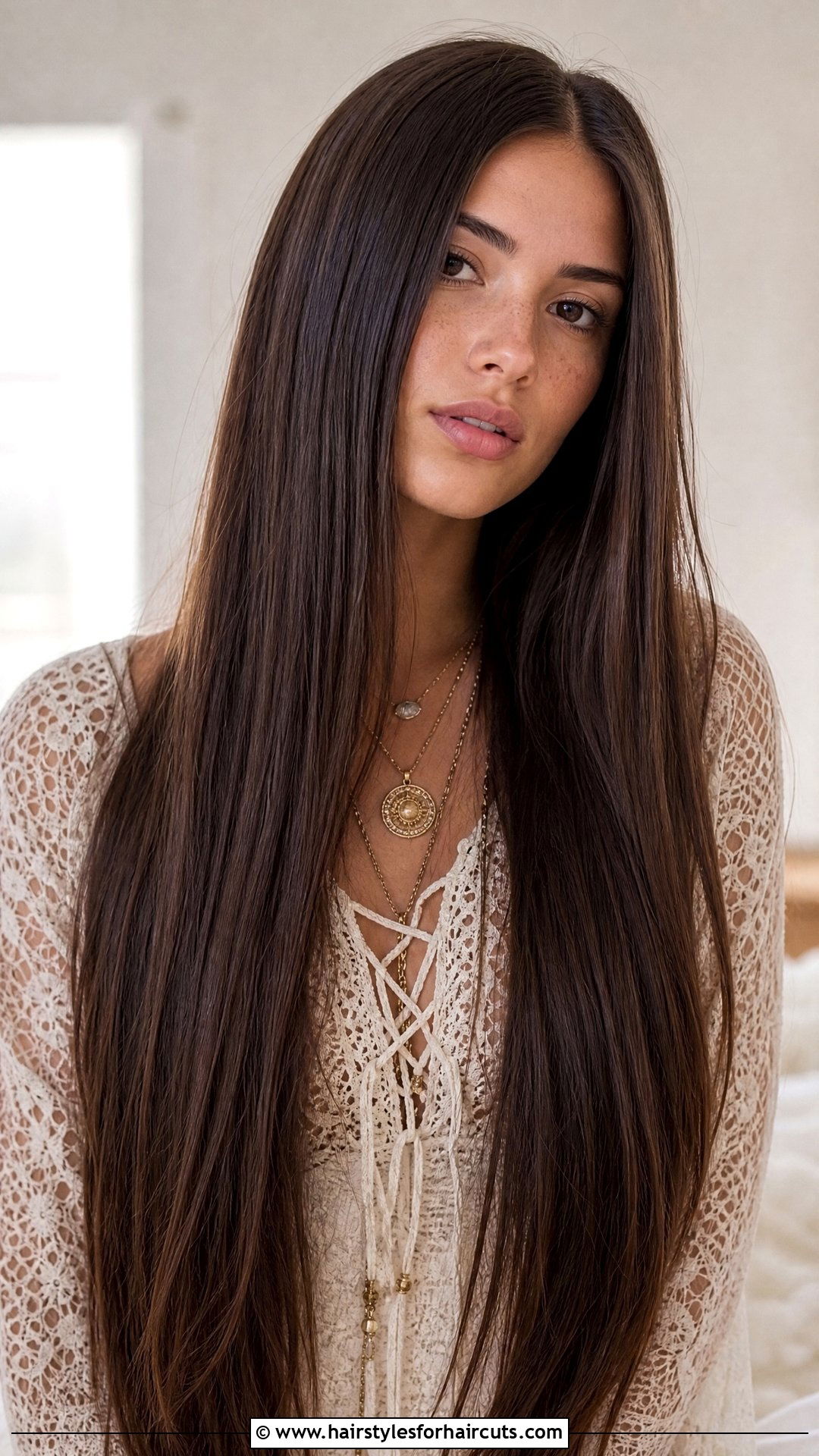
Dream of hair that flows all the way down your back? Waist length straight hair became the ultimate symbol of the hippie movement’s commitment to natural beauty in the late 1960s. Rejecting the teased and sprayed concoctions of the early decade, women grew their hair out to incredible lengths, often parting it simply down the middle. This look celebrated hair in its most unadulterated form, free from curling irons and heavy styling products. Ironing hair with actual clothing irons became a popular, albeit dangerous, method to achieve stick-straight perfection. The Cher show brought this incredibly long, sleek look into mainstream living rooms. It remains a captivating, dramatic choice for anyone wanting to make a striking, natural statement.
Conclusion:
The transformative power of the sixties continues to echo through modern salons and fashion runways. Exploring these 25 hairstyles in the 1960s reveals a decade that shifted dramatically from rigid, structured elegance to free-flowing, natural authenticity. Whether you are drawn to the architectural precision of a Vidal Sassoon pixie or the romantic volume of a Bardot pouf, there is undeniable inspiration in this era’s diverse beauty landscape. These iconic cuts prove that hair is a powerful form of self-expression and cultural identity. By understanding the history behind these looks, you can bring a touch of timeless sixties flair into your modern styling routine. Embrace the volume, the texture, and the fearless attitude that defined this unforgettable decade.

Leave a Reply