
Have you ever wondered why your edges are thinning or your scalp feels sore after styling? The answer might lie in your everyday hair routine. Many popular looks actually contribute to a condition called traction alopecia, which is hair loss caused by constant pulling and tension on the roots. From tightly woven braids to heavy extensions, the styles we love can silently damage our follicles over time. Recognizing these damaging habits is the first step toward protecting your strands and maintaining a healthy scalp. If you frequently wear your hair pulled back or heavily styled, you could be at risk without even realizing it. Let us explore twenty-five common hairstyles that cause hair loss, so you can make better choices for your hair health.

1. Tight High Ponytail

Have you ever felt a headache after pulling your hair up? A tight high ponytail is one of the biggest culprits for traction alopecia. When you pull every strand tightly toward the crown, you place constant tension on the hairline and the front scalp. Over time, this severe pulling weakens the hair follicles, causing them to break and eventually stop producing new hair. The elastic band also creates friction, leading to breakage at the tie point. If you wear this look daily, the repeated stress can permanently damage your roots. To protect your scalp, try loosening the tie or alternating with gentler styles. Giving your follicles a break is essential to prevent long-term thinning and keep your hair healthy.
2. Ballerina Bun

Dancing gracefully on stage requires a sleek look, but the tension can be damaging. A ballerina bun involves pulling every hair strand tightly into a knot at the top or back of the head. This severe pulling places immense stress on the scalp and the delicate hairs around the forehead. When worn frequently, the constant tension forces hair follicles into a weakened state, leading to gradual thinning along the hairline. The pins and elastics used to secure the bun can also snag and break the strands. Over time, this relentless pressure can cause the follicles to scar and stop producing hair entirely. Loosening the bun or wearing it lower can significantly reduce the strain on your delicate roots.
3. Box Braids

Those beautiful protective styles can sometimes hide a painful secret. Box braids are incredibly popular, but installing them too tightly often leads to hair loss. When the braids are heavy and pulled taut from the root, they place continuous tension on the scalp. This is especially true for larger braids that hold more weight. The added friction at the hairline can cause severe breakage and follicle damage, resulting in thinning edges. If your scalp feels sore or bumpy right after installation, the braids are too tight. To avoid this damage, ask your stylist to leave the roots slightly loose. Also, avoid keeping them in for too long, as the weight accumulates over time.
4. Cornrows
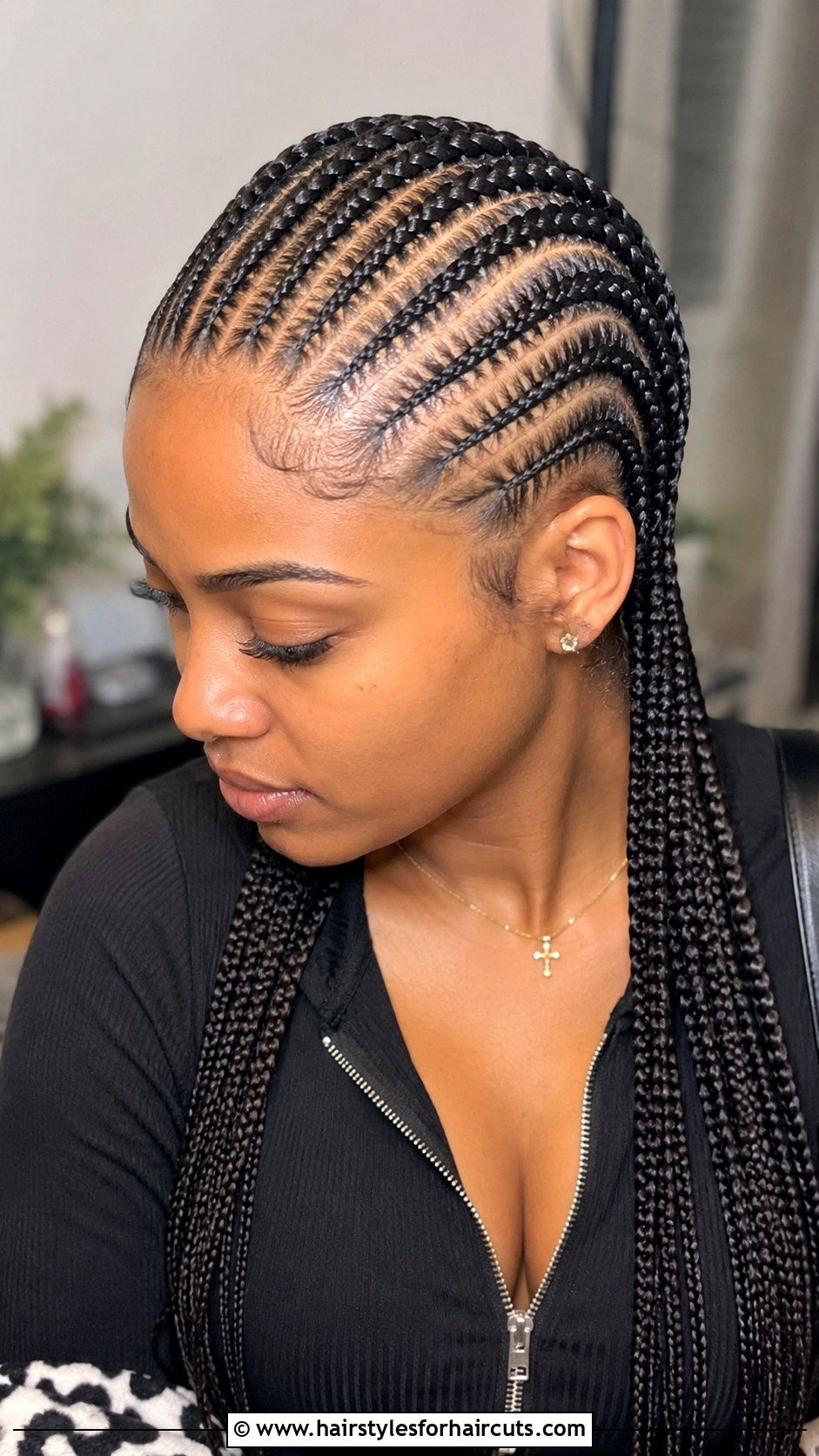
Laying flat against the scalp looks amazing, yet the pulling can harm roots. Cornrows involve braiding the hair very close to the scalp in straight lines or intricate patterns. While they look neat and last a long time, the tight braiding technique places extreme tension on the hair follicles. This continuous pulling can cause inflammation and soreness along the braided rows, eventually leading to traction alopecia. The hairline is particularly vulnerable because those hairs are finer and more fragile. If the braids are too tight, they can literally rip the hair from the root. Giving your scalp a rest between braiding sessions and loosening the tension during installation are crucial steps to prevent permanent hair loss.
5. Tight French Braid

A classic woven look is perfect for busy days, but tension takes a toll. The tight French braid gathers hair incrementally from the sides and pulls it all into one firm plait. This gradual gathering creates significant stress on the roots, especially around the temples and the nape of the neck. When the braid is pulled very tight, it stretches the hair follicles and causes inflammation. Over time, this repeated stretching can lead to hair breakage and thinning edges. Many people wear this style for workouts or sleep, which increases the duration of tension on the scalp. Loosening the braid slightly and avoiding daily wear can help preserve your hairline and prevent unnecessary follicle damage.
6. Fishtail Braid
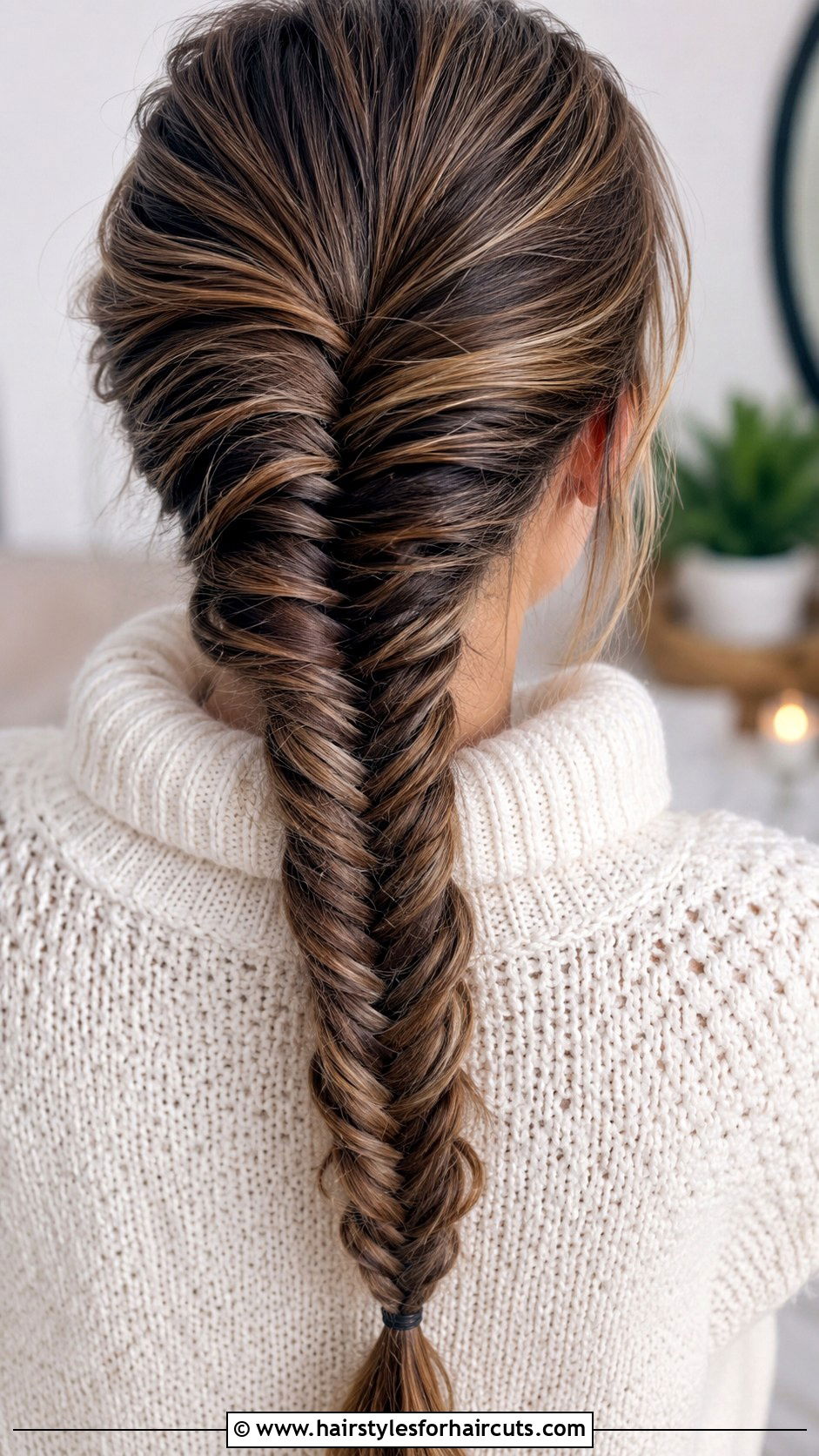
Intricate weaving creates a stunning texture, yet the tightness can stress your follicles. The fishtail braid requires dividing the hair into small sections and pulling them tightly across each other. This crossing motion pulls the hair away from the scalp, creating continuous tension along the sides of the head. Because this style often requires a very smooth and tight start at the crown, the hairs around your face bear the brunt of the stress. Prolonged wear can lead to scalp tenderness and eventual thinning at the roots. To minimize the risk, try starting the braid lower on the head or gently pulling it apart after braiding to relieve some of the tension.
7. Heavy Dreadlocks

Embracing your natural texture with thick locs is beautiful, but weight matters. Heavy dreadlocks can cause significant hair loss if they grow too long or thick. The sheer weight of the hair pulls constantly on the roots, especially at the crown and hairline. Over time, this downward force weakens the follicles and causes them to release the hair shaft. This condition, known as traction alopecia, is very common among people with long, mature locs. Additionally, the retwisting process used to maintain the roots can further stress the scalp if done too tightly. Keeping your locs at a manageable length and ensuring your stylist does not twist the roots too tightly can help prevent breakage.
8. Sew-In Weave

Getting a full, voluminous look with a sew-in is fabulous, but the foundation might cause breakage. A sew-in weave requires braiding your natural hair into tight cornrows and sewing heavy hair extensions onto them. The tightness of the base braids can cause immediate stress on the scalp, leading to headaches and inflammation. Furthermore, the added weight of the extensions pulling on the braided foundation puts immense pressure on your roots. If the weave is left in for months, the constant tension can lead to severe thinning, particularly around the edges. Ensuring the base braids are not too tight and removing the weave after a few weeks will help protect your follicles.
9. Tight Top Knot

Casual days often call for a simple twisted knot, though the strain is real. A tight top knot involves twisting and wrapping the hair firmly against the top of the head. This creates a constant upward pull on the hairline and the nape of the neck. Because the style relies on tension to stay in place, it forces the hair follicles to stretch. Over time, this repetitive pulling can cause the hairs around your forehead to break and thin out. The hair tie or pins used to secure the knot can also cause mechanical breakage at the crown. Wearing this style loosely and avoiding pulling every stray hair tight will save your delicate roots from damage.
10. Micro Link Extensions

Adding length with tiny beads can transform your look, yet they pull individual strands. Micro link extensions involve clamping small metal beads onto small sections of natural hair to attach extensions. Because the weight of the extension is concentrated on a tiny portion of your natural hair, it creates intense localized tension. Over time, this heavy pulling can cause the natural hair to snap or pull out from the root. The beads can also cause friction and breakage as they rub against other strands. If the extensions are installed too close to the scalp, the constant tension becomes unbearable. Proper installation and regular maintenance are crucial to avoid permanent hair loss with this method.
11. Tape-In Extensions
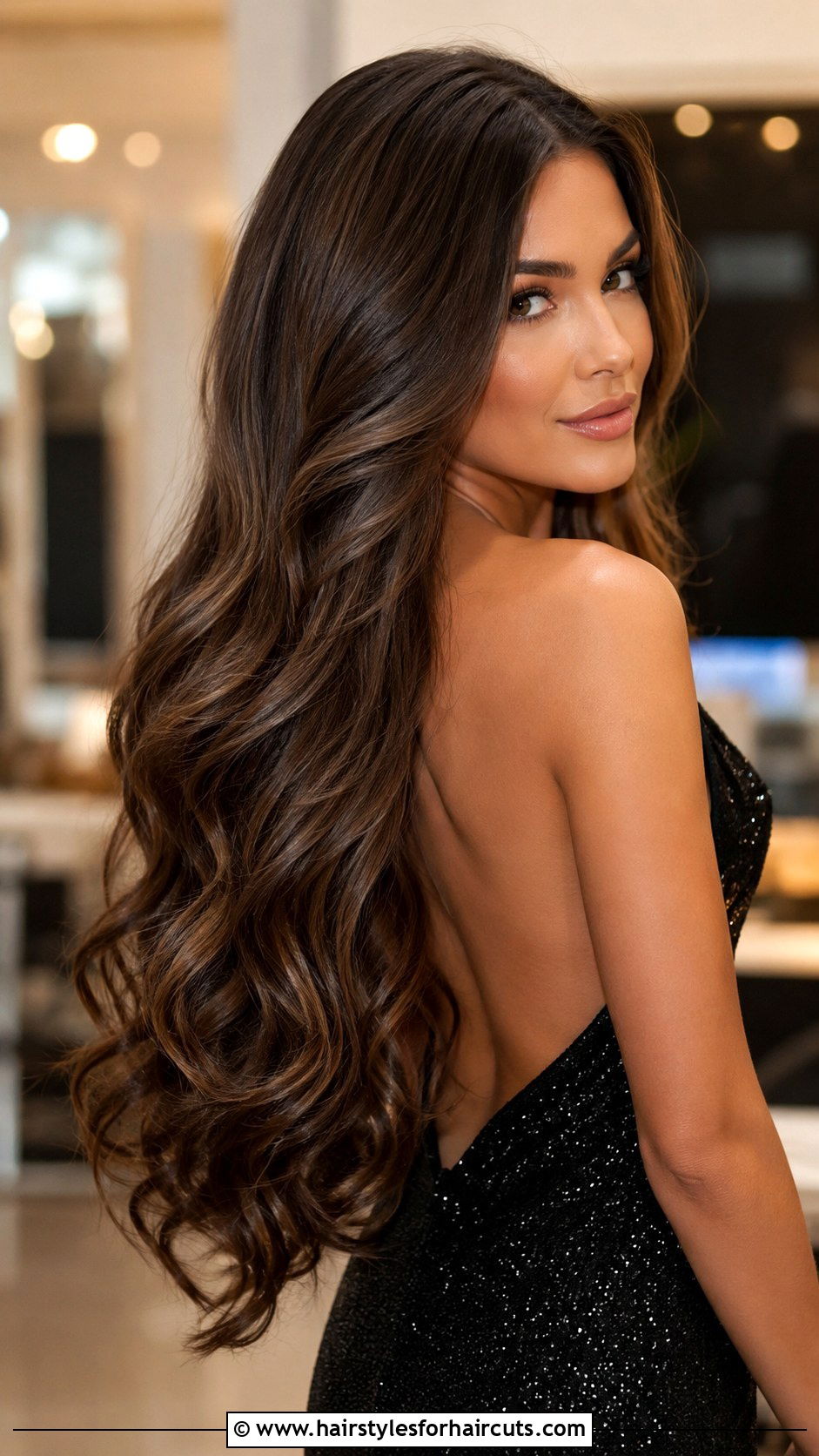
Seamless blending makes these popular, but the adhesive and weight can weaken roots. Tape-in extensions attach wefts of hair to your natural strands using a strong medical-grade adhesive. While they lie flat, the tape sandwiches your natural hair between two heavy pieces of extension hair. This added weight pulls directly on your roots, causing stress and tension. When the hair grows, the tape moves further from the scalp, which increases the pulling force on the roots. Additionally, removing the adhesive requires a special solvent that can strip your natural hair of its oils, leading to dryness and breakage. Giving your hair breaks between applications prevents long-term damage.
12. Clip-In Extensions
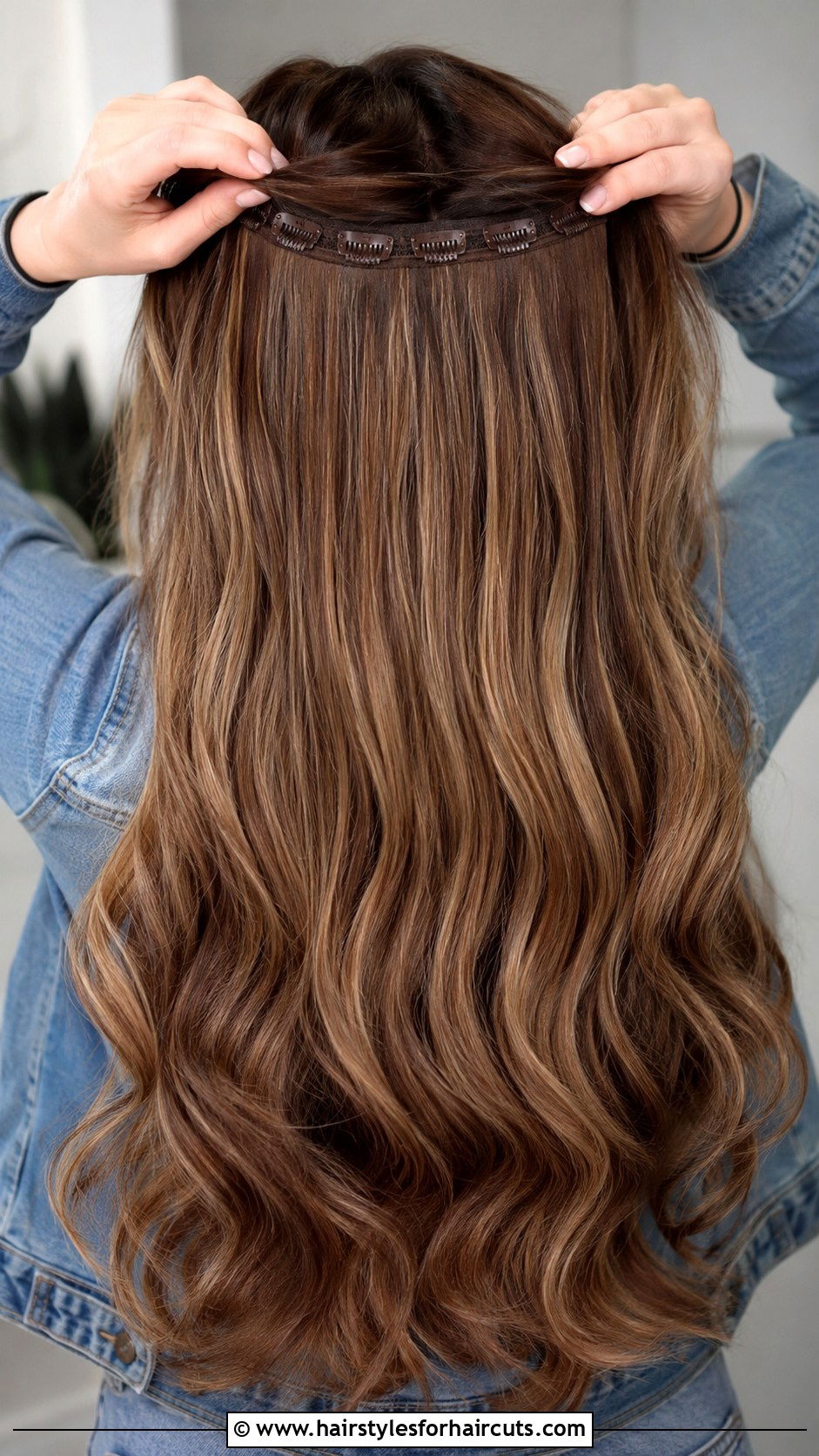
Quick volume is easy to clip on, but the heavy wefts stress the base. Clip-in extensions feature metal combs that snap onto sections of your natural hair. The problem arises when the wefts are heavy, as the clips must support the entire weight of the hair. This creates localized tension on the small sections of natural hair holding the clips. Over time, the constant clamping and pulling can cause the natural hair to break or fall out. This is especially common if you wear them every day or place them too close to the hairline. Limiting how often you wear them and moving the clip placements around will protect your natural hair.
13. Double Buns

Channeling your favorite pop star is fun, but wearing two tight buns can cause damage. Double buns require parting the hair down the middle and pulling each side into a very tight coil. This style places uneven tension across the scalp, particularly along the part line and the temples. Because the hair is pulled in two different directions, it stretches the follicles aggressively. The tight elastics used to secure the buns also create friction and breakage. If you wear this look frequently, the repeated stress can lead to thinning along the part and receding at the hairline. Loosening the buns and avoiding slicked-back tension will keep your roots much healthier.
14. Sleek Low Chignon

An elegant evening look often requires severe pulling at the nape of the neck. The sleek low chignon is a sophisticated style, but achieving that smooth finish usually means pulling the hair extremely tight. This places intense tension on the hair at the nape, which is already prone to breakage. The direction of the pull also forces the hair against its natural growth pattern, adding extra stress to the follicles. Over time, this can cause the hairs at the back of the neck to weaken and fall out. Constant wear can lead to noticeable thinning in this specific area. Leaving a few strands loose or reducing the tension can help prevent this issue.
15. Space Buns

Music festivals are the perfect place for playful buns, but frequent wear leads to thinning. Space buns are similar to double buns but often involve wrapping the hair even tighter to create a perfect round shape. This style pulls the hair away from the face with maximum force, putting the hairline under severe stress. The elastic bands required to hold the buns in place tightly grip the hair, causing friction and snapping the strands. When worn repeatedly, the constant pulling causes inflammation in the hair follicles, leading to traction alopecia. If you love this look, try wearing it loosely or only for special occasions to give your scalp a much-needed rest.
16. Crochet Braids

Installing loops of hair through cornrows creates gorgeous volume, but the base braid tension hurts. Crochet braids start with a foundation of tight cornrows, which already put stress on the scalp. Then, a crochet needle is used to knot synthetic or human hair extensions through the braids. This process adds considerable weight to the already tight base. The extra bulk pulls on the cornrows, increasing the tension on your natural hair follicles. If the cornrows are braided too tightly, the combination of the base tension and the extension weight can cause severe headaches and hair loss. Ensuring the foundation braids are comfortable is critical for preventing permanent follicle damage.
17. Faux Locs

Getting the loc look temporarily is stylish, yet the added weight stresses your scalp. Faux locs involve wrapping synthetic hair around your natural strands or attaching pre-made locs using a crochet method. Because synthetic hair is often heavy, the finished style places a massive amount of weight on your roots. This weight constantly pulls downward, stretching the hair follicles and causing inflammation. The installation process can also be very tight, compounding the stress on your scalp. Wearing faux locs for extended periods can lead to significant breakage and traction alopecia. Choosing lighter synthetic fibers and keeping the installation loose at the roots will reduce the strain on your delicate hairline.
18. Tight Pigtail Braids

A cute, youthful style can surprisingly put immense tension on both sides of your head. Tight pigtail braids require parting the hair down the middle and braiding each side tightly from the scalp to the ends. This creates constant outward pulling on the hairline and the temples. Because the hair is separated and pulled firmly, the follicles endure prolonged tension in opposite directions. The tight elastics at the base of the braids also cause breakage by gripping the hair too tightly. Over time, this can lead to thinning at the roots and a receding hairline. Loosening the braids and avoiding severe tension will help protect your scalp from permanent damage.
19. Halo Braid

Looking like an angel sounds lovely, but wrapping hair tightly around your head causes pull. The halo braid involves taking one or two braids and wrapping them tightly around the circumference of your head. This style pins the hair against its natural growth direction, creating friction and tension all around the hairline. The bobby pins used to secure the style also push against the scalp, which can stress the follicles. When the braid is too tight, it feels like a vice squeezing your head, leading to headaches and follicle inflammation. Leaving the braid slightly loose and using gentle clips instead of tight pins can save your edges from thinning.
20. Crown Braid

A beautiful woven tiara is perfect for events, yet it can tug at your hairline. The crown braid is similar to the halo braid but often integrates the hair directly into the woven structure as it goes around the head. This means the hair is pulled tightly from the front and woven backwards. The tension at the front hairline is often severe, as this is where the braid begins and needs the most anchoring. This continuous pulling can cause the fine hairs at the front to snap or pull out from the root. Over time, frequent wear can lead to noticeable thinning. Starting the braid further back can reduce this painful tension.
21. Wet Look Slicked Back Hair
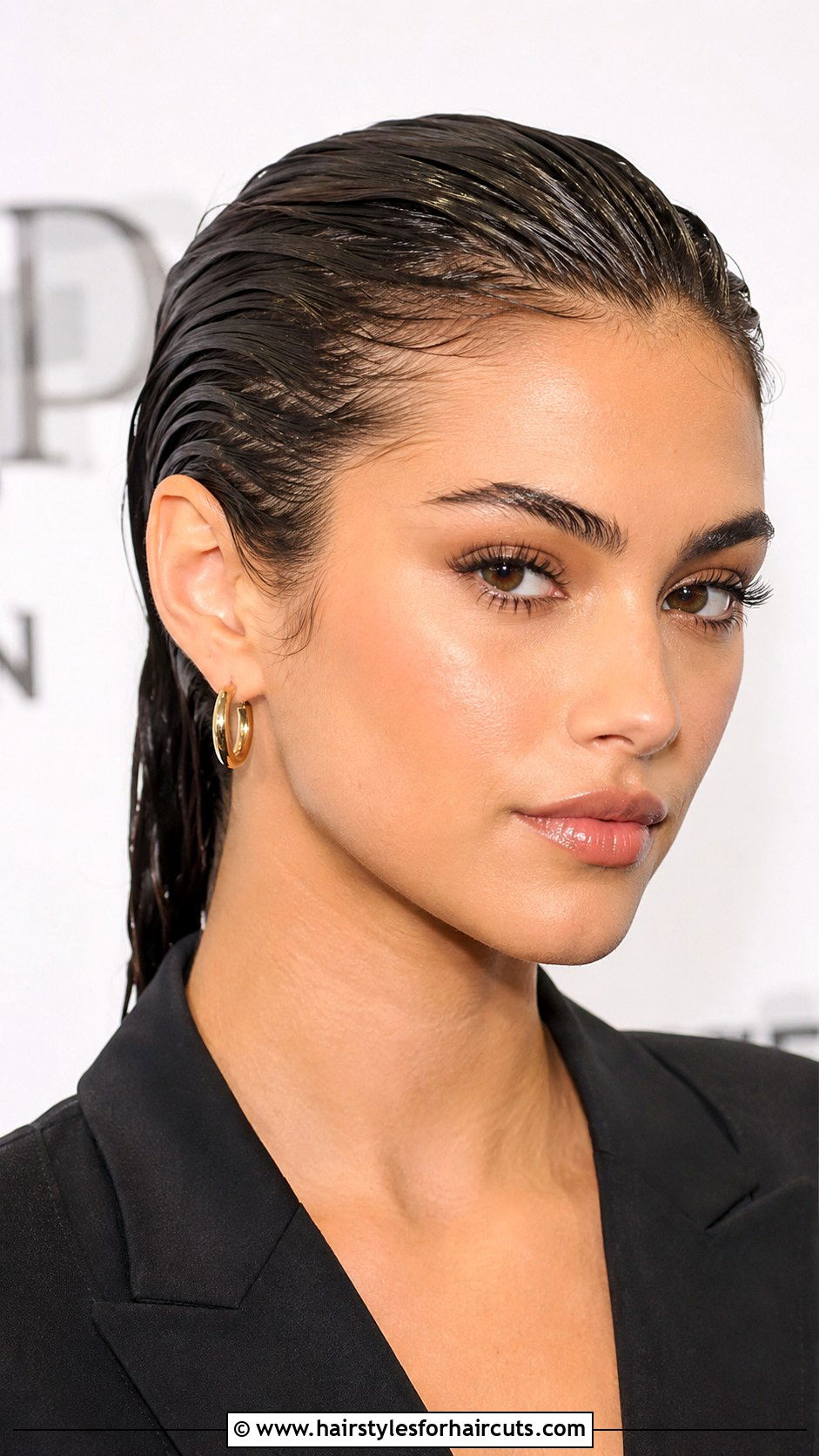
That red-carpet sleekness requires heavy gels and severe pulling, which weakens the front hairs. The wet look slicked back hairstyle demands brushing the hair tightly away from the face and locking it down with strong styling products. This involves pulling the hair back with immense force, placing the entire hairline under extreme stress. The heavy gels and sprays also dry out the hair, making it brittle and more susceptible to breakage. Brushing the hair while wet, which is often done to achieve this look, stretches the hair shaft and causes it to snap. Opting for a softer, looser sweep without harsh chemicals will keep your delicate front strands intact.
22. Wig With Tight Combs

Wearing a wig offers versatility, but the internal clips gripping your edges can cause loss. Many wigs feature built-in combs at the front, back, and sides to keep them secure on your head. When these combs grip your natural hair tightly, they create constant tension at the roots. Rubbing against the scalp, these hard plastic pieces can also cause friction and irritation. If the wig cap is too tight, it adds overall pressure, restricting blood flow to your scalp and weakening the follicles. Over time, this combination of pulling and friction leads to thinning edges. Securing your wig with alternative methods like wig grips can protect your natural hairline.
23. Tight Headband Hairstyle

Pushing hair back with a tight band seems harmless, but constant pressure leads to breakage. A tight headband hairstyle involves wearing a rigid band that grips the hair and pushes it away from the face. When the band is too tight, it squeezes the scalp and puts pressure on the hair follicles. This continuous compression can restrict blood flow and cause tension headaches. Furthermore, the friction from the headband rubbing against the hair can cause breakage along the sides and front. Wearing these bands daily can gradually wear down the hair cuticle and lead to thinning. Choosing looser, fabric-covered bands and giving your scalp breaks will prevent this unnecessary damage.
24. Tightly Pulled Half Up Half Down Hairstyle

The best of both worlds can actually be the worst for your crown area. The tightly pulled half up half down hairstyle involves sectioning the top portion of your hair and pulling it back firmly. This concentrates all the tension on the crown and the hairline. Because the top section is often smoothed back with a tight comb or elastic, it places immense stress on the front follicles. The rest of the hair hangs loose, creating an uneven distribution of weight that pulls the crown upward. Over time, this localized tension can cause the hair at the front to break. Keeping the top section loose prevents this severe and targeted pulling.
25. Braided Updo

Twisting multiple braids into a complex updo looks incredible, yet the combined tension is dangerous. A braided updo involves creating multiple tight braids and then pinning them aggressively into a heavy bun or roll. The initial braiding already places stress on the scalp, but pinning the braids tightly against their natural direction multiplies the tension. The weight of the updo pulling on the braided roots causes severe strain on the follicles. Using dozens of bobby pins to hold the style also creates friction and can snap the hair shaft. Giving your scalp a break and avoiding styles that require maximum tension are essential for preventing long-term hair loss.
Conclusion:
Protecting your hair starts with understanding how your daily styling routine affects your scalp. As we have explored, many of the most popular hairstyles that cause hair loss rely on tight tension, heavy extensions, and severe pulling. Traction alopecia is a real and progressive condition, but it is also entirely preventable. By simply loosening your braids, reducing the weight of your extensions, and giving your scalp regular breaks, you can maintain both beautiful style and healthy follicles. Listen to your scalp; pain and soreness are clear warning signs that your hair is under too much stress. Prioritizing gentle styling today will ensure your hair stays thick, healthy, and vibrant for years to come.

Leave a Reply