
Have you ever looked at a stunning red carpet look and wondered how they created it? Mastering intricate hairdos takes serious skill, patience, and practice. When exploring 25 hard hairstyles, you quickly realize that these looks go far beyond basic blowouts or simple ponytails. They involve complex braiding techniques, precise sectioning, and a deep understanding of hair structure. Whether you are a stylist wanting to challenge yourself or someone getting ready for a major formal event, attempting these advanced styles can totally transform your entire appearance. They require focus and the right tools, from strong hold gels to fine tooth combs. However, the final breathtaking result is always worth the intense effort. Let us explore some of the most technically demanding yet beautiful hairdos you can try.

1. French Twist Updo

Achieving a flawless finish with this classic look often frustrates even experienced stylists. The French twist updo requires you to smoothly twist the entire length of your hair upward while tucking the ends inside a seamless roll. You must maintain extreme tension to prevent the style from sagging or unraveling throughout the day. Securing it with bobby pins without them showing is a true test of dexterity. The difficulty lies in making the twist look effortlessly elegant rather than messy or lopsided. You have to smooth out every single flyaway before pinning. Using a strong hold hairspray is absolutely essential to keep the structure intact. Once mastered, this sophisticated updo provides a timeless and highly polished appearance for any formal occasion.
2. Fishtail Braid Hairstyle

Creating this intricate woven look demands incredible patience and precise hand coordination. Unlike a standard three strand braid, the fishtail braid hairstyle uses only two sections, taking tiny pieces from the outer edge of one section and crossing them over to the opposite side. This repetitive motion takes much longer than traditional braiding, which is why people often find it mentally exhausting. Keeping the tension consistent throughout the entire braid is incredibly difficult. If your grip loosens even slightly, the pattern looks uneven and sloppy. The small sections also make it easy to drop hair or lose your place. Despite the steep learning curve, the resulting tight, herringbone texture looks incredibly detailed and stunning for long hair.
3. Victory Rolls Hairstyle

Stepping back into the 1940s requires serious styling precision and strong arms. The victory rolls hairstyle features voluminous sections of hair rolled upward and pinned into place to create distinct, tunnel like shapes. The real challenge is getting both rolls perfectly symmetrical and secure. You must backcomb the hair extensively for volume, then carefully smooth the outer layer without losing the fullness inside. Shaping the roll with your fingers and keeping it tightly against the head while pinning takes a lot of practice. Using pomade helps tame frizz, but too much product makes the hair heavy. Achieving that perfect retro bounce without the rolls collapsing is a tough skill to master.
4. Waterfall Braid Hairstyle
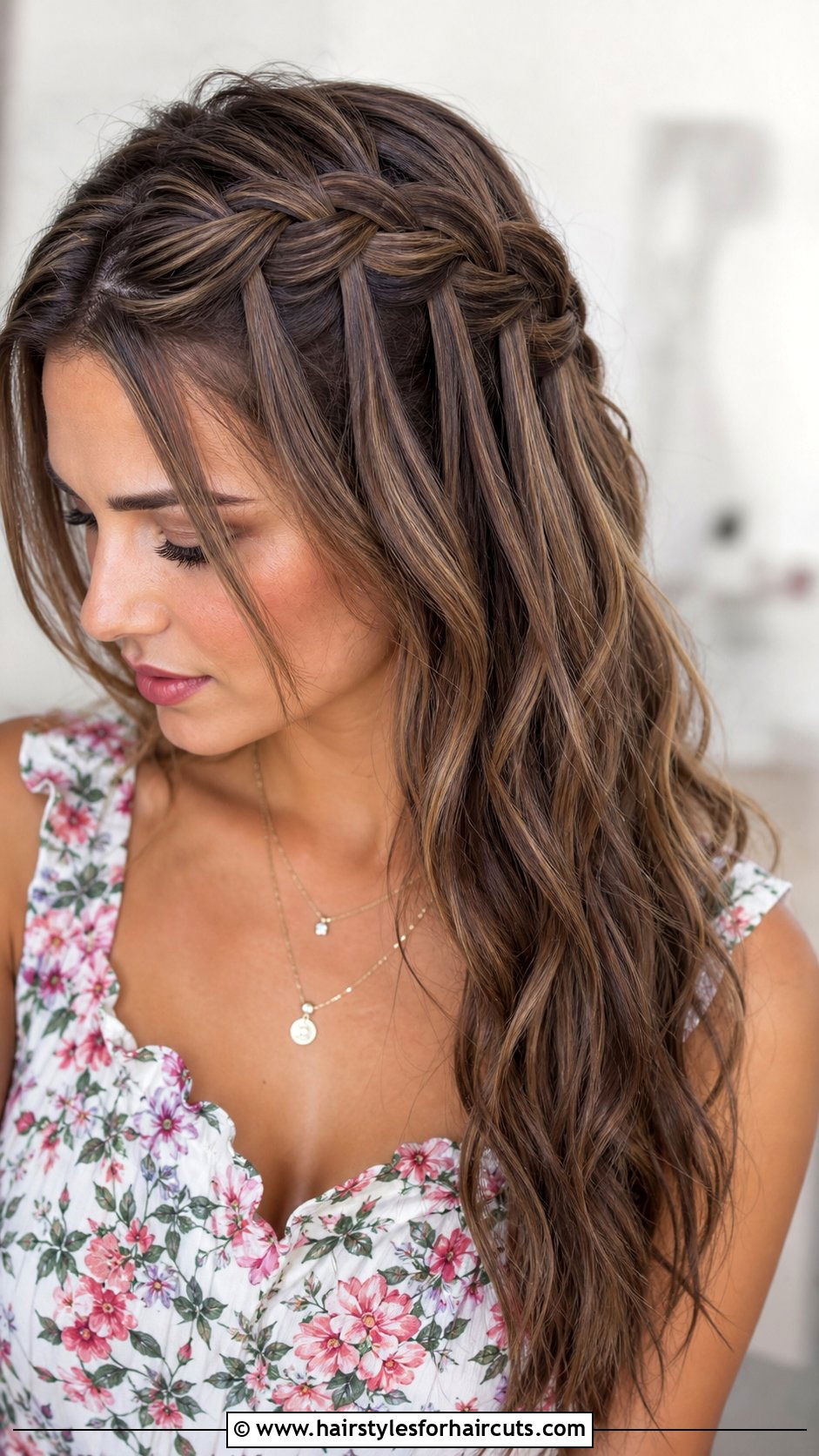
Making braided sections flow naturally while dropping strands seamlessly is quite tricky. The waterfall braid hairstyle creates a beautiful cascading effect by letting small sections of hair fall through the braid as you work horizontally around the head. The hardest part is maintaining an even tension while constantly dropping and picking up new pieces. It is very easy to accidentally grab the dropped strand or lose track of your three working sections. Because the braid rests on the side of the head, styling it on yourself requires doing it by feel rather than sight. The transition from the braid into loose curls must also look natural. Keeping the braid from slipping down requires very secure pinning at the start.
5. Beehive Updo
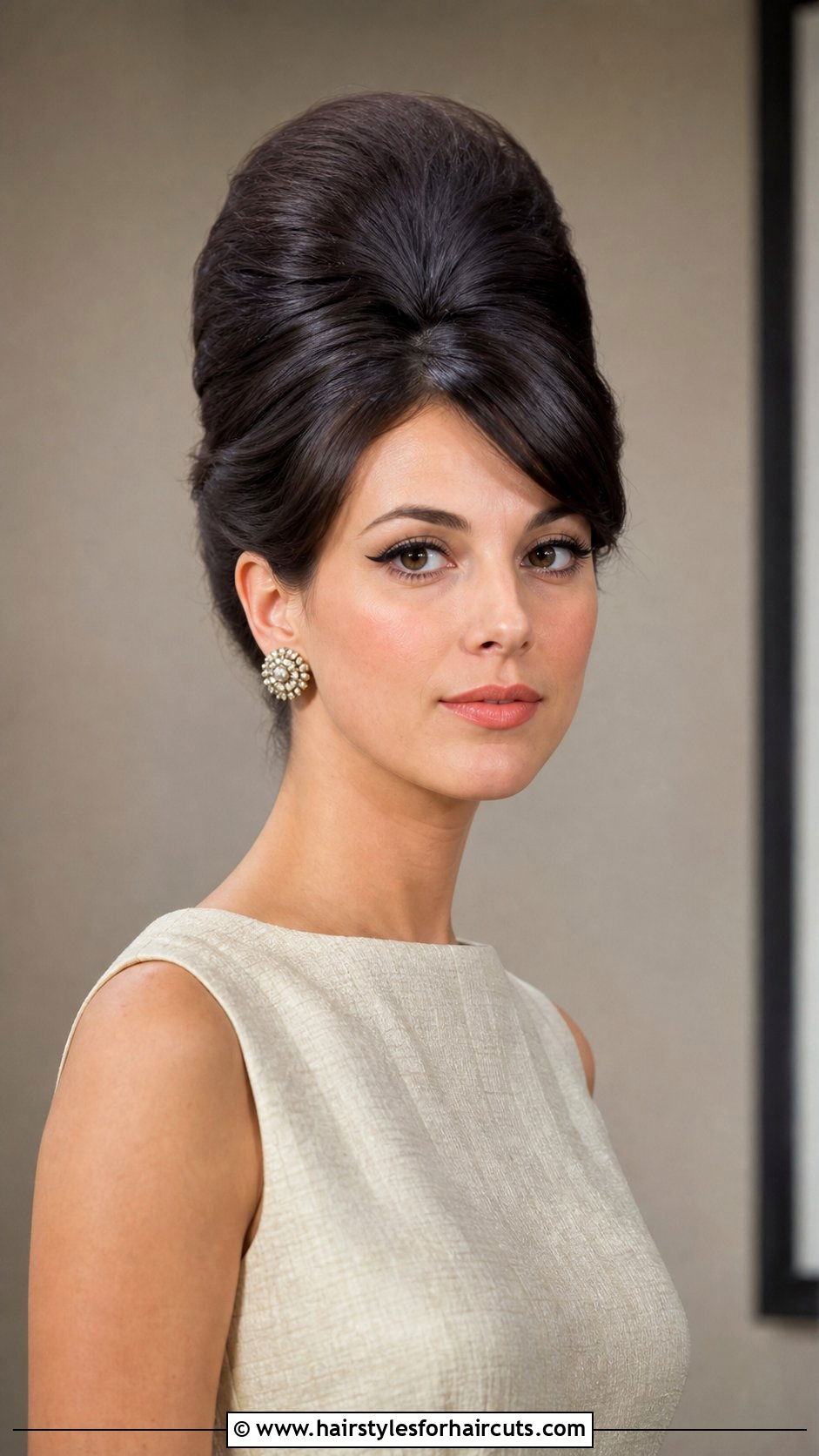
Building serious height on top of the head involves intense backcombing and structural engineering. The beehive updo requires you to tease massive amounts of hair at the crown, then gently smooth the top layer over the teased base to create a towering cone shape. Achieving this massive volume without the style looking frizzy or damaged is extremely difficult. You have to balance the need for intense teasing with the need for a sleek outer shell. The hair must be locked into place with an immense amount of hairspray. Getting the beehive perfectly symmetrical and balanced on the head takes a very steady hand. This retro look is heavy and can cause headaches if the pins are not placed correctly.
6. Crown Braid Hairstyle
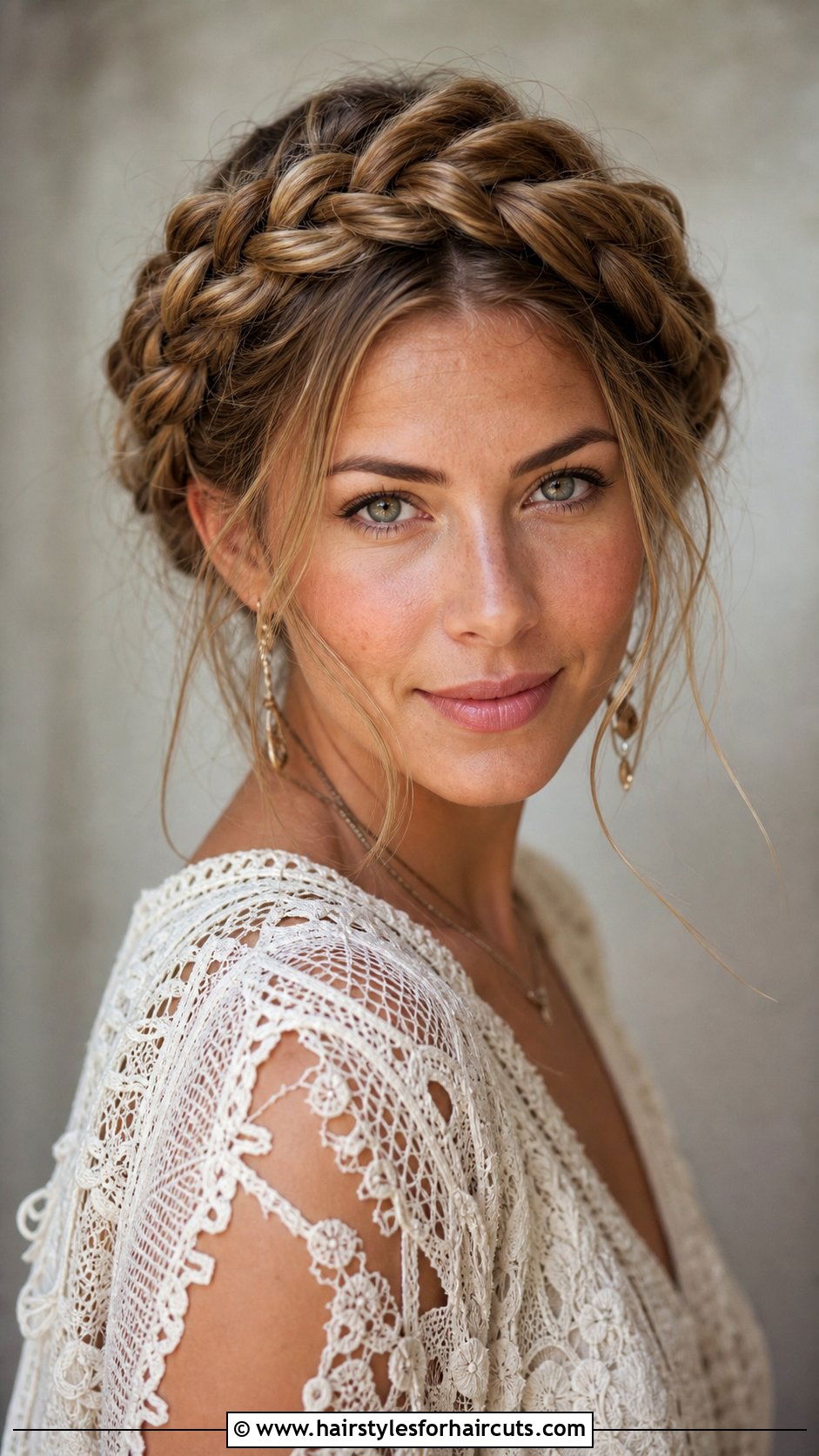
Wrapping a continuous plait perfectly around the head like a halo is a major styling challenge. The crown braid hairstyle demands that you French braid horizontally across your own head, which is an awkward angle for your hands and arms. You must consistently add hair from the hairline while keeping the braid tight and close to the scalp. Any looseness will cause the braid to sag or gap unattractively. Reaching the back of the head by yourself is notoriously difficult because you cannot see what you are doing. You have to rely entirely on touch to keep the tension even. Hiding the ends of the hair seamlessly under the beginning of the braid also takes clever pinning.
7. Dutch Braids With Space Buns
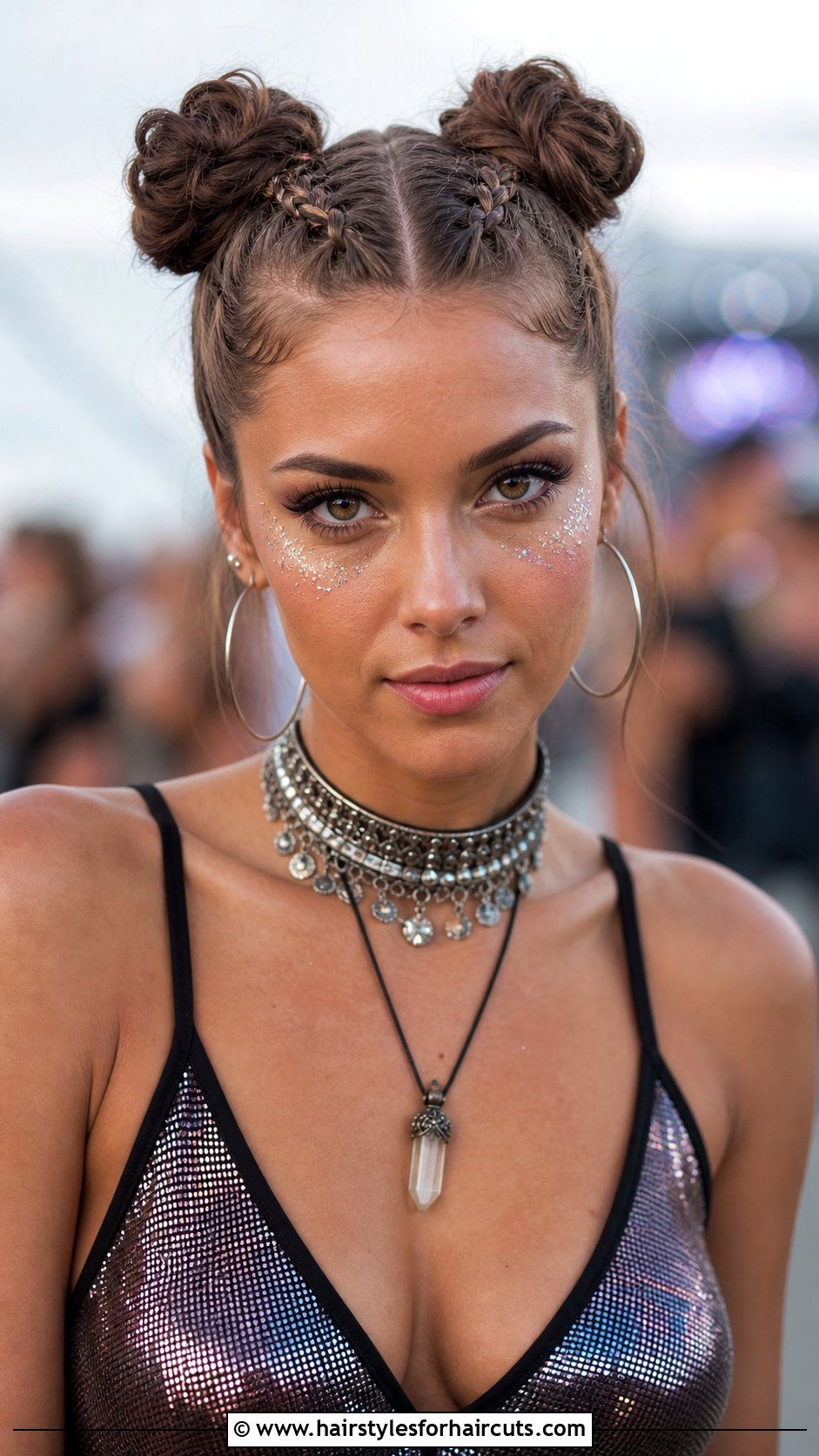
Combining two complex techniques into one look doubles the styling difficulty. The Dutch braids with space buns hairstyle requires you to first create two perfect inside out French braids going from the front hairline to the middle of the crown. Then, you must take the unbraided ends and shape them into two symmetrical, voluminous buns. Getting the braids to sit evenly on both sides of the head is hard enough. Transitioning smoothly from the tight braid into a perfectly round and secure bun adds another layer of frustration. The buns need to be anchored firmly so they stand up properly. You also have to hide all the bobby pins and elastic bands for a flawless finish.
8. Intricate Braided Updo

Weaving multiple braids into a single structured updo takes serious planning and skill. An intricate braided updo often involves creating several different types of braids, like a standard plait, a fishtail, and a Dutch braid, all on the same head. You must then wrap and pin these separate braids around each other to form a cohesive bun or sculptural shape. The difficulty lies in making the varied textures look intentional rather than messy. You have to strategically hide the ends and the pins while ensuring the whole structure feels completely secure. Manipulating thick braids into tight curves can cause bulging or unevenness. This style requires a lot of pins and a clear vision of the final design before you even begin.
9. Rope Twisted Updo

Getting rope twists to stay tightly wound without unraveling tests your patience. The rope twisted updo involves dividing hair into two sections and twisting them in one direction, then wrapping them around each other in the opposite direction to create a strong, textured cord. The challenge is maintaining perfectly even tension so the twist does not pop loose or separate. When you try to pin these thick twists into an updo, they naturally want to unwind and spring back. You must secure them firmly at multiple points to hold the shape. Creating a beautiful and balanced design with the heavy twists is harder than it looks. The style requires a lot of manipulation to make the ends stay tucked in.
10. Milkmaid Braids Hairstyle

Pinning two thick braids over the top of the head sounds simple but rarely is. The milkmaid braids hairstyle requires you to create two standard pigtail braids, then lift them up and cross them over the top of your head like a crown. The main difficulty is hiding your natural part and securing the thick braids flat against the scalp. If the braids are too thick, they stick up awkwardly. If they are too thin, they look stringy and fail to meet in the middle. You also have to perfectly tuck and hide the ends of the braids under the opposite side. Achieving a symmetrical and comfortable fit without pulling or causing headaches takes careful adjustment.
11. Cascading Mermaid Braid
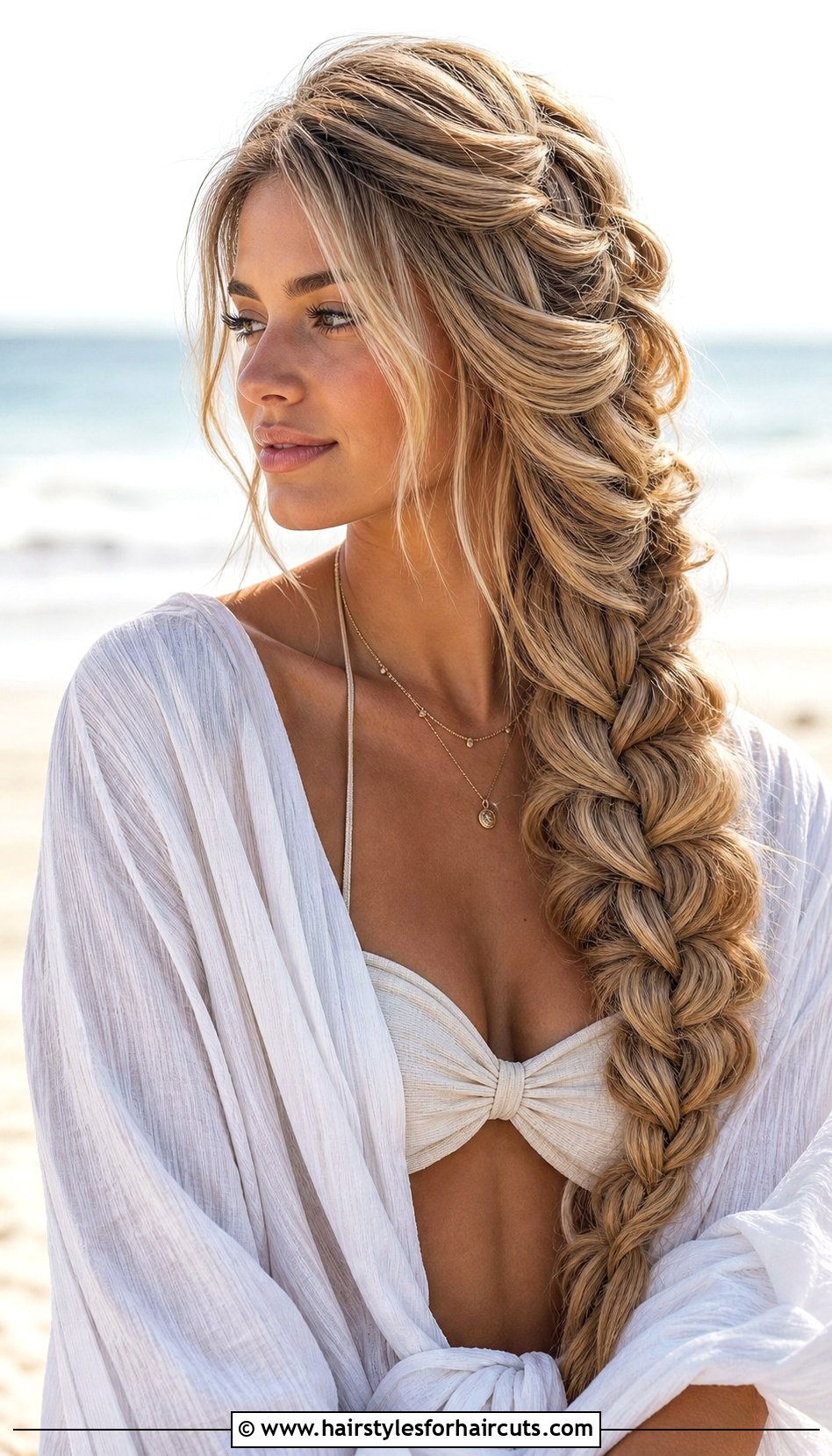
Blending multiple braiding techniques into a single flowing side look is very complex. The cascading mermaid braid starts with a standard French braid on one side of the head, then transitions into a loose, pull through style that drapes over the shoulder. Making this transition look smooth and intentional is the hardest part. You must carefully pancake the braid, gently pulling the edges to create immense volume, without pulling the entire braid apart. Because it uses a mix of tight and loose sections, the tension is completely uneven. Keeping the top section secure enough to support the heavy, voluminous bottom half requires a lot of hidden elastics. This look falls apart easily if not anchored well.
12. Retro Finger Waves Hairstyle

Sculpting hair into precise S shaped waves takes an artistic eye and steady hands. The retro finger waves hairstyle requires molding wet hair against the scalp using your fingers and a fine tooth comb, then clamping the waves in place until they dry completely. You must create sharp ridges and flat dips that sit perfectly symmetrical. The biggest challenge is that you cannot easily fix a mistake once the hair sets. If one wave is placed incorrectly, you often have to wet the whole head and start over. The hair must be very sleek and completely free of flyaways. Modern hair textures often resist lying perfectly flat, demanding heavy gels and extreme patience to achieve that authentic vintage structure.
13. Mohawk Braid Hairstyle
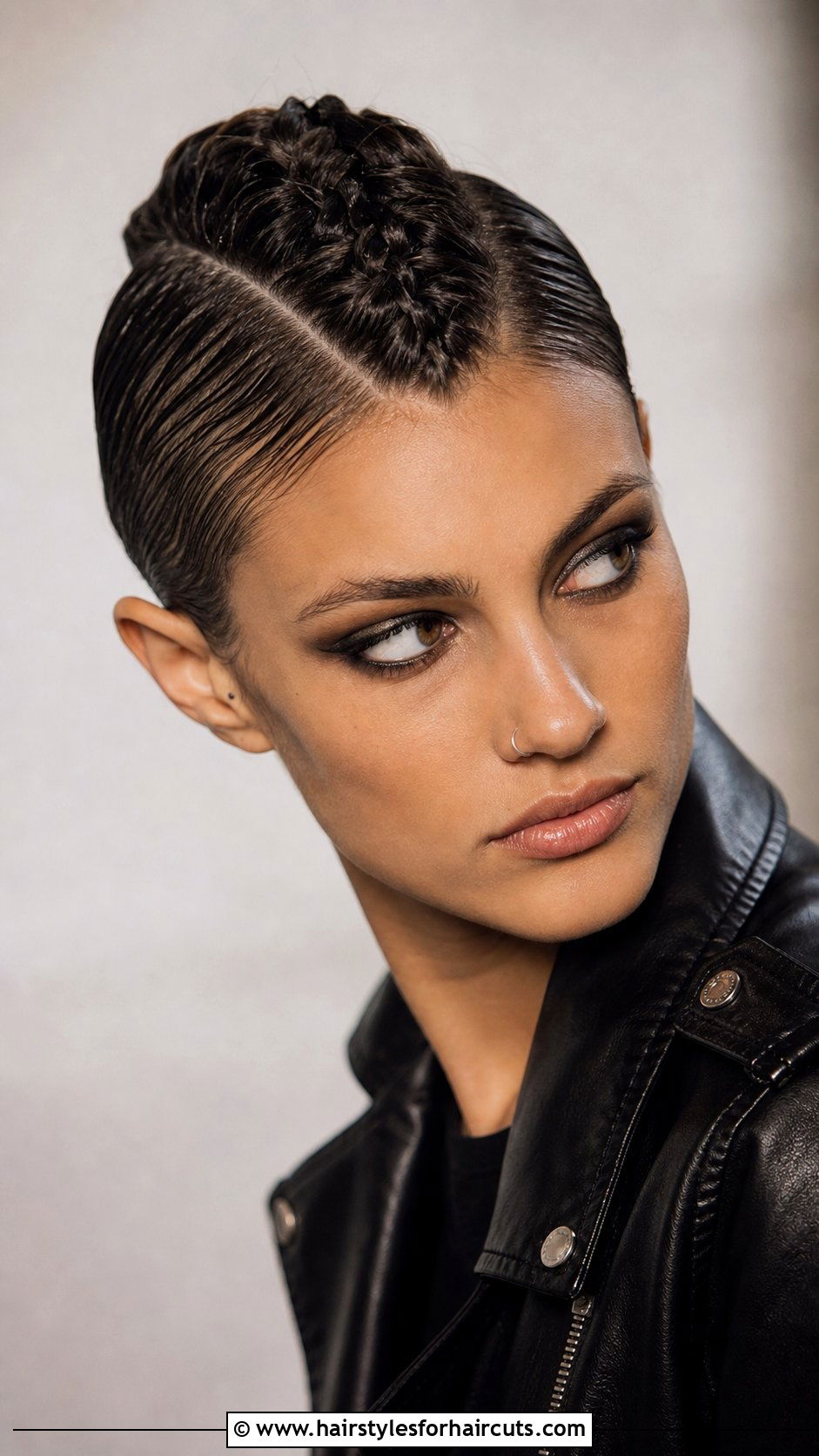
Creating a towering braid down the center of the head requires excellent sectioning. The Mohawk braid hairstyle involves tightly French or Dutch braiding only the middle section of the hair from the forehead to the nape. Meanwhile, you must keep the sides completely slicked back and smoothly joined into the central plait. The difficulty comes from maintaining a perfectly straight line down the center of the head while pulling the hair tightly upward. If your sections are uneven, the braid will curve to one side. You also have to manage the bulk of the hair, ensuring the Mohawk portion stands up proudly rather than collapsing flat. It requires significant upper body strength to hold your arms up for so long.
14. Flower Bun Hairstyle

Shaping hair into a realistic looking floral arrangement is a true styling feat. The flower bun hairstyle involves dividing a simple bun into multiple tiny petals by rolling and pinning small sections of hair in a circular pattern. The hardest part is getting each petal to look uniform and stay securely in place. You must carefully shape the rolled sections and hide the pins inside the bun so they are invisible. If one petal comes loose, the entire floral illusion falls apart. Creating enough petals to look like a full flower requires a lot of hair and even more bobby pins. The process is incredibly time consuming and demands a very precise, delicate touch to look elegant.
15. Braided Chignon Updo

Combining a smooth low bun with intricate plaits creates a sophisticated but difficult look. The braided chignon updo requires you to weave a detailed braid, then wrap it into a low knot at the nape of the neck. The challenge is keeping the braid flat and smooth as you coil it around. Because the hair is already woven, it becomes thick and resistant to bending. You must use many pins to force the braided structure into a perfect circular shape. Achieving that seamless, polished finish where the braid blends seamlessly into the chignon takes a lot of manipulation. The weight of the braided bun at the back of the head can also pull uncomfortably if not anchored correctly.
16. Geometric Asymmetric Bob
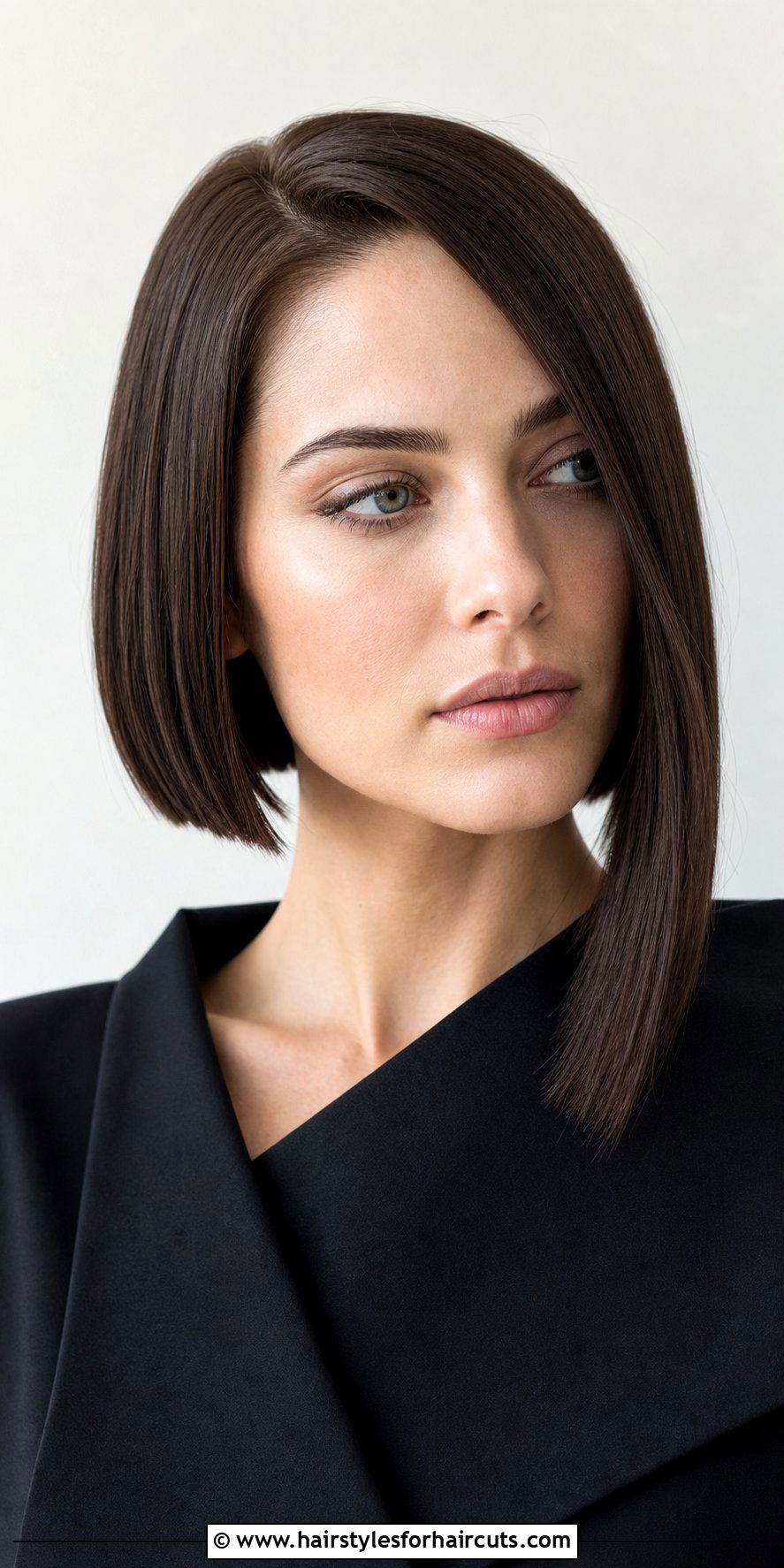
Cutting perfectly straight lines at extreme angles requires advanced technical skill with shears. The geometric asymmetric bob features one side cut significantly longer than the other, with sharp, blunt edges and zero layering. The difficulty with this haircut is that any tiny mistake is completely visible. There is no texturizing or layering to hide unevenness. You must cut perfectly straight lines that follow the exact angle of the jaw. Styling it is just as hard, as you must flat iron the hair flawlessly to emphasize the sharp geometry. Any flip or wave ruins the severe, architectural shape. Maintaining the precise line requires frequent trims to keep the ends perfectly solid and blunt.
17. Four Strand Braid Hairstyle
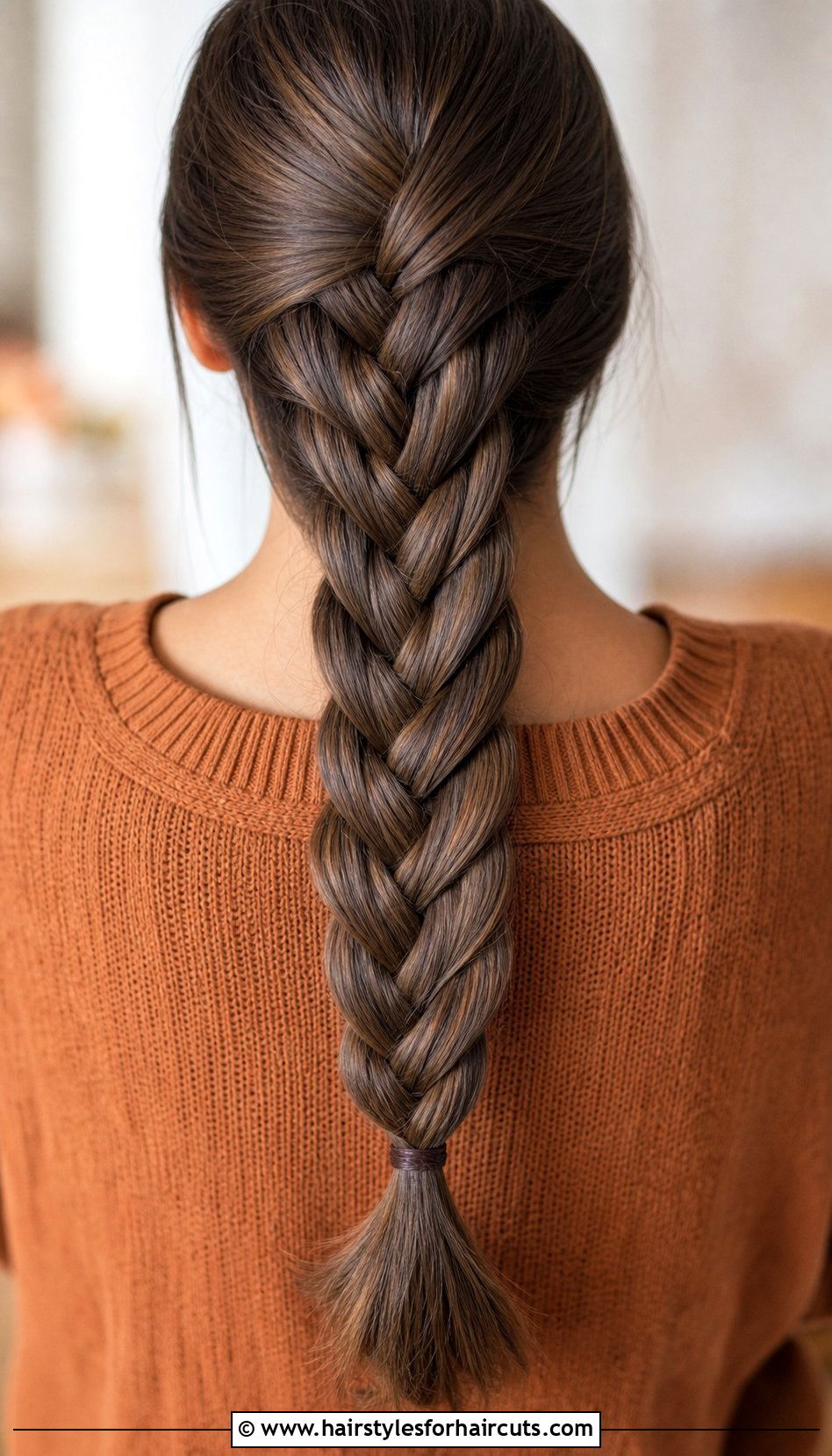
Managing four separate sections of hair instead of three completely changes the braiding mechanics. The four strand braid hairstyle requires you to keep track of multiple overlapping pieces, passing the outer strands under and over in a specific sequence. It is incredibly easy to get confused about which piece goes where, causing the pattern to instantly fall apart. Maintaining even tension across four separate sections is also much harder than with a traditional braid. If your grip slips, the braid develops loose, gaping holes. Because it takes intense concentration, doing this on the back of your own head is nearly impossible without extensive practice. The resulting flat, wide braid looks amazing but is highly unforgiving of mistakes.
18. Gibson Tuck Updo
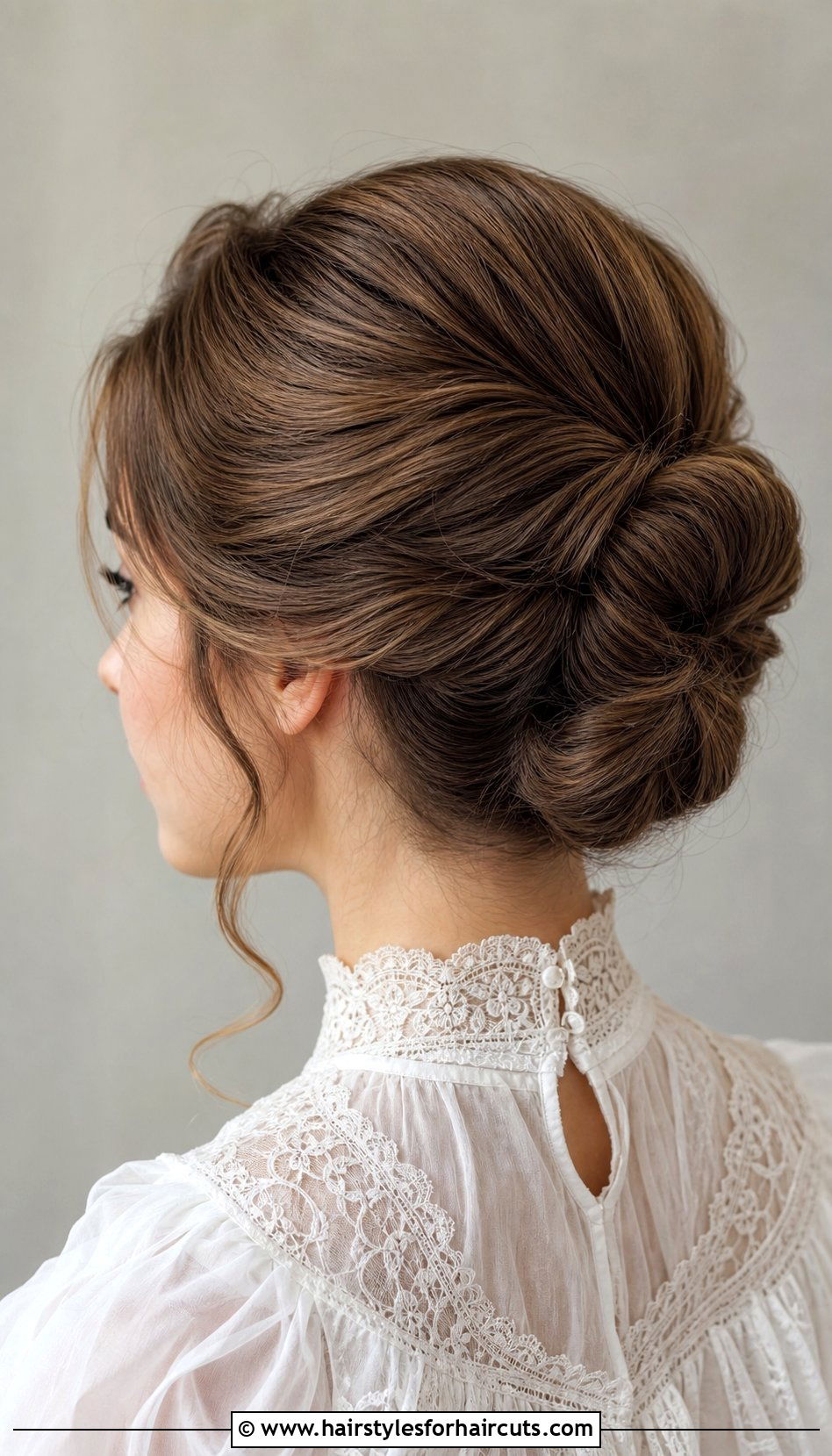
Rolling long hair completely inside itself requires excellent coordination and flexibility. The Gibson tuck updo involves gathering hair at the nape of the neck, twisting it upward, and then tucking the entire length inside a formed pocket against the head. The main difficulty is creating a pocket that is secure enough to hold all your hair. If your hair is thick or slippery, it constantly slides out of the tuck. You must use a roll or comb to help guide the hair inside, then pin it extensively from multiple angles. Getting the roll to look smooth and full rather than lumpy and awkward takes a lot of adjusting. It is a classy look that tests your dexterity.
19. Celtic Knot Hairstyle
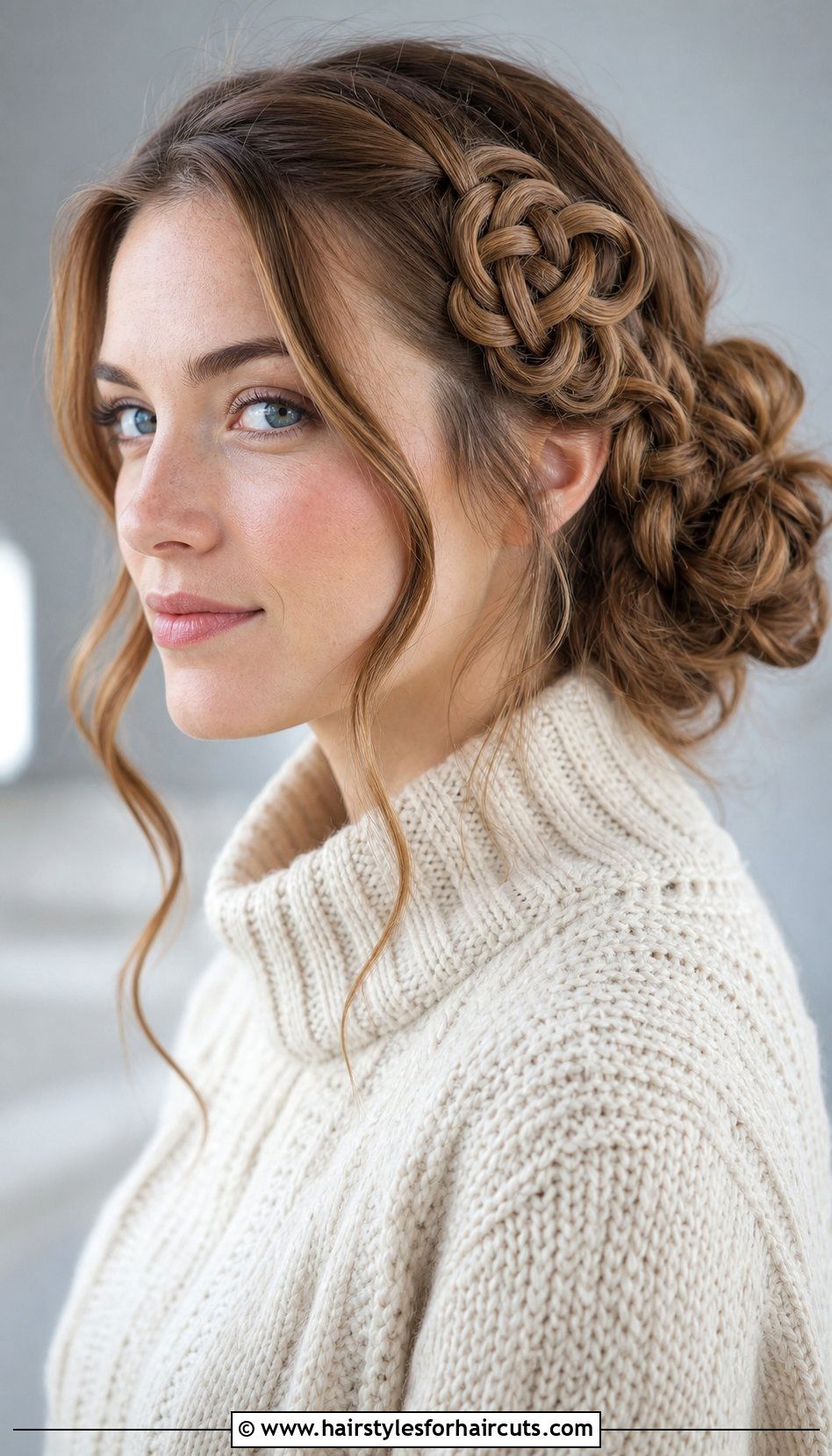
Tying your hair into complicated, endless looking knots is surprisingly difficult. The Celtic knot hairstyle requires you to loop and weave two sections of hair over and under each other in a specific pattern to create a standalone decorative knot. Because hair is soft and flexible, it does not hold its shape like rope or wire. You must tie the knot tightly and immediately pin it to keep it from loosening. Figuring out the over and under pattern is very confusing the first few times. You often end up with a tangled mess instead of a neat knot. Getting the knot to sit flat against the head while looking perfectly symmetrical requires intense focus and very steady hands.
20. Braided Crown With Low Bun

Blending a halo plait with a secured nape knot takes serious styling endurance. The braided crown with low bun requires you to French braid completely around the circumference of the head, then take the remaining hair and form a smooth bun at the back. The hardest part is the transition from the braid to the bun. You must hide where the braid ends and the bun begins seamlessly. Because your arms are already tired from braiding around the whole head, creating a flawless bun right afterward is exhausting. The braid must sit perfectly flat so the bun does not stick out awkwardly. Ensuring the entire heavy structure stays put requires strategic and deep pinning throughout the style.
21. Bow Bun Hairstyle
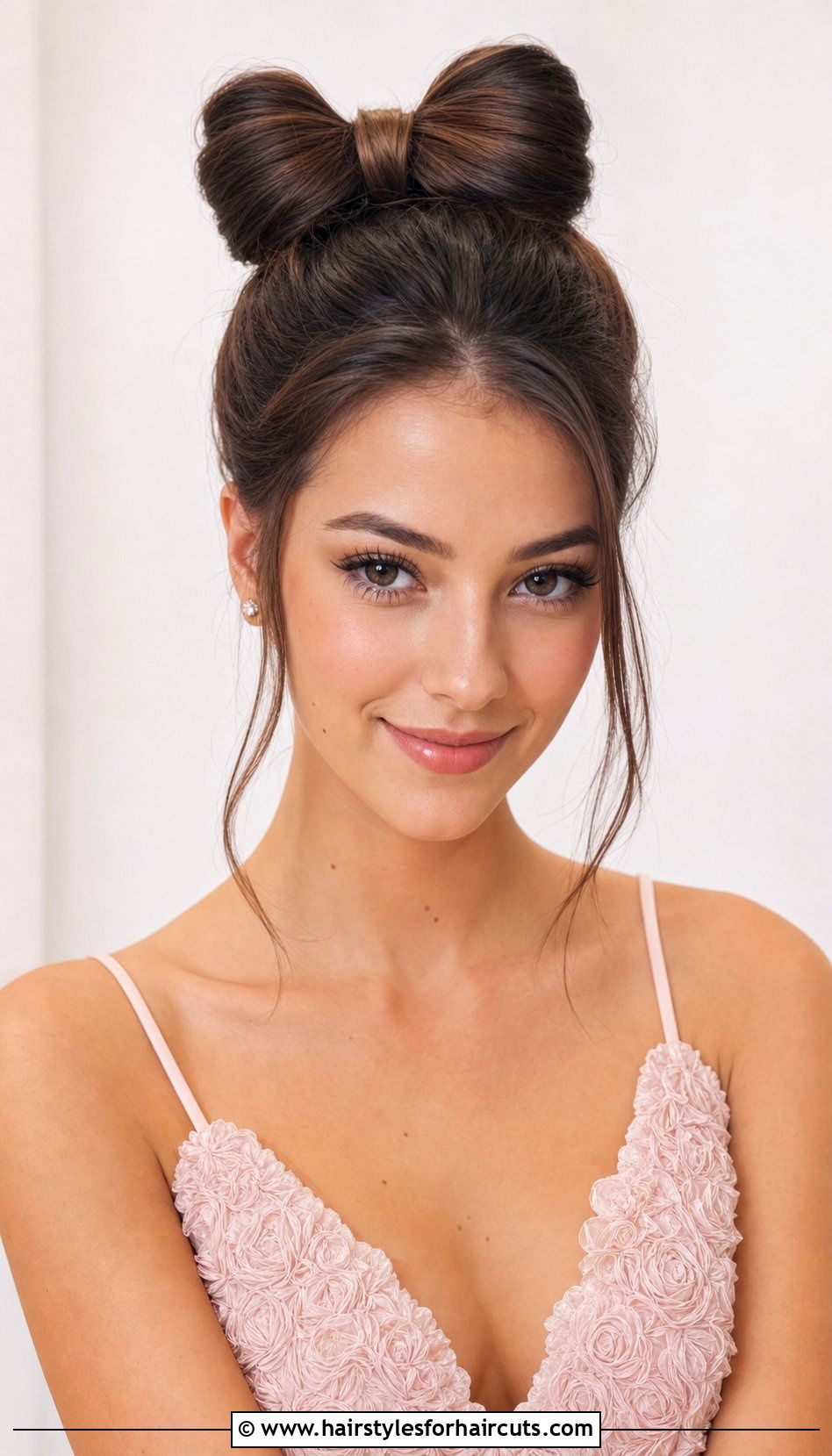
Sculpting hair to look exactly like a tied ribbon is a tricky illusion. The bow bun hairstyle involves creating a looped bun, then dividing it into two halves to form the bow loops. You must take a small piece of hair from the middle and pull it forward to create the center knot of the bow. The difficulty lies in getting the two loops perfectly equal in size and securing them so they stand upright. If the loops are too loose, they collapse and look like a messy bun. If they are too tight, they do not look like a bow. Hiding the pins that hold the loops in place is also very challenging. This requires extreme precision.
22. Phoenix Braid Hairstyle

Creating an optical illusion of wings spreading from the back of the head is highly advanced. The Phoenix braid hairstyle involves creating a central braid that gradually fans out into multiple smaller, separate braids at the ends. The challenge is controlling the extreme volume and keeping the multiple smaller braids from tangling as you work. You must perfectly divide the hair to ensure the wings spread out symmetrically. Because you are working from the top of the head down to the very ends, your arms get very tired. Pancaking this complex braid without ruining the structural integrity of the smaller plaits is incredibly difficult. It requires deep focus to make the final spread look like majestic feathers.
23. Pull Through Braid Ponytail

Stacking multiple ponytails to create a faux braid takes a lot of time and elastics. The pull through braid ponytail involves creating a high ponytail, then adding more elastics down the length every few inches. You must split the hair between the elastics, pull the tail through the split, and tighten. The difficulty is keeping each section perfectly even and tight. If one section is loose, the entire faux braid looks lumpy. The process is highly repetitive and uses a ridiculous amount of small elastic bands. Removing them later can be painful and cause breakage. Fluffing the pulled through loops to make them look full and uniform also requires careful teasing to avoid creating a messy nest.
24. Spider Braid Updo
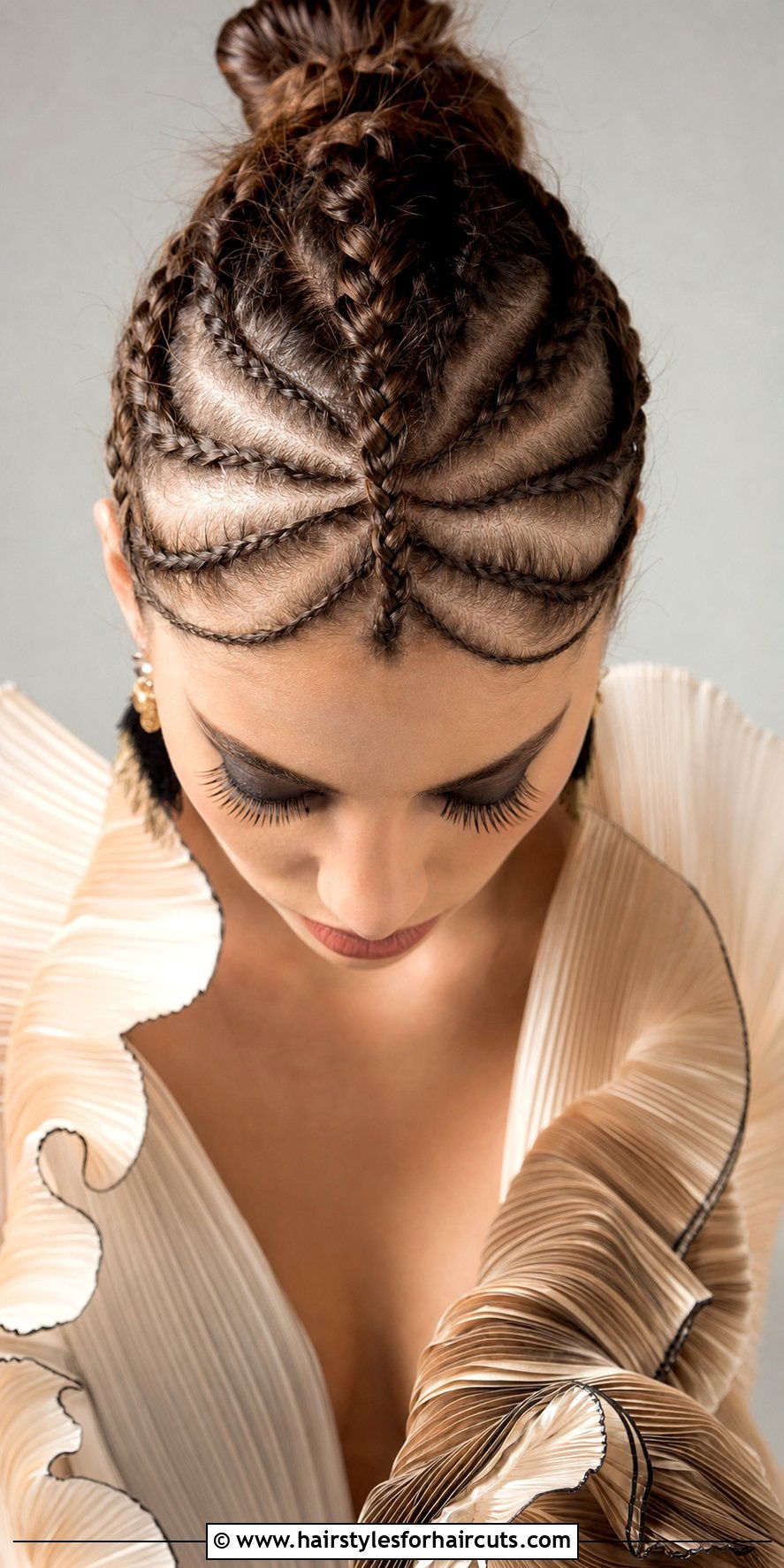
Weaving a central plait with multiple extending legs demands extreme focus and sectioning skill. The spider braid updo features a thick central braid with several smaller braids radiating outward from it, pinned to the head like spider legs. The hardest part is managing all the different sections of hair at once. You must keep the smaller pieces separated while working on the main braid. Each leg must be braided and then perfectly curved and pinned to lay flat against the scalp. Getting the legs to look evenly spaced and intentional rather than chaotic is a huge challenge. Hiding all the pins and elastics within the intricate web of braids requires a lot of patience and clever styling tricks.
25. Ladder Braid Ponytail

Connecting two parallel braids with horizontal woven rungs is a complex and rare technique. The ladder braid ponytail involves creating two standard braids side by side, then taking small pieces of hair and weaving them back and forth between the two braids to create ladder steps. Keeping the tension right on the horizontal rungs is incredibly hard. If you pull too tight, the braids pucker. If you pull too loose, the rungs hang limply. You must also keep the two main braids perfectly aligned as you work down the ponytail. This requires constant adjustment and a lot of hand eye coordination. The result is stunning, but the process is very slow and mentally exhausting to complete accurately.
Conclusion:
Tackling these advanced looks can definitely test your patience, but the results are incredibly rewarding. When you master any of these 25 hard hairstyles, you gain a much deeper understanding of how hair moves and behaves. These complex braids, twists, and updos push your styling abilities far beyond everyday routines. It takes time, practice, and a lot of bobby pins to get these techniques right. Do not get discouraged if your first attempt does not look perfect. Keep practicing your tension and sectioning, and you will eventually create these stunning styles. Whether you want an elegant updo for a wedding or a unique braided look for a special event, your hard work will definitely pay off in the end.

Leave a Reply