
Finding the right look that honors tradition while expressing personal style is a beautiful journey. When exploring 25 jewish hairstyles, you will discover a rich variety of options rooted in culture, faith, and modern fashion. From elegant wigs and beautiful head wraps to traditional side curls and modest natural hair, these looks carry deep meaning. They represent a unique blend of religious observance and contemporary aesthetics. Whether you are looking for a fresh way to style your own hair or seeking the perfect head covering, there is something here for everyone. This guide will walk you through diverse options, helping you understand the significance and beauty behind each distinct hairstyle choice.
1. Orthodox Jewish Woman Sheitel Wig

Have you ever wondered how Orthodox Jewish women achieve such flawless, elegant hair looks while maintaining their religious observance? The sheitel is a full wig worn to cover natural hair after marriage, fulfilling the requirement of hair covering. Modern sheitels are incredibly realistic, often made from high-quality human hair that moves and shines just like biological hair. Women style these wigs in various ways, including sleek straight cuts, bouncy curls, or chic bobs. The cap construction ensures a secure and comfortable fit throughout the day. This allows women to participate in all activities without worrying about their head covering slipping. A well-styled sheitel offers a beautiful, natural appearance while strictly adhering to traditional modesty standards.
2. Hasidic Jewish Man Payot Side Curls

Walking through a vibrant Hasidic community, you will immediately notice the distinctive payot swinging gracefully by the men’s temples. Payot, also known as side curls or sidelocks, are a direct fulfillment of the biblical commandment not to round the corners of the head. Hasidic men grow these side curls from childhood and never cut them. The length and style of payot can vary significantly between different Hasidic dynasties. Some men wear them tightly coiled, while others let them hang loose and free. Often, the payot are brushed and carefully maintained to keep them looking neat and defined. This traditional hairstyle stands as a powerful symbol of Jewish identity, faith, and continuous devotion to ancient religious practices.
3. Orthodox Jewish Woman Tichel Head Wrap

Looking for a stylish yet modest way to cover your hair? The tichel head wrap is an incredibly popular choice among Jewish women. A tichel is a large scarf tied creatively around the head to cover the hair completely. Women love this option because it offers endless possibilities for personal expression through colors, patterns, and tying techniques. You can wrap it in a simple, flat style for a casual day at home, or create voluminous, layered wraps for special events. Many women add volume underneath the scarf using fluffy pins to achieve a beautiful, rounded silhouette. The tichel is not only a religious head covering but also a fantastic fashion statement that celebrates modesty with absolute elegance and creativity.
4. Orthodox Jewish Woman Snood Hairstyle

Need a quick and comfortable hair covering for a busy morning? The snood is a practical and traditional solution favored by many Orthodox Jewish women. A snood is a soft, bag-like accessory made from fabric or crochet that slips easily over the back of the head, containing all the hair. It provides full coverage without the need for complicated tying or pinning. Many women appreciate the snood for its relaxed fit, making it ideal for lounging at home, running errands, or caring for young children. Modern snoods come in various elegant designs, featuring delicate lace trims, vibrant colors, and textured fabrics. They offer a beautiful balance of convenience and modesty, ensuring you look put-together with minimal effort on busy days.
5. Jewish Woman Band Fall Wig

Want the natural look of your own hairline while wearing a wig? The band fall wig is a clever and stylish innovation designed specifically for this purpose. This unique hairpiece features a wig attached to a headband. The headband sits comfortably on the forehead, creating the illusion of a natural hairline while the wig covers the rest of the hair. Women often wear a small snood or tichel underneath to ensure all their natural hair is completely tucked away. The band fall offers incredible versatility, as you can change the headband to match your outfit. It provides a secure fit and a seamless, realistic appearance, making it a beloved choice for women seeking modesty without sacrificing a natural, polished look.
6. Breslov Jewish Man Long Payot

Have you seen the remarkably long and distinct side curls worn by followers of the Breslov Hasidic movement? Breslov Jewish men are known for their exceptionally long payot, which often extend down past their shoulders. These long side curls are a profound expression of their dedication to Jewish law and their specific spiritual tradition. The men carefully maintain their payot, often twisting them gently or letting them flow naturally as they go about their day. Growing such lengthy sidelocks requires patience and commitment, starting from a very young age. The striking visual of these long payot serves as a constant reminder of their faith and their connection to Rabbi Nachman of Breslov. It is a beautiful, visible testament to their deeply held spiritual beliefs.
7. Hasidic Jewish Man Shtreimel And Payot

Ever attended a traditional Jewish wedding and admired the striking fur hats? The shtreimel is a large, circular fur hat worn by Hasidic Jewish men, most notably on Shabbat, holidays, and festive occasions. It is always worn in combination with long, flowing payot. The shtreimel is usually made from the tails of sable or fox, creating a wide, flat, and luxurious halo of fur around the head. Beneath the shtreimel, men wear a traditional white knit yarmulke. The contrast between the dark, rich fur of the hat and the curly sidelocks creates a majestic and deeply traditional appearance. This complete look represents joy, celebration, and a strong connection to the heritage of Eastern European Jewish communities.
8. Orthodox Jewish Woman Hat Fall Hair

How do Orthodox women wear stylish hats while ensuring all their hair remains covered? The hat fall is an ingenious hairpiece designed to solve exactly this dilemma. It is a partial wig that covers only the back and sides of the head, leaving the crown open. Women wear a hat or cap over the crown, completely hiding the junction between the wig and the hat. This allows them to enjoy the fashionable look of a stylish hat without exposing any of their natural hair at the nape or sides. Hat falls are typically made from high-quality human hair, ensuring the visible portions look completely natural. This clever combination provides an elegant, modest, and fashion-forward solution for daily wear or special occasions.
9. Modern Orthodox Woman Long Modest Hair

Can you wear your natural hair out while still adhering to modesty guidelines? Modern Orthodox women often navigate this by styling their long natural hair in ways that are beautiful yet modest. While some communities require full hair covering, others allow women to wear their own hair, provided it is styled respectfully. These women often opt for sleek blowouts, gentle waves, or neat updos that keep the hair looking polished and refined. The focus is on avoiding overly flashy or distracting styles. Long modest hair is typically well-maintained, healthy, and trimmed regularly. This approach allows women to embrace their natural beauty and express their personal style while staying within the boundaries of their community’s interpretation of Jewish law and tradition.
10. Yemenite Jewish Woman Curly Hair

Have you ever been captivated by the stunning, voluminous curls of Yemenite Jewish women? The traditional Yemenite Jewish hairstyle is renowned for its gorgeous, tight corkscrew curls that flow beautifully down the back. Historically, Jewish girls in Yemen grew their hair long and styled it into these distinct, long ringlets. This unique texture is often natural, but the styling enhances its incredible bounce and structure. Today, Yemenite Jewish women around the world still embrace this signature look for weddings, holidays, and cultural celebrations. The hair is carefully parted in the center, with the curls cascading symmetrically on both sides. This hairstyle is a proud celebration of their rich heritage, offering a breathtaking display of natural texture and timeless cultural beauty.
11. Orthodox Jewish Man Short Payot And Beard

Looking for a neat and traditional look that remains practical for everyday professional life? Many Orthodox Jewish men choose to wear short payot combined with a full, well-groomed beard. Instead of long, dangling side curls, these men neatly trim their payot, keeping them close to the temples and behind the ears. This still fulfills the religious requirement of not shaving the corners of the head, but it offers a more subdued profile. The beard is carefully trimmed and shaped, projecting an image of dignity and maturity. This hairstyle is very common among Modern Orthodox and Litvishe communities. It perfectly balances strict religious observance with a clean, professional aesthetic suitable for the workplace, allowing men to participate seamlessly in modern society.
12. Jewish Woman Voluminous Tichel Wrap

Want to add dramatic flair to your everyday head covering? The voluminous tichel wrap is a stunning technique that transforms a simple scarf into a majestic crowning glory. Women achieve this look by using clever accessories like volumizers, fluffy scrunchies, or large hair pins placed underneath the scarf. This creates a beautiful, rounded height at the crown of the head. The tichel is then wrapped smoothly or twisted elegantly around this base, resulting in a regal and sculptural silhouette. This style is incredibly popular because it adds a feminine, majestic touch to any outfit. It shows how a modest head covering can be incredibly fashionable and empowering, allowing women to express their creativity and personal style while maintaining full hair coverage.
13. Hasidic Jewish Boy Curly Payot
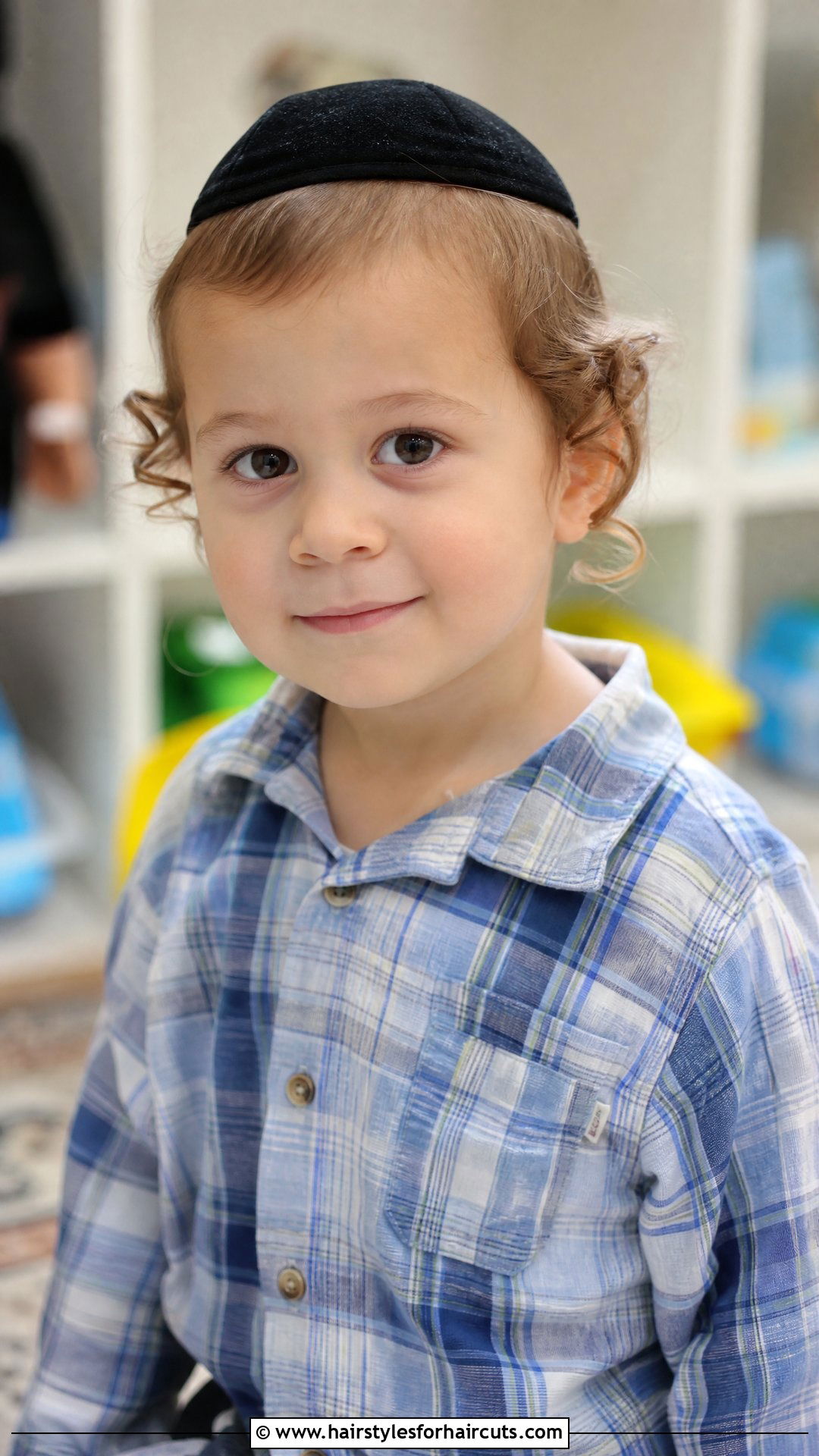
Is there anything more charming than a young boy proudly wearing his first side curls? Hasidic Jewish boys begin growing their payot at a very young age, often from the time they receive their first haircut at three years old. These curly payot frame their sweet faces, creating an iconic and endearing look. Parents carefully brush and maintain the sidelocks, teaching their sons the importance of this religious tradition. The boys often pair their payot with yarmulkes or small hats. Seeing these children running and playing with their curly side locks bouncing is a heartwarming sight. It reflects the deep-rooted commitment to passing down religious customs from generation to generation, ensuring the continuation of their beautiful heritage.
14. Jewish Woman Fall And Hat Combination

Seeking a sophisticated winter look that covers your hair completely? The fall and hat combination is a classic choice for Orthodox Jewish women during the colder months. A fall is a partial wig that covers the back of the head and the nape of the neck. Women pair this hairpiece with a stylish winter hat, such as a beret or a wide-brimmed fedora. The hat sits on the crown, while the fall provides natural-looking hair at the back. This combination is incredibly practical because it keeps the head warm while ensuring no natural hair is exposed. It offers an effortlessly chic appearance, seamlessly blending seasonal fashion with the requirements of modest dress and hair coverage.
15. Orthodox Jewish Woman Pre Tied Bandana

Tired of spending time tying scarves every morning? The pre tied bandana offers a fantastic, hassle-free alternative for Orthodox Jewish women. This clever head covering is designed to look exactly like a beautifully tied tichel, but it simply slips right on. It features an elastic band at the back and often comes with pre-sewn tails that look like neatly tied scarf ends. Many pre tied bandanas also include a small piece of synthetic hair at the front, mimicking the look of bangs. This provides the aesthetic of a stylish tichel wrap without any of the effort. It is the perfect solution for busy mornings, workouts, or casual days when you want full coverage with absolute convenience and quick, effortless style.
16. Spodik Hasidic Jewish Man Hairstyle
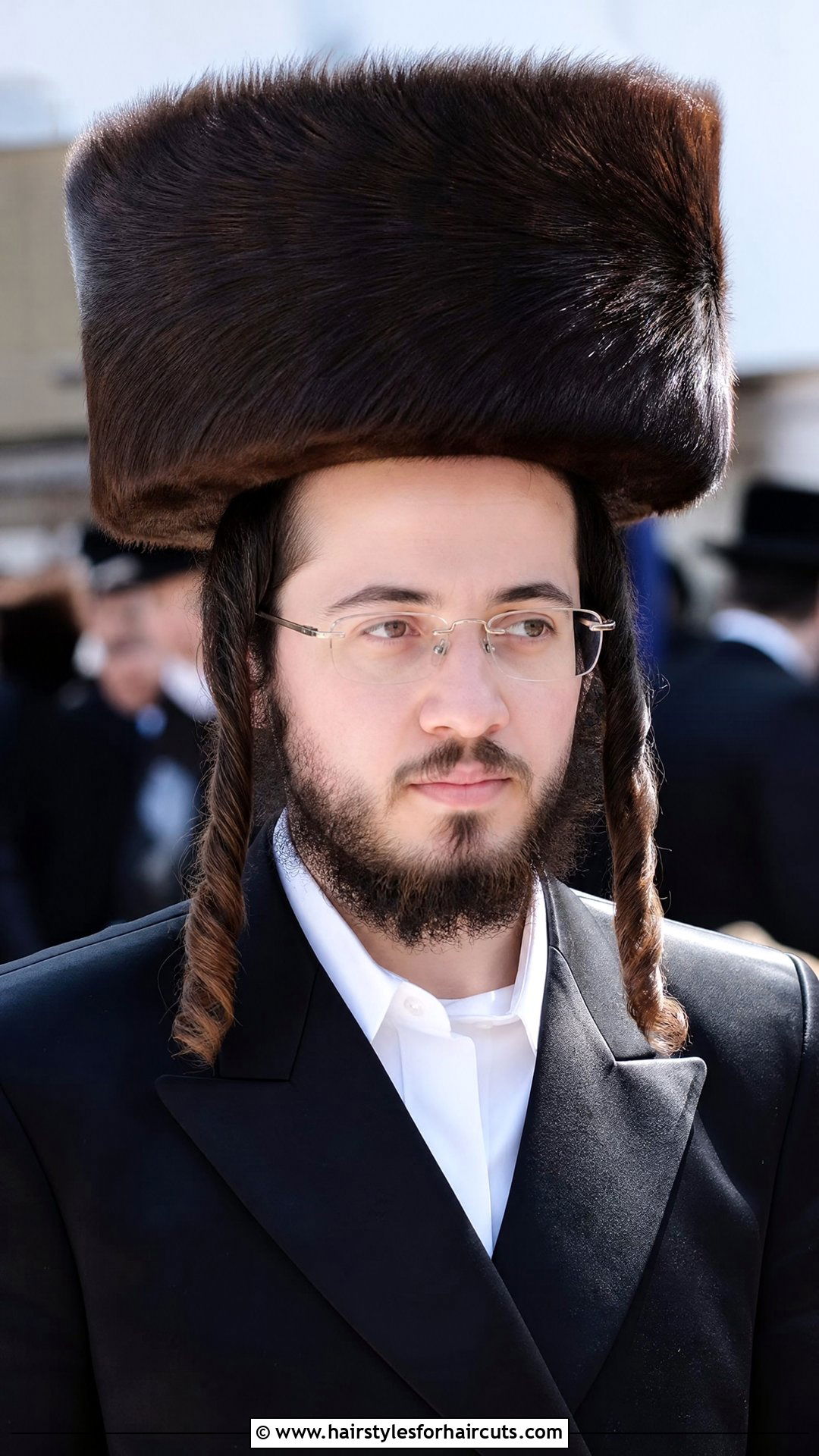
Have you ever noticed the tall, striking fur hats worn by Polish Hasidic groups? The spodik is a high, cylindrical fur hat worn by certain Hasidic dynasties, most notably the Ger Hasidim. It differs from the shorter, wider shtreimel and reaches impressive heights. Men wear the spodik paired with neatly combed payot that frame the face. The contrast between the towering black fur hat and the side curls creates an incredibly majestic and solemn silhouette. This hairstyle and headgear are reserved for Shabbat and major Jewish holidays, signifying deep respect and joy for the holy day. The spodik and payot combination is a powerful visual symbol of the enduring strength and strict traditions of these specific Hasidic communities.
17. Jewish Woman Snood With Bangs
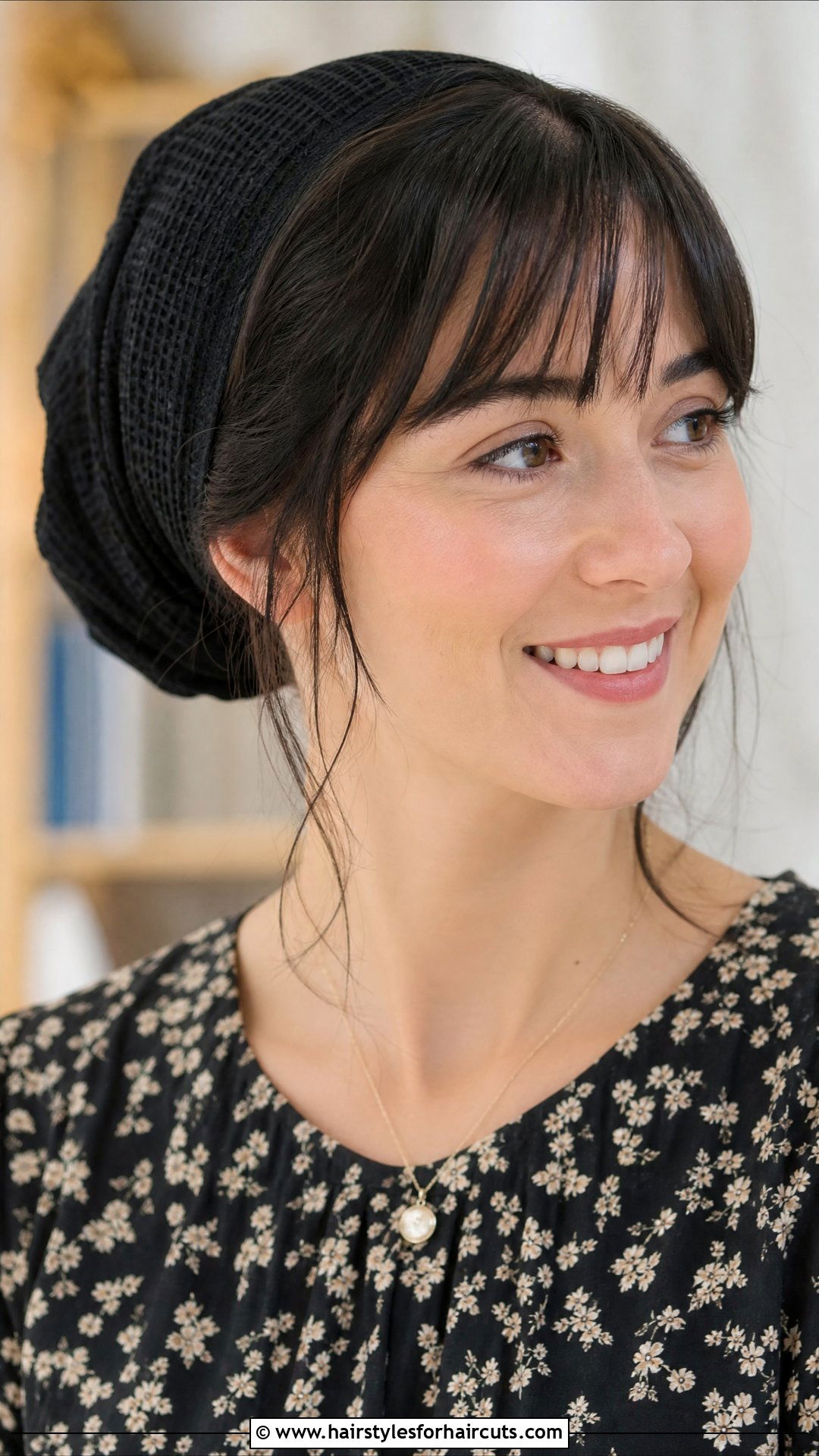
Craving a feminine touch while wearing a traditional snood? The snood with bangs offers a beautiful compromise between full coverage and a soft, natural frame for the face. In this variation, the snood covers the back and sides of the head, while a fringe of hair, either natural or synthetic, is left visible at the forehead. This small detail completely changes the overall look, making it appear more like a natural hairstyle rather than just a head covering. Women love this option because the bangs can be swept to the side, curled, or cut straight across. It is a wonderful way to maintain the comfort and practicality of a snood while adding a highly flattering, personalized touch to your appearance.
18. Bukharan Jewish Woman Braided Hairstyle

Have you marveled at the elaborate, thick braids worn by Bukharan Jewish women? Originating from the Jewish communities of Central Asia, this traditional hairstyle is a breathtaking display of artistry and cultural pride. Historically, Bukharan women wore their hair in multiple long, thick braids adorned with silver coins, beads, and colorful ribbons. The braids were a symbol of beauty, status, and cultural identity. Today, Bukharan Jewish women continue to honor this heritage by wearing magnificent braided styles for weddings and festivals. The hair is often intricately woven into complex patterns, incorporating traditional ornaments that catch the light with every movement. This hairstyle is a stunning celebration of a rich, ancient culture that has beautifully survived through centuries of diaspora.
19. Orthodox Jewish Man Trimmed Payot

How do you maintain the commandment of payot in a corporate environment? Many Orthodox Jewish men opt for trimmed payot, neatly tucking them behind the ears for a clean, professional look. This approach allows men to keep their sidelocks, fulfilling the religious requirement, while maintaining a polished appearance suitable for business and formal settings. The payot are carefully trimmed to blend seamlessly with the haircut, avoiding the longer, more conspicuous curls of other communities. Some men twist them slightly before tucking them behind the ear, keeping them secure and out of the way throughout the workday. This style demonstrates the adaptability of Jewish law, showing how ancient traditions can be thoughtfully maintained within the demands of modern professional life.
20. Jewish Woman Half Wig Hairstyle

Need lightweight coverage that still looks incredibly natural? The half wig, also known as a half fall, is a highly popular choice for Jewish women seeking a comfortable and realistic hair covering. Unlike a full sheitel, the half wig only covers the top and back of the head. Women wear it with a headband, a tichel, or a snood to conceal the front hairline and any of their natural hair. This provides the beautiful volume and length of a wig while keeping the head cooler and more comfortable, especially during the summer months. The half wig offers fantastic versatility, allowing women to mix and match headbands and scarves to create a variety of stunning, modest looks for any occasion.
21. Orthodox Jewish Woman Scarf And Hair Wrap
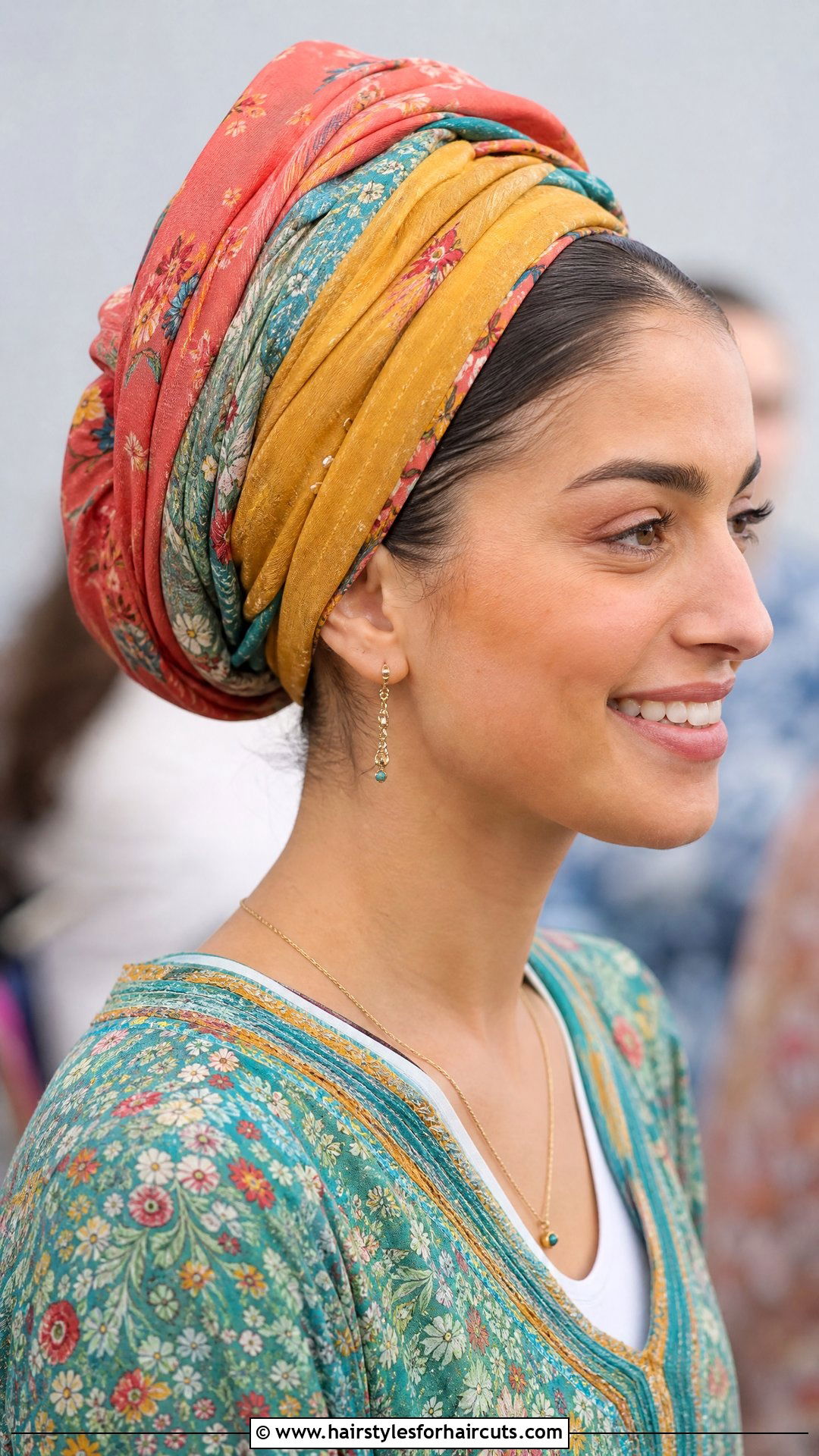
Want to experiment with different textures and colors in your daily wardrobe? The scarf and hair wrap technique is a dynamic and beautiful way for Jewish women to cover their hair. Instead of using a single tichel, women layer multiple scarves, wrapping them in intricate patterns around the head. This method allows for incredible creativity, as you can mix contrasting colors, combine silk with cotton, and add decorative pins or brooches. The layering technique also creates stunning volume and architectural shapes, turning the head covering into a true work of art. It is a joyful expression of personal style and femininity, proving that modest dressing is never boring but rather an opportunity for vibrant, artistic self-expression every single day.
22. Traditional Jewish Bride Wedding Hair
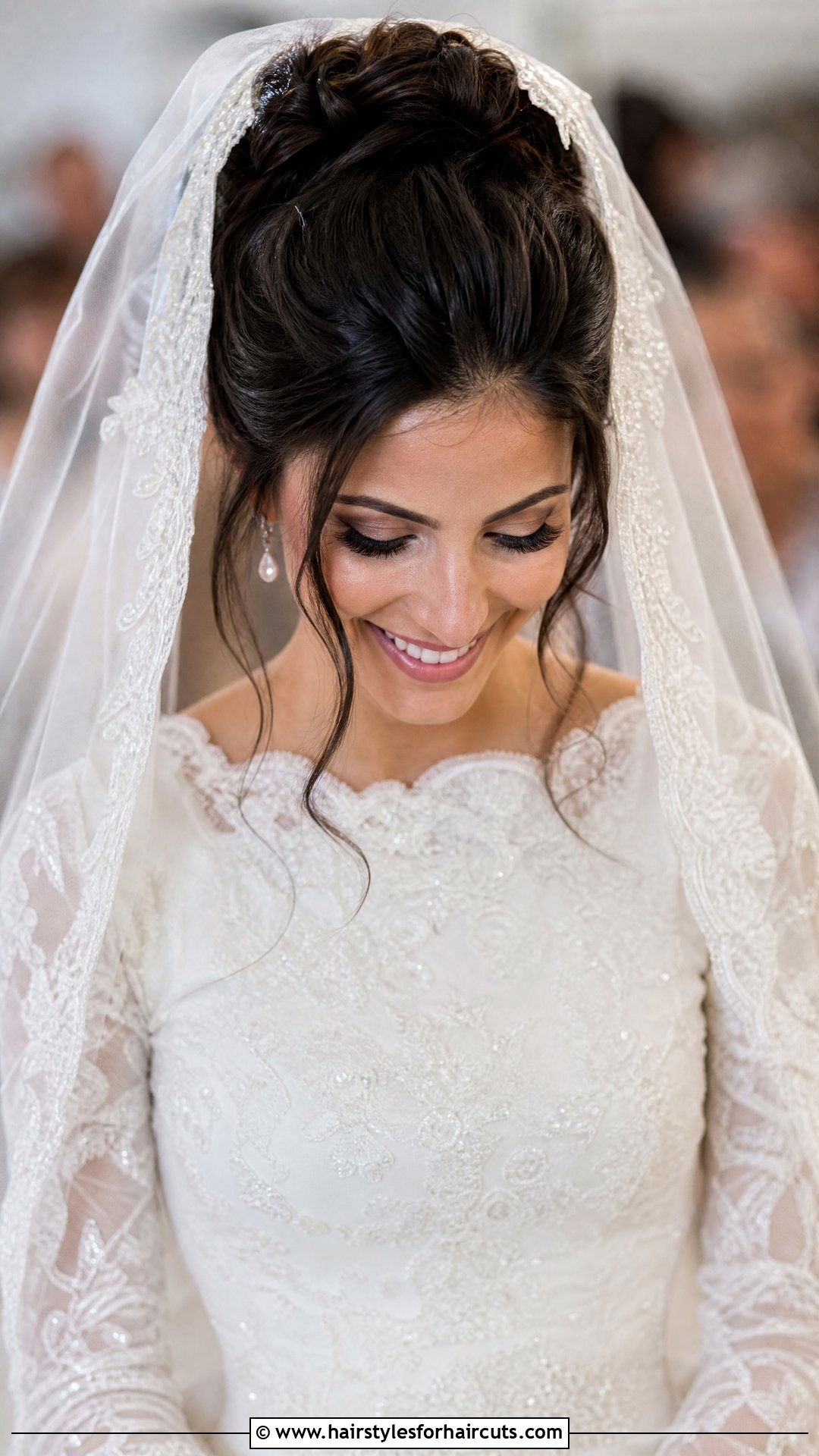
Are you searching for the perfect bridal look that honors your faith? Traditional Jewish bride wedding hair is a magnificent expression of joy, purity, and religious tradition. Depending on the community, a bride might wear her hair in an elaborate updo, cascading curls, or a stunning sheitel. In many Orthodox communities, the bride wears a beautiful veil that completely covers her face and hair during the chuppah ceremony, symbolizing the modesty and sanctity of the marriage. Some brides incorporate delicate floral crowns, sparkling tiaras, or intricate lace mantillas into their hairstyles. The focus is always on creating a breathtaking, elegant look that respects Jewish law while making the bride feel like absolute royalty on her most special day.
23. Orthodox Jewish Man Yarmulke And Short Hair
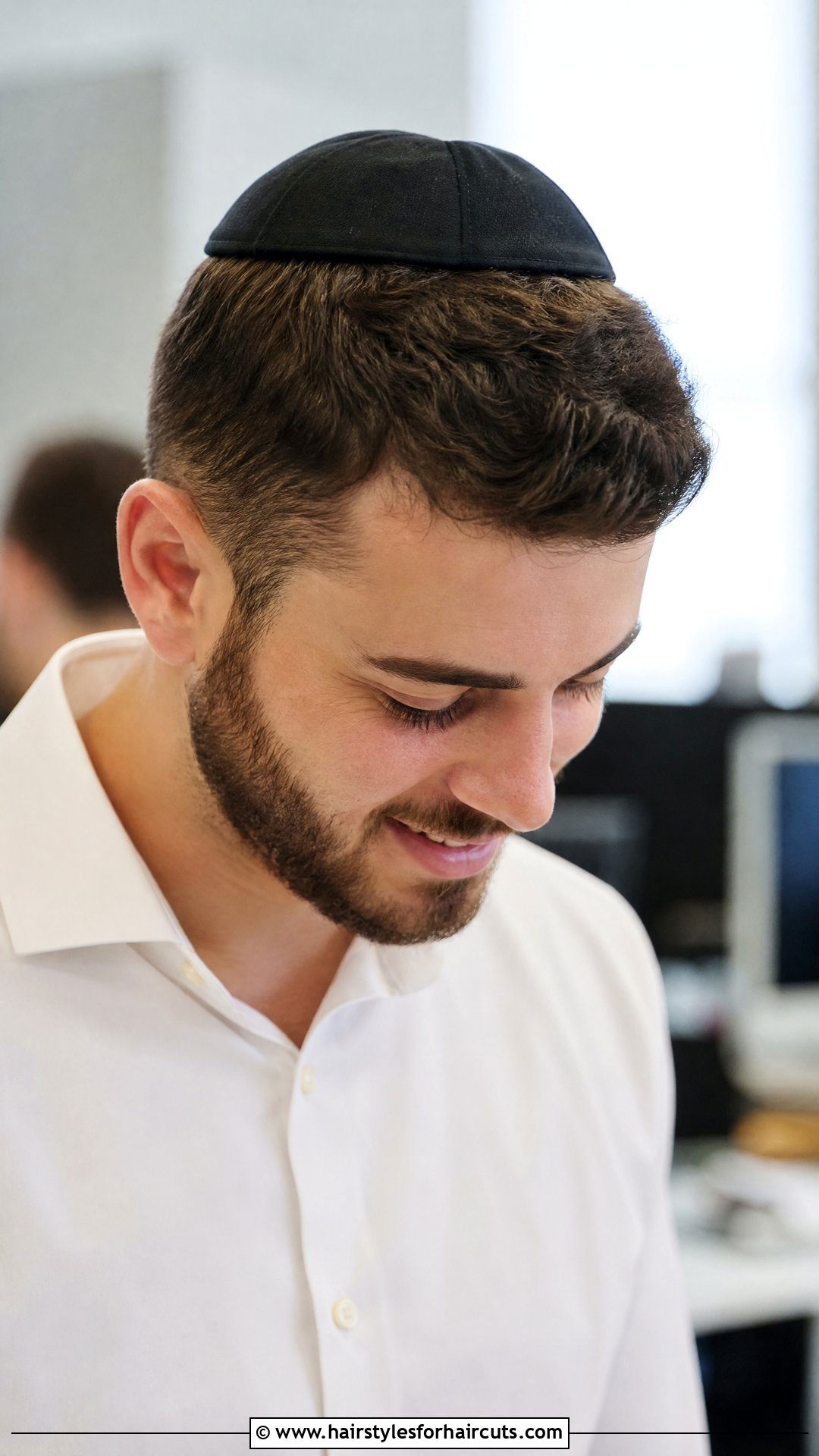
Looking for a simple, dignified look that clearly reflects your faith? The yarmulke and short hair combination is the most widespread and recognizable hairstyle among Orthodox Jewish men and boys. The yarmulke, also known as a kippah, is a small brimless cap worn on the crown of the head to constantly remind the wearer of God’s presence above. Men pair this with neatly trimmed, short hair. The haircut is usually conservative and tidy, often a classic taper or a neat crew cut. This clean and straightforward appearance is favored by Modern Orthodox, Litvishe, and many Sephardic communities. It projects an image of respect, humility, and devotion, making it a timeless choice that perfectly balances religious obligation with everyday practicality.
24. Jewish Woman Tichel And Headband Wrap

Searching for a comfortable, secure head covering that stays put all day? The tichel and headband wrap is a clever styling method that combines the beauty of a scarf with the security of a headband. Women begin by placing a stretchy headband over their hairline, then drape a large tichel over the rest of their head. The scarf is then tied at the nape of the neck or wrapped back over the headband. The headband serves a dual purpose: it prevents the scarf from slipping backward, and it adds a lovely, defined border at the front. This technique is incredibly comfortable and stays secure even during active days, offering a reliable and chic way to maintain full, modest hair coverage effortlessly.
25. Orthodox Jewish Woman Human Hair Sheitel

Investing in a high-quality wig that looks completely indistinguishable from natural hair? The human hair sheitel is the pinnacle of realistic and luxurious hair covering for Orthodox Jewish women. Crafted from 100% premium human hair, these wigs offer unparalleled movement, shine, and styling versatility. Women can wash, blow-dry, curl, and even color a human hair sheitel exactly like their own biological hair. The caps are designed with advanced lace fronts and multi-directional partings, making the hairline look flawlessly natural. While they require more maintenance and are a significant investment, the result is breathtaking. A beautifully styled human hair sheitel allows a woman to step out with absolute confidence, knowing she looks stunning while strictly adhering to her cherished religious traditions.
Conclusion:
Exploring these 25 jewish hairstyles reveals the incredible diversity and depth within Jewish culture and religious practice. From the elegant sheitel and creative tichel wraps to the deeply meaningful payot and beautiful bridal styles, each look tells a story of faith, identity, and tradition. These hairstyles are far more than just fashion statements. They are daily acts of devotion and powerful symbols of belonging to a rich, ancient heritage. Whether you prefer the practical ease of a snood, the dramatic volume of a layered wrap, or the neat tradition of trimmed sidelocks, there is a style that fits your life. Embracing these looks allows you to express your personal style while staying true to your core values and community.

Leave a Reply