
Have you ever wondered how the people of the Middle Ages styled their hair? History offers a wealth of inspiration for modern looks. Exploring 25 medieval hairstyles reveals a fascinating mix of intricate braids, elegant updos, and flowing locks that still resonate today. Whether you are dressing up for a themed event, a renaissance fair, or just want a unique everyday look, these historical styles offer something truly special. Back then, hair was a symbol of status and virtue, leading to a wide variety of creative designs. From simple peasant braids to royal updos adorned with ribbons, the creativity was endless. Let us dive into these timeless and iconic hair looks that shaped an era.

1. Medieval Braided Crown Updo

Want to feel like royalty without too much fuss? The medieval braided crown updo is a stunning choice. This look features two braids wrapped around the top of the head, meeting at the back to form a seamless crown. It creates a regal and polished appearance that works beautifully for long hair. Women in the Middle Ages often wore this style to keep their hair clean and out of the way. Today, it is perfect for weddings or outdoor festivals. You can easily secure the braids with bobby pins. Adding small flowers or greenery gives it a romantic touch. This timeless updo highlights your facial features while keeping the style elegant and secure all day long.
2. Half Up Half Down Medieval Braids

Looking for a style that combines romance and ease? Half up half down medieval braids offer the best of both worlds. This style involves taking sections of hair from the temples, braiding them, and tying them together at the back. The rest of the hair flows freely down the shoulders. It was a popular choice among women of all classes during the Middle Ages because it was practical yet beautiful. The loose hair can be straight or wavy, adding to the soft feel. You can weave a thin ribbon through the braids for an authentic historical touch. It frames the face nicely and works well for medium to thick hair. This look is effortlessly charming.
3. Viking Inspired Medieval Undercut

Ready to channel your inner warrior? The Viking inspired medieval undercut is a bold and striking look. This style features long hair on top that is often pulled back into braids or a knot, while the sides and back are shaved short. It reflects the fierce spirit of the Norse people who lived during the medieval period. This look is incredibly low maintenance and keeps you cool during warm weather. The contrast between the long braids and the shaved sides creates a sharp, edgy profile. You can style the top section into a single long braid or multiple smaller ones. It is a powerful statement cut for anyone wanting a strong historical vibe.
4. Loose Medieval Curls With Ribbon

Do you prefer a softer, more romantic aesthetic? Loose medieval curls with ribbon deliver an angelic and gentle vibe. This look centers on natural, flowing curls that cascade down the back. A simple ribbon is woven through the top section of the hair or tied around the head like a headband. During the Middle Ages, unmarried women often wore their hair loose to signify their status. The ribbon adds a pop of color and keeps the hair out of the eyes. You can use a curling iron to achieve smooth waves or let your natural texture shine. It is a very feminine style that requires minimal effort but looks absolutely breathtaking.
5. Double Dutch Braids Medieval

Need a sturdy style that stays put all day? Double Dutch braids medieval style are both practical and visually appealing. This look divides the hair down the middle and creates two raised braids that hang down the back. It was a common choice for working women in the medieval era because it kept hair secure while doing daily chores. The thick, textured braids add volume and interest to the overall look. You can pull a few pieces out around the face for a softer feel. This style works exceptionally well on second or third day hair. It is a fantastic option for anyone wanting a durable, classic braid style with historical roots.
6. Medieval Fishtail Braid Hairstyle
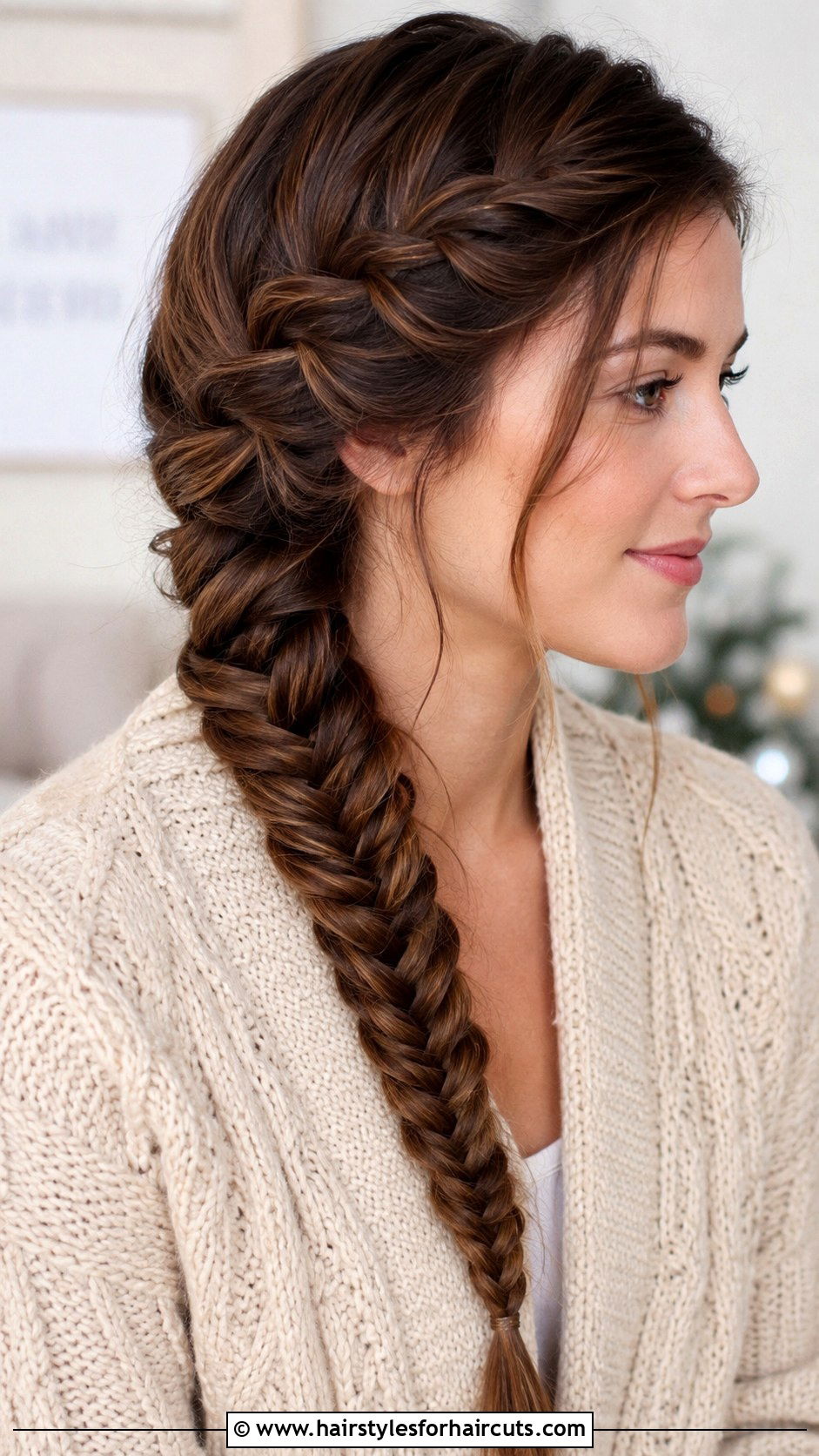
Want a braid that looks complex but is surprisingly simple? The medieval fishtail braid hairstyle is a gorgeous option. Unlike traditional three strand braids, the fishtail uses only two sections of hair woven together. This creates a delicate, intricate pattern that looks like woven fabric. In the Middle Ages, this style was often seen on women with very long hair. It gives a rich, textured appearance that stands out. You can wear it down the back or sweep it over one shoulder for a relaxed feel. Pulling the edges slightly makes the braid look thicker and more romantic. It is a perfect style for casual outings or historical events.
7. Simple Medieval Low Bun

Searching for an elegant updo that is not too complicated? The simple medieval low bun is a classic choice that never goes out of style. This look gathers all the hair at the nape of the neck and twists it into a smooth, round bun. It was a staple for married women in the Middle Ages, as it was proper and kept hair tidy. The low placement elongates the neck and highlights the collarbone. You can secure it with hairpins or a simple ribbon. Leaving a few face framing pieces out softens the overall look. This versatile style transitions effortlessly from a casual day out to a formal evening gathering.
8. Medieval Hair With Wimple

Curious about authentic religious headwear from the past? Medieval hair with wimple offers a unique historical perspective. A wimple is a piece of cloth worn over the head and around the neck, leaving only the face exposed. During the Middle Ages, married women and nuns wore wimples to show modesty and respect. The hair underneath is usually braided or tied in a low bun to keep the fabric smooth. This style completely protects the hair from the elements. Today, it is a popular choice for historical reenactments and stage performances. The white cloth creates a striking, pure contrast against any hair color. It is a fascinating look that captures true medieval life.
9. Long Medieval Hair With Circlet

Want to feel like a queen straight out of a storybook? Long medieval hair with circlet is the ultimate symbol of nobility. A circlet is a metal crown or band that sits on top of the head, usually over loose hair. This style allows long hair to flow freely down the back while the circlet adds sparkle and structure. It was reserved for royalty and high born ladies during the medieval period. The metal band keeps the hair out of the eyes without needing pins. You can wear the hair straight or add gentle waves for more volume. This is a breathtaking look for formal events and fantasy themed occasions.
10. Medieval Braided Ponytail

Tired of the same old everyday ponytail? The medieval braided ponytail adds a fun historical twist to a basic style. This look gathers the hair at the back of the head but incorporates a thick braid into the ponytail. It was a practical way for medieval women to manage long hair while still looking stylish. The braid adds texture and keeps the hair from tangling during physical activity. You can secure the top with a leather tie or ribbon for an authentic feel. Pulling a few strands loose around the face gives it a softer, romantic vibe. It is a great everyday style that feels fresh and unique.
11. Renaissance Loose Braid Updo

Looking for a relaxed updo with vintage charm? The Renaissance loose braid updo is effortlessly beautiful. This style features a soft, thick braid that is loosely coiled into a bun at the back of the head. Unlike tight, formal updos, this look allows shorter layers and flyaways to escape, creating a romantic feel. Women in the late medieval and Renaissance periods loved this style for its artistic quality. The loose braid adds incredible volume and texture to the hair. You can tuck fresh flowers or decorative pins into the bun for special occasions. It works wonderfully on thick, wavy hair that holds shape well. This updo is truly a work of art.
12. Medieval Peasant Braided Updo

Need a practical style that still looks cute? The medieval peasant braided updo is all about function meeting charm. This look involves two simple braids that are crossed and pinned at the back of the head. It was the standard for working class women who needed their hair completely out of the way for daily labor. There is no need for perfection here; a slightly messy finish adds to the authentic vibe. You can wrap the braids into small buns or just pin them flat. This style is incredibly sturdy and will last through a busy day. It is a humble yet beautiful way to keep long hair secure and tidy.
13. Pageboy Medieval Haircut

Want a short cut with serious historical flair? The pageboy medieval haircut is a striking and bold choice. This style features hair cut straight around the head at jaw level, usually with a blunt cut fringe. In the Middle Ages, young boys and some men wore this cut, and it eventually became popular among women too. The blunt edges create a sharp, clean line that highlights the cheekbones. It requires minimal styling and looks fantastic with naturally straight hair. The heavy fringe keeps the hair out of the eyes perfectly. It is a strong, geometric look that stands out in a crowd and offers a cool vintage vibe.
14. Medieval Center Part With Veil

Looking for an elegant way to cover your hair? The medieval center part with veil is a timeless and graceful look. This style features hair parted straight down the middle, with the sides braided or pinned up, and a sheer veil draped over the head. The veil falls softly over the shoulders and back. It was a highly fashionable style for noblewomen in the High Middle Ages. The center part frames the face symmetrically, while the veil adds an air of mystery and modesty. You can secure the veil with a decorative pin or a simple headband. It is a beautiful option for religious events or historical celebrations.
15. Triple Braided Medieval Updo

Want to try something more complex and eye catching? The triple braided medieval updo is a stunning display of skill. This look divides the hair into three sections, usually two on the sides and one in the back. Each section is braided individually and then woven together into an intricate updo. It creates a rich, textured look that was often worn for festivals and celebrations. The multiple braids add incredible volume and detail to the style. You can use small elastics to hold the braids before pinning them up. It works best on long, thick hair that can support the weight. This updo is a true showstopper.
16. Celtic Knot Medieval Hairstyle

Fascinated by ancient, intricate designs? The Celtic knot medieval hairstyle is a mesmerizing choice. This look uses delicate loops of hair tied into traditional Celtic knot patterns, usually at the back or side of the head. It requires some practice to master the looping technique, but the result is breathtaking. These knots were deeply symbolic in medieval Celtic culture, representing eternity and interconnectedness. You can create a single large knot or several smaller ones along a braid. This style holds up remarkably well without needing many hair pins. It is a unique and artistic way to style medium to long hair. People will definitely ask how you did it.
17. Norman Crossed Braids Style

Ever wonder how the Norman women wore their hair? The Norman crossed braids style offers a fascinating historical glimpse. This look features two long braids that cross over each other at the back of the head. The braids are usually thick and highly textured, wrapping around like a corset. It was a signature look for women in the 11th and 12th centuries. The crossing technique adds a layer of complexity to a basic two braid style. You can tie the ends with ribbons or leather cords for a polished finish. It is a structured, neat style that keeps the hair secure and looks incredibly authentic. It flatters all face shapes nicely.
18. Medieval Chignon With Hairnet

Searching for a refined, mature updo? The medieval chignon with hairnet is incredibly elegant. A chignon is a simple knot or bun worn at the nape of the neck. In the Middle Ages, women often covered this bun with a delicate hairnet made of silk or gold thread. The net kept the style neat and added a touch of luxury. This look is perfect for formal occasions where you want a polished finish. You can find modern versions of hairnets that look very similar to historical ones. The chignon itself is easy to create, and the net instantly elevates the entire look. It is a sophisticated style.
19. Short Medieval Bowl Cut

Ready to embrace a truly historical and quirky look? The short medieval bowl cut is exactly what it sounds like. This haircut features straight bangs and hair cut uniformly around the head, as if a bowl was placed on top. It was widely worn by peasants, monks, and young boys throughout the Middle Ages. While it might seem unconventional today, it has a certain bold, minimalist charm. The blunt edges make the hair look incredibly thick. It requires almost zero styling products, making it very low maintenance. You can modernize it by adding a bit of texture or keeping the back slightly longer. It is a daring, authentic choice.
20. Braided Side Sweep Medieval Hair

Want a romantic style that shows off your length? The braided side sweep medieval hair is very flattering. This look features a large, loose braid that drapes over one shoulder. It starts with a deep side part and sweeps all the hair to one side before braiding. This asymmetrical look was popular because it was easy to create and looked very feminine. The side braid highlights the neck and collarbone on the opposite side. You can pull the braid apart slightly to make it look thicker and more voluminous. Adding a small ribbon or flower makes it perfect for a casual spring day. It is simple yet stunning.
21. Tucked Medieval Roll Updo

Looking for a sleek and secure historical updo? The tucked medieval roll updo is both practical and pretty. This style involves rolling the hair up from the ends and tucking it inward to form a horizontal roll at the back of the head. It creates a very neat, structured look that was favored by married women. The roll sits comfortably at the nape of the neck and can be secured with hairpins. It keeps all the hair completely contained and off the shoulders. You can even hide a decorative comb or fresh flowers inside the roll. It works best on medium to long hair and provides a very polished, refined appearance.
22. Medieval High Ponytail Braid

Need a sporty yet historical style? The medieval high ponytail braid brings energy and fun. This look pulls all the hair up high on the crown and secures it into a single, long braid. It is a more youthful style that was often seen on younger women and girls. The high placement keeps the hair completely out of the way for work or physical activity. It also gives the face an instant lift. You can wrap a small section of hair around the hair tie to hide it for a cleaner look. The long braid swinging behind you adds great movement. It is a lively and practical everyday style.
23. Twisted Half Up Medieval Hair

Want an easy alternative to braiding? Twisted half up medieval hair is quick and beautiful. This look takes two sections of hair from the front, twists them gently, and pins them at the back. It creates a soft, romantic frame around the face without the time commitment of a full braid. The rest of the hair remains loose and flowing. It was a common everyday style for women in the Middle Ages who wanted a simple but neat look. You can twist the sections tightly for a sleek finish or loosely for a relaxed vibe. Adding a small clip or pin at the back finishes it perfectly.
24. Medieval English Braid Style

Looking for a classic, no nonsense braid? The medieval English braid style is the ultimate basic. This is a simple three strand braid that starts at the nape of the neck and hangs straight down the back. It was the most common way for women of all classes to secure their hair during the Middle Ages. The style is incredibly reliable and keeps hair tangle free. You can tie it off with a simple ribbon or a leather cord. It is perfect for those days when you want your hair completely out of the way. The simple braid showcases your natural hair color and texture beautifully. It never goes out of style.
25. Flowing Medieval Hair With Headband

Crave a simple, bohemian look? Flowing medieval hair with headband is effortlessly chic. This style features long, loose hair worn down, held back by a simple band across the forehead. It was typical for young, unmarried women in the medieval period to wear their hair this way. The headband keeps the hair out of the eyes while allowing the length to shine. You can use a metal circlet, a leather strap, or a woven fabric band. The contrast between the structured band and the free flowing hair looks fantastic. It is a very natural and easygoing style that requires minimal effort. This look celebrates natural beauty.
Conclusion:
Exploring these 25 medieval hairstyles proves that history is full of incredible hair inspiration. From simple braided updos to striking undercuts and elegant veils, the Middle Ages offered a vast array of styles. You can easily adapt these historical looks for modern life, whether you need a sturdy braid for work or an elegant updo for a special event. Trying out these styles connects you to the past in a fun and creative way. Do not be afraid to experiment with ribbons, circlets, or hairnets to make the look your own. Historical hair is all about creativity and practicality. Find the style that makes you feel confident and enjoy your beautiful medieval makeover.

Leave a Reply