
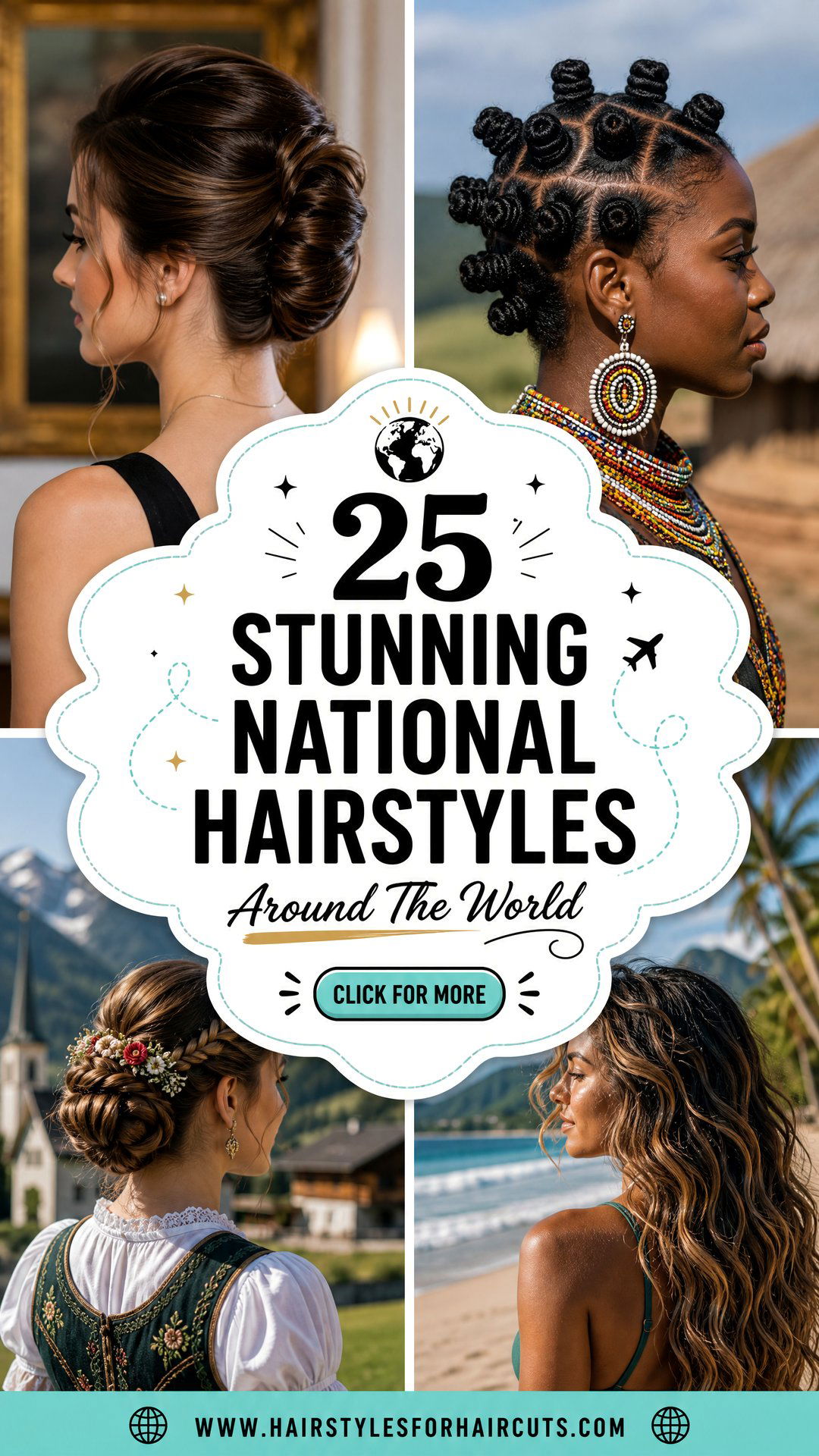
Have you ever wondered how hair can tell the story of a country’s rich history and cultural heritage? Exploring 25 national hairstyles reveals the fascinating ways different cultures celebrate beauty, status, and tradition through their iconic hair looks. From intricate braids passed down through generations to elegant updos that define classic sophistication, these styles are much more than simple fashion statements. They represent the heart and soul of nations across the globe. Whether you are looking for a bold cultural inspiration or simply want to appreciate the artistry behind these traditional cuts and styles, this comprehensive guide will take you on a visually stunning journey. Discover how historical techniques continue to influence modern hair trends today.
1. French Twist Updo

Picture yourself walking along the Seine, exuding an aura of timeless elegance. The French twist updo is the ultimate symbol of Parisian chic, offering a sleek and sophisticated silhouette that works beautifully for formal events or a refined everyday look. This iconic national hairstyle features hair gathered at the nape and elegantly twisted upward, secured with pins to create a seamless vertical roll. It frames the face gracefully, highlighting the cheekbones and neck. Women around the world adore this style for its ability to transform any texture into a polished masterpiece. Whether paired with a tailored blazer or an evening gown, the French twist delivers an effortlessly glamorous finish that never goes out of fashion.
2. Traditional Japanese Shimada
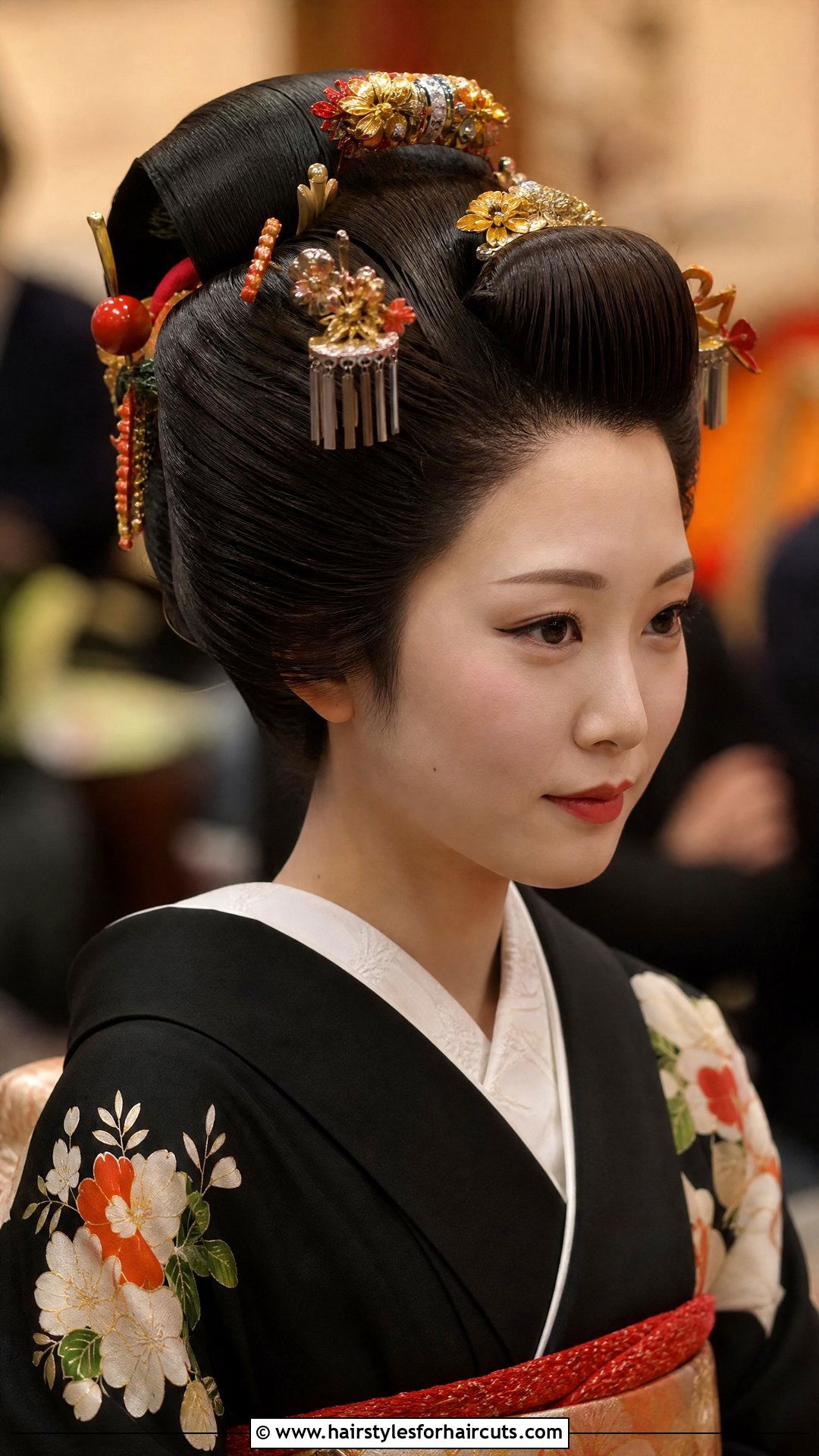
What makes a geisha’s silhouette so instantly recognizable? The traditional Japanese Shimada is a breathtaking cultural hairstyle that has captivated the world for centuries. Characterized by a large, elaborately shaped chignon positioned at the crown or nape, this striking updo was historically worn by geisha and brides. The hair is meticulously sculpted, often using wax to maintain its pristine form, and adorned with delicate kanzashi hair sticks and seasonal ornaments. The shape of the bun varies, with the Taka Shimada featuring a high, prominent crest and the Tsubushi Shimada offering a flatter, more subdued silhouette. This look perfectly frames the traditional kimono, creating a harmonious balance of grace and precision. It remains a profound expression of Japanese heritage and artistic dedication.
3. Classic Indian Long Braid

Imagine stepping into a vibrant celebration filled with color and joyous music. The classic Indian long braid is a stunning national hairstyle deeply rooted in tradition and femininity. Indian women are renowned for their thick, lustrous hair, which is often grown very long and woven into a tight, perfect braid ending just below the waist. This look is frequently adorned with fragrant jasmine flowers, gold ornaments, or colorful ribbons, especially during weddings and festivals. The braid not only keeps the hair manageable in the tropical climate but also serves as a canvas for cultural expression. It beautifully showcases the health and vitality of the hair. This traditional style continues to be a beloved symbol of elegance and cultural pride across the country.
4. Zulu Crown Knots

Feel the powerful rhythm of ancestral drums echoing through the hills. Zulu crown knots are a majestic and deeply meaningful national hairstyle originating from South Africa. This striking look features sections of hair twisted and coiled into distinct, prominent knots that sit proudly on top of the head. Historically, these knots communicated marital status, age, and clan affiliation within the Zulu nation. The sculptural nature of the knots makes them a true work of art, celebrating natural texture and strength. Modern iterations often blend this traditional technique with contemporary fades or undercuts for a bold, edgy aesthetic. Whether worn in their pure form or updated with modern flair, Zulu crown knots command respect and admiration wherever they go.
5. Dutch Crown Braid
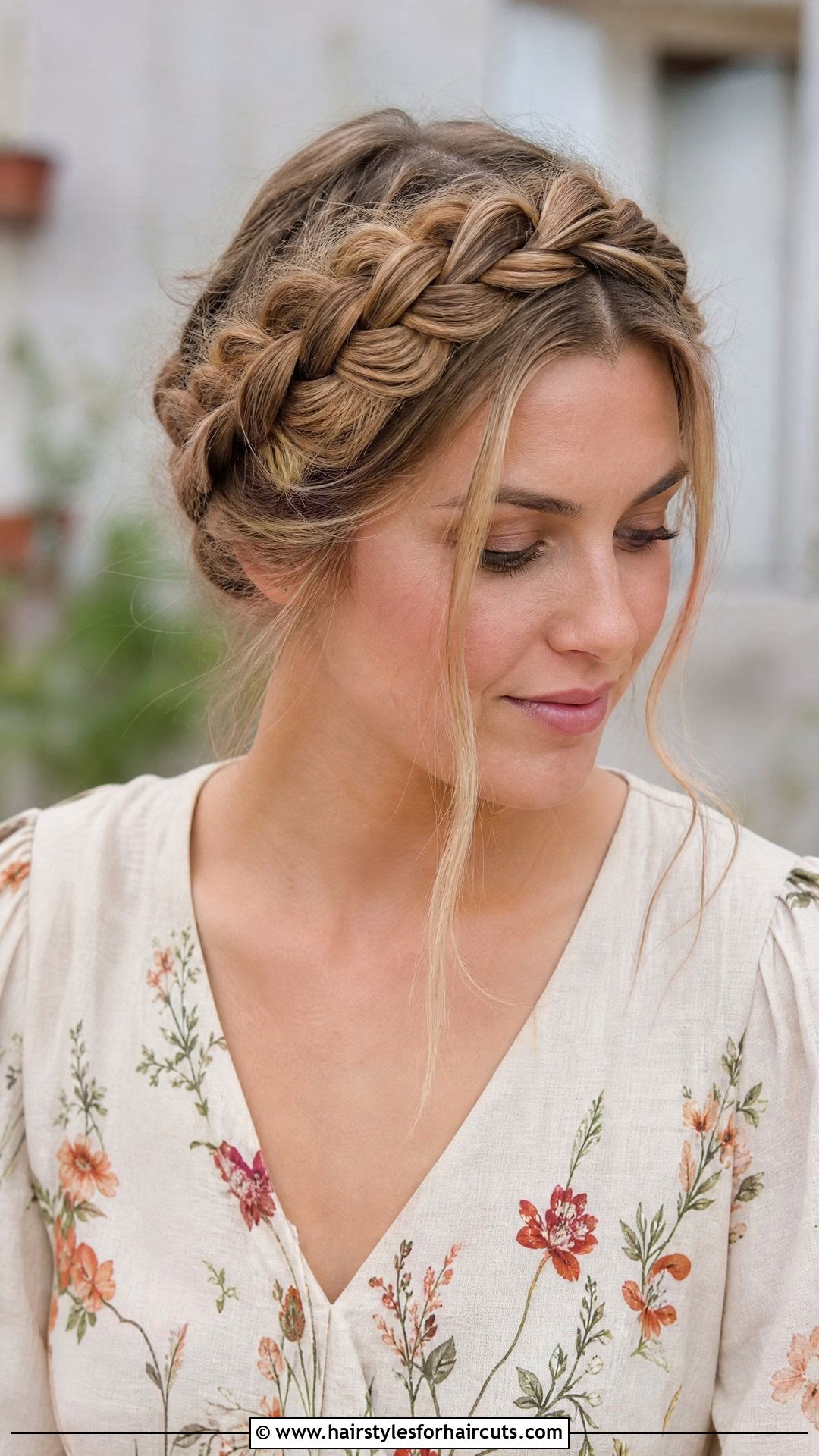
Can a hairstyle double as a practical solution and a beautiful crown? The Dutch crown braid proves that it absolutely can. This iconic Dutch national hairstyle involves weaving hair using an underhand technique, which makes the braid pop out prominently from the scalp, creating a stunning three-dimensional effect. The braid is then wrapped entirely around the head like a natural halo. Originating as a practical way to keep hair secure during daily chores in the Netherlands, it has evolved into a globally beloved look. It keeps hair neatly tucked away while looking incredibly romantic and polished. The Dutch braid is perfect for outdoor festivals, casual outings, or even elegant occasions. It adds a touch of regal charm to any modern wardrobe effortlessly.
6. Viking Warrior Braid

Channel the fierce spirit of ancient Norse explorers with the Viking warrior braid. This powerful national hairstyle draws inspiration from the rugged warriors of Scandinavia, combining shaved or closely cropped sides with long, intricately woven braids on top. The look is bold, masculine, and deeply connected to a history of strength and survival. Warriors often wore these braids to keep hair out of their faces during battle, but the intricate patterns also signified their status and bravery. Today, this style has surged in popularity, offering a rugged yet meticulously groomed aesthetic. It pairs perfectly with a full beard and modern streetwear. The Viking warrior braid is a striking choice for anyone wanting a fierce and unforgettable personal style.
7. Mexican Low Chignon
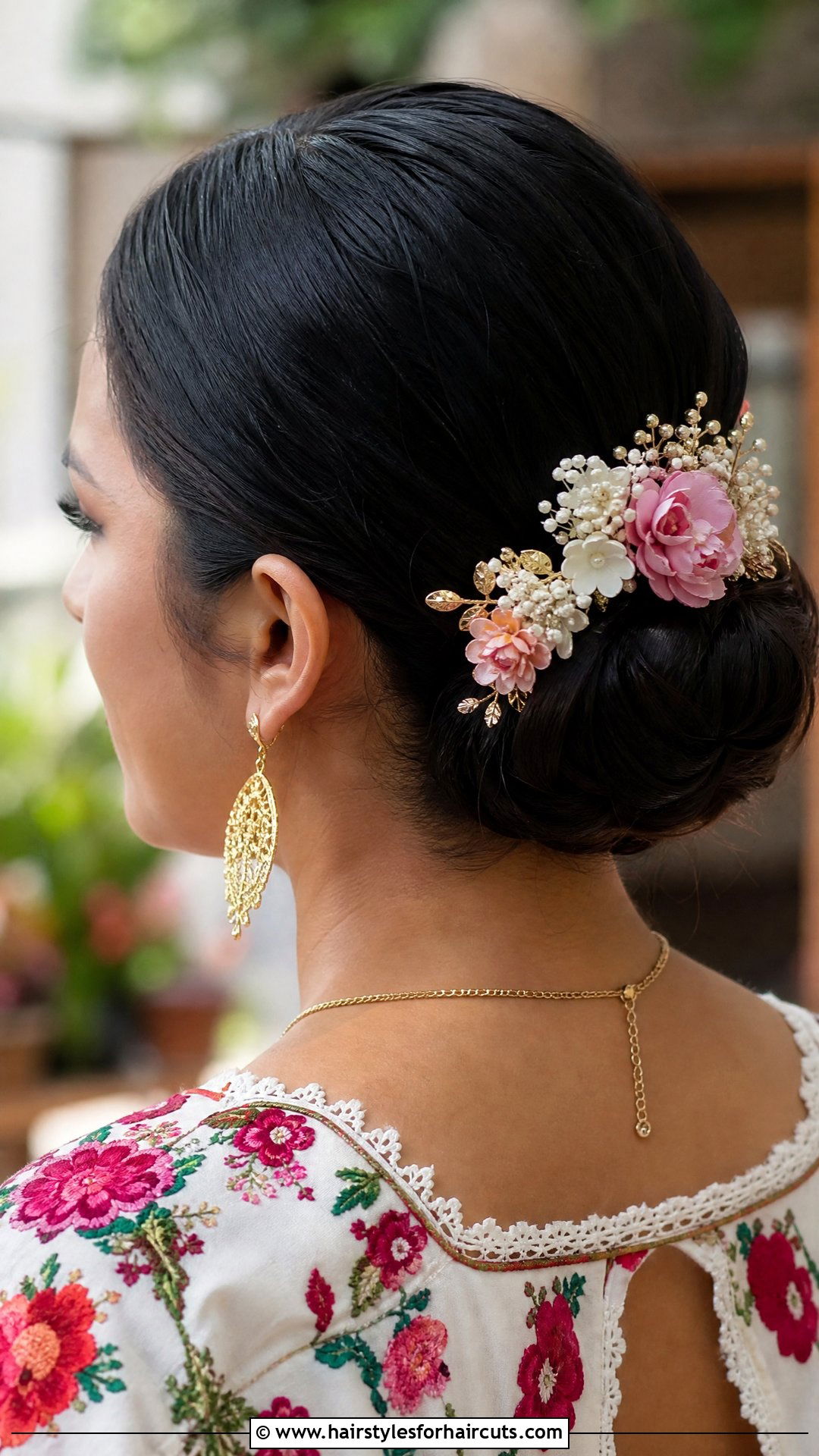
Picture the vibrant elegance of a traditional fiesta under the warm sun. The Mexican low chignon is a graceful and refined national hairstyle that beautifully captures the essence of Mexican femininity. This look features the hair pulled back smoothly and twisted into a soft, rounded bun at the nape of the neck. It is frequently accompanied by a high, dramatic center part that frames the face flawlessly. During cultural celebrations, this simple yet stunning chignon becomes a canvas for spectacular accessories like large, colorful floral combs or ribbons woven directly into the bun. The overall effect is incredibly romantic and sophisticated. It complements traditional dresses perfectly while offering a timeless option for modern women seeking classic beauty.
8. Greek Goddess Curls
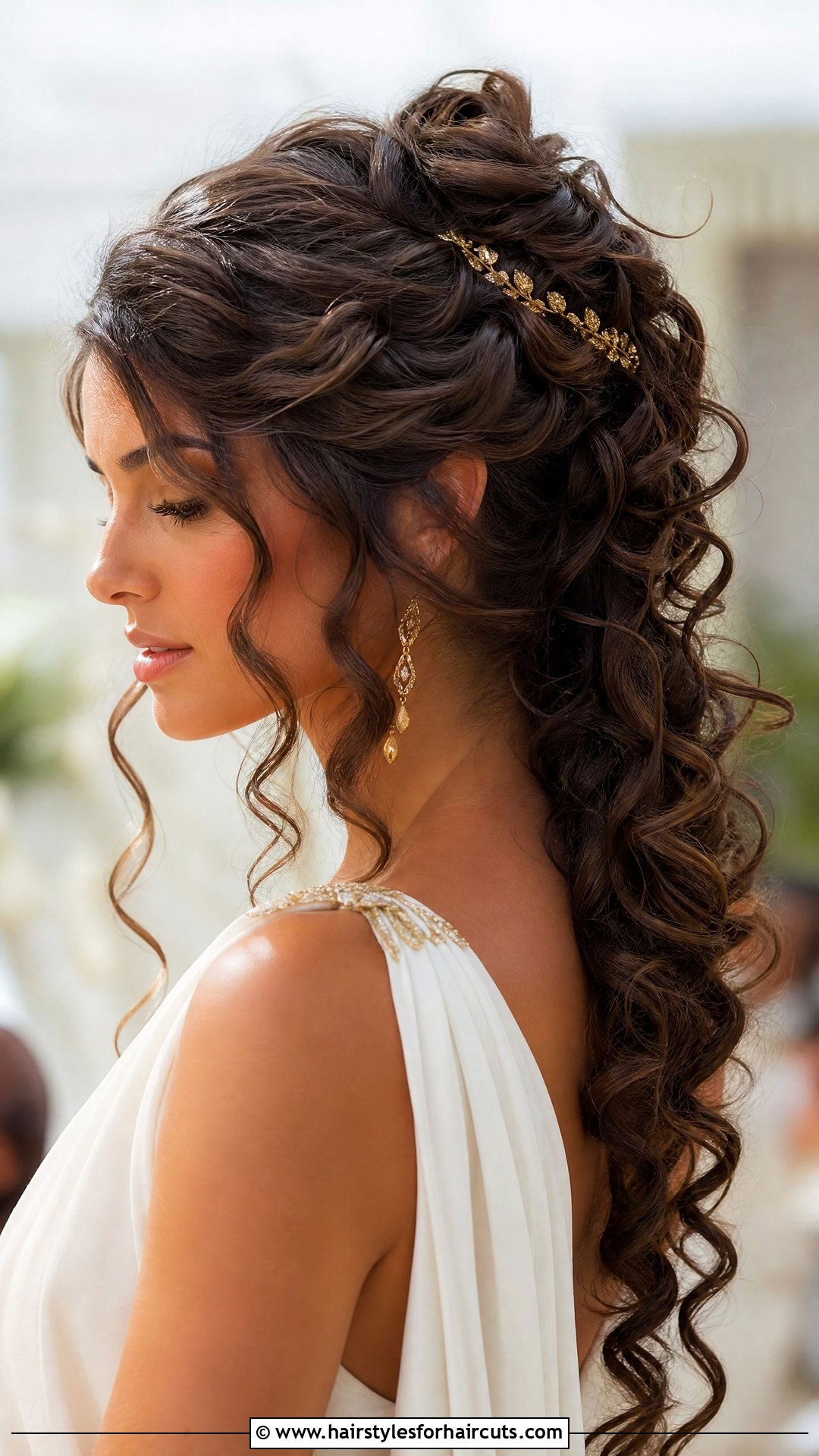
Step into the realm of Mount Olympus with the breathtaking Greek goddess curls. This legendary national hairstyle is characterized by voluminous, cascading curls that are often pinned back loosely from the face, creating a soft and ethereal halo effect. Ancient Greek women used heated tongs and olisbos to achieve these iconic ringlets, symbolizing wealth, status, and divine beauty. The curls are typically parted in the center and allowed to flow freely down the back and shoulders. Small braids or gold hairpieces are sometimes woven through the curls to add extra opulence. This look remains a go-to choice for formal events, bridal styling, and red carpets. It delivers an undeniable aura of timeless romance and powerful feminine grace.
9. Scottish Celtic Knot
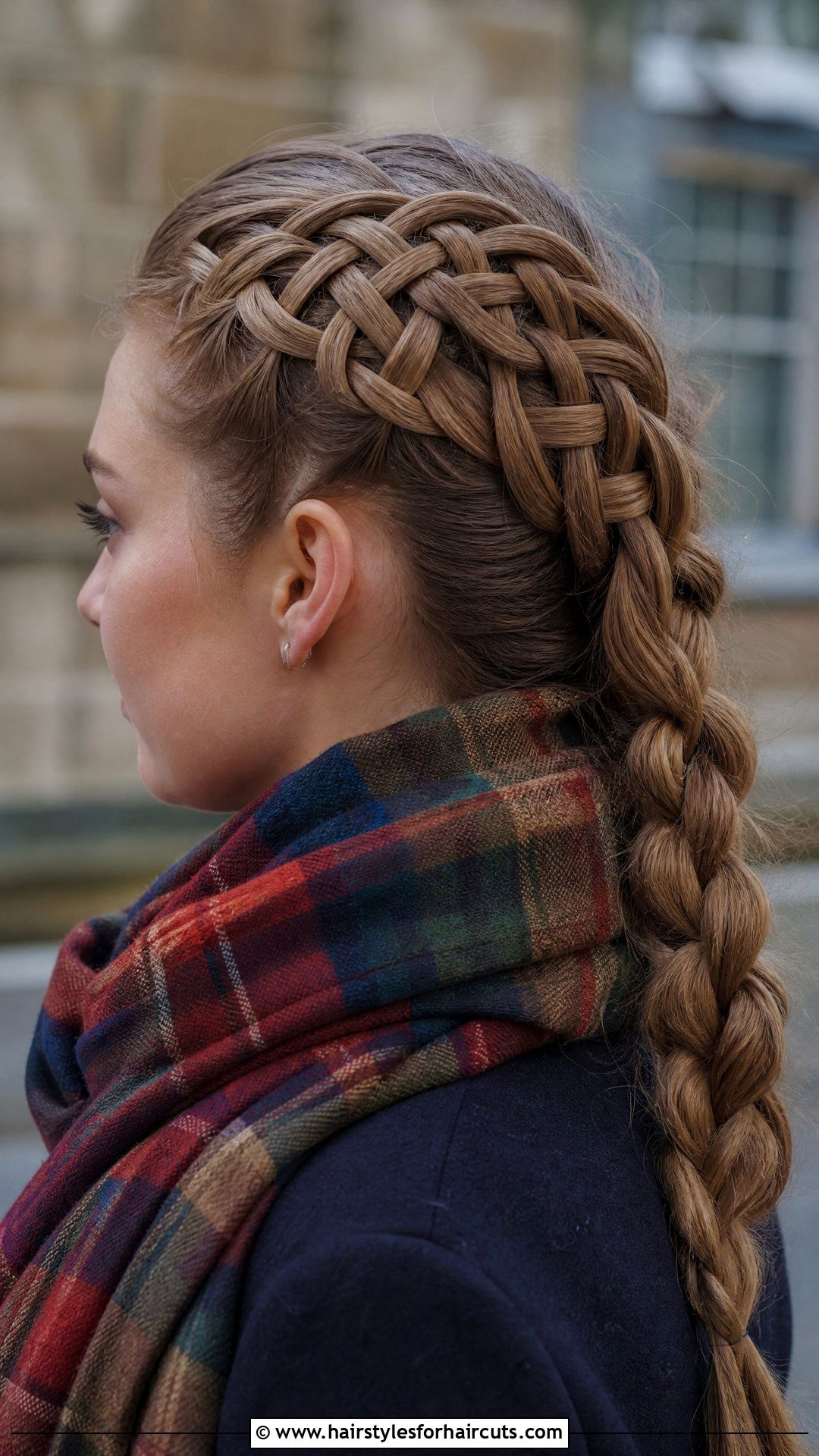
How do you wear your heritage with pride? The Scottish Celtic knot hairstyle is a beautiful tribute to ancient Celtic traditions, featuring intricately woven braids that form continuous, looping patterns. This national hairstyle reflects the iconic interlace designs found in ancient Scottish stone crosses and illuminated manuscripts. The hair is carefully sectioned and plaited into complex knots that sit close to the scalp or form an elegant updo. It requires patience and skill to create these seamless, woven textures that symbolize eternity and interconnectedness. Modern versions often pair these knotwork braids with loose, flowing waves for a softer finish. It is a deeply meaningful way to celebrate Scottish ancestry while sporting a truly unique and captivating hair design.
10. Chinese Hime Cut

Discover the striking precision of the Chinese Hime cut, a look that exudes princess-like charm and modern sophistication. The term translates to princess, and this national hairstyle lives up to its name with a highly structured silhouette. It features straight, cheek-length side panels that frame the face, while the back remains long and untouched, creating a beautiful contrast in lengths. Originally popularized by noblewomen, the style accentuates the eyes and cheekbones beautifully. The sharp, blunt lines require incredibly precise cutting techniques to maintain the distinct shape. It looks phenomenal with sleek, jet-black hair but also works wonderfully with subtle highlights. The Hime cut offers an effortlessly chic appearance that seamlessly blends historical elegance with contemporary urban fashion.
11. Russian Village Braid
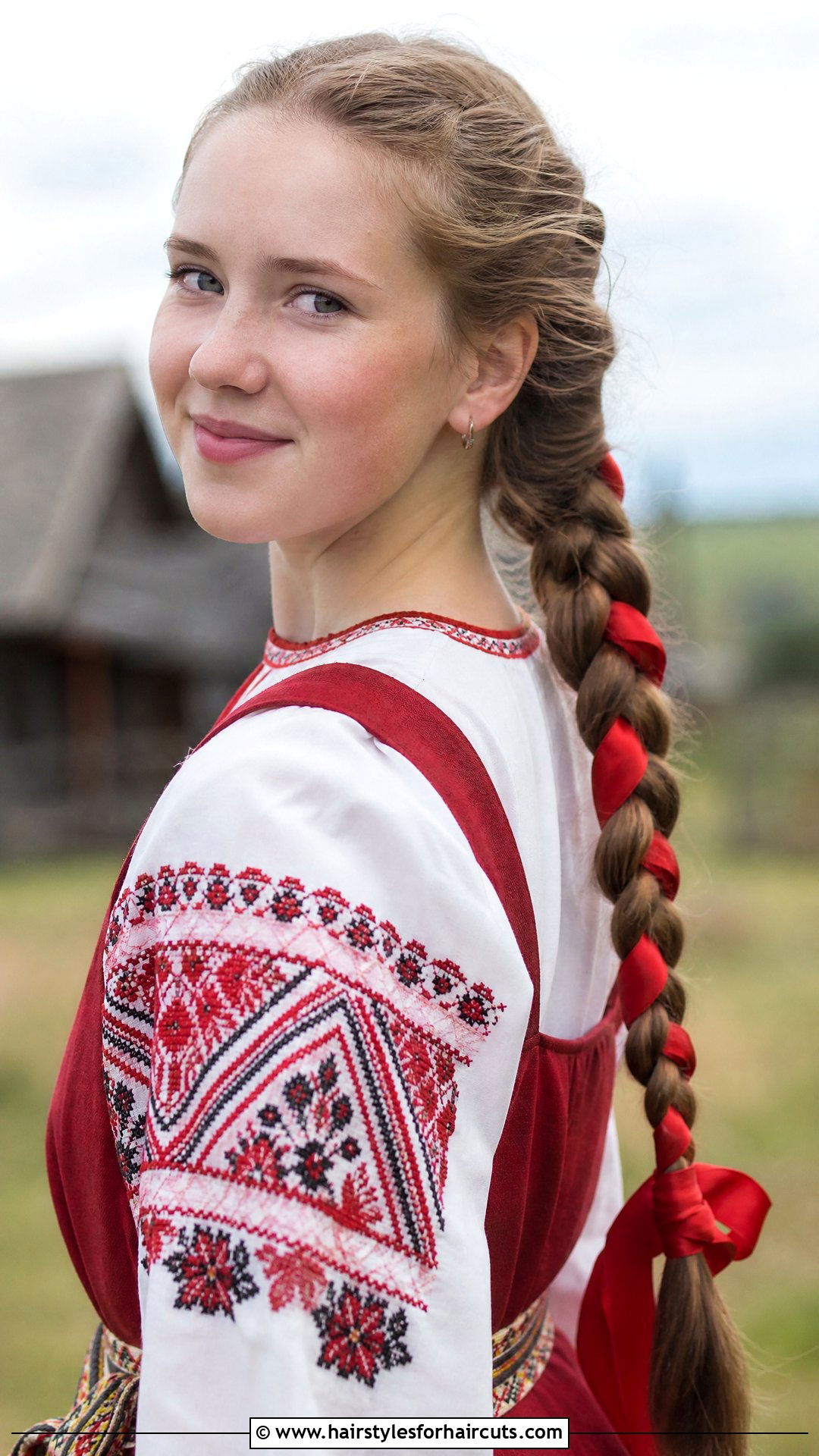
Experience the wholesome beauty of the Russian village braid, a national hairstyle steeped in folklore and rural tradition. In ancient Russia, a single long braid was the hallmark of an unmarried woman, symbolizing her youth and vitality. This style involves brushing the hair back smoothly and weaving it into a thick, flawless plait that hangs down the back. The braid was often tied with a traditional red ribbon, which was believed to offer protection and bring good fortune. The thicker the braid, the more it was admired as a sign of health and beauty. Today, this simple yet profound hairstyle evokes a sense of nostalgic charm and natural elegance. It remains a beautiful representation of traditional Russian life.
12. Native American Double Braid
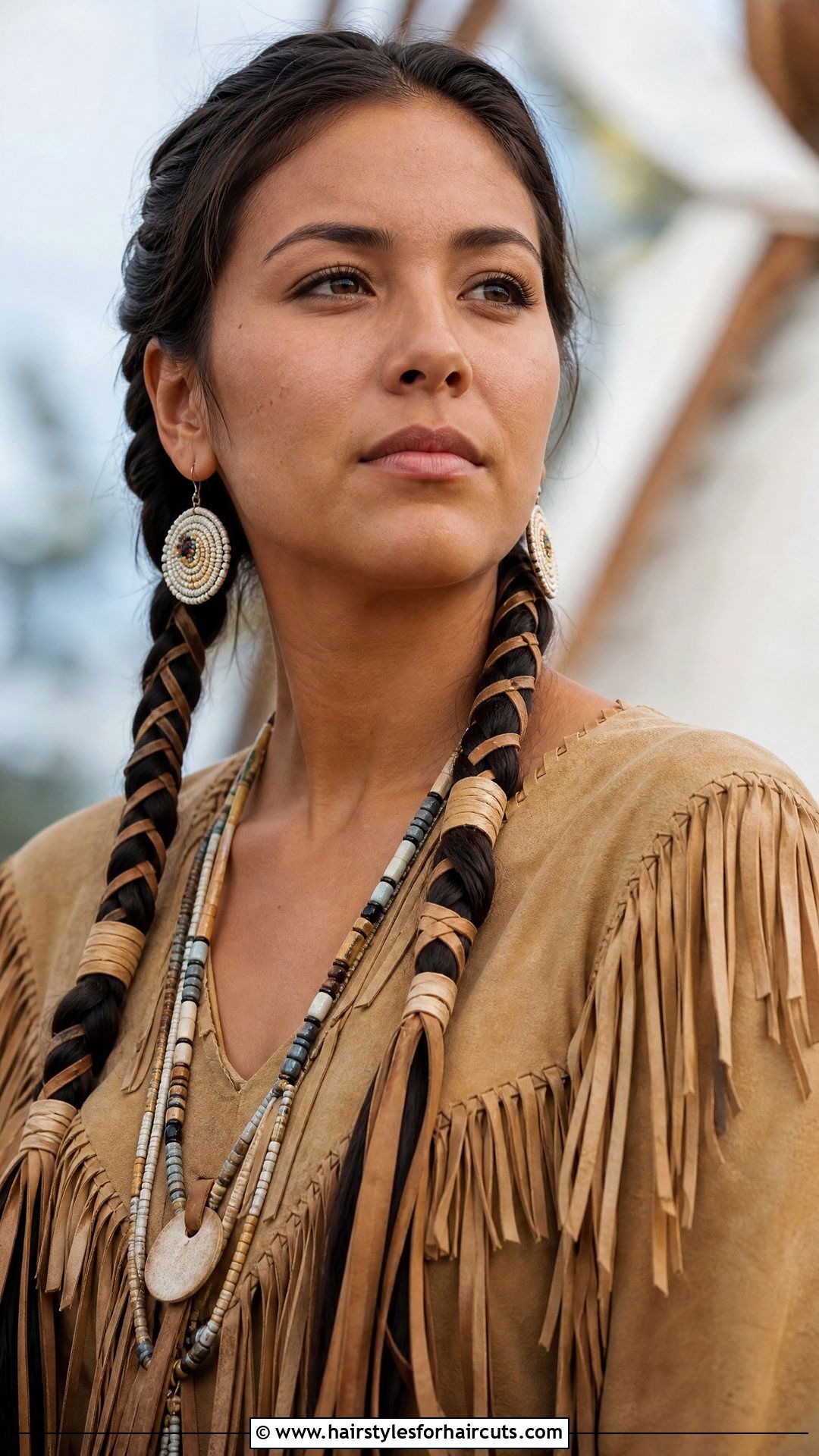
Feel the deep connection to the earth with the Native American double braid. This respectful and traditional national hairstyle features hair parted directly down the middle and braided into two equal plaits on either side of the head. For many Indigenous tribes, hair is considered sacred, acting as an extension of the spirit and a connection to the creator. The double braids are often worn loose or tied with leather wraps, beads, and feathers during ceremonies. The style is practical for the natural environment but holds profound spiritual significance, representing harmony and balance. Wearing the hair in this manner honors a rich lineage of wisdom and respect for nature. It is a powerful statement of identity and enduring cultural heritage.
13. Spanish Flamenco Bun

Hear the rhythmic clicking of castanets and the swish of a ruffled skirt. The Spanish flamenco bun is a passionate and dramatic national hairstyle that perfectly captures the fiery spirit of Spain. Known locally as the moño, this tight, robust bun sits securely at the back of the head or slightly higher. It is designed to stay perfectly in place during the vigorous movements of flamenco dancing. The hair is slicked back firmly, emphasizing the dancer’s facial expressions and posture. Often adorned with large decorative combs, flamenco flowers, or an ornate mantilla lace, the bun transforms into a spectacular focal point. This look is fiercely elegant and commands attention, making it a stunning choice for performances and special celebrations.
14. German Bavarian Updo
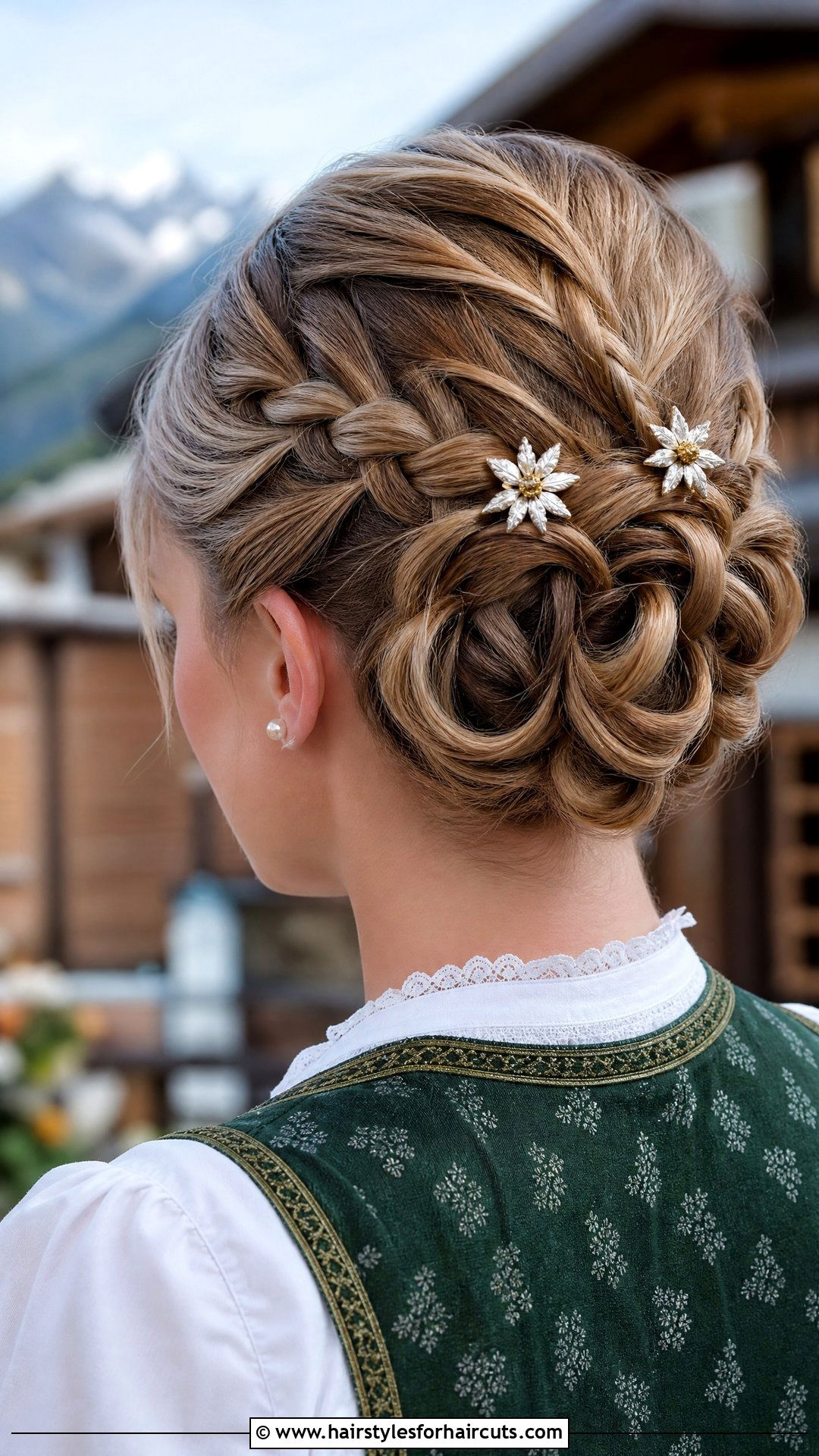
Raise a glass to the charm of the Alps with the traditional German Bavarian updo. This festive national hairstyle is synonymous with Oktoberfest and southern German heritage, offering a look that is both practical and incredibly cute. The hair is typically styled into two looped braids or a braided crown that sits low on the nape, resembling a chignon. This secure style was originally designed to keep hair tidy during laborious farm work but has become a beloved festive look. It is frequently accessorized with a traditional felt hat or delicate Edelweiss flowers pinned to the braids. The updo pairs flawlessly with a dirndl dress, creating a cohesive and joyful aesthetic that celebrates German culture with authentic flair.
15. Brazilian Beach Waves
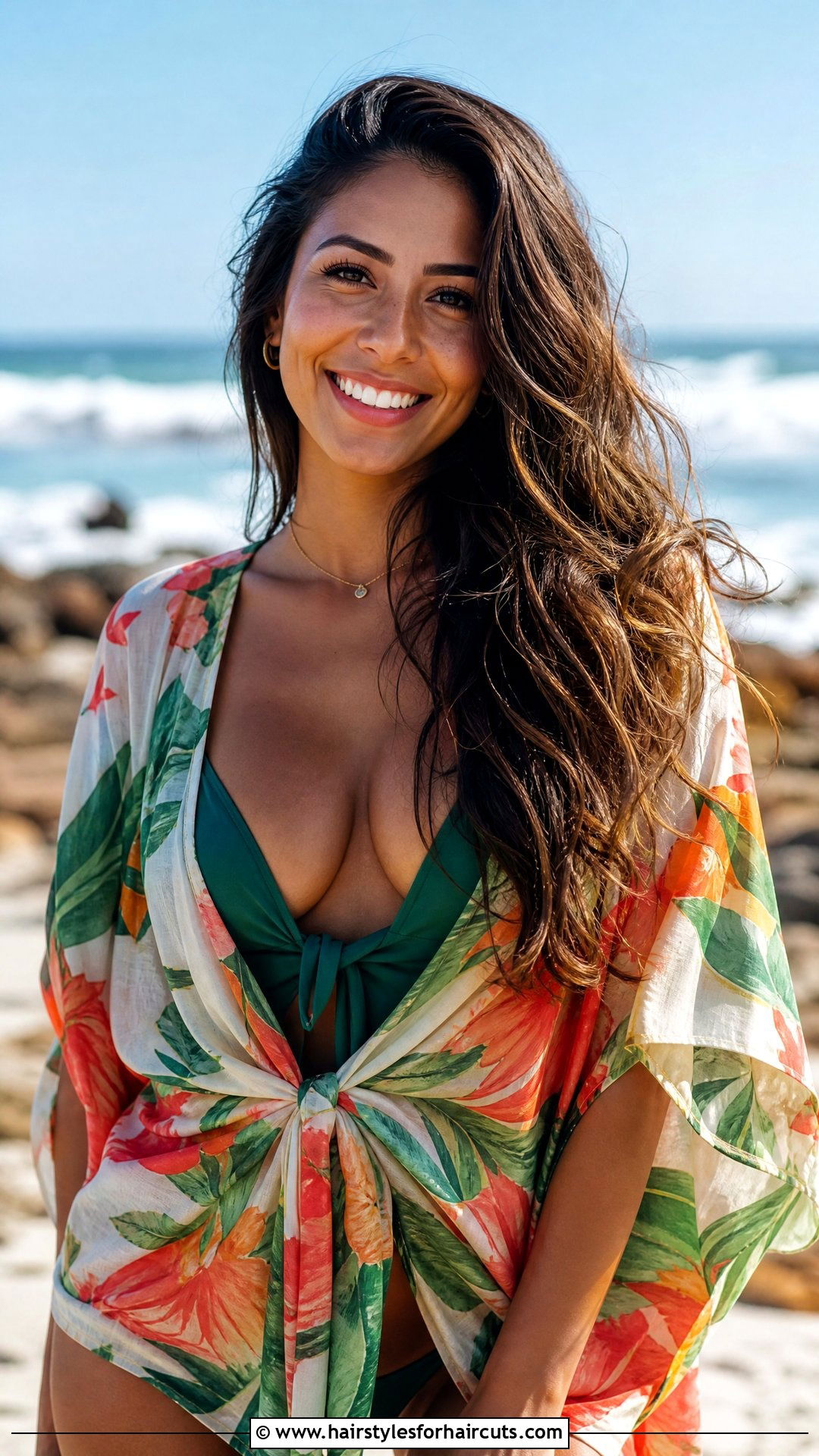
Soak up the sun with the effortlessly stunning Brazilian beach waves. This vibrant national hairstyle captures the energetic and laid-back spirit of Brazil’s famous coastlines. Unlike structured curls, these waves are all about natural movement, volume, and a relaxed texture that looks like you just stepped off the sand in Rio. Brazilian women often embrace their natural hair texture, enhancing it with sea salt sprays or light styling creams to create that signature tousled bounce. The hair is usually parted loosely in the middle, allowing the waves to frame the face naturally. This look radiates health, confidence, and an active lifestyle. It is the ultimate low-maintenance yet glamorous style for anyone wanting a touch of tropical paradise.
16. Egyptian Braided Bob

Travel back to the time of the pharaohs with the iconic Egyptian braided bob. This striking national hairstyle is instantly recognizable, featuring a blunt, chin-length cut adorned with intricate, symmetrical braids. Ancient Egyptian royalty and nobility used this style to signify their high status, often adding gold cuffs, beads, and hair extensions to create a more uniform and opulent look. The sharp, geometric lines of the bob contrast beautifully with the detailed texture of the braids, making it a true work of art. The style frames the face boldly, drawing attention to the eyes and dramatic makeup. It remains a powerful and avant-garde choice today, offering a mesmerizing blend of ancient history and high-fashion editorial appeal.
17. Nigerian Fulani Braid
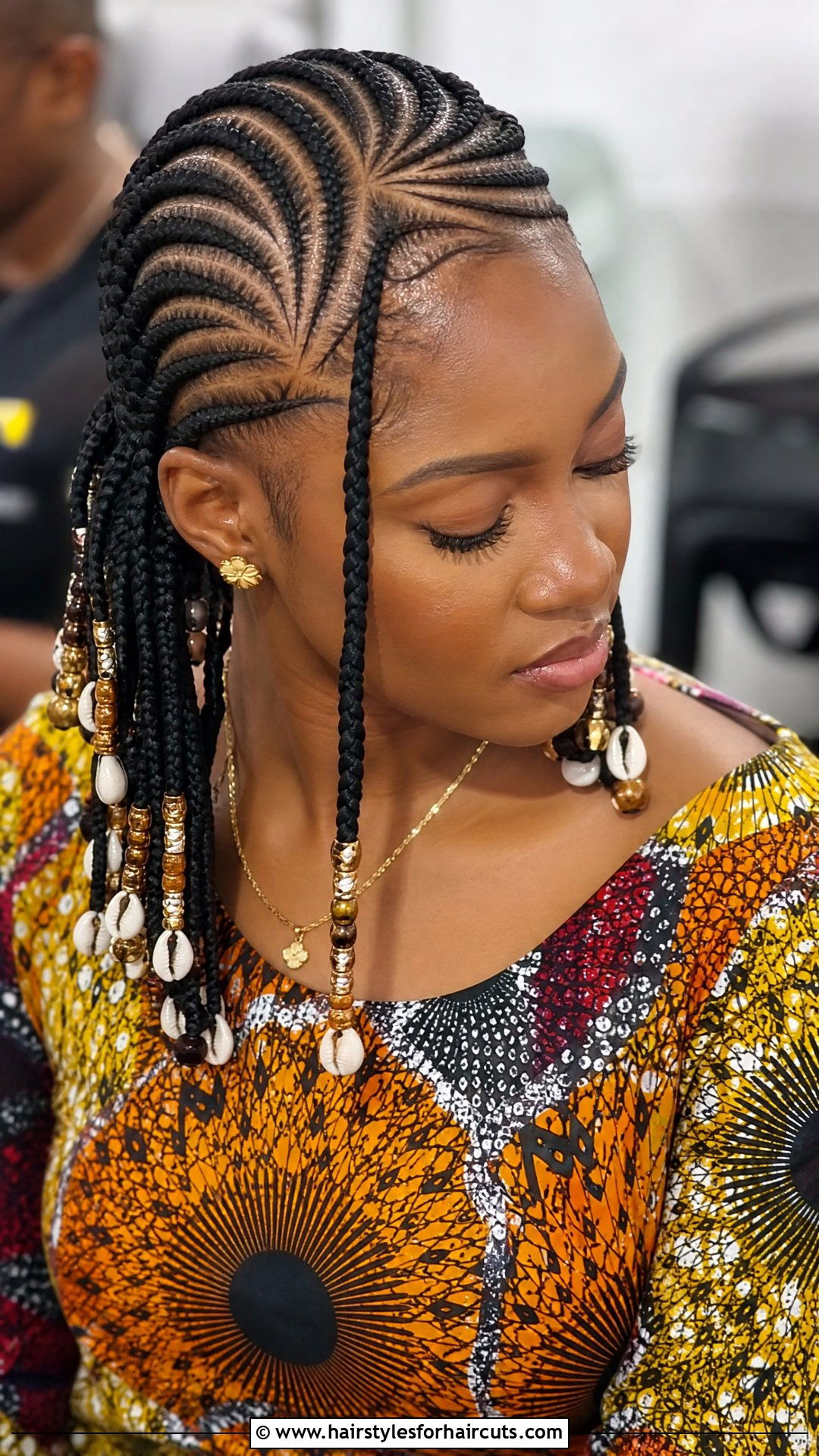
Admire the intricate artistry of the Nigerian Fulani braid, a breathtaking national hairstyle with deep cultural roots. Originating from the Fulani people, this style features a stunning combination of cornrows braided in various directions, often with a central part and side braids curving toward the hairline. The look is instantly recognizable by its signature adornments, including cowrie shells, wooden beads, and silver rings woven seamlessly into the braids. These accessories were historically used to indicate a family’s wealth and social standing. The braids are both practical for the hot climate and profoundly beautiful, protecting the natural hair while allowing for creative expression. This style remains a beloved celebration of African heritage and incredible styling skill worldwide.
18. Korean Hanbok Updo

Embrace the graceful elegance of the Joseon dynasty with the traditional Korean Hanbok updo. This exquisite national hairstyle, known as the Jjokjin-meori, was historically worn by married women of the noble class. It features hair pulled back smoothly and gathered into a low, tight bun at the nape of the neck. A large, decorative hairpin called a binyeo is inserted horizontally through the bun to secure it and add a touch of refined luxury. The style is often accompanied by a small, intricately woven ribbon or an ornamental wig piece. This updo beautifully balances the proportions of the traditional Hanbok dress. It continues to be worn for weddings and holidays, embodying the timeless grace of Korean culture.
19. Polish Crown Braid
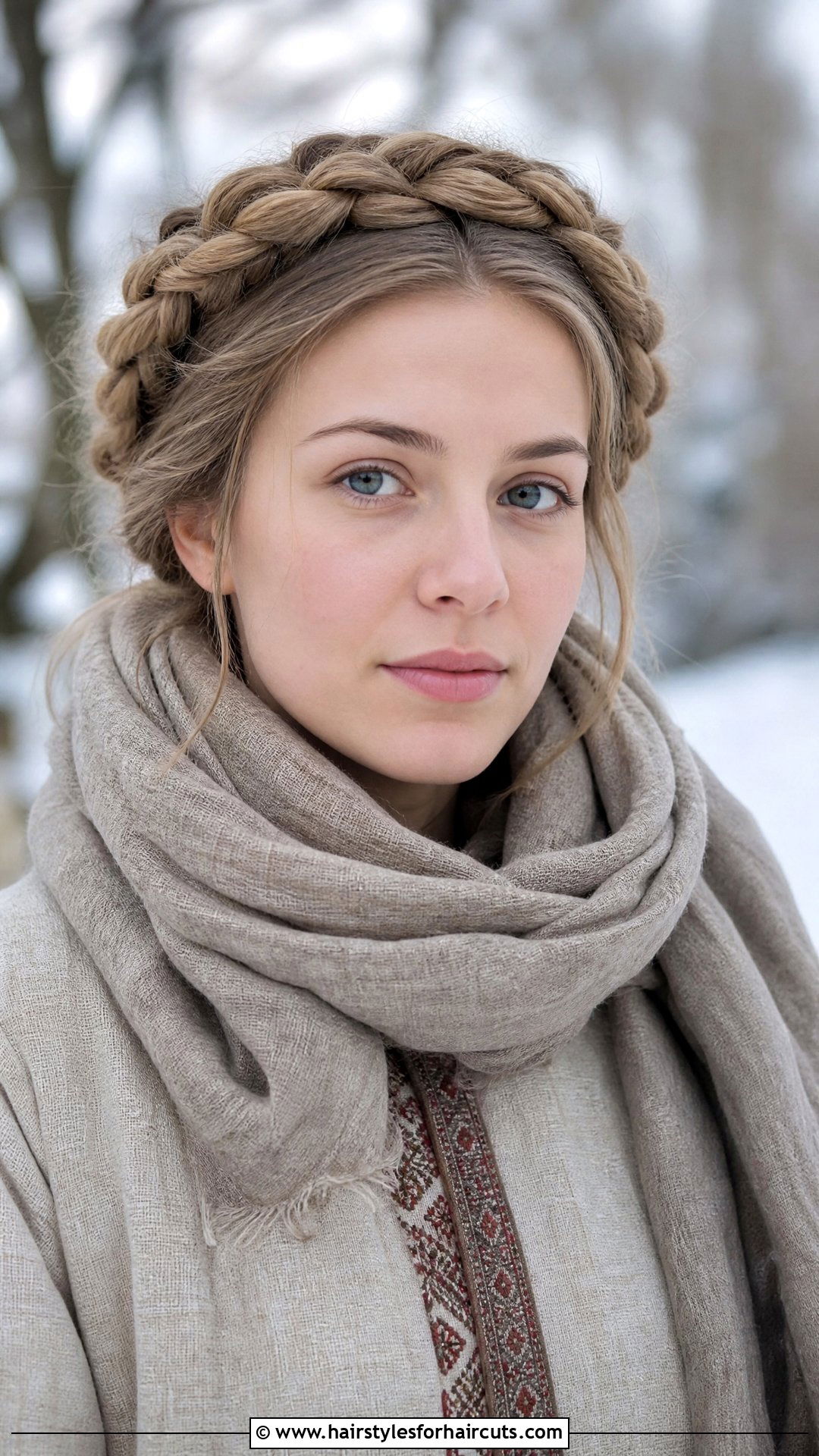
Discover the regal beauty of the Polish crown braid, a national hairstyle that turns the wearer into their own monarch. This stunning look involves braiding the hair into two long plaits, which are then wrapped around the top of the head like a crown and pinned securely in place. In Polish tradition, the crown braid was a significant rite of passage for unmarried women, symbolizing purity and the transition into adulthood. The style is incredibly secure, keeping hair out of the face while showcasing the length and thickness of the hair. It exudes a sense of majestic dignity and old-world charm. This braided crown remains a breathtaking choice for formal events and cultural celebrations today.
20. Moroccan Twisted Updo

Smell the fragrant spices of the medina with the traditional Moroccan twisted updo. This elegant national hairstyle reflects the modest and artistic beauty standards of North African culture. The hair is carefully sectioned, twisted into multiple small, rope-like strands, and then coiled into a beautifully intricate bun at the back or top of the head. This technique creates a visually complex and highly textured updo that looks incredibly sophisticated. Often, the twists are woven with thin ribbons or adorned with ornate silver pins for special occasions like weddings. The style keeps the hair protected and neat while offering a stunning visual display. It perfectly complements the flowing silhouettes of traditional Moroccan caftans with its refined and graceful appeal.
21. Irish Claddagh Knot

Celebrate the luck of the Irish with the romantic Irish Claddagh knot. Inspired by the famous Irish ring that represents love, loyalty, and friendship, this national hairstyle features a beautifully woven bun that mimics the clasped hands of the Claddagh symbol. The hair is twisted and tied into a figure-eight style knot, secured at the nape or crown, creating a look that is both symbolic and visually captivating. It is a softer, more romantic alternative to a tight chignon, often featuring loose tendrils framing the face. This style evokes the misty, poetic romance of the Irish countryside. It is a meaningful and gorgeous choice for weddings or cultural gatherings, offering a true sense of heritage and heartfelt connection.
22. Thai Traditional Chignon

Experience the serene grace of Southeast Asia with the Thai traditional chignon. Known as the Mahadthai, this elegant national hairstyle is a staple of classical Thai dance and formal occasions. The hair is pulled back tightly, twisted into a smooth, rounded knot at the back of the head, and often highlighted with a beautiful gold chain or floral ornament wrapped around the bun. The sleekness of the style perfectly accentuates the dancer’s neck and shoulder lines, allowing for graceful, fluid movements. It projects an image of profound tranquility and refined beauty. Whether worn with a traditional silk skirt or modern evening wear, this chignon provides an air of poised sophistication that transcends passing fashion trends beautifully.
23. Maori Top Knot

Feel the strength and pride of the Maori warriors with the traditional Maori top knot. Known as the putiki, this powerful national hairstyle holds immense cultural significance in New Zealand. The hair is grown long and gathered securely on the very top of the forehead or crown, forming a prominent, sculptural knot. In ancient times, this knot was a symbol of mana, or spiritual power, and was strictly reserved for high-ranking chiefs and warriors. The front hair was often cut short, while the back remained long to emphasize the top knot. Today, it remains a bold statement of Maori identity and strength. The style is fiercely striking, honoring a deep ancestral legacy while standing out in any crowd.
24. Ethiopian Cornrows

Marvel at the geometric brilliance of Ethiopian cornrows, a national hairstyle that elevates braiding into high art. Unlike standard straight-back cornrows, Ethiopian braiding often features highly complex, sculptural patterns that curve, swirl, and intersect across the scalp. These intricate designs are deeply symbolic, often representing family lineage, social status, or religious devotion. The braids are woven tightly close to the scalp, creating a stunning, durable style that can last for weeks. This technique is not only a beautiful form of self-expression but also an excellent way to protect natural hair from environmental damage. The precision and creativity involved are truly remarkable. It remains a proud display of African heritage, combining practicality with breathtaking, eye-catching aesthetic appeal.
25. Swedish Midsummer Wreath Braid
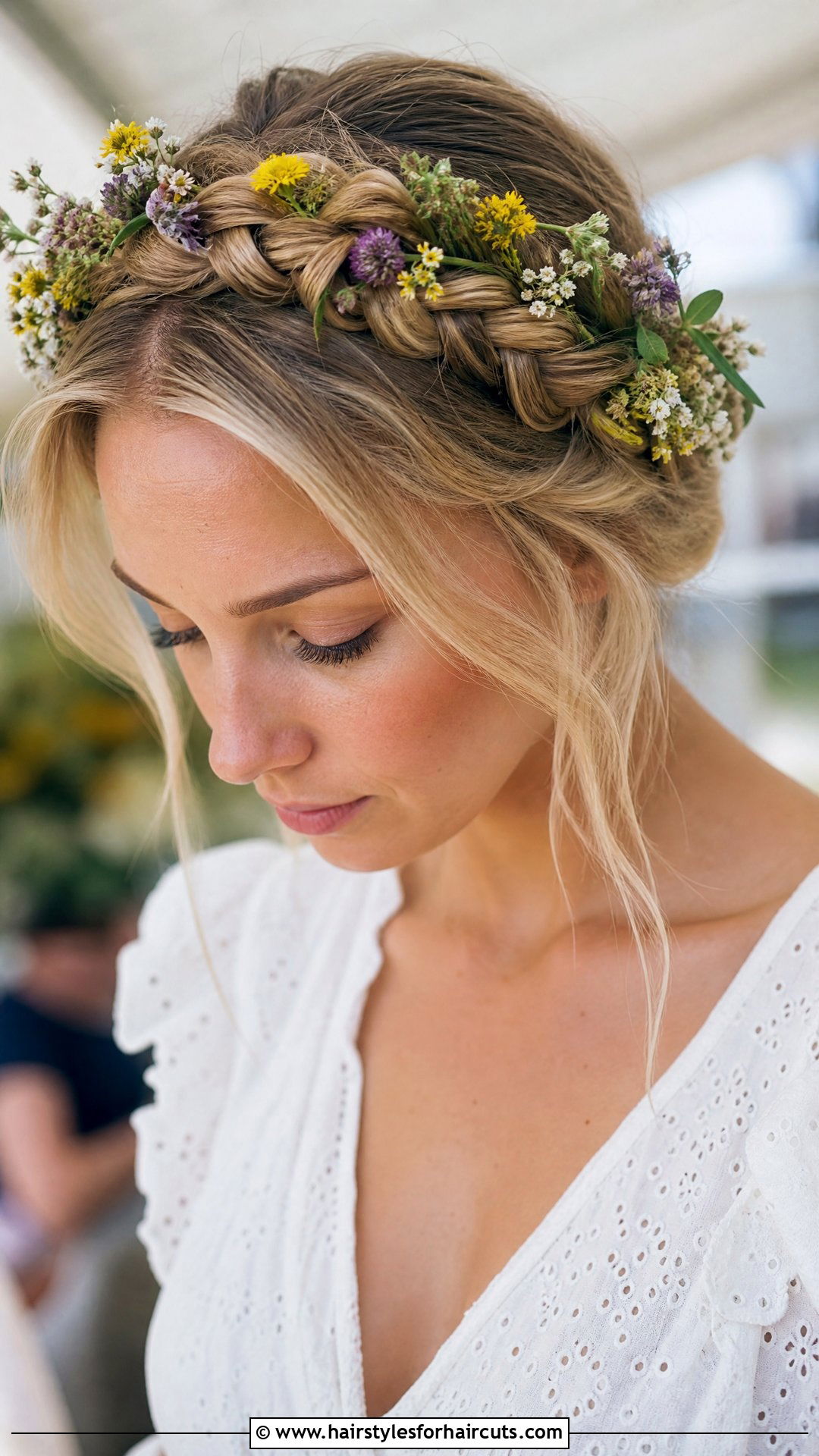
Dance around the maypole with the enchanting Swedish Midsummer wreath braid. This joyful national hairstyle captures the essence of the long, bright Scandinavian summer nights. The hair is typically styled into two loose, romantic braids that wrap around the head like a halo, forming a natural crown. The true magic of this look lies in its decoration, as the braids are intertwined with fresh wildflowers, birch leaves, and greenery. It is a celebration of nature, light, and the blooming season. Women of all ages wear this beautiful style during Midsummer festivals, paired with white dresses for a fresh, ethereal aesthetic. It is a whimsical, deeply rooted tradition that brings a touch of fairy-tale magic to life.
Conclusion:
Exploring these 25 national hairstyles reveals the incredible diversity and artistry of human culture. Hair is clearly much more than just a physical feature; it is a powerful canvas for storytelling, tradition, and identity. From the sleek sophistication of the French twist to the intricate symbolism of the Nigerian Fulani braid, each style offers a unique window into a nation’s soul. Embracing these traditional looks allows us to honor the past while finding fresh inspiration for our modern lives. Whether you want to connect with your own heritage or simply appreciate the beauty of global customs, these hairstyles provide endless inspiration. Celebrate the rich tapestry of world cultures by trying one of these magnificent, timeless styles.

Leave a Reply