
Ethiopian hairstyles are a stunning fusion of deep cultural heritage and modern fashion, offering a unique way to celebrate identity and artistry. Far more than mere fashion statements, these traditional looks historically conveyed status, divine connection, and even grief within the community 【turn0search3】. Today, they have evolved into vibrant expressions of natural beauty, blending intricate braiding techniques with contemporary trends. From the iconic Habesha braids perfect for special occasions to elegant updos styled with traditional dresses, these 25 natural fashion Ethiopian hairstyles provide endless inspiration. They honor the rich legacy of styles like the Albaso and Tigray shuriba while embracing modern versatility for everyday wear and global runways.

1. Habesha Braids with Curly Extensions

This iconic style beautifully bridges tradition and contemporary flair. It features intricate cornrow braids styled along the front hairline, which seamlessly transition into a crown of voluminous, curly extensions at the back 【turn0search6】. The contrast between the sleek, defined braids and the bouncy curls creates a striking and regal look. It is a popular choice for celebrations and pairs exquisitely with a Habesha kemis, as the style’s structure complements the dress’s elegant neckline 【turn0search17】【turn0search18】. To maintain this look, gentle scalp care and wrapping the curls at night are essential to preserve the definition and volume.
2. Albaso Cornrow Updo

The Albaso is a distinguished traditional Ethiopian hairstyle characterized by its specific pattern of cornrows that often form a beautiful, sculptural updo 【turn0search2】【turn0search6】. This style is not just a haircut but a cultural statement, with roots in expressing identity and heritage. The cornrows are meticulously braided close to the scalp, creating a textured foundation that can be styled into a sophisticated bun or chignon at the crown. It offers a timeless and elegant appearance, suitable for both formal events and honoring cultural traditions. The Albaso updo is a testament to the skill and artistry of Ethiopian braiding.
3. Tigray Shuriba with Braided Crown
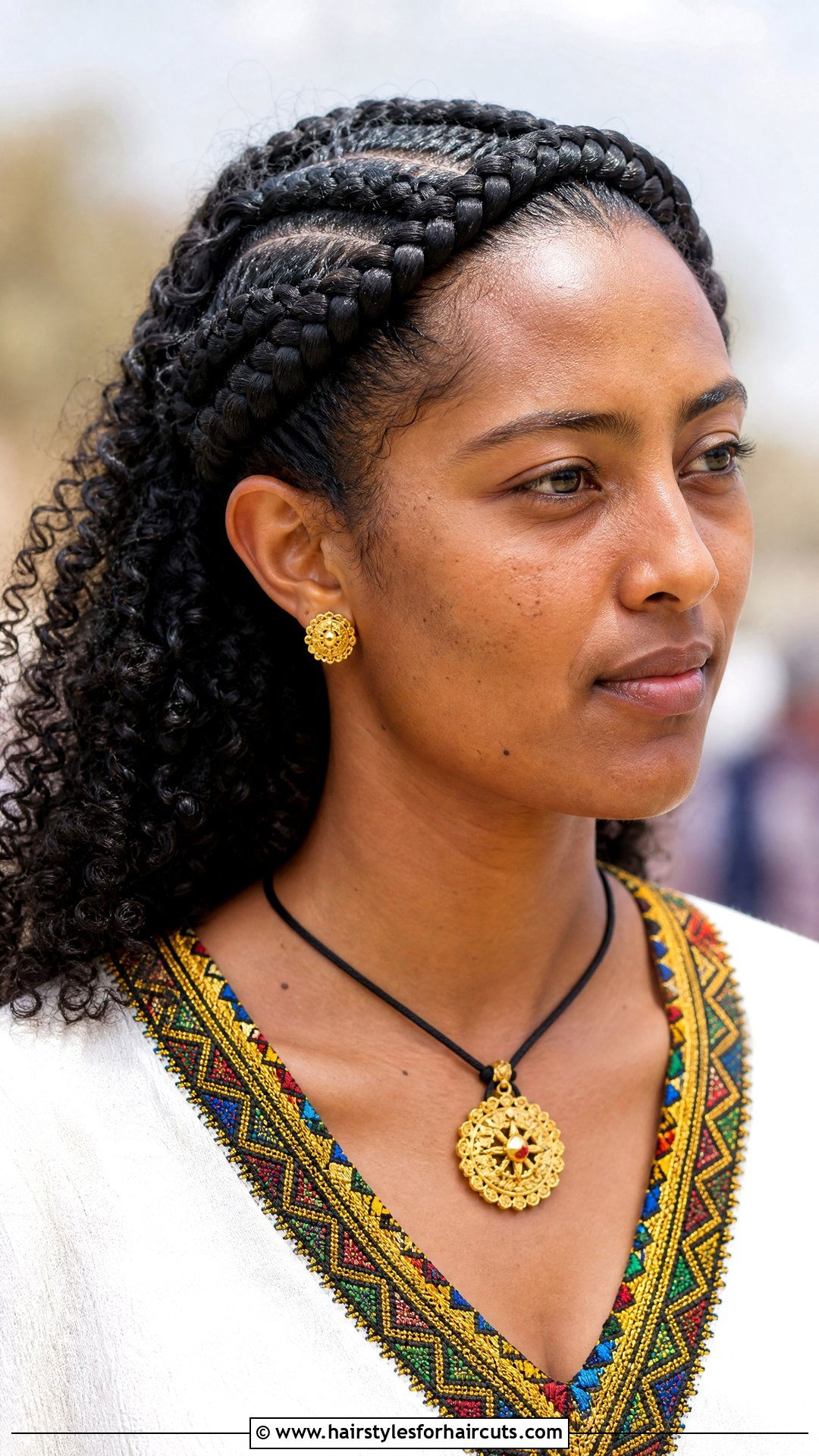
Originating from the Tigray region, the Shuriba is a celebrated traditional style that often incorporates a braided crown 【turn0search6】. This look typically involves cornrowing the hair into a specific pattern that culminates in a series of raised braids circling the head like a natural diadem. The remaining hair may be left in box braids or styled into a curly, voluminous extension at the back, similar to the Habesha braids but with distinct regional braiding patterns. It is a deeply cultural hairstyle that signifies beauty and pride, often seen at weddings and community gatherings.
4. Modern Shuruba Girls’ Style

The modern interpretation of the Shuruba style is a fresh and youthful take on traditional Ethiopian braiding 【turn0search4】. It often features a combination of thin and thick cornrows braided in symmetrical or asymmetrical patterns, sometimes adorned with beads or cuffs for a personalized touch. This style is celebrated for its versatility and low-maintenance appeal, making it a favorite for everyday wear. The modern Shuruba girl embraces her heritage with a style that is practical for an active lifestyle while still being deeply connected to cultural roots.
5. Flat Twist Cornrow Stitched Style

This technique involves creating flat twists against the scalp and then stitching them together with needle and thread to form intricate, long-lasting patterns 【turn0search12】. It allows for incredible creativity, from geometric designs to flowing, wave-like motifs. The stitched method ensures the style is secure and can last for weeks with proper care. It’s a fantastic protective style that minimizes manipulation, promoting hair health. The resulting look is a detailed, sculptural hair art that stands out and showcases the braider’s craftsmanship.
6. Habesha Wedding Hairstyle with Ornamental Accessories

For Ethiopian brides, the hairstyle is a central element of the overall bridal look, often incorporating ornamental accessories like gold or silver chains, beads, and even small decorative pieces 【turn0search2】【turn0search18】. These accessories are woven into the braids or attached to the updo, adding shimmer and significance. The base style is usually a complex updo, such as an Albaso or a braided crown, designed to be sturdy enough to support the accessories. This hairstyle is a profound symbol of beauty, celebration, and cultural heritage on a couple’s most important day.
7. Ethiopian Braids with Beaded Ends

Incorporating beads into Ethiopian braids is a traditional practice that adds both beauty and meaning. Beads can be made from various materials, including wood, glass, or metal, and are often chosen for their color and symbolism 【turn0search11】. This style typically involves braiding the hair into cornrows or box braids and then attaching beads to the ends. The gentle clicking sound of the beads is a cherished auditory element of the style. It’s a playful yet culturally rich look that can be customized for any age, from children to adults.
8. Gojam Amhara Traditional Updo

This hairstyle is specifically associated with the Amhara region, particularly Gojam, and reflects the area’s distinct cultural identity 【turn0search7】. It often involves a complex braiding technique where the hair is partitioned and braided into a series of raised, sculptural braids that are then coiled and pinned into an elaborate updo. The style is elegant and formal, frequently worn with traditional Amhara dress. The precision and symmetry of the braids demonstrate a high level of skill and are a source of pride for the wearer and the community.
9. Ethiopian Fulani Braids with Cowrie Shells

While Fulani braids are pan-African, their adaptation in Ethiopia often incorporates unique local elements like cowrie shells, which historically held monetary and spiritual value 【turn0search8】. This style usually features a central braid or series of braids at the crown, with the rest of the hair braided into cornrows or box braids. The cowrie shells are attached along the braids, creating a beautiful, textured look with cultural resonance. It’s a style that pays homage to the broader African heritage while maintaining Ethiopian distinctiveness.
10. Natural Hair Ethiopian Twist Out

For those embracing their natural texture, the twist-out is a beloved styling option that celebrates the beauty of Afro-textured hair. Ethiopian women with natural hair often use this method to define their curls and create volume. The hair is twisted while damp, allowed to dry, and then untwisted to reveal a fluffy, curly style. It’s a versatile look that can be worn loose, in a ponytail, or pinned into an updo. This style highlights the natural hair movement within Ethiopia, focusing on health, definition, and simplicity.
11. Ethiopian Braided Mohawk Updo

This edgy yet culturally inspired style merges the boldness of a mohawk silhouette with the intricacy of Ethiopian braiding. The sides of the head are typically shaved or closely cropped, while the central strip of hair is braided into cornrows or box braids and styled into a dramatic updo, such as a braided pompadour or a tall, sculptural bun. It’s a powerful statement look that combines contemporary punk aesthetics with traditional braiding artistry, perfect for those who want a standout, fashion-forward hairstyle.
12. Tsegur Style with Modern Accents

The Tsegur style is a traditional Ethiopian hairstyle that is being reimagined with modern accents 【turn0search1】. While the core braiding pattern remains authentic, contemporary versions might incorporate subtle color highlights, different braid sizes, or innovative parting designs. This adaptation keeps the cultural essence of the style while making it relevant for today’s fashion landscape. It’s an excellent example of how tradition evolves, offering a way to wear heritage proudly in modern contexts.
13. Ethiopian Cornrow Low Bun

For a sleek and sophisticated look, the Ethiopian cornrow low bun is a timeless choice. The hair is cornrowed from the front towards the nape, where all the braids are gathered and secured into a neat, low bun. This style is elegant, professional, and relatively low-maintenance, making it suitable for work, formal events, or everyday wear. It showcases the clean lines and precision of Ethiopian braiding while providing a polished and refined finish that complements any outfit.
14. Habesha Braids with Side-Swept Curls

This variation of the classic Habesha braids offers a softer, more romantic aesthetic. The front cornrows are braided as usual, but the curly extension at the back is styled to fall over one shoulder in a side-swept manner 【turn0search6】. This creates an asymmetrical look that is both glamorous and alluring. It’s a popular style for parties and evening events, as the cascading curls add movement and drama. The style can be further enhanced with decorative pins or flowers tucked into the braids.
15. Ethiopian Braided Crown with Loose Curls

This regal style focuses on creating a beautiful braided crown that encircles the head, with the remaining hair left in loose, flowing curls. The braids for the crown are often thicker and more defined, creating a tiara-like effect. It’s a majestic look that is often chosen for celebrations and ceremonies. The contrast between the structured braids and the soft curls is visually captivating, embodying a perfect balance of strength and grace.
16. Ethiopian Box Braids with Golden Cuffs

Box braids are a versatile protective style, and in Ethiopia, they are often adorned with golden cuffs or rings that slide onto the braids 【turn0search11】. These cuffs add a touch of luxury and glamour, transforming a simple braid style into something special. The braids can be of any length or thickness, and the cuffs can be placed sporadically or in a pattern. This style is a beautiful fusion of practical hair care and decorative art, allowing for personal expression and celebration of culture.
17. Ethiopian Hair with Orange Highlights

While natural hair colors are most common, some modern Ethiopian fashion incorporates subtle highlights, such as warm orange tones, to add dimension and a contemporary edge 【turn0search5】. This is often achieved with temporary hair color sprays orchalks, allowing for experimentation without commitment. The highlights are strategically placed to complement the braiding pattern or natural curl pattern, adding a vibrant pop of color that stands out, especially in festive settings.
18. Ethiopian Braided Ponytail with Curly Ends

This style combines the neatness of braids with the playful energy of curls. The hair is cornrowed from the front to the crown, where all the braids are gathered into a high or mid-level ponytail. The ends of the braids are left loose and curled, creating a fluffy, textured tail. It’s a youthful and dynamic look that is both stylish and functional, keeping hair off the face while still making a statement. It’s perfect for casual outings or active days.
19. Traditional Ethiopian Braided Updo with Decorative Pins

This is a classic ceremonial hairstyle where the hair is intricately braided and pinned into an updo, often decorated with traditional pins that may feature symbolic designs or family crests 【turn0search3】. The pins are both functional, holding the style in place, and decorative, adding a layer of personal or familial significance. This style is deeply rooted in tradition and is a beautiful way to honor ancestors and cultural practices during important rituals and gatherings.
20. Ethiopian Natural Hair Bantu Knots

Bantu knots are a traditional African hairstyle that has been embraced in Ethiopia as a stylish way to wear natural hair. The hair is sectioned, twisted, and wrapped around itself to form small, coiled knots. These knots can be worn as is for a bold look or unraveled to create a beautiful, defined curl pattern known as a Bantu knot-out. It’s a protective style that is also incredibly versatile, allowing for different sizes and patterns of knots.
21. Ethiopian Braided Bob with Curly Weave
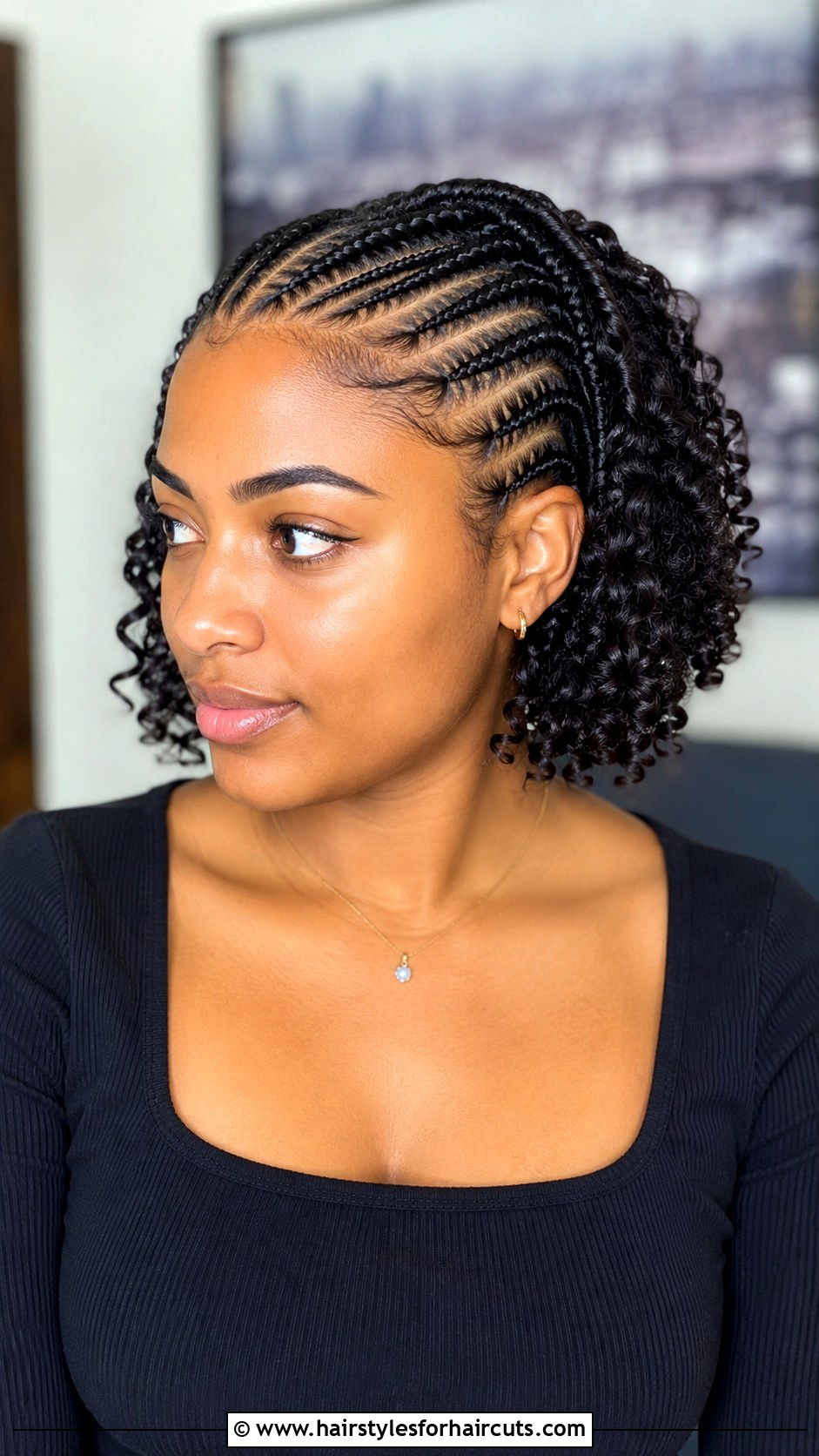
This modern style offers the elegance of a bob haircut with the versatility of braids and a curly weave. The front and sides are cornrowed flat against the head, while the back is left out to blend with a curly weave attachment that is cut into a bob shape. The result is a chic, manageable style that frames the face beautifully. It’s a great option for those who want the look of a shorter haircut without committing to cutting their natural hair.
22. Ethiopian Hairstyle with Cultural Ornaments

Beyond beads and shells, Ethiopian hairstyles sometimes incorporate a variety of cultural ornaments made from materials like brass, silver, or leather 【turn0search3】. These can include pendants, chains, or woven bands that are integrated into the braids. Each ornament can carry a specific meaning, such as marital status, ethnic identity, or spiritual protection. Wearing these ornaments is a way to visually communicate one’s heritage and beliefs, making the hairstyle a living cultural artifact.
23. Ethiopian Flat Twist Updo with Curly Pompadour

This style uses flat twists to create a striking updo with a curly pompadour at the front. The hair is twisted flat against the scalp towards the back, where it is gathered and styled into a curly, voluminous pouf at the forehead. It’s a sophisticated look that combines the smoothness of the twists with the texture of the curls. This style is particularly flattering and offers a modern twist on classic updos, suitable for formal events or making a fashionable statement.
24. Ethiopian Braided Headband Style

This protective style involves braiding a section of hair across the forehead like a headband, keeping the rest of the hair in braids or a weave. The braided headband can be a simple, sleek cornrow or a more elaborate design with multiple braids. It’s a practical way to keep hair out of the face while also creating a beautiful, frame for the face. This style is low-maintenance and can be customized with different partings and braid sizes.
25. Ethiopian Modern Natural Hair Afro

Celebrating natural texture in its fullest form, the modern Ethiopian Afro is a powerful statement of beauty and identity. This style embraces the hair’s natural volume and curl pattern, often shaped into a rounded silhouette. It requires regular moisturizing and gentle detangling to maintain its shape and health. The Afro is a symbol of pride and self-acceptance, representing a connection to natural roots and a rejection of Eurocentric beauty standards. It’s a bold, beautiful, and unapologetically authentic hairstyle.
Conclusion:
Ethiopian hairstyles are a vibrant tapestry woven from threads of history, culture, and artistry. They are living traditions that have evolved from symbols of status and grief to expressions of fashion, identity, and pride on global stages 【turn0search3】. From the intricate Albaso and Tigray shuriba to the modern adaptations adorned with beads and highlights, each style tells a story and offers a unique way to connect with heritage. Whether for a wedding, a casual day, or a bold fashion statement, these 25 natural fashion Ethiopian hairstyles provide a rich source of inspiration, proving that true beauty is rooted in culture and creativity.

Leave a Reply