
From the powdered wigs of the founding era to the clean-cut styles of the modern age, the hair of America’s chief executives tells a fascinating story of fashion, power, and personal expression. This journey through 25 old presidents hairstyles reveals how leaders have used their look to convey authority, align with the trends of their time, or signal a break from the past. Each style, whether a formal wig or a rugged beard, represents a complete visual statement that framed the face of the presidency and influenced the grooming habits of a nation 【turn0search0】【turn0search11】.

1. Powdered Wig
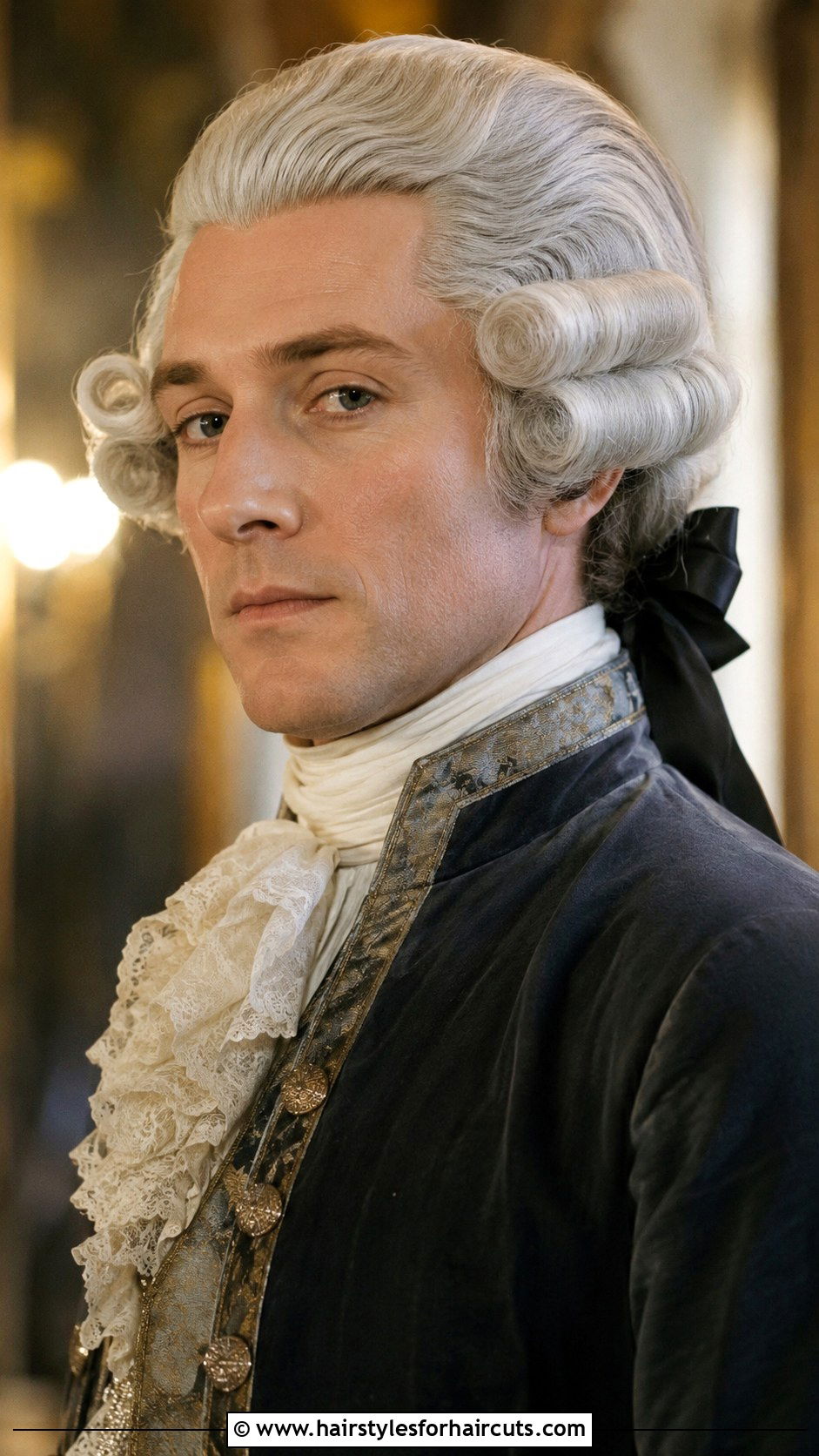
The quintessential hairstyle of the early republic, the powdered wig, was more than a fashion statement; it was a symbol of status, authority, and connection to European aristocracy. Made from horse, goat, or human hair and meticulously powdered with white or gray starch, these wigs added a dignified, imposing presence to the president’s visage 【turn0search16】. Leaders like George Washington and John Adams sported these elaborate constructions, which required daily maintenance and conveyed a sense of gravitas befitting the new nation’s highest office. The style eventually fell out of favor as democratic ideals shifted towards a more natural, unpretentious image 【turn0search0】【turn0search14】.
2. Short Haircut

John Quincy Adams broke from the wig-wearing tradition of his predecessors by sporting a short, natural hairdo, a fashion-forward move for the era 【turn0search1】. This close-cropped style, often with sides brushed forward, was a deliberate rejection of the formality and artifice associated with wigs. It signaled a new, more practical and American approach to presidential styling, emphasizing the man himself over a constructed symbol of office. This cut highlighted his facial features and projected an image of vigor and modernity, setting a precedent for future presidents to adopt simpler, more manageable styles.
3. Beard And Sideburns

The late 19th century saw a dramatic shift towards facial hair, with a series of presidents sporting full beards, sideburns, or mutton chops 【turn0search1】. Rutherford B. Hayes was part of this group, and his thick, full beard became a signature part of his presidential portrait. These styles conveyed a sense of rugged masculinity and frontier spirit, aligning with the nation’s post-Civil War identity. Beards were seen as dignified and wise, while elaborate sideburns added a touch of personal flair, showing how presidents could use facial hair to craft a specific public persona during this era.
4. Long Hair

While less common in the modern era, several presidents from the 18th and 19th centuries wore their hair long, either by choice or due to the styling norms of their time 【turn0search4】. Thomas Jefferson, for instance, was known for his reddish hair that he often wore pulled back or loose, a look that reflected his philosophical and agrarian ideals. Long hair on a president suggested intellect, a connection to classical virtues, and a certain disregard for conventional strictures, painting a picture of a leader who was thoughtful and perhaps a bit rebellious against rigid formalities.
5. Clean Shaven Cut

The turn of the 20th century brought a return to cleaner-shaven looks, exemplified by presidents like William McKinley and Theodore Roosevelt. This smooth, bare-faced style projected an image of energy, honesty, and progress, shedding the older, bearded associations of the previous century. A clean shave suggested a leader who was decisive and modern, with nothing to hide. It became the dominant standard for most of the 20th century, reflecting a cultural shift towards hygiene, speed, and a more corporate, polished ideal for men in leadership positions.
6. Mutton Chop Sideburns

Ambrose Burnside, though not a president, gave his name to “sideburns,” and presidents like Chester A. Arthur popularized the mutton chop style—thick, wide sideburns that connected to a mustache while leaving the chin clean-shaven 【turn0search1】. This bold, distinctive look was a statement of individuality and confidence. It framed the face dramatically, drawing attention to the jawline and mouth. For Arthur, known for his sartorial elegance, the mutton chops were part of a refined yet imposing aesthetic that commanded attention and respect in the political arena.
7. Inverted Bob

Though not a presidential style itself, the concept of an inverted bob—a cut shorter at the back and longer at the front—can be seen as a metaphor for the structured yet forward-moving approach of leaders like Woodrow Wilson. His neat, parted hair with controlled volume projected intellectualism and order. The style’s clean lines and deliberate shape mirrored the progressive era’s focus on efficiency and reform. It was a haircut that said “serious business,” framing a face deep in thought about policy and global conflict, with every strand in its proper place.
8. Asymmetrical Cut

Franklin D. Roosevelt’s signature style, with its deep side part and wave sweeping to one side, created a subtle asymmetry that became iconic. This look was dynamic and approachable yet inherently presidential. The asymmetry suggested a man of action and movement, not rigidly symmetrical in his thinking. It was a masterclass in using a simple haircut to project confidence and charm, helping to connect with the public during the Great Depression and World War II. The style was both relatable and authoritative, a perfect balance for a transformative leader.
9. Pompadour

The pompadour, with its volume swept upwards from the face, was worn with sophistication by presidents like Dwight D. Eisenhower. This style added height and a commanding presence, befitting a military hero turned commander-in-chief. The pompadour required careful styling and projected a sense of control and readiness. It was a haircut that meant business, aligning with the 1950s ethos of prosperity and order. For Eisenhower, it complemented his broad smile and steady demeanor, creating an image of reassuring strength during the early Cold War era.
10. Flat Top

The flat top haircut, characterized by its precisely leveled top, symbolized the military precision and no-nonsense attitude of the mid-20th century. While not universally adopted, its structured, boxy shape reflected the era’s fascination with technology, space exploration, and corporate conformity. A president with a flat top would have projected an image of discipline, efficiency, and modernity. It was a style that said “mission-focused,” aligning perfectly with the organizational might of the American century, where strategy and execution were paramount.
11. Caesar Cut

The Caesar cut, featuring short, horizontally straight bangs, offers a timeless, intellectual look. While perhaps more famously associated with modern figures, its clean, simple lines echo the practical yet thoughtful styling of presidents like Harry S. Truman. His neat, minimal fuss haircut reflected his straightforward, “the buck stops here” personality. The Caesar cut’s lack of artifice suggests a leader who is direct and unpretentious, focused on the task at hand rather than vanity. It’s a style that conveys honesty and hard work, values that resonate with the American public.
12. Layered Cut

A layered cut, which adds texture and movement, can be seen in the more relaxed styles of the late 20th century. Bill Clinton’s slightly longer, layered hair with natural movement broke from the severe, short cuts of his predecessors. This approachable, touchable style mirrored his “man from Hope” persona—charismatic, empathetic, and youthful. The layers suggested a more informal, connected kind of leadership, suitable for the media age where personality was as important as policy. It was a haircut that invited engagement rather than demanded deference.
13. Buzz Cut

The buzz cut, or crew cut, represents ultimate simplicity and low maintenance. While no modern president has worn a full buzz cut in office, its military associations evoke themes of service, sacrifice, and uniformity. In the context of older presidents, a very short, neat crop would have conveyed efficiency and a no-nonsense approach. It’s a style that strips away pretense, focusing entirely on the face and its expressions. A president with a buzz cut would be seen as disciplined, practical, and entirely focused on duty over personal style.
14. Slicked Back

The slicked-back look, achieved with pomade or cream, exudes classic Hollywood glamour and control. Ronald Reagan, a former actor, mastered this style, wearing his hair swept back from his face with a distinguished wave. This look projected confidence, charm, and a bit of star power, perfectly suited for the “Great Communicator.” The slicked-back style suggested a leader who was comfortable in the spotlight, with every element of his appearance carefully managed to project optimism and American strength during the 1980s.
15. Natural Gray

Embracing natural gray hair has become a powerful statement of experience and wisdom in modern politics. For presidents like George H.W. Bush, allowing his hair to gray naturally in office signaled authenticity and a lifetime of service. This style rejects the pressure to dye or conceal aging, instead owning it as a mark of distinction. It conveys that the leader is seasoned, mature, and has been through the tests of time, earning every silver strand. It’s a look that commands respect through its very honesty and acceptance of the natural progression of life.
16. Side Part
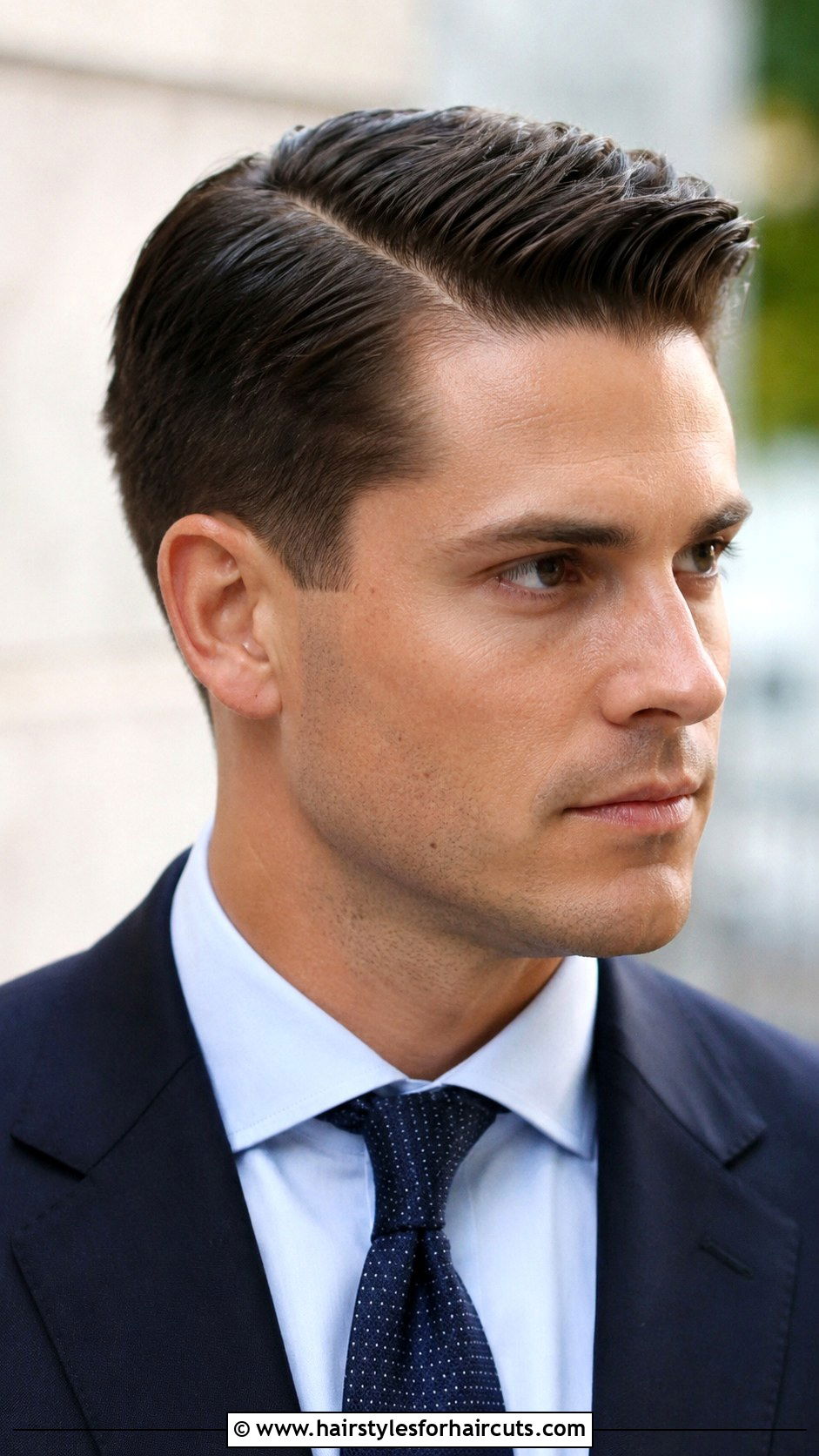
The classic side part is a cornerstone of presidential styling, offering a neat, traditional, and trustworthy appearance. Used effectively by presidents from both parties, this style creates a sense of order and reliability. The part itself can be subtle or pronounced, but the overall effect is one of convention and stability. It’s a haircut that says “establishment” in the best sense, suggesting a leader who works within systems and values continuity. For many voters, the side part is the visual shorthand for a president who is steady and predictable.
17. Messy Texture
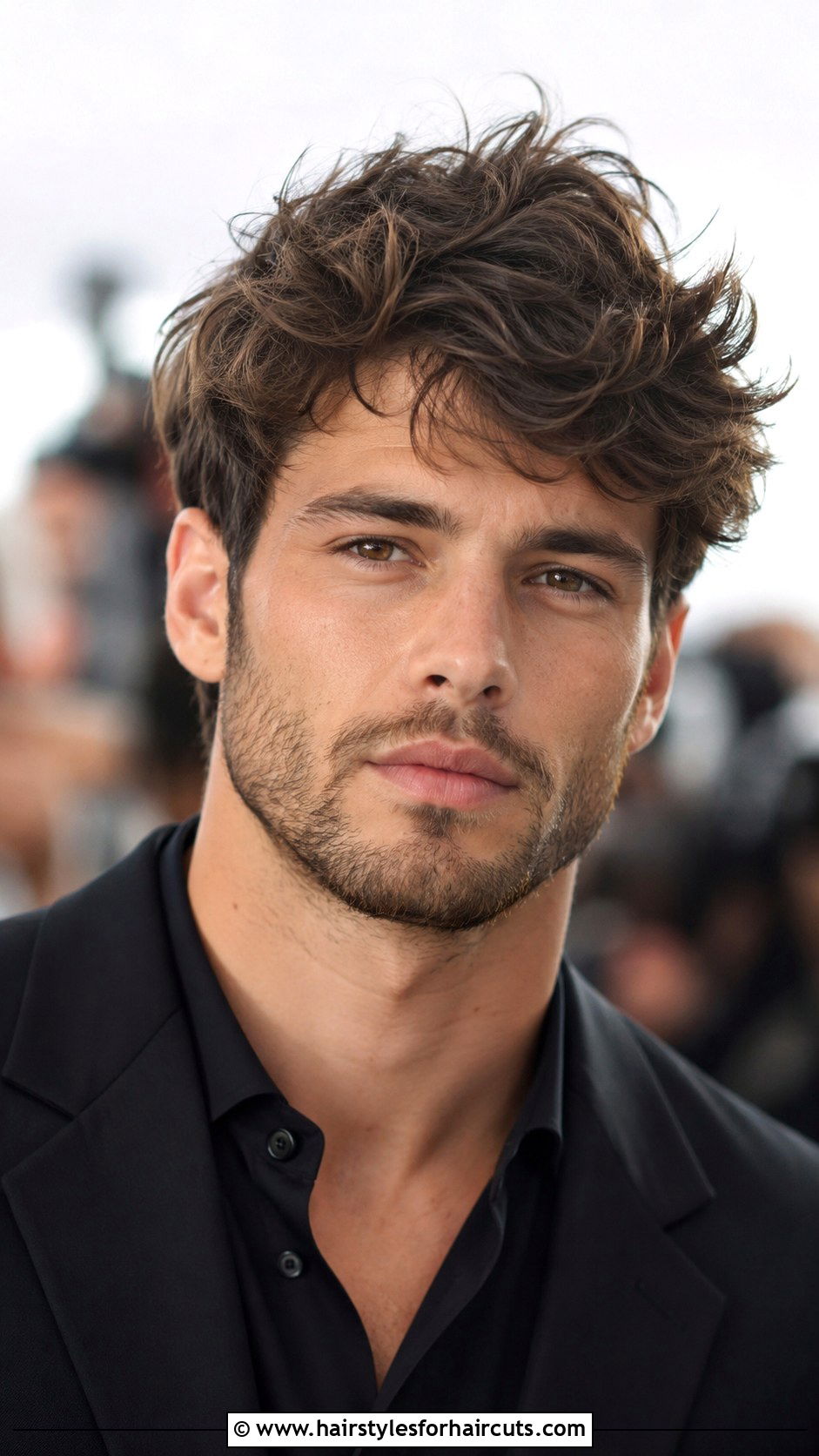
A departure from the perfectly coifed norm, messy texture in hair suggests a leader who is too busy for vanity and is deeply engaged in hands-on work. While not a common look for formal presidential portraits, elements of controlled chaos can be seen in the more relaxed styles of recent decades. This texture implies creativity, energy, and a break from rigid tradition. It humanizes the president, showing that he is approachable and perhaps more focused on solving problems than on his appearance, aligning with an anti-establishment or reformist image.
18. Crew Cut

Similar to the buzz cut but often with slightly more length on top, the crew cut is a quintessentially American style rooted in military and collegiate traditions. It projects an image of vigor, athleticism, and cleanliness. A president with a crew cut would be seen as dynamic, youthful, and in touch with the common man. This style became popular in the post-World War II era and symbolizes the can-do spirit of the American mid-century. It’s a haircut that suggests a leader who is action-oriented and ready to tackle challenges head-on.
19. Comb Over

The comb over, where longer hair is styled to cover a thinning area, is a style born of necessity and often associated with reluctance to accept hair loss. In a presidential context, a comb over might suggest a leader who is trying to maintain a youthful image at all costs, potentially signaling vanity or insecurity. However, it could also be viewed as a practical, if imperfect, solution. This style highlights the intense public scrutiny of a president’s appearance and the personal grooming choices they make under that spotlight.
20. Bald Look
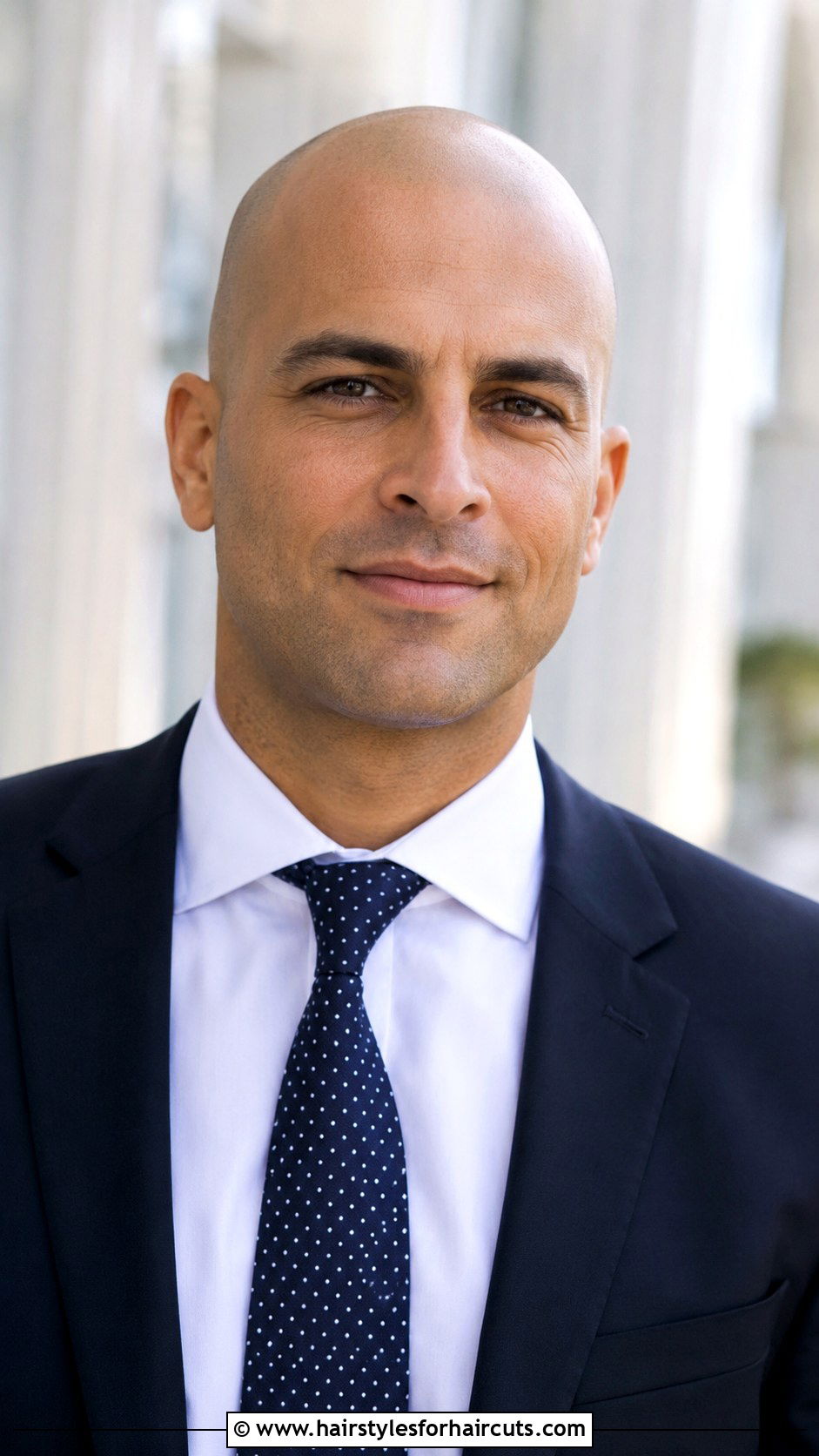
Choosing to shave the head completely bald is a bold, confident statement that has been sported by some leaders globally, though not recently by U.S. presidents. A bald head conveys authority, toughness, and a certain fearlessness. It eliminates any distraction from facial expressions and eyes, creating a direct and intense gaze. For a president, this look would project decisiveness and a no-nonsense attitude, suggesting a leader who is utterly secure in his position and does not need the traditional framing of hair to command attention or respect.
21. Curly Hair

Natural curly hair on a president would be a striking departure from the typically straight or wavy styles seen in history. It would suggest authenticity, a connection to one’s roots, and a rejection of excessive styling. Curly hair adds volume and a touch of approachability, making a leader appear more relatable and down-to-earth. In an era where identity and representation are crucial, a president with curly hair could inspire many who see their own natural texture reflected in the highest office, signaling that authenticity is a strength, not a flaw.
22. Wavy Hair

Wavy hair, with its gentle, flowing lines, strikes a balance between the formality of straight styles and the exuberance of curls. It suggests a leader who is adaptable, nuanced, and perhaps more diplomatic in approach. Waves can appear relaxed yet polished, implying a person who can navigate complex situations with ease. This style has been worn effectively by many presidents, as it looks professional without being severe, and approachable without being casual. It’s a versatile look that can be styled for both formal state dinners and more casual public appearances.
23. Short And Neat
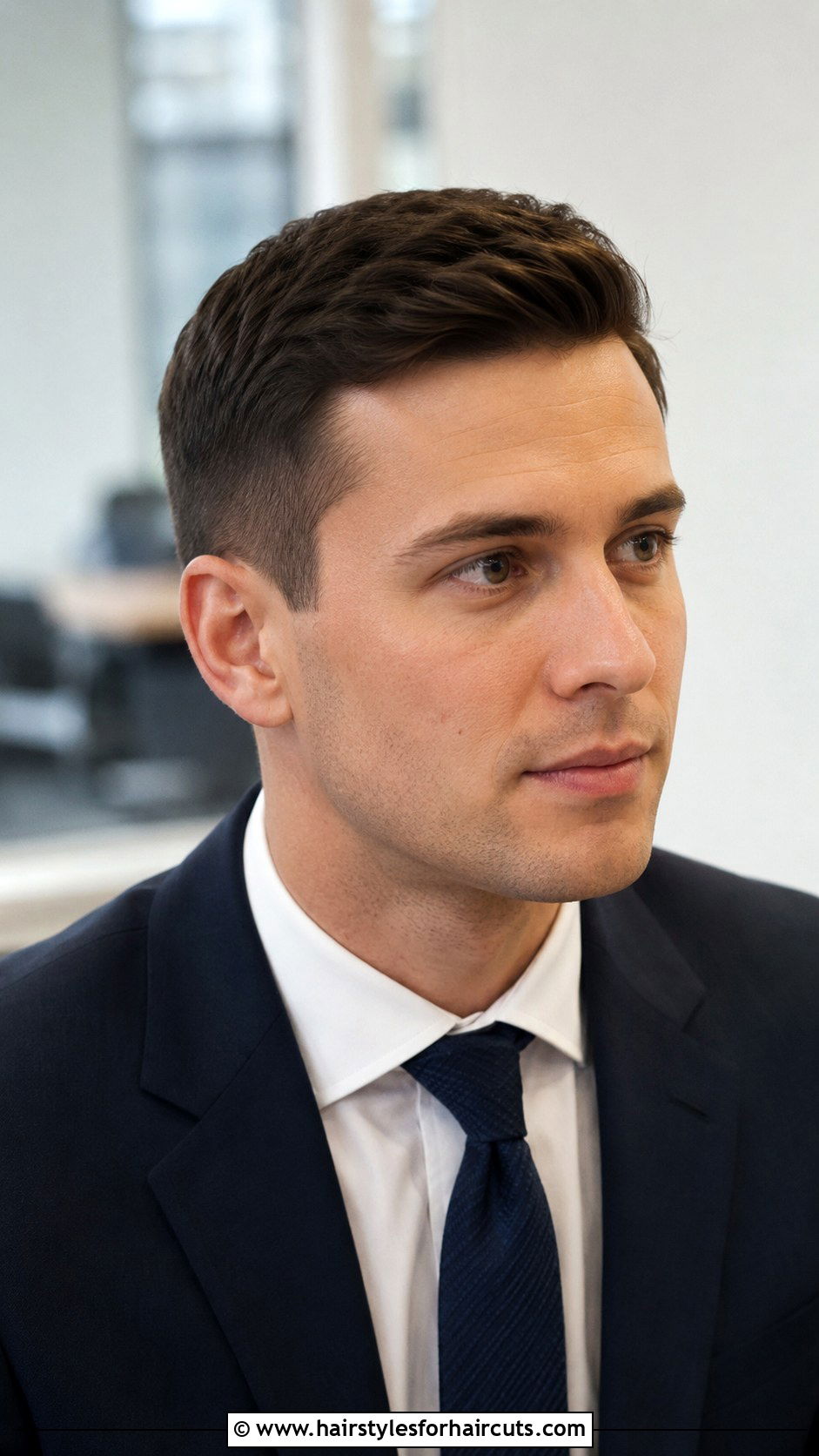
The standard short-back-and-sides cut, neatly combed, has been the default for most modern presidents. This style is efficient, professional, and universally acceptable. It minimizes distractions, ensuring the focus remains on the president’s words and actions. The short and neat cut suggests a leader who is organized, disciplined, and respectful of tradition. It is the visual equivalent of a well-tailored suit—appropriate for any occasion and projecting an image of competence and reliability. This cut has endured because it works, providing a dignified framework for the presidency.
24. Quiff

The quiff, combining elements of the pompadour and flat top, features volume at the front that recedes into shorter back and sides. It is a bold, stylish choice that suggests confidence and a bit of flair. While more common in celebrity culture, a president with a quiff would project a modern, dynamic image, unafraid to stand out. This style bridges the gap between classic and contemporary, indicating a leader who respects tradition but is also forward-looking. It’s a haircut that says “change” while still maintaining a sense of order and control.
25. Ivy League Cut

Also known as the Princeton or Brown cut, this style is essentially a longer crew cut with a side part. It is preppy, polished, and associated with elite academic institutions. A president with an Ivy League cut would be perceived as intellectual, well-educated, and part of the establishment. This style conveys a sense of pedigree and access, suggesting a leader who is well-prepared and thoughtful. It’s a look that has been favored by many in power, as it combines a conservative appearance with a hint of youthful vigor and academic authority.
Conclusion:
The evolution of presidential hairstyles is a compelling visual timeline of American history, reflecting broader cultural shifts, political climates, and personal branding strategies. From the formal wigs that denoted early authority to the clean, media-friendly cuts of the television age, each style has played a role in shaping the public’s perception of leadership. These 25 looks demonstrate that a president’s hair is never just hair; it is a deliberate part of their public persona, communicating messages about tradition, progress, authenticity, and power. As fashion and technology continue to evolve, the hair of future presidents will undoubtedly continue this fascinating dialogue between the individual and the office they hold.

Leave a Reply