
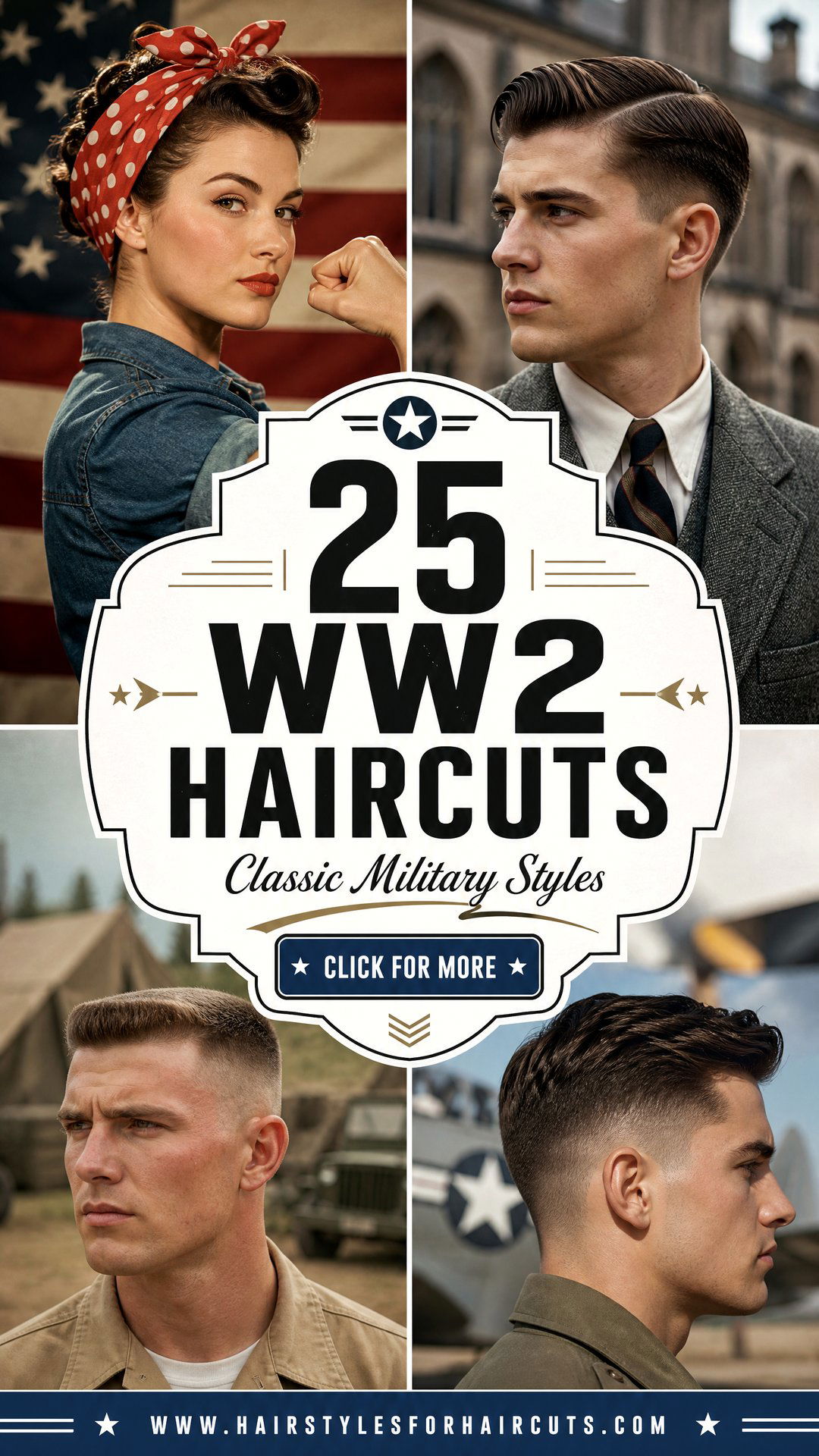
When we look back at the 1940s, the era was defined by resilience and iconic fashion. Exploring 25 ww2 haircuts reveals how men and women balanced practicality with classic glamour during wartime. Women adapted to factory work with stylish yet secure updos, while men embraced strict military regulations that birthed timeless short cuts. These historical styles continue to inspire modern retro looks today. Whether you are preparing for a themed event or just love vintage aesthetics, understanding these authentic wartime hairstyles offers a perfect blend of history and beauty. From the famous victory rolls to the regulation crew cut, let us dive into the most defining hair trends of the Second World War and learn how to recreate them.
1. Victory Rolls
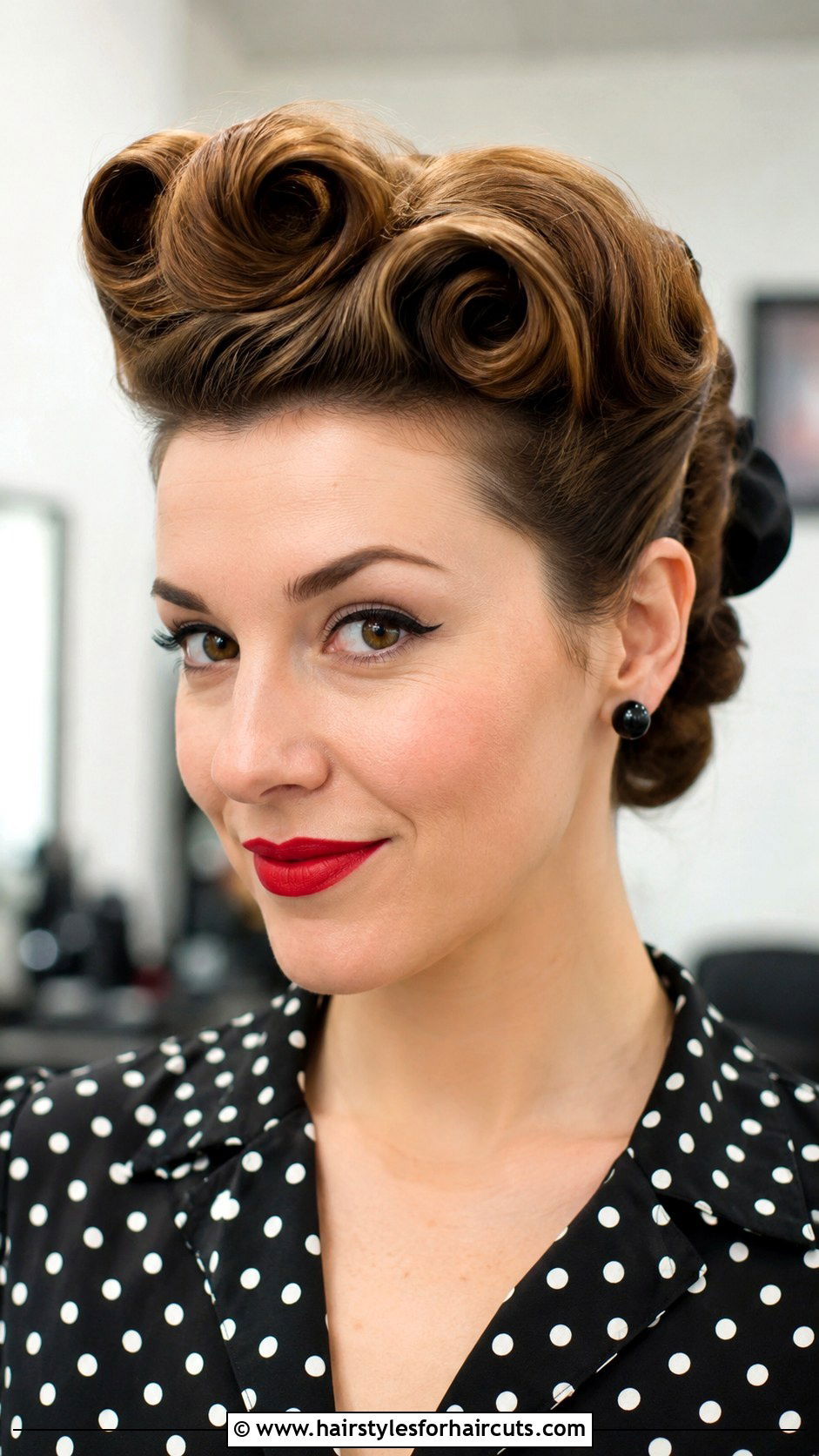
Nothing captures the spirit of the 1940s quite like victory rolls. This iconic hairstyle features voluminous curls rolled upward and pinned securely to the top of the head. Women originally wore this look to keep hair away from their faces while working in factories. It quickly became a symbol of patriotism and feminine strength. To achieve this classic shape, you need bobby pins, hairspray, and a bit of patience. Section the front portion of your hair, twist it upward, and pin it into place. The rolls should look smooth and seamless. This striking updo works beautifully for medium to long hair lengths. It remains a popular choice for vintage enthusiasts and retro events today.
2. Pin Curls Updo
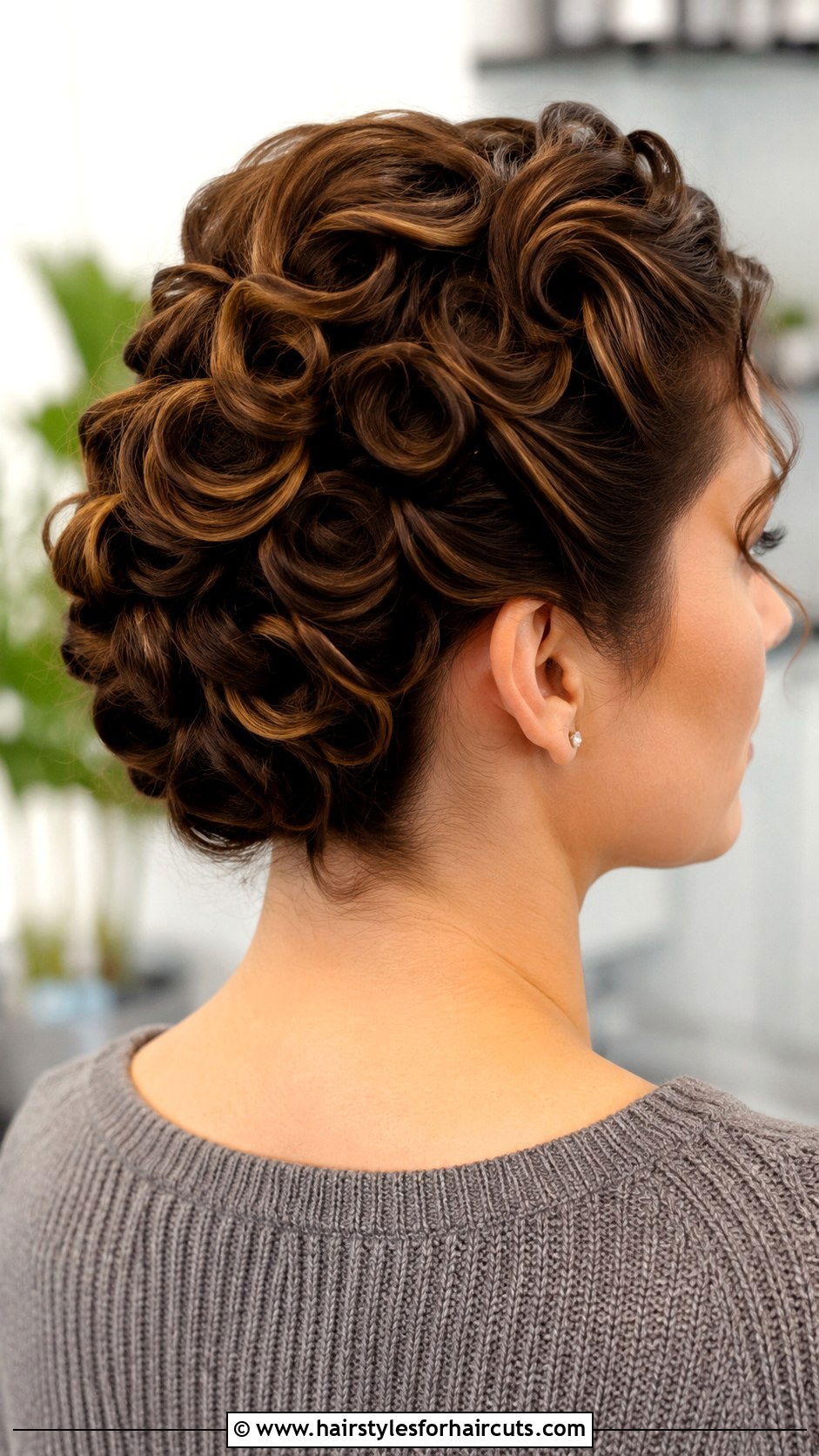
Have you ever wondered how 1940s women achieved those flawless, bouncy curls without modern tools? The secret lies in the timeless pin curls updo. Women would dampen their hair, wrap small sections around their fingers, and pin them flat against the scalp to set overnight. This heatless method created tight, long-lasting curls that framed the face beautifully. Once the pins were removed, the curls could be brushed out into soft waves or left defined for a more structured look. This technique works incredibly well for short and medium hair lengths. It requires no damaging heat, making it a healthy option. Pin curls remain a fundamental skill for anyone passionate about vintage styling.
3. 1940s Pompadour
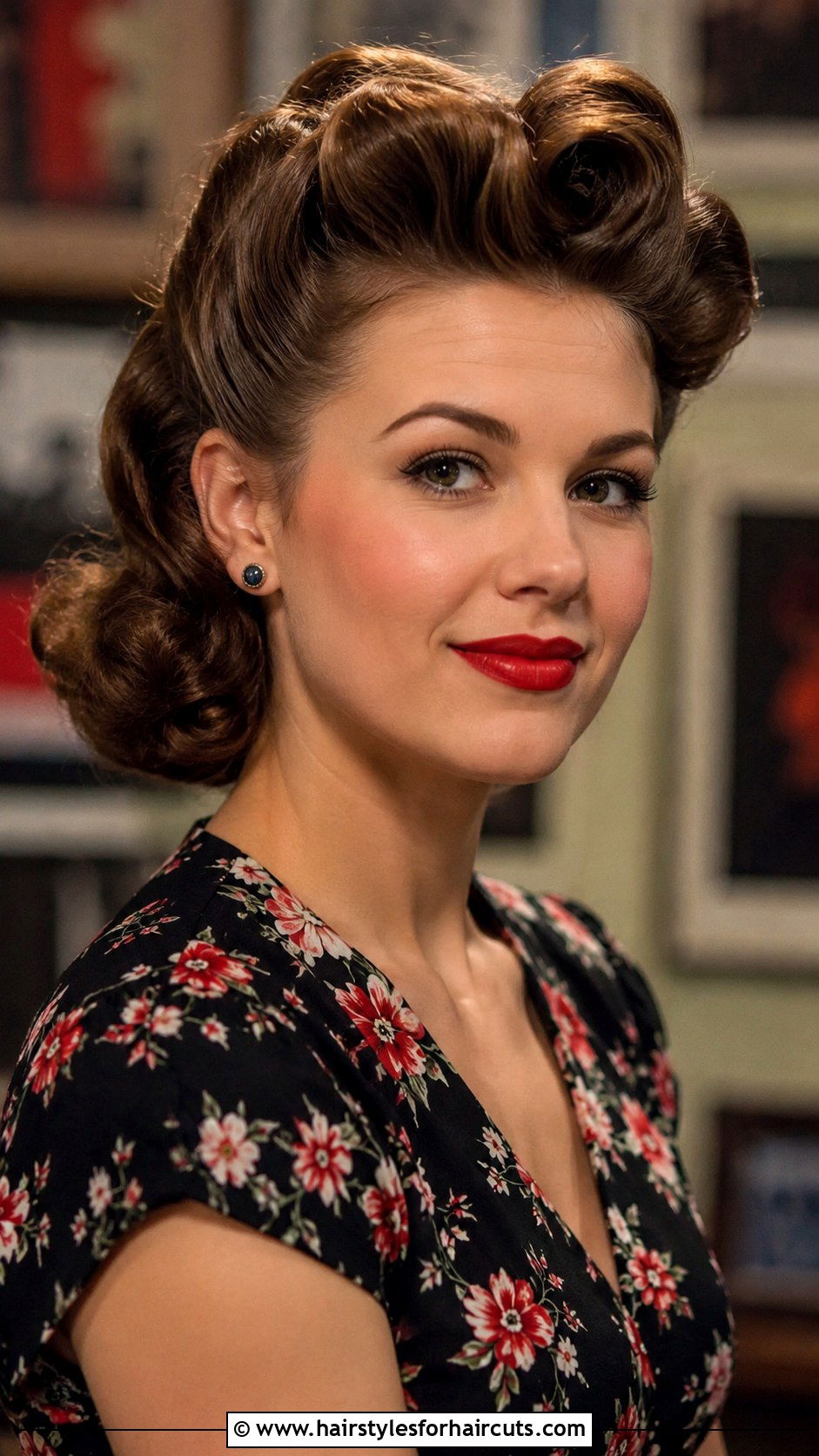
Stepping into the spotlight requires a touch of dramatic flair. The 1940s pompadour delivers exactly that with its towering volume at the front of the hair. Unlike the modern versions, the wartime pompadour was softer and highly feminine. Women would tease the front section heavily, smooth the surface, and secure it with pins toward the back. The remaining hair was usually styled into a low roll or left in sweeping waves. This look created striking height and elegance, perfect for a night out. It pairs wonderfully with a vintage dress and bold red lips. Even today, the pompadour adds instant vintage charm to any outfit. It remains a true classic.
4. Gibson Girl Tuck
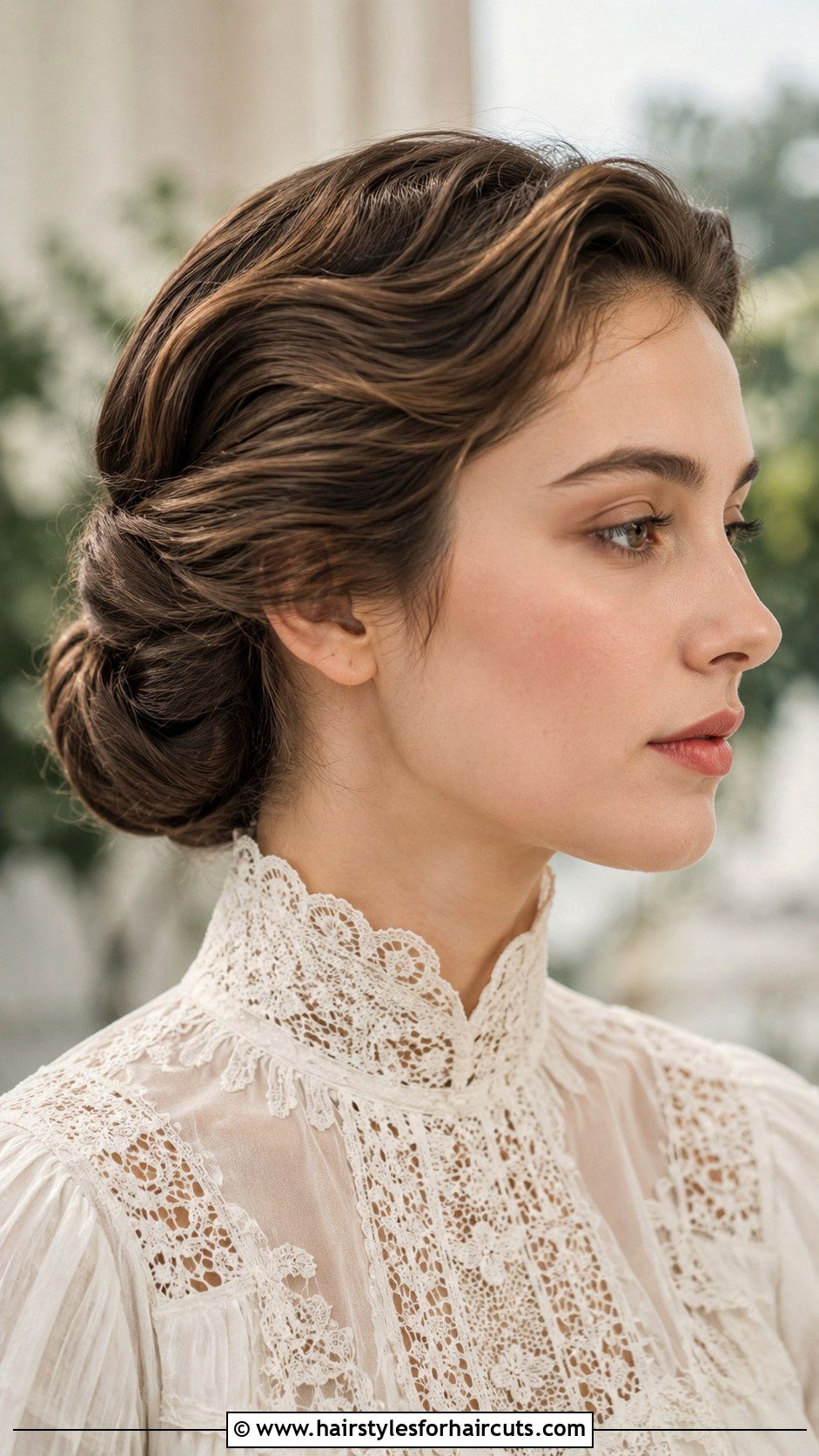
Simplicity often breeds the most elegant results. The Gibson girl tuck is a stunning updo that originated earlier but stayed highly relevant during WW2. It involves gathering the hair at the nape of the neck, twisting it upward, and tucking it under itself before securing with pins. This creates a soft, rolling effect at the back of the head. It was a favorite among women who needed a quick but sophisticated way to manage longer hair. The style keeps the neck cool and the hair secure, which was essential for warm weather or active duty. It requires minimal styling products and works beautifully on thick, long hair.
5. Rosie The Riveter Headscarf Hair
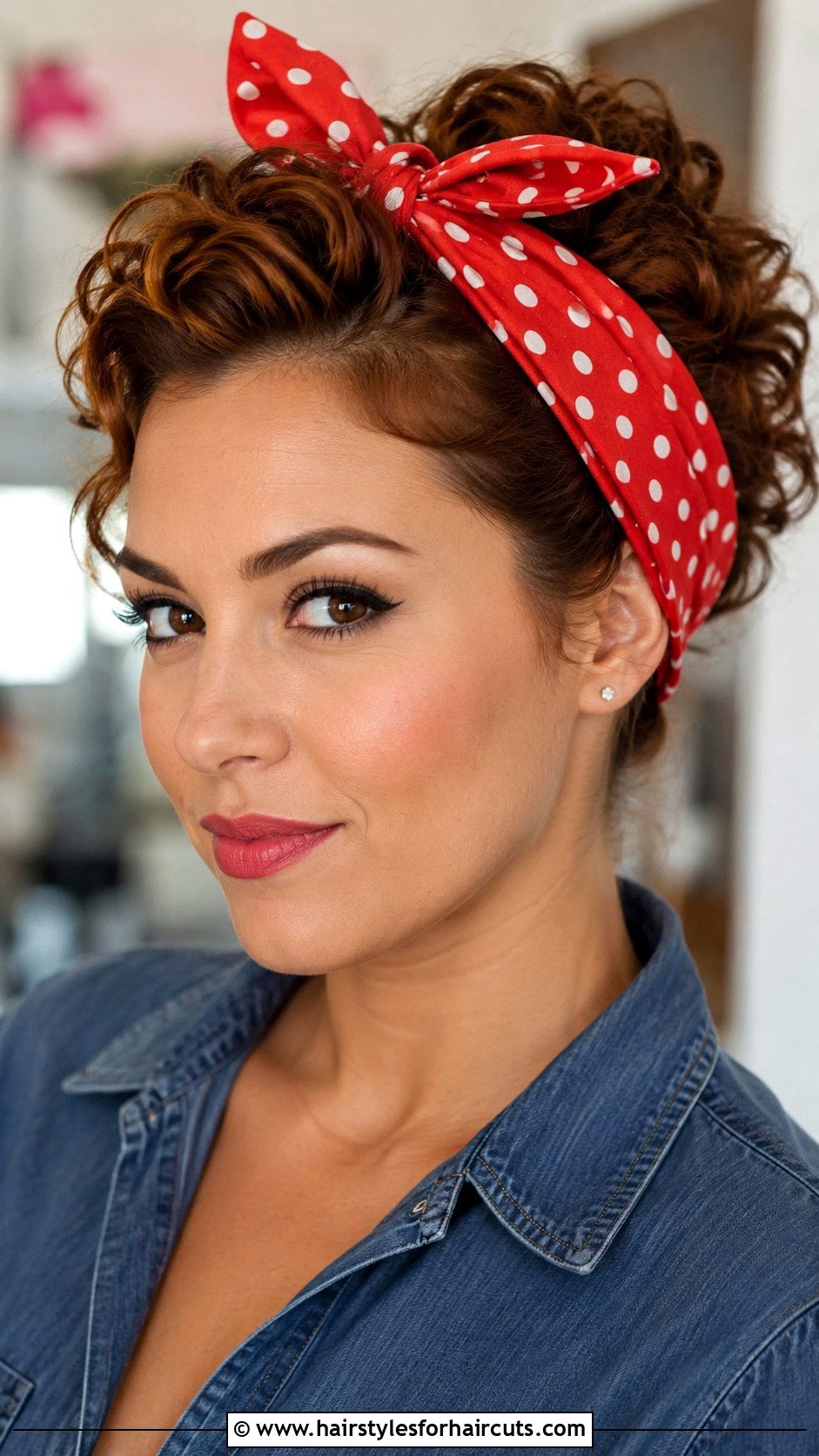
Imagine working a demanding factory shift while still looking effortlessly stylish. The Rosie the Riveter headscarf hair became the ultimate symbol of working women during the war. With men overseas, women took on industrial jobs and needed their hair safely tied back. A colorful scarf was folded into a triangle, wrapped over the top of the head, and tied securely at the back. The hair underneath was usually rolled or pinned flat to prevent any loose strands. This practical look kept hair away from dangerous machinery while maintaining a patriotic sense of duty. Today, it stands as a powerful tribute to female empowerment and remains a cute, casual retro option.
6. Peekaboo Bangs
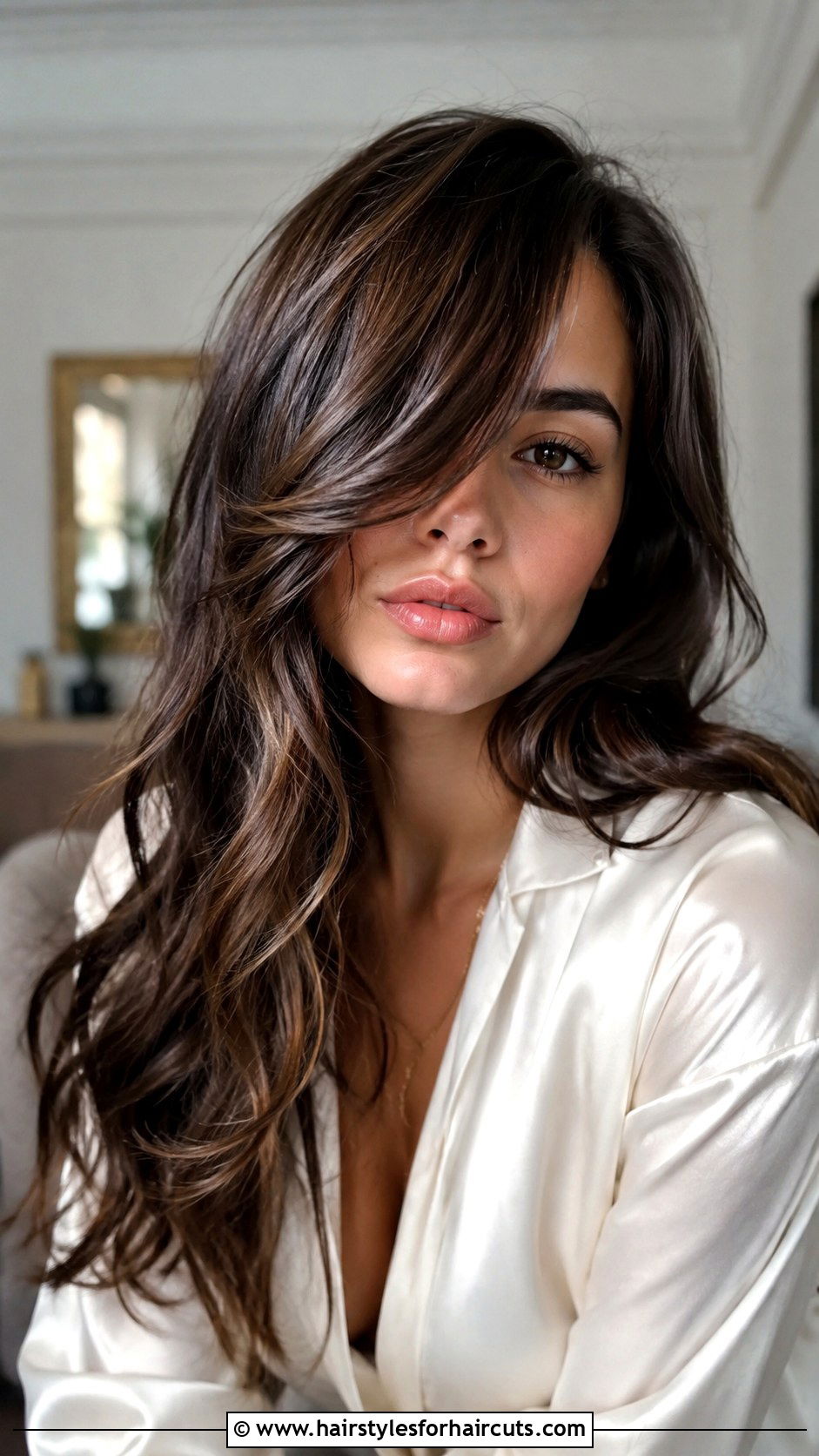
Veronica Lake made this sultry style famous across the nation. Peekaboo bangs feature a deep side part with long, sweeping waves that cascade over one eye. The hair falls dramatically across the forehead, creating a mysterious and alluring look. During WW2, this style was actually discouraged for factory workers because the long bangs posed a safety risk around machinery. However, it remained the ultimate glamorous look for evenings and Hollywood stars. Achieving this look requires setting the hair in large rollers to create smooth, flowing waves. It works best on medium to long hair. The peekaboo style adds instant vintage drama to any modern outfit today.
7. Chignon
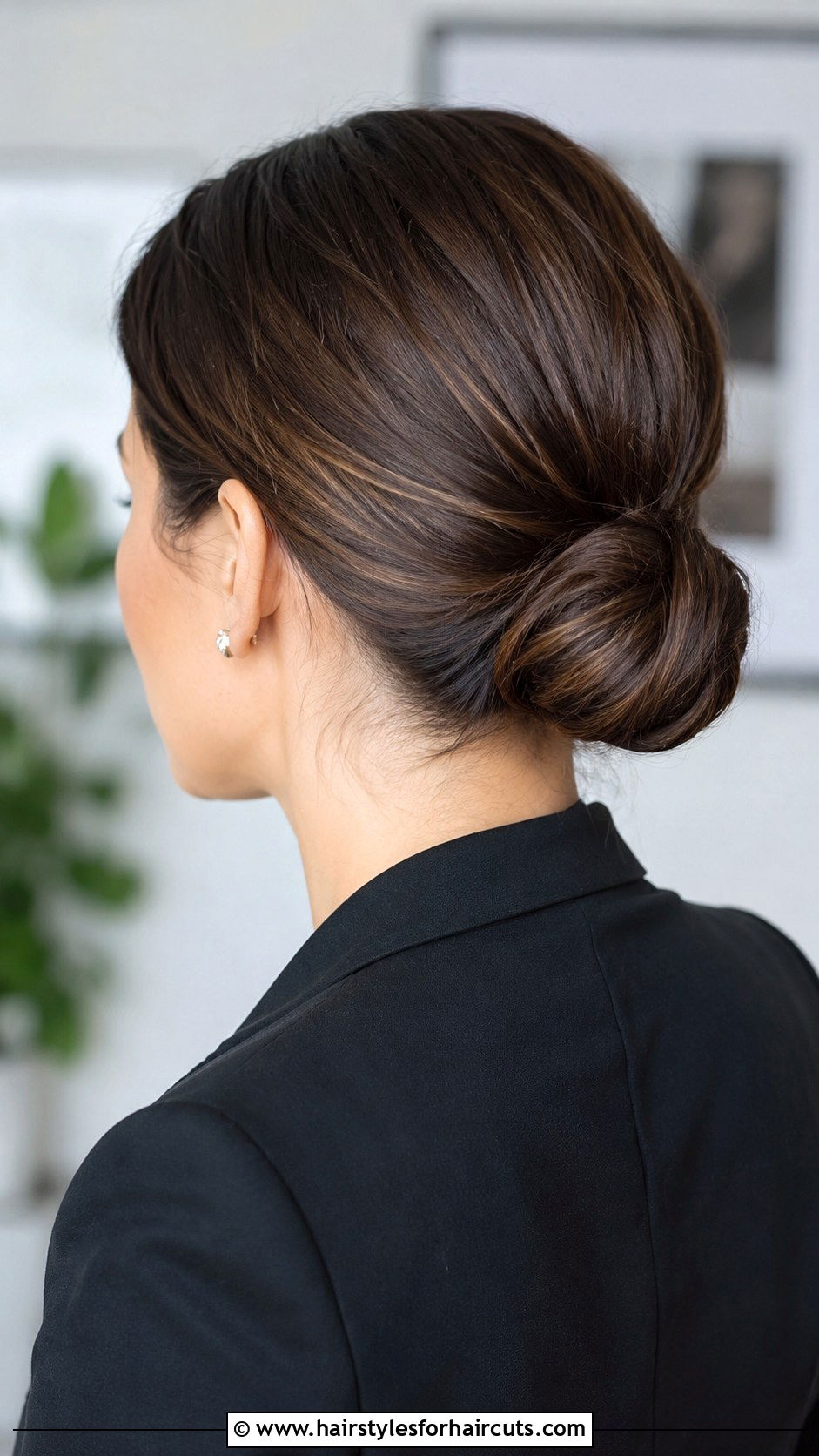
Elegance meets everyday practicality in this classic wartime look. The chignon is a simple low bun positioned at the nape of the neck. During the 1940s, this hairstyle was a go-to choice for women in the military and those working in offices. It looked professional, neat, and stayed out of the way during long shifts. Women would often twist the hair into a figure-eight shape before pinning it securely. Sometimes a hairnet was added for extra hold. The chignon works wonderfully for all hair types and requires very few accessories. It exudes a refined, polished vibe that translates perfectly to modern professional environments. This style is effortlessly sophisticated.
8. Half Up Half Down Waves
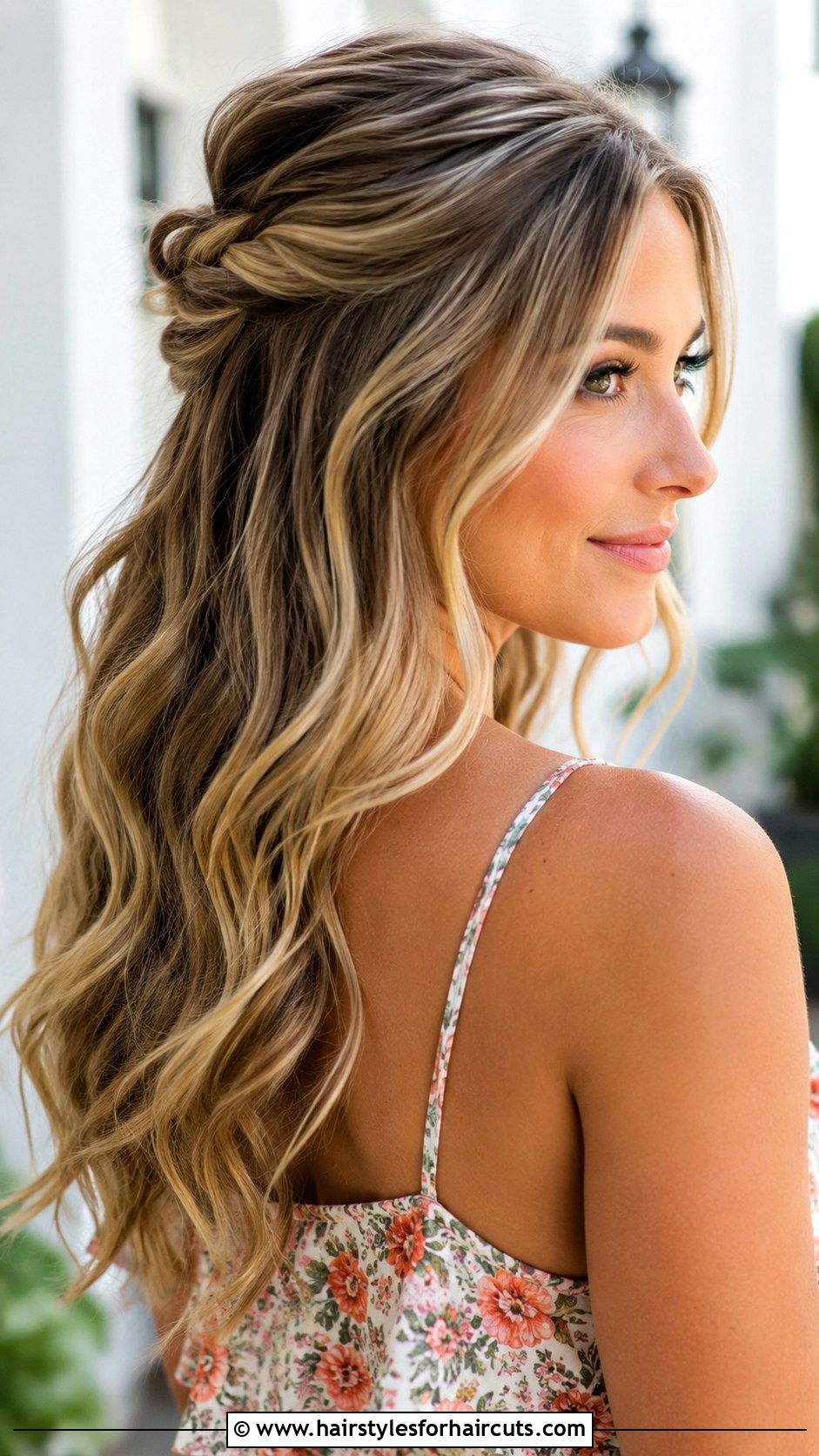
Finding the perfect balance between casual and dressed up can be tricky. Half up half down waves offer a beautiful solution that gained massive popularity during the war years. Women would pull the top half of their hair back, often incorporating a small roll or pompadour, while leaving the back in soft, bouncing curls. This kept the hair out of the face while still showcasing length and femininity. It was a versatile choice suitable for daytime errands or evening dances. Creating this look involves curling the bottom half and pinning the top securely. It flatters almost every face shape. This style perfectly captures the romantic essence of the 1940s.
9. Side Swept Waves
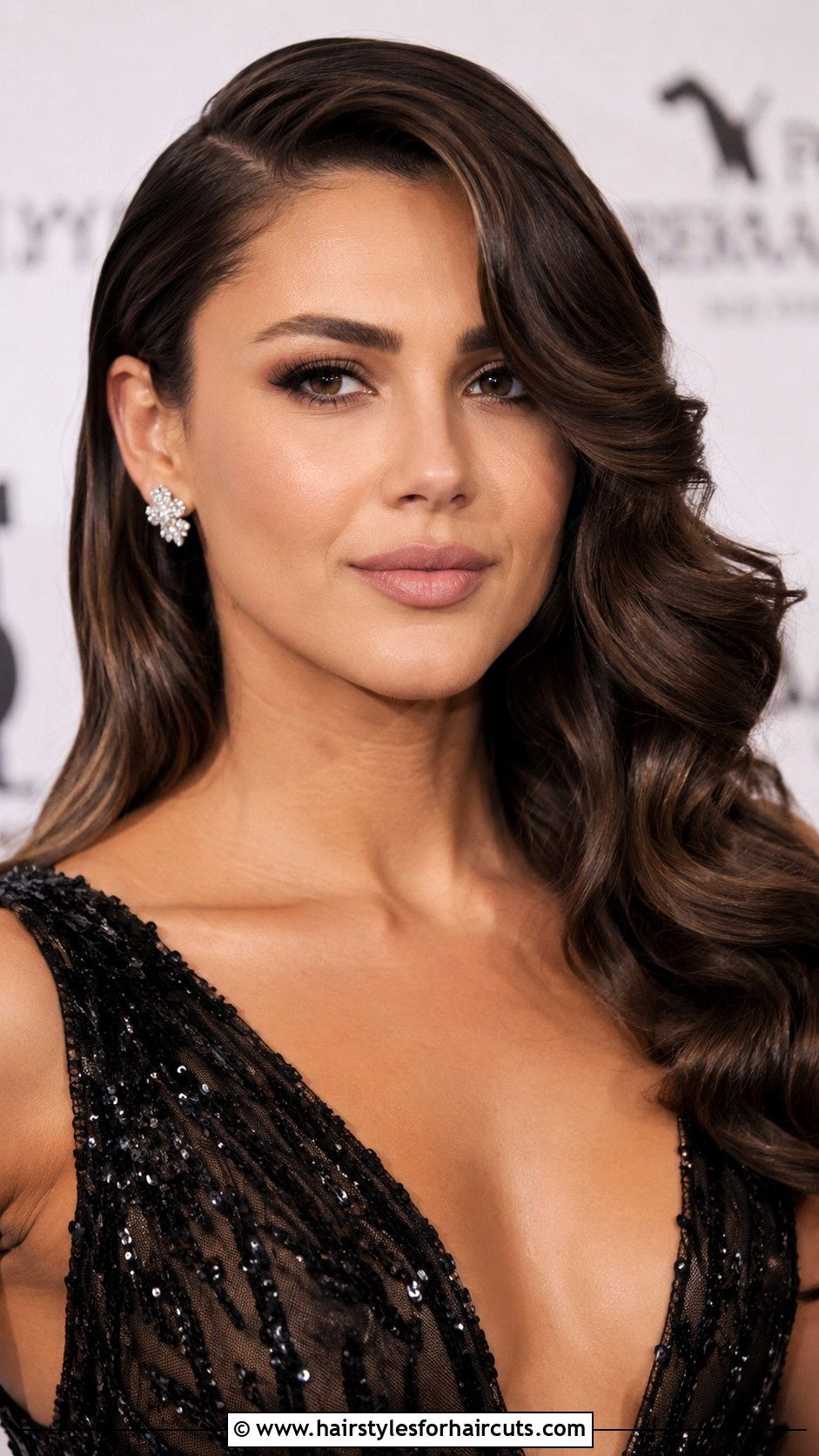
There is something undeniably glamorous about deep side parts and sweeping waves. Side swept waves became a hallmark of 1940s beauty, offering a sophisticated and feminine look. Women would part their hair far to one side and brush the heavy section over in smooth, structured waves. The ends were curled under to create a polished finish. This style worked exceptionally well for shoulder-length hair, giving the illusion of thickness and volume. It was frequently seen on movie stars and in fashion magazines of the era. Achieving this look requires a good setting lotion and strong hold hairspray. It remains an iconic choice for anyone loving old Hollywood charm.
10. Milkmaid Braids
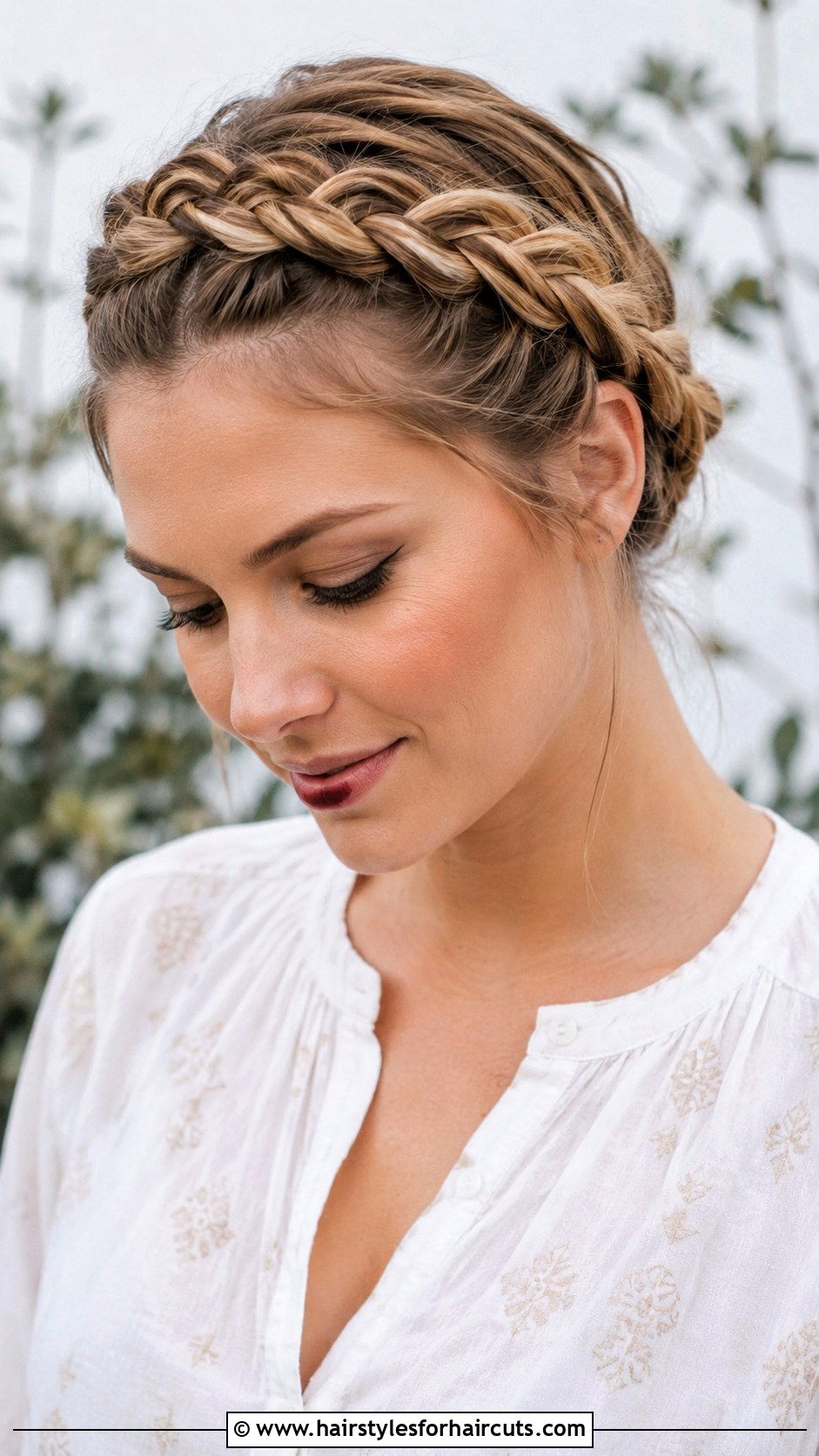
Keeping hair neat during long workdays required creative solutions. Milkmaid braids provided a secure and charming way to manage longer hair. This style involves creating two pigtail braids, then wrapping them up and across the top of the head like a crown, pinning them securely in place. It completely protects the ends of the hair and keeps every strand out of the way. Women loved this look because it was practical and could last for days without needing much touch-up. It also has a sweet, rustic appeal that fits the wartime make-do attitude. This protective style works great today for hot summer days or vintage-inspired outings.
11. Barrel Curls
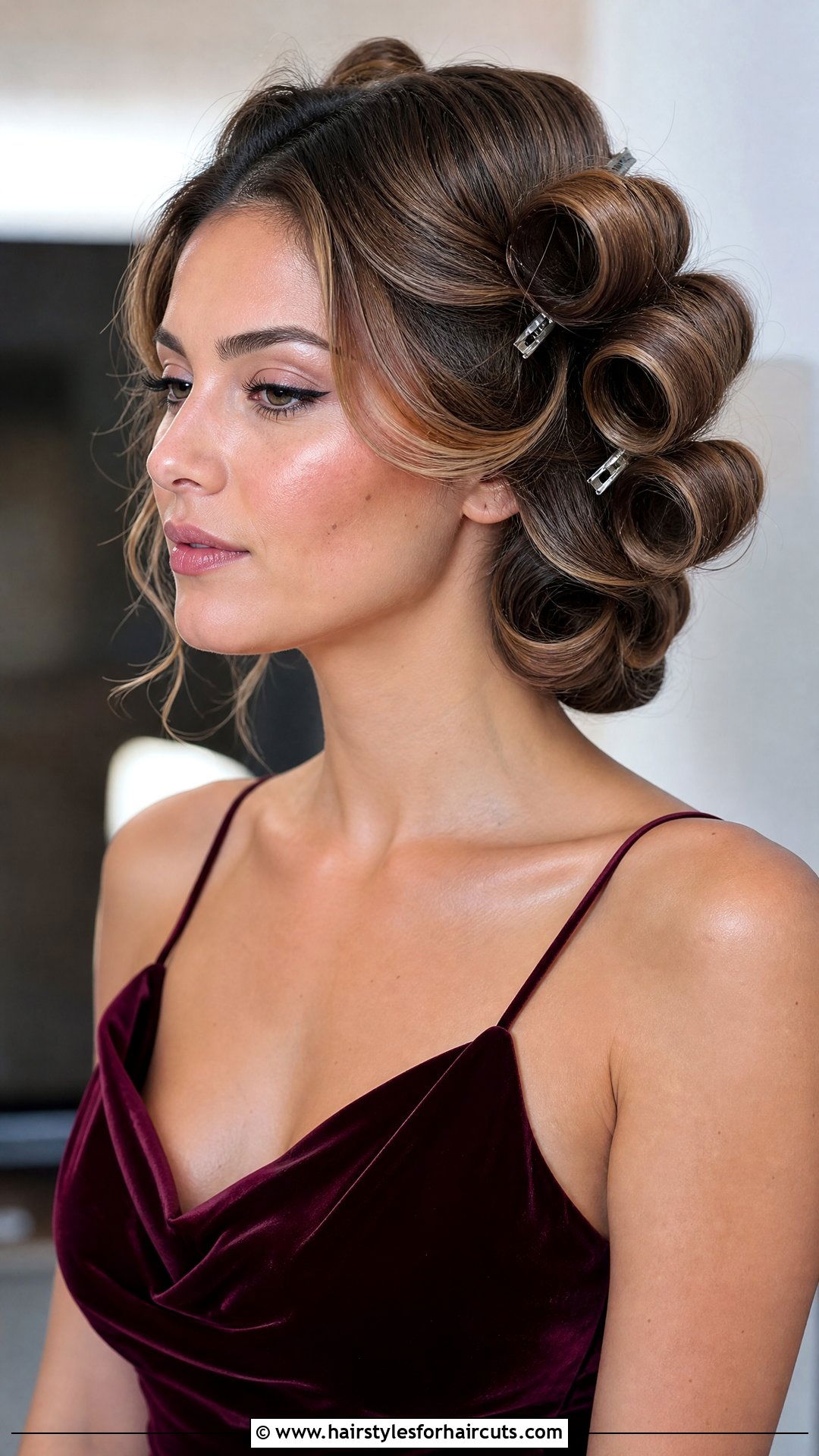
Creating a regal, sculpted appearance was easy with barrel curls. This formal hairstyle involves taking sections of hair, rolling them into large, hollow cylinders, and pinning them flat against the head. The result is a stunning arrangement of thick, structured curls that frame the face. It was a popular choice for wartime weddings and formal dances because it looked incredibly polished. Unlike pin curls, barrel curls are set on large rollers or formed directly with fingers and pinned in place for the final style. This technique requires strong hold gel and plenty of bobby pins. It looks amazing on medium to long hair and exudes pure 1940s elegance.
12. Snood Hairstyle
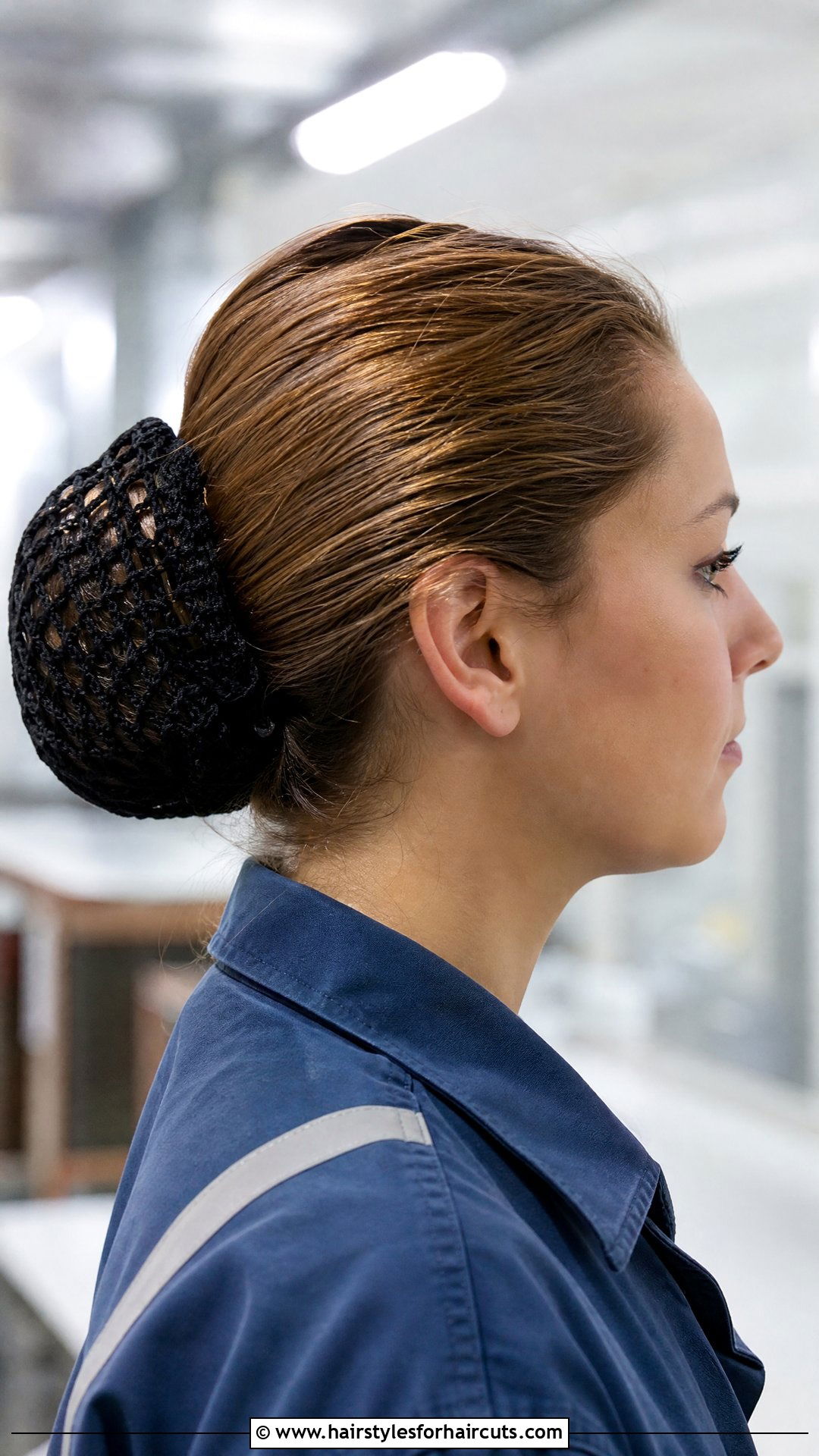
Factory work demanded safety, but women still wanted to look stylish. The snood hairstyle offered the perfect answer. A snood is a crocheted or fabric net that holds the hair at the back of the head. Women would gather their hair, twist it into a basic roll or simply tuck it up, and cover it with the decorative net. This kept all loose ends contained and away from machinery while adding a touch of vintage charm. Snoods came in various colors and patterns, allowing for personal expression. They were easy to throw on during busy mornings. Today, they offer a unique and authentic touch for retro enthusiasts.
13. Bumper Bangs
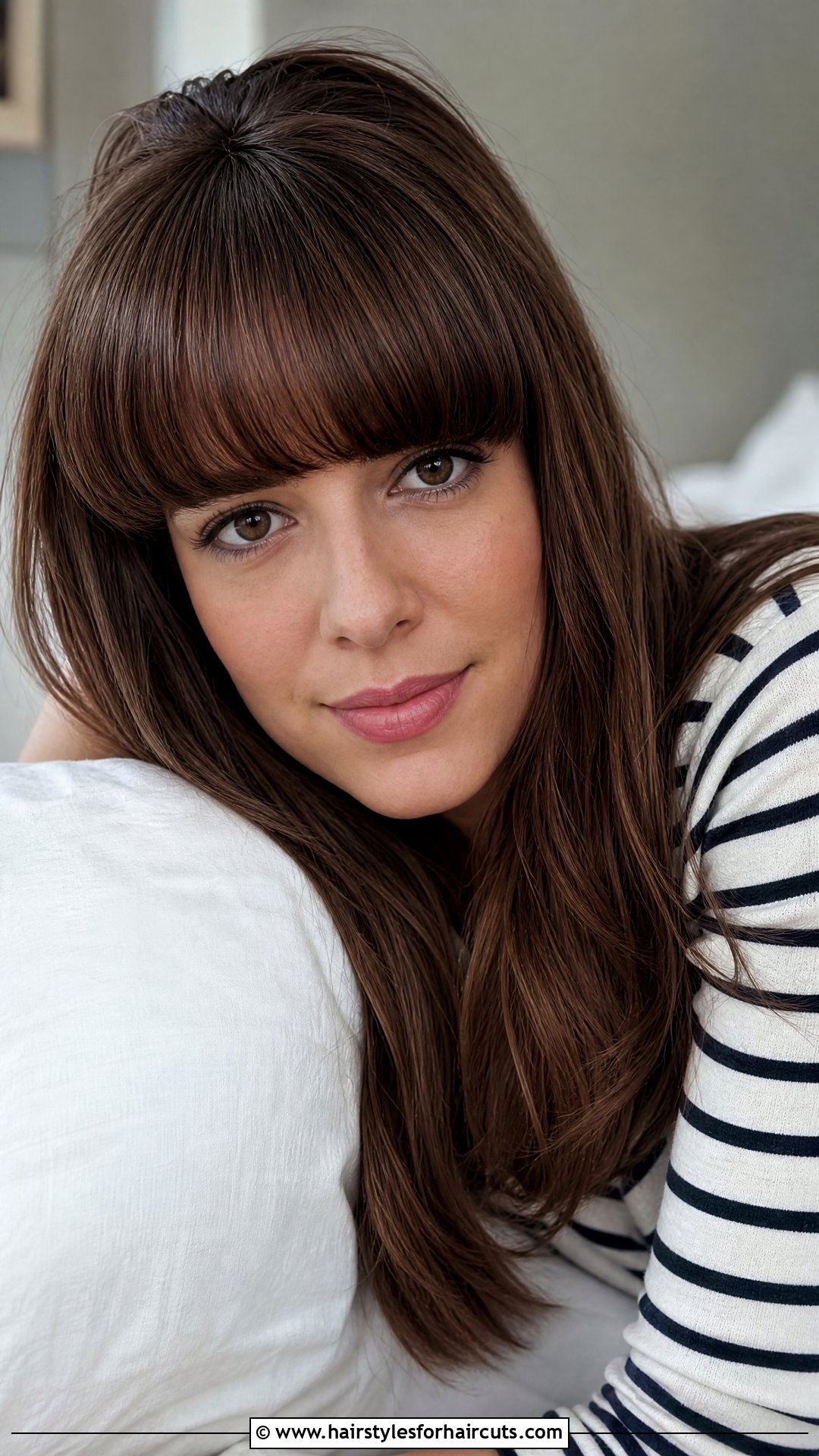
Want to add instant vintage height to your look? Bumper bangs are the perfect solution. This fun style involves taking the front section of the hair, rolling it smoothly over a hidden rat or cushion, and pinning it into a thick, cylindrical shape across the forehead. The rest of the hair is typically styled in waves or a low updo. This creates a striking frame for the face and adds a playful bounce to the front. During the 1940s, women used rolled-up stockings or saved hair from their brushes to create the volume. It is a cheerful and iconic look that still turns heads today.
14. Finger Waves
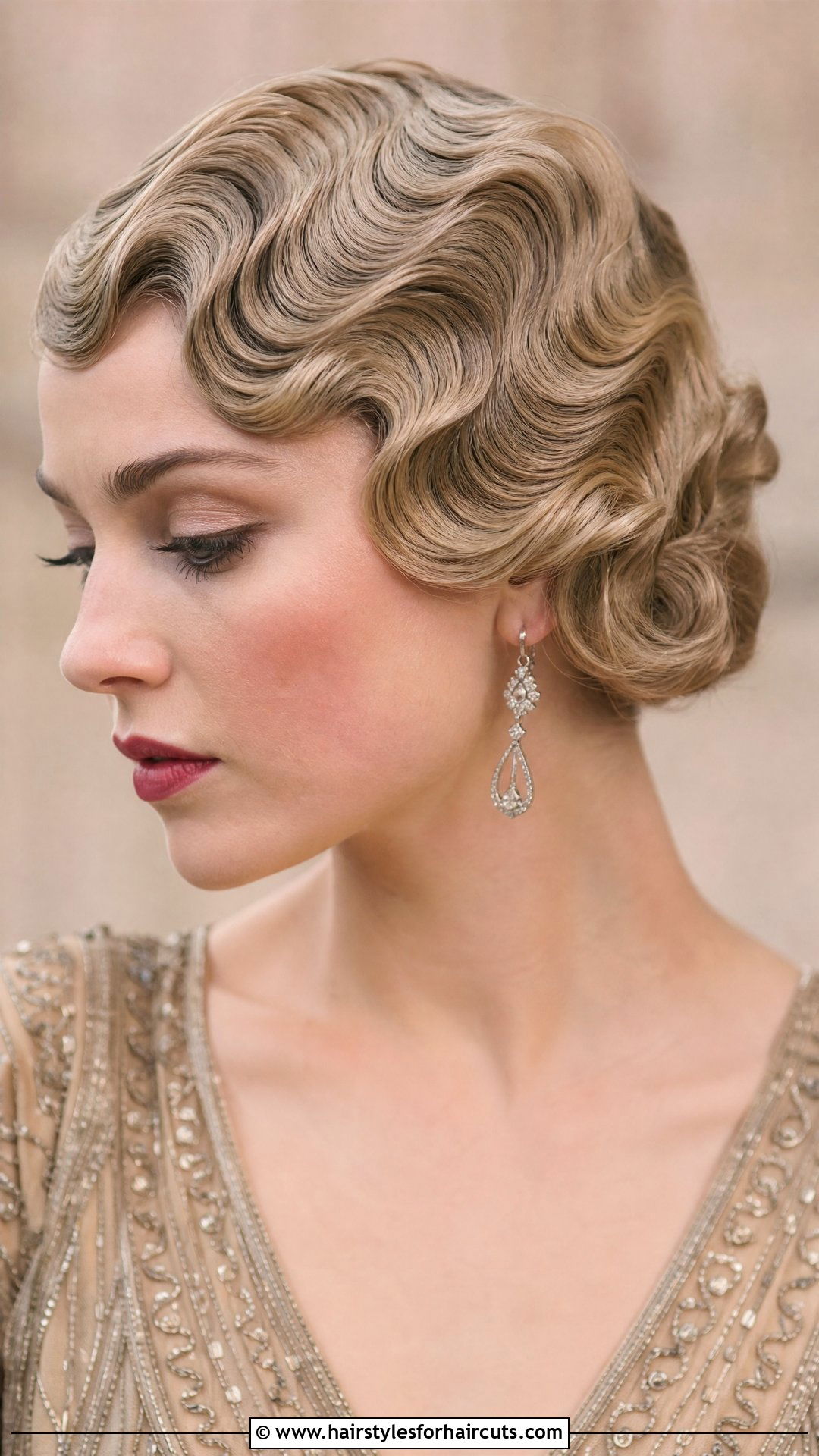
Sculpting hair into fluid art was the hallmark of finger waves. This highly stylized technique uses your fingers and a comb to mold wet hair into deep, sweeping S-shaped waves. It was incredibly popular in the 1940s for shorter hair lengths, though longer hair could be pinned up into waves too. The hair is pressed into place and allowed to dry completely, resulting in a hard, glamorous finish. It requires skill, patience, and strong hold gel. This style was often seen on Hollywood elites and high-society women. Finger waves remain a breathtaking choice for formal events, offering a truly authentic piece of vintage hair artistry.
15. Hollywood Waves
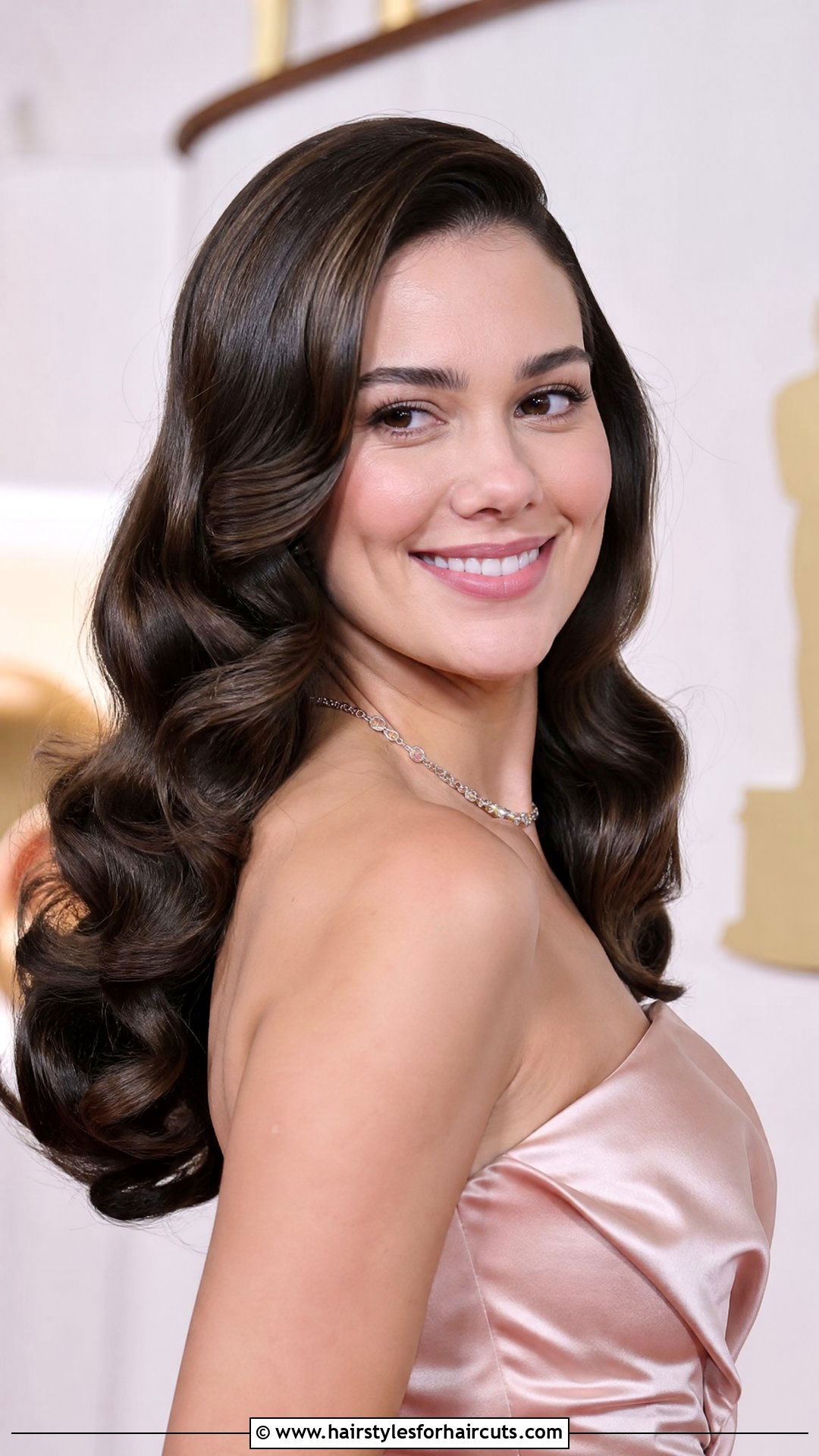
The silver screen dictated the ultimate beauty standards of the era. Hollywood waves were the epitome of 1940s glamour, characterized by deep, shiny, and uniform waves that cascaded over the shoulders. Unlike structured finger waves, these were softer and brushed out to create a smooth, flowing effect. Actresses like Rita Hayworth popularized this luxurious look. Achieving it required setting the hair in large pin curls or rollers, then brushing them out meticulously. A shine serum was essential for that glossy finish. This style is perfect for formal occasions when you want to channel pure movie star elegance. It never goes out of fashion.
16. Military Crew Cut
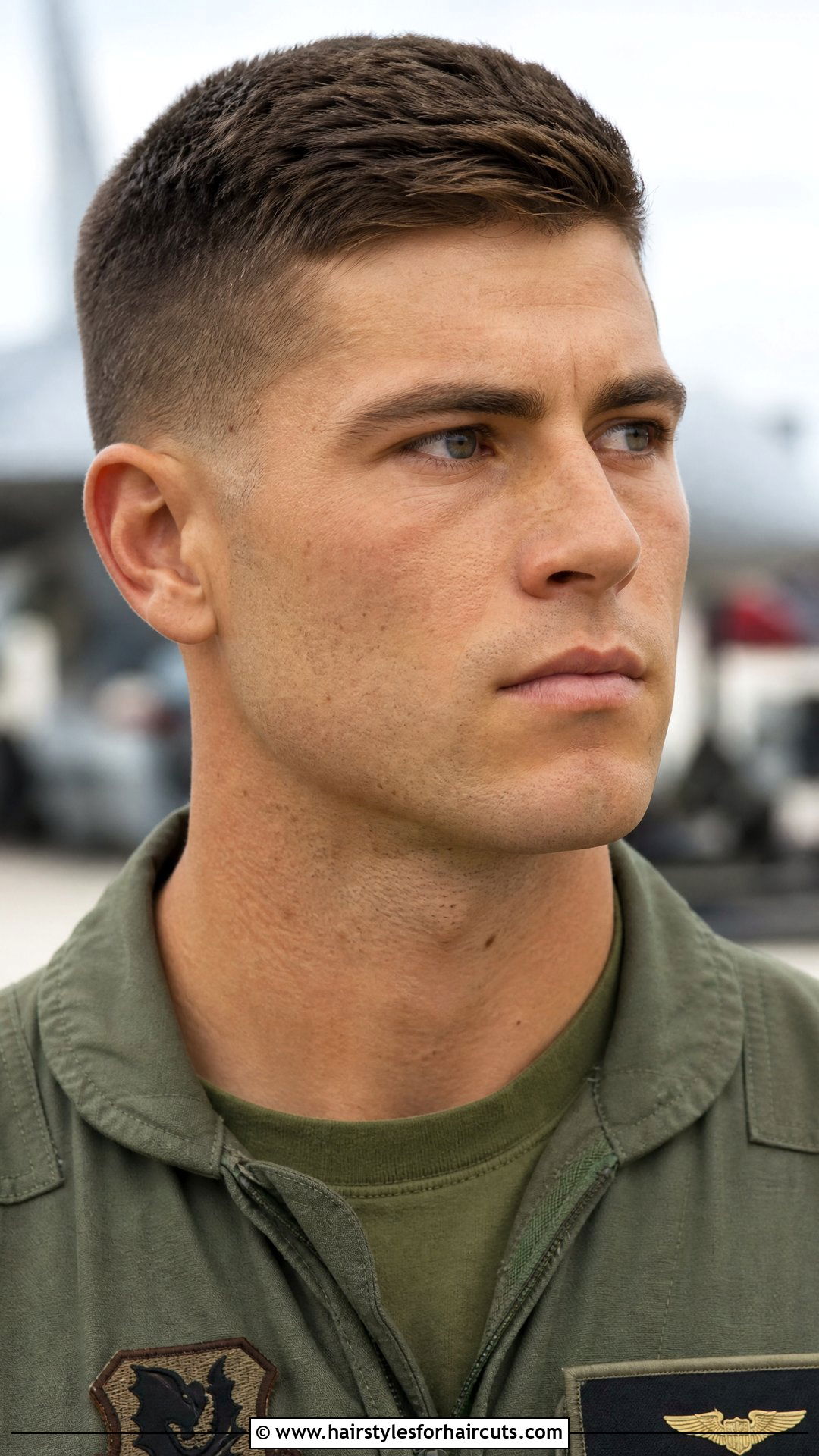
Moving to the men’s styles of the era, practicality and regulation ruled the day. The military crew cut was the standard for soldiers entering service. This extremely short haircut features closely clipped sides and back, with a slightly longer top that tapers forward. It was designed for hygiene, ease of maintenance, and safety in combat situations. There was no need for styling products or combs. The crew cut highlighted facial features and projected a strong, disciplined image. After the war, veterans kept the style, making it a staple in barbershops across the country. It remains a timeless, masculine haircut that requires zero fuss.
17. Buzz Cut
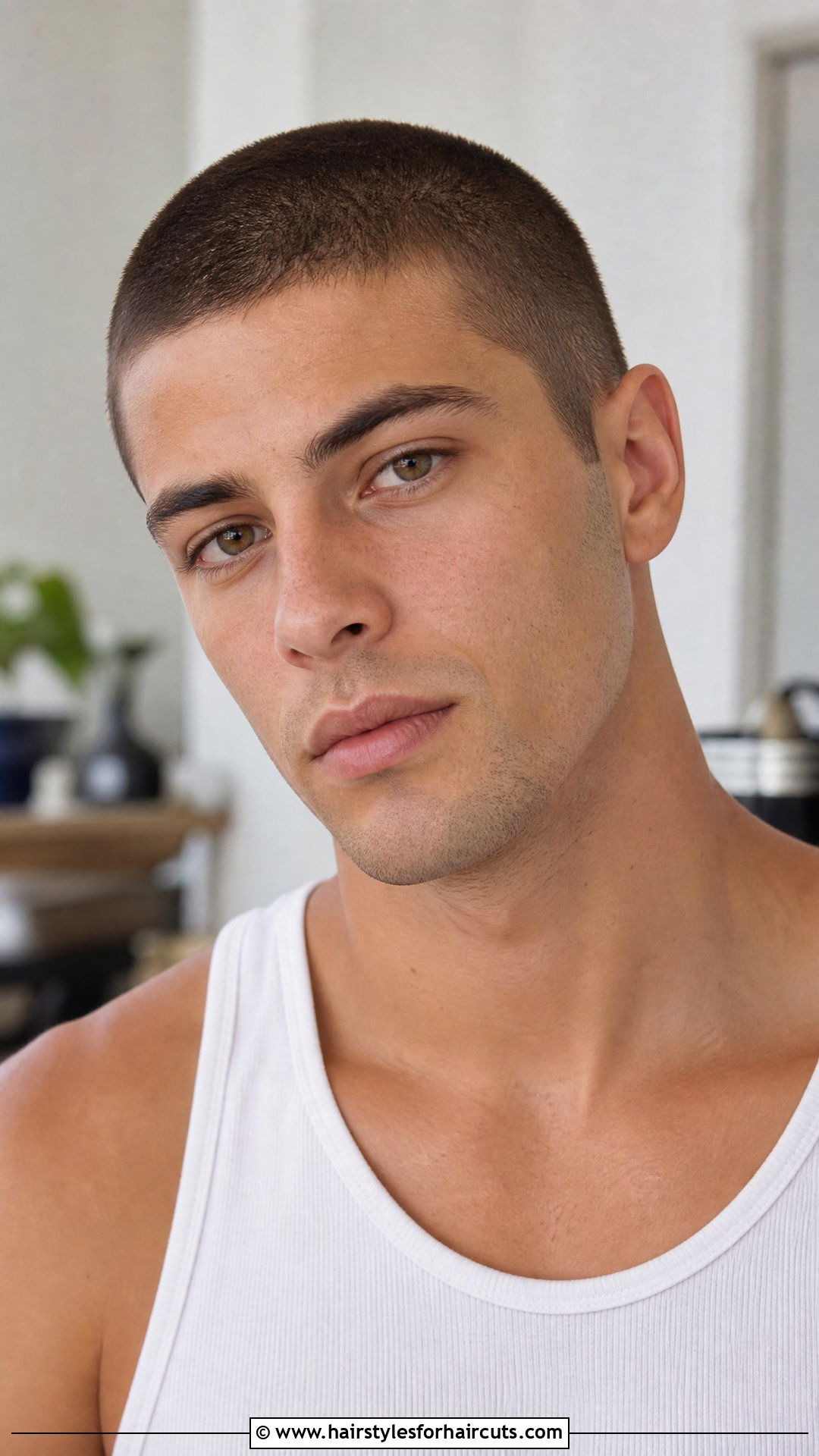
For the ultimate in low maintenance, the buzz cut reigned supreme during WW2. This style involves clipping all the hair to a uniform, extremely short length all over the head. It was often the first haircut new recruits received upon entering boot camp. The buzz cut was about stripping away individuality to build unit cohesion and ensure lice prevention in the trenches. It is fast, efficient, and completely practical. While it leaves little room for styling, it highlights the shape of the head and jawline. Today, it is still favored by men who prefer a clean, no-nonsense approach to their grooming routine. It represents raw simplicity.
18. Short Back And Sides
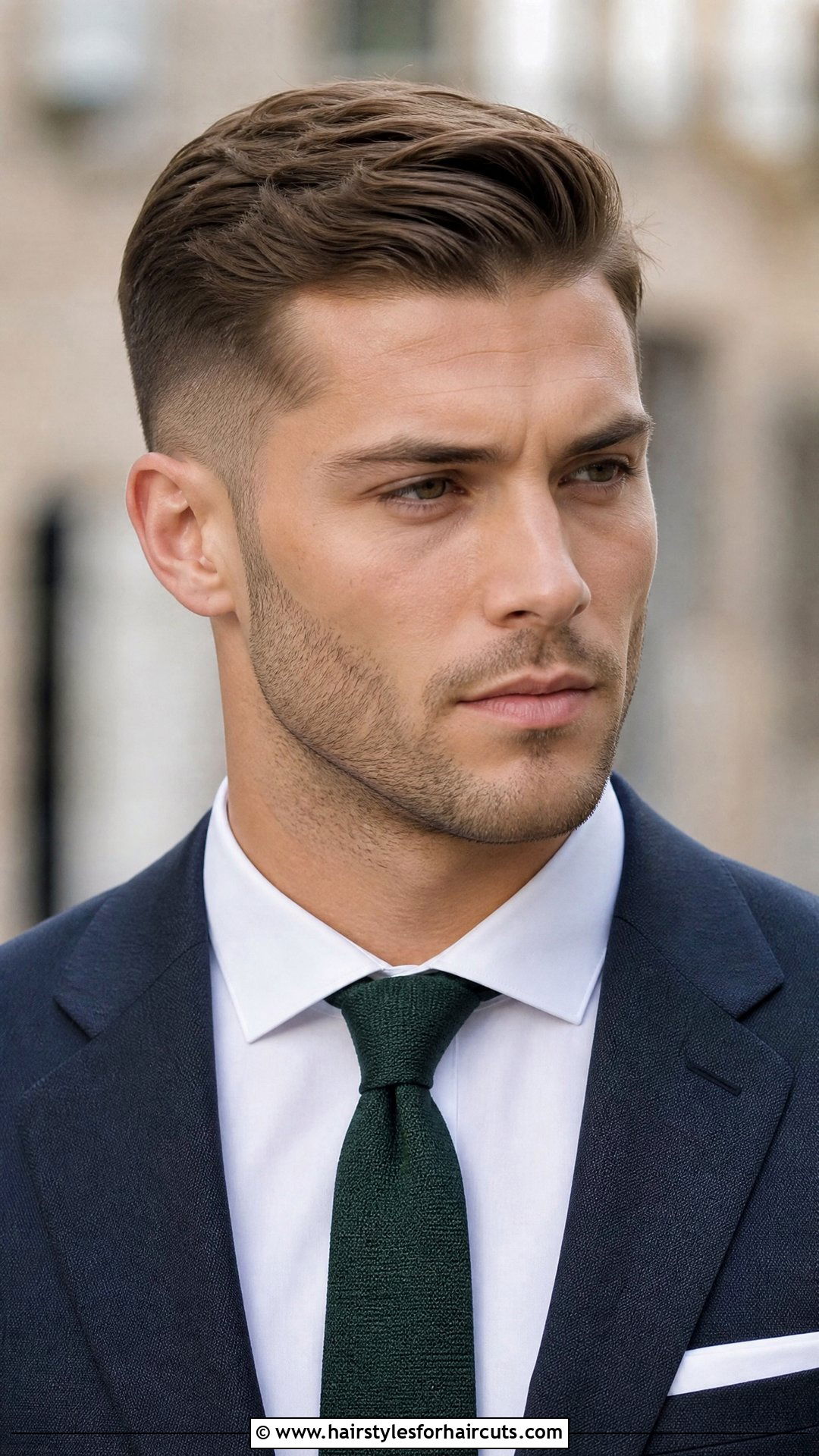
Walking into any 1940s barbershop would likely result in this classic. Short back and sides was the standard gentleman’s haircut of the era. The sides and back are clipped very short, fading into the longer hair on top. The top was usually left long enough to part and style with a bit of pomade. This offered a neat, professional appearance suitable for both civilians and off-duty soldiers. It required daily styling to maintain the part and keep the hair looking tidy. This cut is incredibly versatile and flatters almost all face shapes. It laid the foundation for many modern taper fades we see in barbershops today.
19. Ivy League Haircut
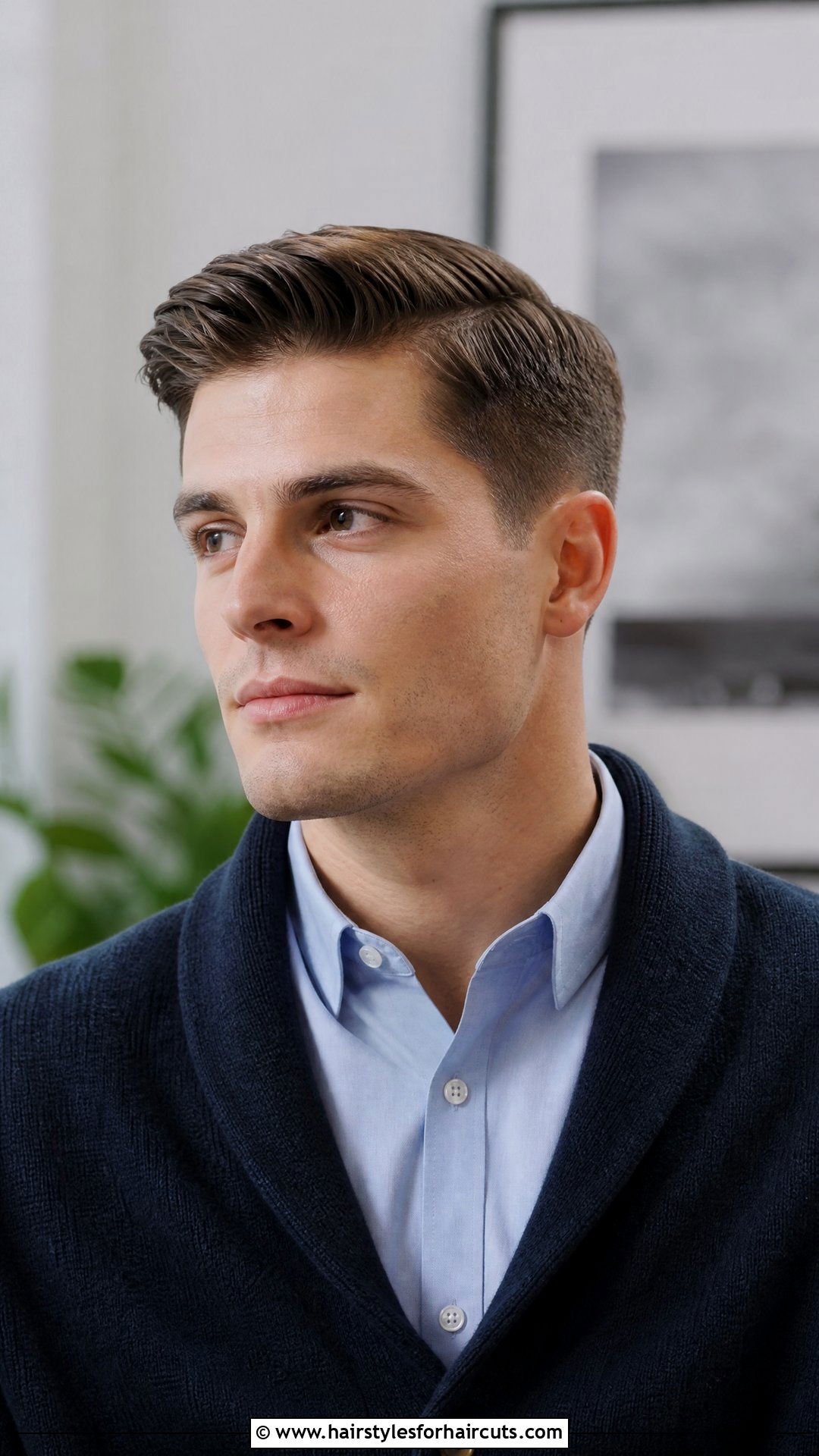
Balancing a neat appearance with a bit of collegiate flair was easy with the Ivy League haircut. Also known as a long crew cut, this style features short sides and back, but leaves enough length on top to part the hair or brush it to the side. It was popular among university students and officers who wanted a polished look that was still low maintenance. The top was usually styled with a light hold cream to keep it in place without looking greasy. It bridges the gap between a strict military cut and a civilian style. It remains a sophisticated choice for men seeking a refined vintage look.
20. 1940s Side Part
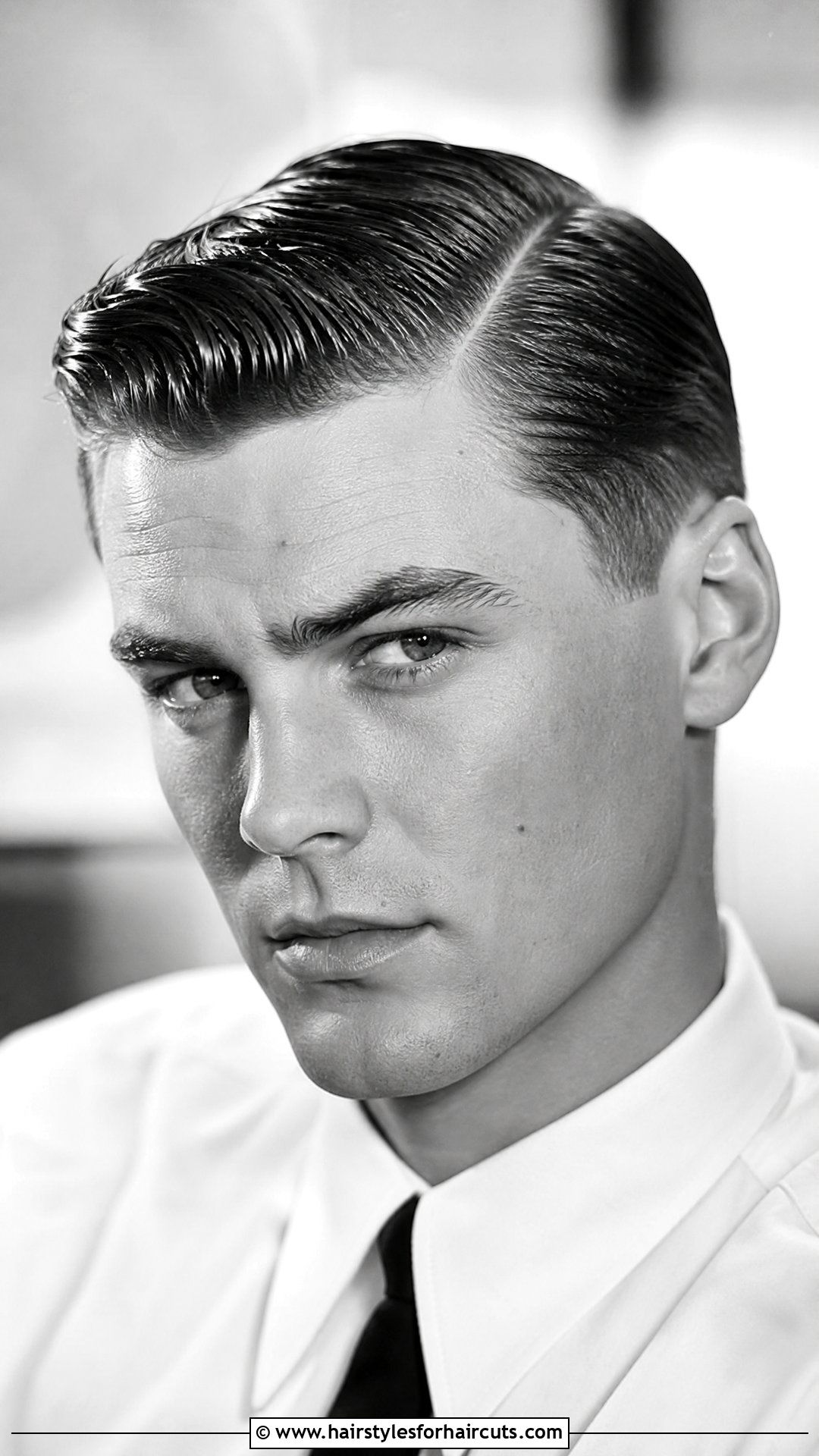
A well-groomed man in the 1940s almost always sported a crisp 1940s side part. This haircut is defined by a sharp, clean line parting the hair on one side. The top was left longer and slicked down with pomade, while the sides were tapered short. It was the default look for businessmen, musicians, and soldiers on leave. The key to this style is the sharpness of the part and the smooth lay of the hair. It projects respectability and classic masculinity. This look pairs perfectly with a tailored suit or a classic leather jacket. It is a timeless staple in men’s grooming.
21. Flat Top
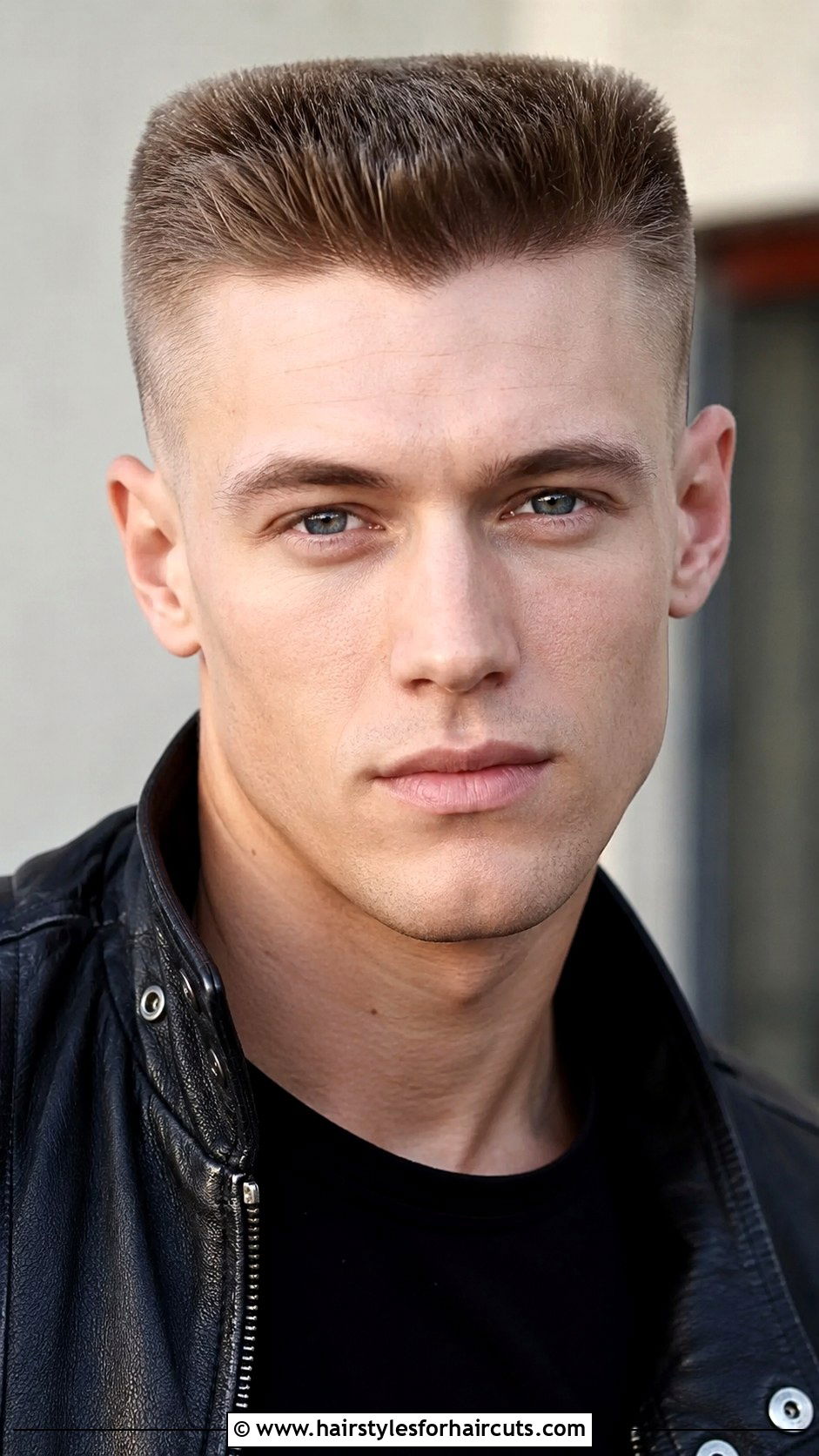
Standing tall was a literal concept with the flat top haircut. This military-inspired style cuts the sides very short while leaving the top longer, styling it to stand straight up and form a flat, level surface. It was popular among soldiers who wanted a sharp, striking look that stood out from the standard crew cut. Achieving this requires strong holding wax or pomade and a bit of skill with a comb. It gives a highly structured, architectural appearance to the hair. The flat top conveys a sense of tough discipline and confidence. It remains a bold choice for men who want a standout vintage military style.
22. Taper Fade
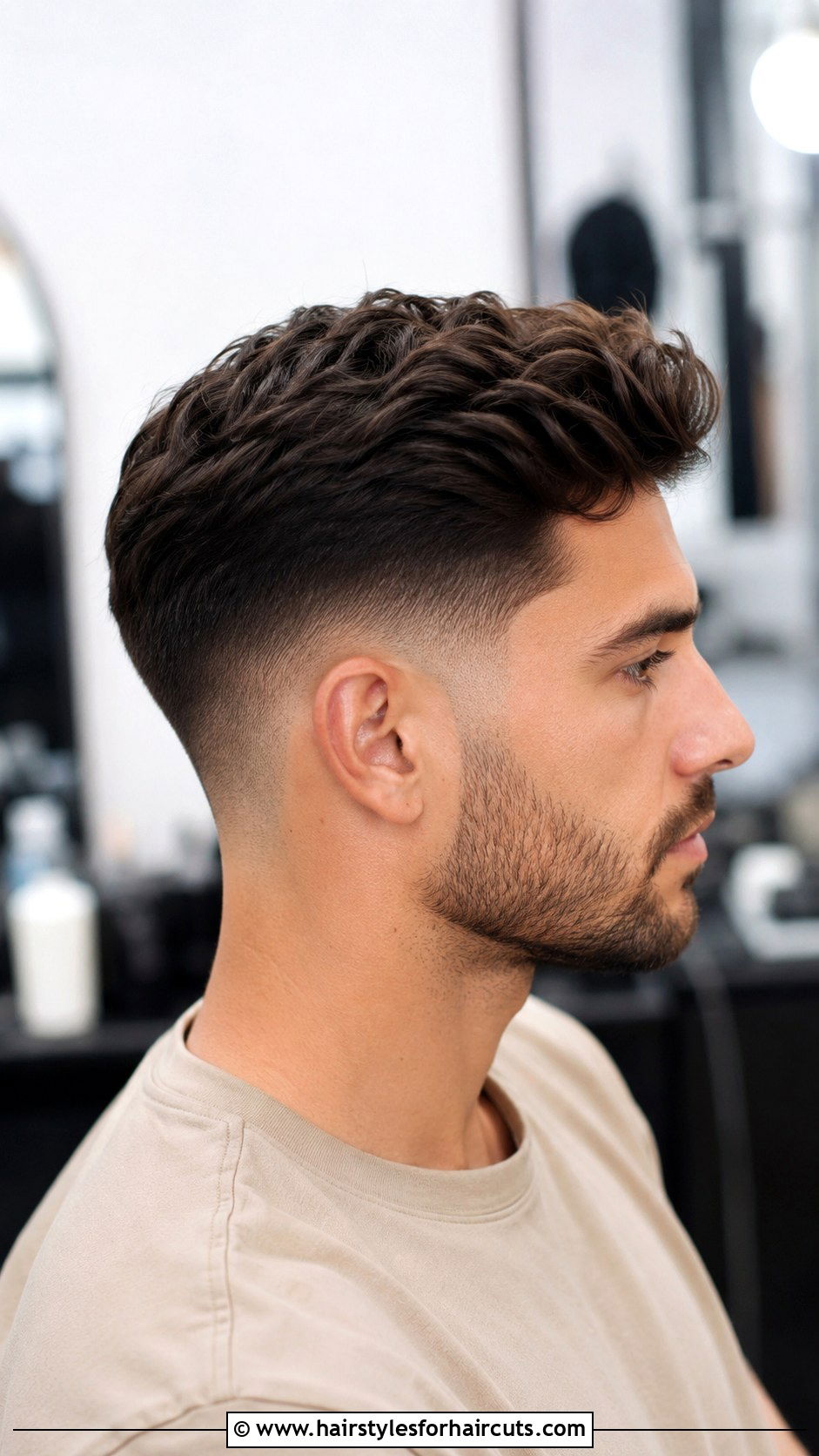
The foundation of classic barbering shines through in the taper fade. During WW2, barbers mastered the art of gradually tapering the hair from short at the bottom to slightly longer at the top. This created a clean, seamless transition that looked incredibly sharp. It was essential for military standards, ensuring no bulky or uneven areas remained. The taper fade was usually paired with a side part or a slick back on top. It requires steady hands and quality clippers to execute perfectly. This cut remains one of the most requested barbershop styles today. Its enduring popularity proves its status as a cornerstone of men’s grooming.
23. Ducktail
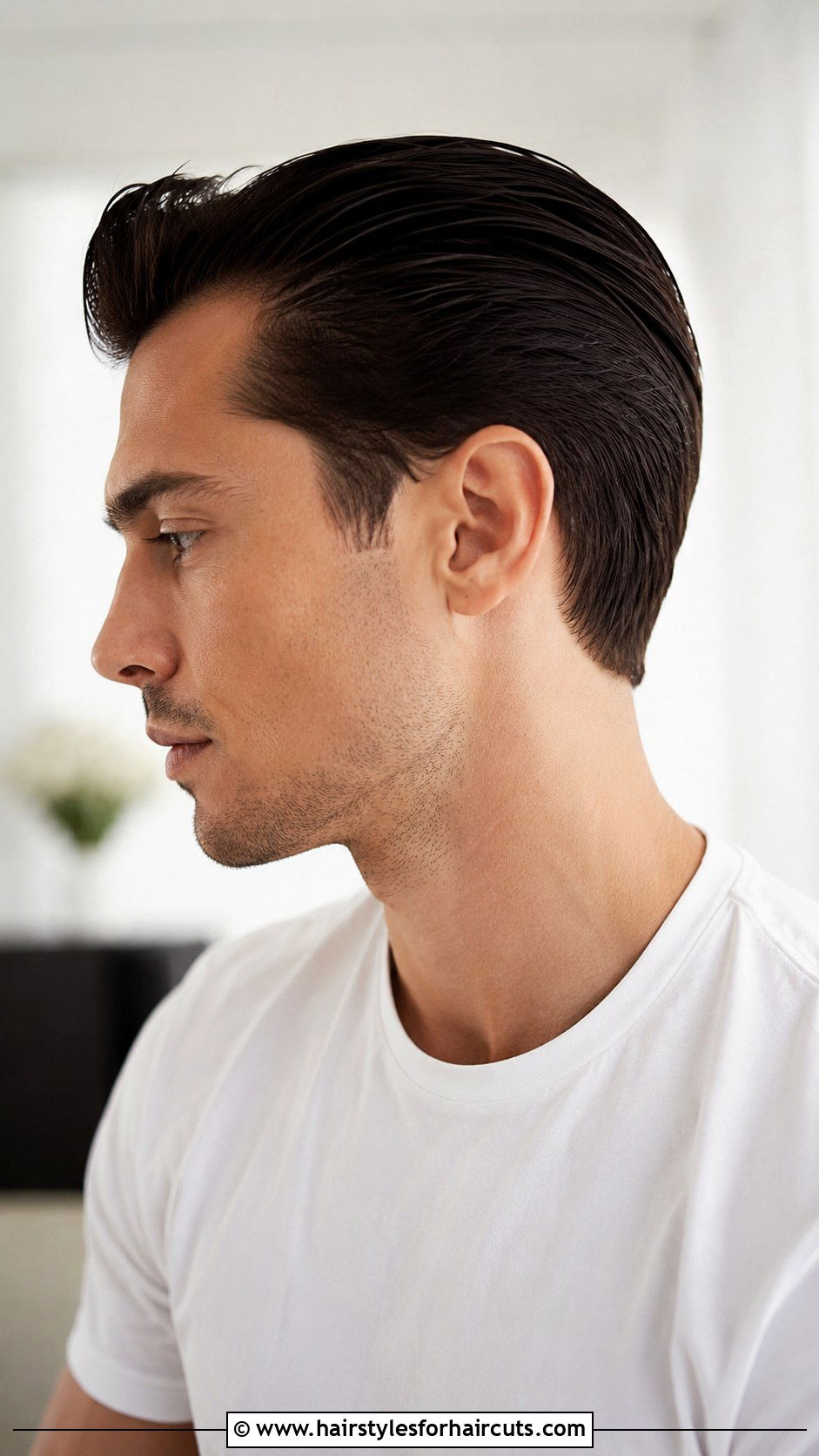
The roots of youth rebellion can be traced to the ducktail haircut. Also known as the duck’s ass, this style started emerging in the late 1940s as men began pushing back against strict military regulations. The sides were grown out and slicked back to meet in the middle at the back of the head, resembling a duck’s tail. The front was often styled into a pompadour or left falling onto the forehead. It required heavy pomade to maintain its shape and shine. This look became the precursor to the greaser culture of the 1950s. It offers a rebellious, edgy vibe that stands out from typical wartime neatness.
24. Brush Up
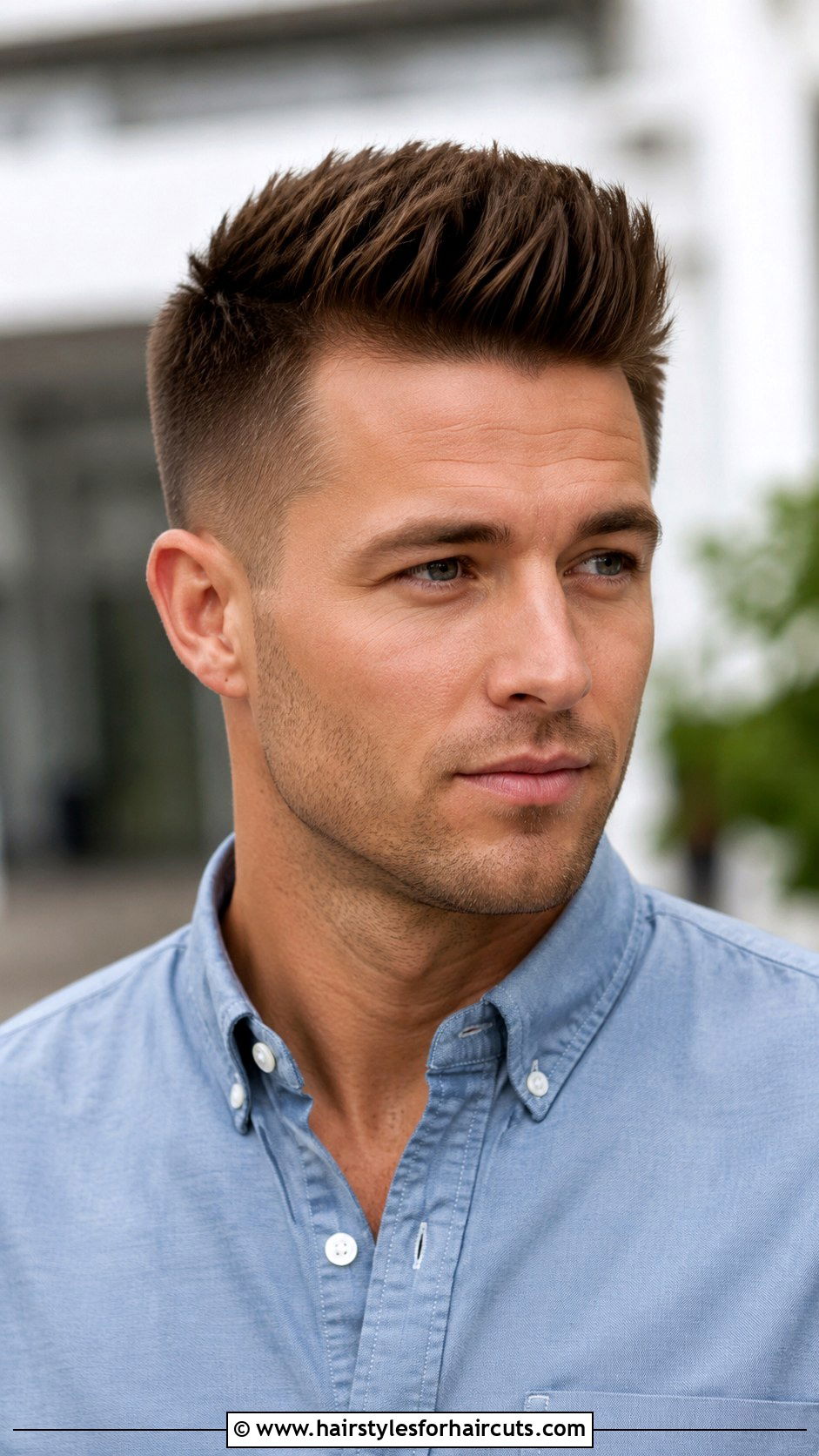
For a slightly more relaxed but still disciplined look, the brush up was a solid choice. This haircut kept the sides short, while the top was cut just long enough to be brushed straight up and back. It required less product than a slick back but still maintained a neat appearance. Soldiers and working men favored this style because it was easy to manage and stayed out of the eyes. It gives a natural, slightly fuller look to the top of the head. This style works well for men with thicker hair that has some natural lift. It is a great everyday vintage option.
25. Cadet Haircut
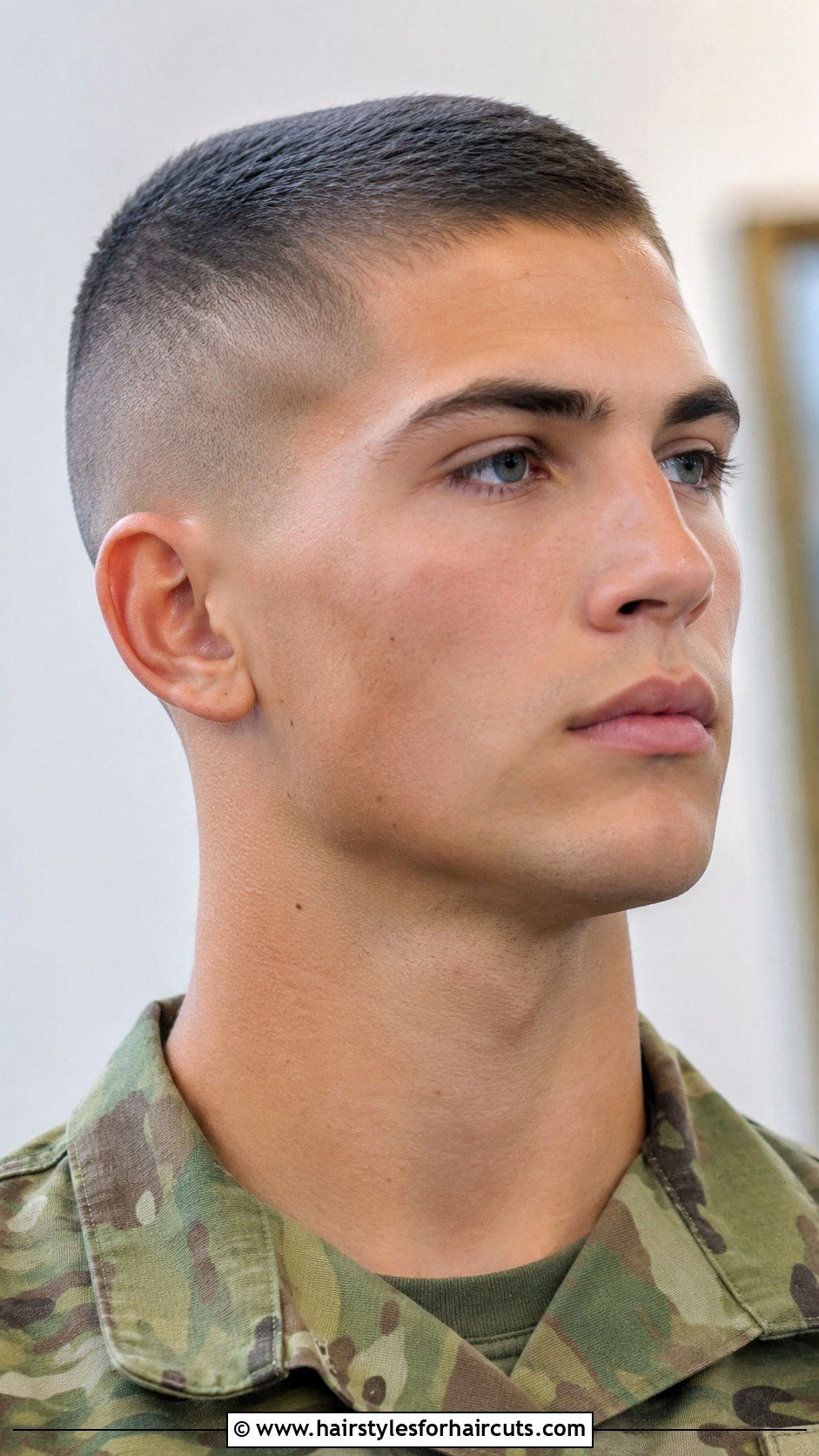
Entering the military academy meant adopting the strict cadet haircut. This style is essentially a tighter, more rigorous version of the crew cut. The sides and back are shaved down to the skin or nearly bare, leaving only a very short patch of hair on the top of the head. It was designed to strip away all vanity and focus on uniformity and discipline. There is absolutely zero styling involved, making it the most practical haircut possible. It highlights the shape of the skull and facial features boldly. This cut is perfect for those who want an authentic, extreme military look from the WW2 era.
Conclusion:
Exploring these historical styles shows how deeply the war influenced daily grooming routines. Both men and women had to adapt their hair to survive and thrive during difficult times. Women turned practical constraints into iconic fashion statements, while men embraced the sharp discipline of military regulations. These 25 ww2 haircuts offer a fascinating window into the past, proving that creativity and style can flourish anywhere. Whether you prefer the glamorous victory rolls or the clean lines of a military crew cut, there is a timeless look here for everyone. Try incorporating a piece of this incredible history into your own styling routine today and celebrate the resilience of the era.

Leave a Reply